


Your First Vegetable Garden: Start Smaller Than You Think

July 14, 2026 · 6 min read
Almost every first vegetable garden fails the same way: it's too big. Full of good intentions, someone digs a bed the size of a car, fills it with a dozen different crops, and by mid-July it's a jungle of weeds and bolted lettuce that they've quietly stopped visiting. The garden didn't defeat them — the scale did. So here's the most useful thing I can tell a beginner, before a single seed goes in the ground: start smaller than you think you should. A garden you actually tend beats a big one you avoid.
Start smaller than you think
One raised bed. A few pots on a balcony. A strip of ground a couple of metres long. That's a real first garden, and it's plenty. A small space forgives your mistakes cheaply, stays on top of weeds without swallowing your weekends, and — this is the part that matters — gives you a win early enough that you want to come back next year. Ambition is the enemy here. You can always add a second bed in your second season, when you actually know what you're doing. Almost nobody regrets starting small; a lot of people quit after starting big.
Read your plot before you plant it
Before you choose a single crop, spend a few days just watching the space you've got. Three things decide what will grow, and none of them cost anything to check.
Sun. Most vegetables — tomatoes, beans, courgettes, anything you grow for fruit — want six or more hours of direct sun a day. Watch where the light actually falls, morning to evening. If your only spot is shadier than that, don't fight it: leafy crops like lettuce, spinach and kale cope with less. Grow with the light you have, not the light you wish you had.
Water. How far is the nearest tap? It sounds trivial, but a bed that's a long walk from water is a bed that quietly gets neglected in the one week of the summer that decides your harvest. Put your garden where watering is easy and you'll actually do it.
Access. You'll visit a garden by the back door far more than one at the end of the plot. Keep it close, keep it in your eyeline, and tending it becomes a two-minute daily habit instead of a chore you schedule.
Grow what you'll actually eat
The best beginner crop is whatever you'd be pleased to carry into your own kitchen. Salad you eat three times a week earns its space; a novelty vegetable you're merely curious about does not. Start with a short list of things that are both genuinely useful in the kitchen and forgiving in the ground. Browse the full plant catalog to see how much sun, water and time each crop actually needs before you commit a row to it.
If you want a shortlist to start from, these six are about as beginner-proof as vegetables get — fast, forgiving, and hard to get badly wrong. Treat it as a starting point, not a rulebook, and grow the ones you'd actually want to eat.
Radish — ready in about four weeks, the fastest reward in the seed drawer and a quick confidence boost. Effort: very low.
Lettuce — cut-and-come-again leaves for weeks from one short row, and happy in part shade. Effort: low.
Bush beans — no support needed, a generous crop, and they improve the soil as they grow. Effort: low.
Beetroot — roots and edible leaves, shrugs off neglect, and stores well. Effort: low.
Spring onion — quick, compact, and slots into the gaps between slower crops. Effort: very low.
Courgette — one or two plants feed a household all summer; almost too productive. Effort: low.
Give them room, and good neighbours
The second classic beginner mistake, right after planting too much, is planting it too close together. Seed packets are optimistic; those tiny seedlings become sprawling plants that shade and starve each other if they're crammed in. Give each crop the space it actually needs and you'll get more food from fewer plants. Rather than measure it all by hand, let the planner lay out your bed to scale and space each crop properly against your own plot — and, because it knows your location's climate, tell you the right window to sow each one.
Once you know what fits, you can be a little clever about who sits next to whom. Some plants genuinely help their neighbours — shading the soil, confusing pests, or feeding nitrogen back into the ground — while a few actively hold each other back. This is the honest, evidence-based core of companion planting, and it's worth a few minutes before you finalise a layout. Start with the companion planting guide to see which pairings hold up, use the Mix & Match tool to test any two crops together before you commit the space, and if you want to know why a pairing works, Kinship Core explains the real bonds behind it. A classic to start with: tuck a few nasturtiums near your beans as a decoy for aphids.
The first month is mostly patience
Once it's planted, the work gets quieter — and mostly comes down to three habits.
Water deeply, not often. A proper soak every few days sends roots down looking for moisture; a daily sprinkle keeps them shallow and needy. Aim for the soil, not the leaves, and do it in the morning.
Thin without flinching. When seedlings come up in a crowded clump, pull out the weaker ones so the survivors have room. It feels brutal the first time. Do it anyway — three strong carrots beat twenty spindly ones that never size up.
Sow in small waves. Instead of a whole packet of lettuce at once, sow a short row every couple of weeks. Succession sowing spreads the harvest so you're picking steadily all season instead of drowning in salad for one week and having none the next.
And then, mostly, you wait — and visit, and notice. Expect a few failures in year one; every gardener has them, and they cost you almost nothing in a small bed. That's exactly why we started small.
So: one bed, this weekend
Don't plan the perfect garden. Plant a modest, honest one — a single bed or a few pots, a handful of crops you'll actually eat, spaced with room to grow. Open the catalog, pick two or three easy wins, let the planner tell you when and how far apart to sow them, and get them in the ground this weekend. The best gardener you'll ever be starts with the smallest garden you're willing to keep.
— Pernille
About the author
Pernille has spent almost her entire adult life working in gardens, both personally in her own gardens, as well as professionally. She has worked at Arley Hall & Gardens, at Systrarna Lindskogs in the Swedish riviera of Österlen and spends most of her waking hours planning gardens, counting seeds and thinking 3 seasons ahead (at least). She is also the founder and creator of Garden Kinship.
Continue reading
Growing Beans: Bush or Pole, Snap or Dry
Beans are the crop most likely to be called easy and most likely to be grown wrong. Almost every decision — where they go, what you feed them, when you pick — follows from two questions you answer before you sow: how tall does this one get, and are you eating the pod or the seed?
Pernille Roos · Jul 17, 2026
Pruning Chili Plants: When It Helps, and When to Leave Them Alone
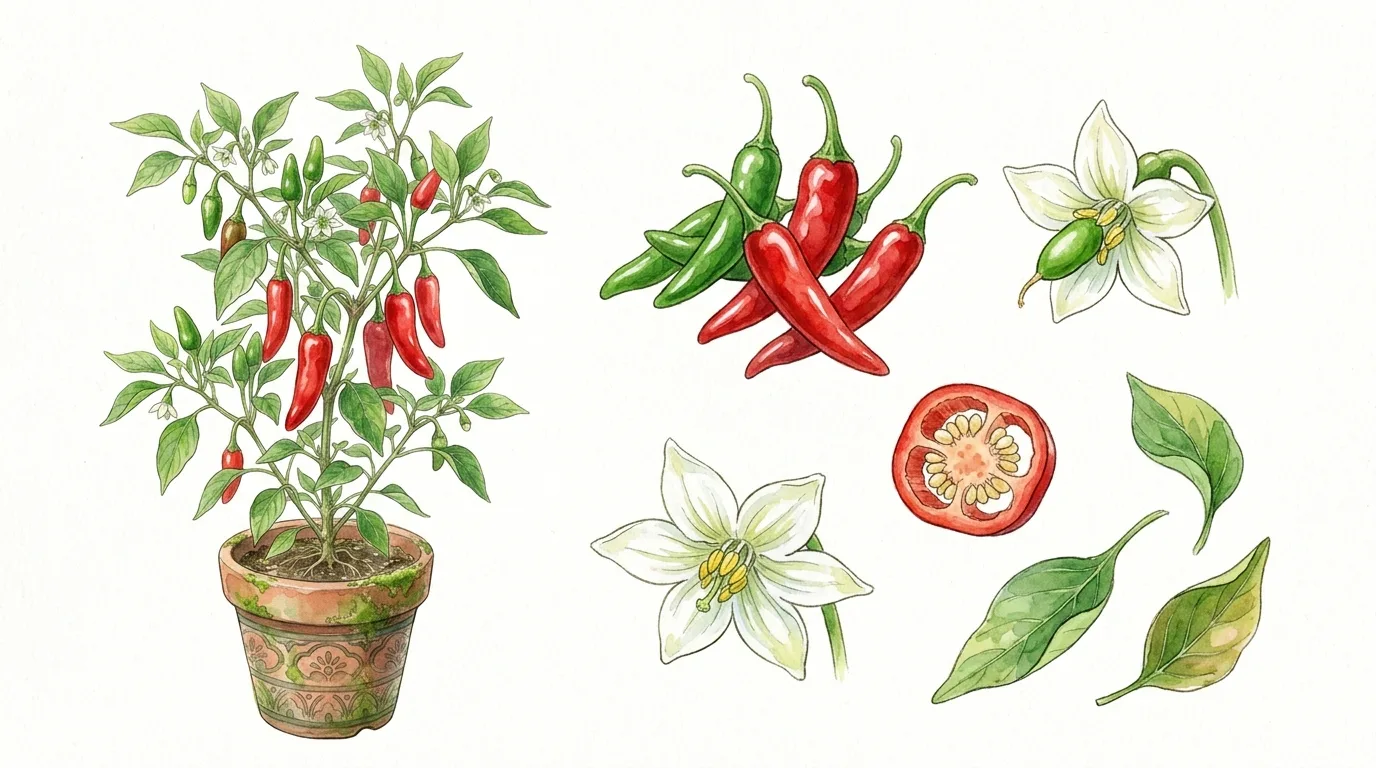
Chilies don’t need pruning to crop — but three simple cuts, made for the right reason at the right time, can mean a bushier plant, more fruit, and cleaner ripening. Here’s when to reach for the scissors, and when to sit on your hands.
Pernille Roos · Jul 14, 2026
Growing Tomatoes: From First Sowing to the Last Ripe Fruit
Tomatoes are the crop most gardeners fall for first — and the one that most rewards getting the timing right. This is the whole arc: sowing, planting out, the one pruning decision that actually matters, keeping them fed and even, and coaxing the last fruit to colour before the cold.
Pernille Roos · Jul 14, 2026