


It's Not Too Late to Plant: Fast Crops You Can Still Sow Right Now
July 8, 2026 · 5 min read
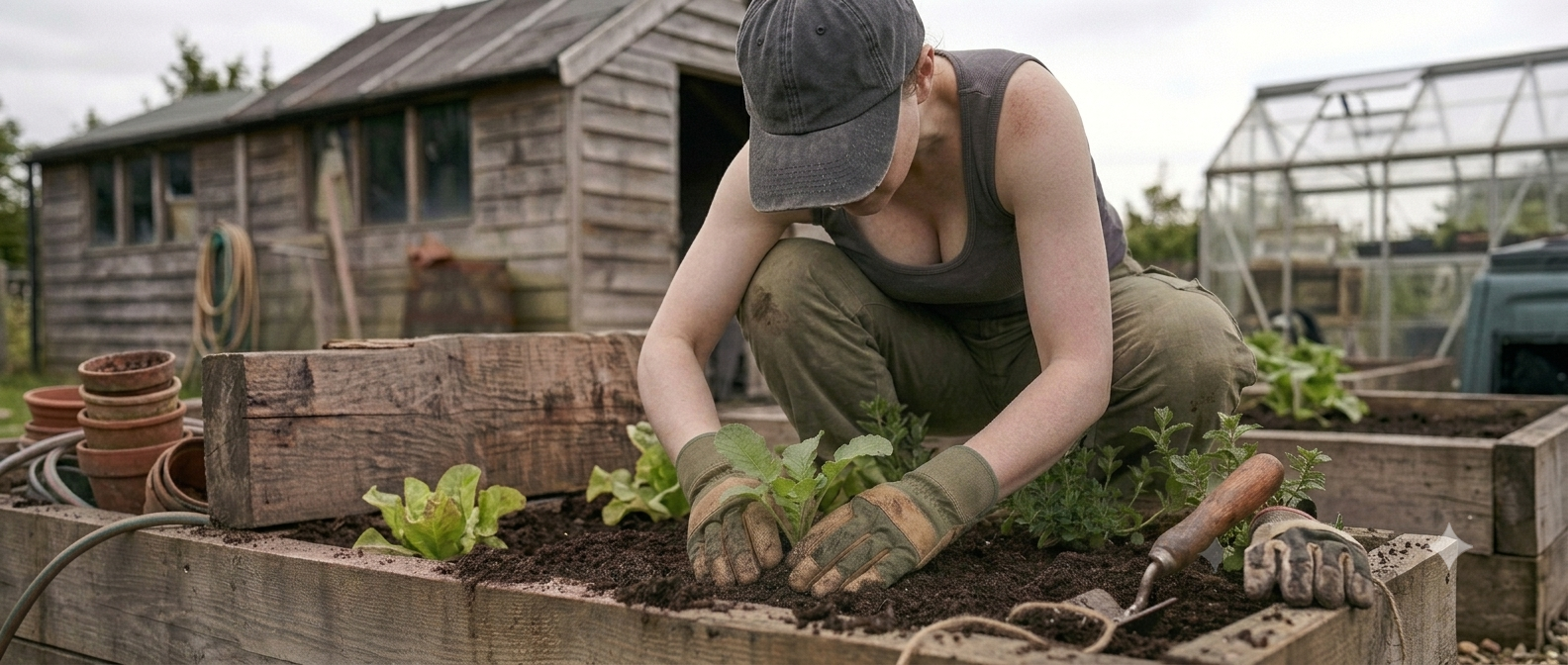
Every year, around this time, someone tells me they've "missed it." Life got in the way in spring, the seed packets stayed in the drawer, and now — surely — it's too late to bother. It isn't. The soil is warm now, which means seeds germinate faster than they ever would in a cold April bed. A surprising number of crops will still give you a real harvest before the frost. You just have to pick the fast ones and count the weeks honestly.
The only number that matters now
Early in the year you can afford slow crops. This late, one number decides everything: days to maturity — how long a crop needs from sowing to something worth eating. The trick is simple. Find your first autumn frost date, count the weeks between now and then, and only sow things that finish comfortably inside that window. You can browse the whole plant catalog by how fast each crop matures, and the planner will do the counting for you against your own frost date.
Ready in 2–4 weeks
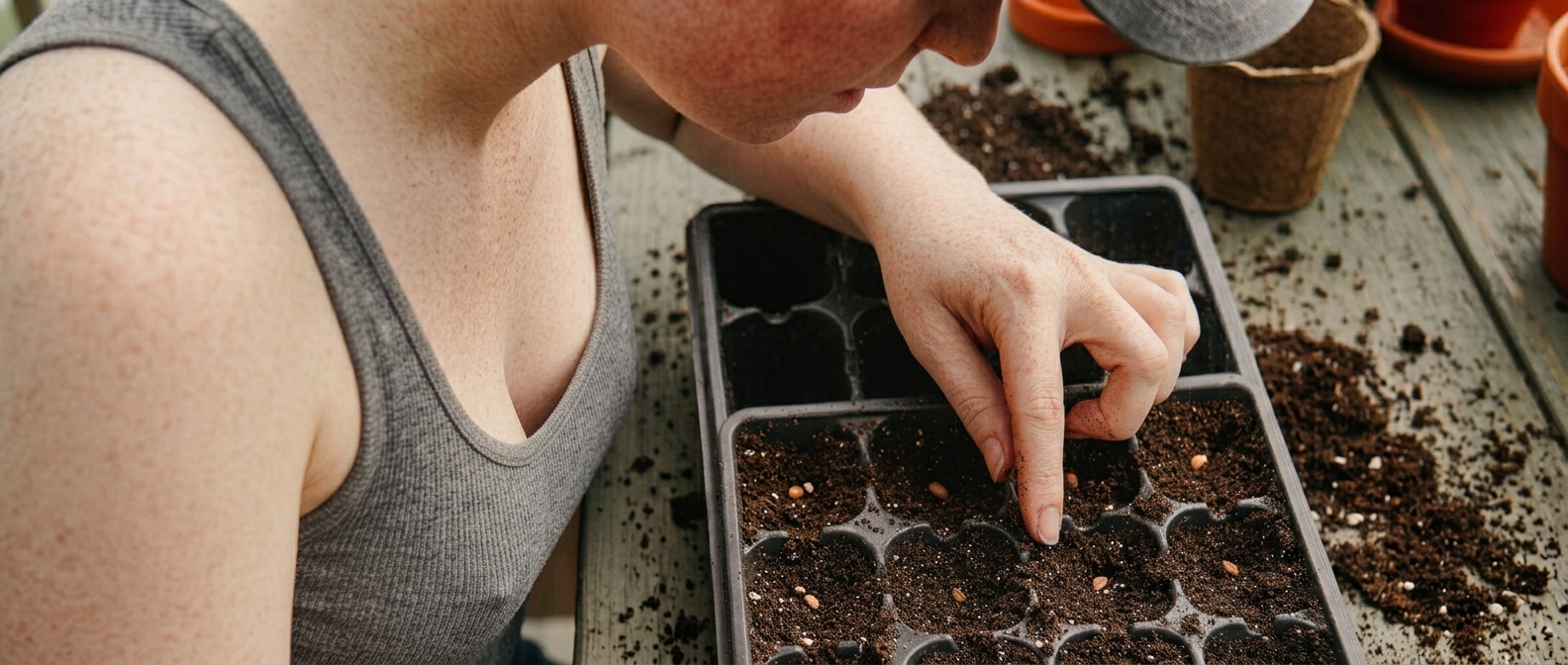
These are the crops that reward the impatient. Sow them today and you'll be cutting leaves within the month.
Garden cress — the sprinter of the seed drawer, ready in around two weeks.
Radish — roughly four weeks from sowing to a crisp, peppery root.
Rocket — cut-and-come-again leaves in about four weeks; it actually prefers the cooler end of the season.
Ready in about six weeks
A little more patience, a lot more dinner. All of these still finish well before autumn in most temperate gardens.
Spinach — loves the cooling days ahead and bolts less than it would in high summer.
Mustard greens — fast, peppery, and happy in a late bed.
Turnip — sow now for tender roots and edible tops.
Cilantro — the cooler weather keeps it leafy instead of rushing to seed.
Pak choi — one of the best late-summer sowings there is.
Ready in about eight weeks
If you have two frost-free months left — and much of the country does — these are still well within reach.
Lettuce — succession-sow a short row and you'll have salad into autumn.
Bush beans — a quick, generous crop from a warm-soil sowing.
Zucchini — yes, still; a July sowing races away in warm ground.
Kohlrabi — fast, forgiving, and better in cool weather.
Kale — arguably improves after a touch of frost (more on that below).
Stretch the season
Here's the part people forget: the frost date isn't a wall, it's a setting you can change. None of this is folklore — each of these physically alters the growing conditions, and the effect is real and measurable.
Warm the soil. A heat mat under your seed trays raises the root-zone temperature by several degrees, and warm soil germinates seed dramatically faster. For anything you start in trays, it's the cheapest week you'll ever buy.
Trap the day's heat. A cloche, a length of horticultural fleece, or a low row cover holds two to four degrees overnight — often the exact margin between a light frost killing a crop and it shrugging the frost off. A cold frame does the same, more permanently. A greenhouse or polytunnel can push your usable season out by weeks at both ends.
Start indoors, plant out later. Sowing on a warm windowsill or under cover and transplanting once the seedlings are sturdy hands you a two-to-three week head start over sowing straight into cold ground.
Choose crops that don't care. Some plants simply keep going through light frost. Kale and curly kale sweeten after a cold snap. Spinach, mâche, land cress, and turnip all take a frost in stride. Build a late bed around these and the first frost becomes a non-event.
How long have you actually got?
This is where honesty matters. Your first autumn frost depends on where you garden, and the spread is wide. As a very rough guide:
Far north / high inland (northern Sweden, inland Norway) — first frost around early–mid September, so roughly 9–10 frost-free weeks left.
Cool temperate (southern Sweden, Denmark, inland UK) — first frost around early–mid October, so roughly 13–14 weeks left.
Mild / coastal (southern UK, Österlen, mild coasts) — first frost late October into November, so 16+ weeks left.
Those are rough averages — a starting point, not a promise. And they're deliberately broad, because averages hide a lot. Two gardens thirty kilometres apart can frost two full weeks apart; a coastal plot and one just inland are practically different climates. That's exactly why I wouldn't plant by a rough guide like this. The planner derives your real first-frost date from around eighty years of local climate data for your specific location, then tells you precisely which crops still fit. Plant by your garden, not by a chart.
Keep sowing in waves
One last habit worth starting now, even this late: sow a short row every couple of weeks rather than everything at once. Succession sowing spreads the harvest out so you're picking steadily instead of drowning in lettuce for one week and having none the next. And while you're planning those rows, it's worth putting good neighbours side by side — Kindred Core shows you which plants genuinely help each other, and the Mix & Match tool lets you test any two together before you commit the space.
So, no — you haven't missed it. Warm soil, a fast crop, and a fortnight of attention is all it takes. Go and open the catalog, find something quick, and get it in the ground this week.
— Pernille
About the author
Pernille has spent almost her entire adult life working in gardens, both personally in her own gardens, as well as professionally. She has worked at Arley Hall & Gardens, at Systrarna Lindskogs in the Swedish riviera of Österlen and spends most of her waking hours planning gardens, counting seeds and thinking 3 seasons ahead (at least). She is also the founder and creator of Garden Kinship.
Continue reading
Your First Vegetable Garden: Start Smaller Than You Think
The most common way a first garden fails is being too big. Here is how to plant less, grow more, and actually enjoy your first season.
Pernille Roos · Jul 14, 2026
Companion Planting: What the Data Actually Says
Most companion-planting charts are copied folklore. We ran the pairings through our model and checked the science behind them — here's what holds up, what doesn't, and what the data found that tradition missed.
Pernille Roos · Jul 9, 2026