


Odla tomater: från första sådden till sista mogna frukten
July 14, 2026 · 6 min read
Tomaten är oftast det första en ny odlare ger sig på, och det finns en god anledning till att erfarna odlare återvänder till den gång på gång: få grödor ger så mycket tillbaka för utrymmet. Men tomaten är en långsäsongsväxt som låtsas vara enkel. Allt som följer — när du sår, hur du planterar, om du rensar, hur du vattnar — hänger på ett enda faktum: från den dag du sår till den dag du plockar en mogen frukt är det en lång sträcka av varmt väder, och de flesta av oss kämpar mot kalendern. Får du tajmingen och konsekvensen rätt är tomaten generös i överkant. Stressar du den, eller låter den torka ut och översvämmas omväxlande, kommer den att tjura. Så här är hela förloppet, i ordning.
Starta från frö
Tomater startas nästan alltid inomhus, veckor innan det är tillräckligt varmt för att plantera ut dem, just för att säsongen är den begränsande faktorn. Så i små krukor eller brickor med fuktigt såjord, täck fröet knappt, och håll dem på ett varmt ställe — runt 20 °C räcker gott — tills de gror, vilket brukar ta ungefär en vecka. Så fort de kommit upp vänder prioriteten från värme till ljus: en planta på en mörk fönsterbräda sträcker sig till ett blekt, svajigt exemplar som söker sig mot glaset. Ge dem den ljusaste platsen du har, eller en växtlampa, och vänd dem dagligen så de växer raka och kraftiga.
Hur många veckor före din sista frost du sår beror helt på var du odlar — för tidigt och du sitter och vårdar rotbundna plantor inomhus i veckor, för sent och du väntar fortfarande på grön frukt när hösten anländer. Använd planeraren för att räkna bakåt från ditt eget frostdatum snarare än en generell tumregel; en odlare med kort säsong och en med växthus spelar olika spel.
Utplantering
Stressa inte det här steget — en tomat som hämmats av en kall natt i maj hamnar efter en som fick vänta en vecka och sedan växte på lyckligt. Vänta tills nätterna är pålitligt varma och all frostfara är över, och härda av plantorna först: ungefär en vecka med successivt mer tid utomhus så att de vänjer sig innan de planteras för gott.
När du väl planterar, gör två saker som plantan kommer att tacka dig för. Ge dem utrymme — trångbodda tomater fångar fuktig luft och bjuder in sjukdomar, så plantera dem med generösa mellanrum. Och plantera dem djupt: tomater bildar rötter längs hela den begravda stammen, så att sätta ner en lång, ranglig planta ända upp till de nedersta bladen förvandlar den svaga stammen till ett större, starkare rotsystem. Det är det enda tillfället då det är precis rätt att begrava en del av en planta.
Stöd och beskärning: det enda beslutet som spelar roll
Här är vägskälet som avgör hur du sköter plantan hela säsongen, och det är inte frivillig hemläxa — det är skillnaden mellan en prydlig och produktiv planta och ett oordnat virrvarr. Tomater finns i två typer, och din sort är den ena eller den andra.
Indeterminate (cordon / klättertomat) sorter växer en enda huvudstam uppåt, mer eller mindre i all oändlighet, och blommar och sätter frukt längs vägen. Dessa behöver ett högt stöd — en käpp, snöre eller stake — och de gynnas av paskotning: att knipsa bort sidoskotten som bildas i vinkeln mellan huvudstammen och varje blad, så att plantan lägger sin energi på frukt längs huvudstammen i stället för att bli en buske. Gör det lite och ofta medan skotten är små.
Determinate (busktomat) sorter växer till en bestämd storlek, sätter sina frukter under ett kort fönster och stannar. Dessa lämnar du i stort sett ifred — paskota dem inte, annars klipper du bort just de skott som bär skörden. En kort käpp eller ett bur för att hålla dem från marken är allt de behöver.
Att paskota en busktomat är ett av de vanligaste sätten som odlare tyst saboterar sin egen skörd, så det är värt att veta vilken typ du har innan du plockar upp saxen. De flesta katalogorter anger sin typ — en körsbärstomat som Sungold eller en klassisk cordon som Moneymaker är indeterminate och ska paskotas; en pastasort som Roma VF är typiskt determinate och ska inte det. Om du är osäker, kontrollera sortens egen sida i katalogen.
Bevattning och gödsling: jämnhet framför mängd
Om det finns en sak som skiljer goda tomater från besvikelser är det jämn bevattning. Tomater hatar feast-and-famine: låt jorden torka hårt och blöt den sedan, och frukten reagerar med att spricka, eller med att utveckla blomändröta — den insjunkna mörka fläcken på botten — vilket egentligen är ett symptom på att kalcium inte rör sig i en planta vars vattentillförsel ständigt skenar. Lösningen är inte mer vatten, utan jämnare vatten: djupa, regelbundna drickstillfällen och ett täckmaterial för att hålla fukten mellan dem så att plantan aldrig svänger från benbenhård torka till översvämmad.
Gödslingen följer plantans egen tidslinje. Medan den bygger blad och stjälkar räcker vanligtvis vanlig jord. När blommorna satt sig och frukten börjar svälla, byt till ett gödselmedel med högre kaliumhalt — ett tomatgödsel — för att stödja fruktsättningen snarare än ännu mer bladverk. Gödslar du med för mycket kväve för sent odlar du en magnifik, lummig planta med väldigt få tomater.
Skörd och mognad
Plocka tomaterna när de färgas och ger lätt efter för ett varsamt tryck — en frukt som mognat på plantan slår nästan alltid en som mognat av den, så låt dem sitta kvar så länge säsongen tillåter. En klase som plockas med lite stjälk kvar håller sig en aning längre.
Sedan vänder säsongen, som den alltid gör, och du står med en planta full av gröna frukter och de första kalla nätterna på väg. Få inte panik och lämna dem inte att ruttna i kylan: plocka de mogna gröna frukterna och låt dem mogna inomhus — på en fönsterbräda, eller i en papperspåse med en mogen banan eller ett äpple vars etylen ger dem en knuff framåt. Sent på säsongen kan du också hjälpa den utomhusplanterade plantan genom att ta bort de lägsta, skuggigaste bladen för att öka luftcirkulationen och låta ljuset nå de mognade klasarna — samma sena städning som hjälper chilin att bli klar. Det som inte mognar alls är ändå inte bortkastat: gröna tomater är en skörd i sig, för chutney och stekning.
Odla dem med lite tålamod och en stadig hand på vattenkransen, och tomater ger mer tillbaka än nästan vad som helst annat i trädgården. Kontrollera din sorts verkliga tidslinje och typ i katalogen, planera din sådd mot din egen säsong i planeraren, och låt plantan sätta takten.
— Pernille
About the author
Pernille has spent almost her entire adult life working in gardens, both personally in her own gardens, as well as professionally. She has worked at Arley Hall & Gardens, at Systrarna Lindskogs in the Swedish riviera of Österlen and spends most of her waking hours planning gardens, counting seeds and thinking 3 seasons ahead (at least). She is also the founder and creator of Garden Kinship.
Continue reading
Growing Beans: Bush or Pole, Snap or Dry
Beans are the crop most likely to be called easy and most likely to be grown wrong. Almost every decision — where they go, what you feed them, when you pick — follows from two questions you answer before you sow: how tall does this one get, and are you eating the pod or the seed?
Pernille Roos · Jul 17, 2026
Pruning Chili Plants: When It Helps, and When to Leave Them Alone
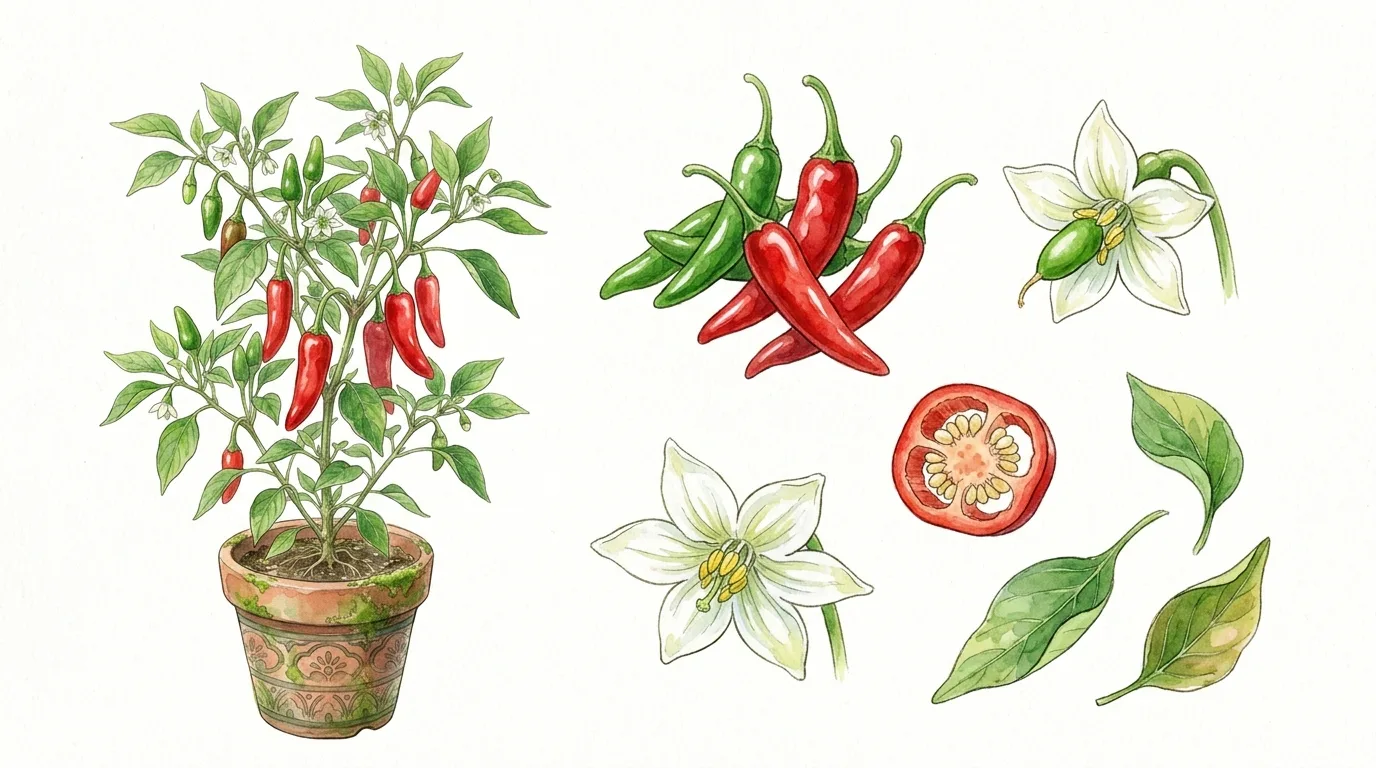
Chilies don’t need pruning to crop — but three simple cuts, made for the right reason at the right time, can mean a bushier plant, more fruit, and cleaner ripening. Here’s when to reach for the scissors, and when to sit on your hands.
Pernille Roos · Jul 14, 2026
Your First Vegetable Garden: Start Smaller Than You Think
The most common way a first garden fails is being too big. Here is how to plant less, grow more, and actually enjoy your first season.
Pernille Roos · Jul 14, 2026