
Predatory mites
Phytoseiidae
Too small to see without a hand lens, and the main thing holding spider mites down.

What they are and what they do
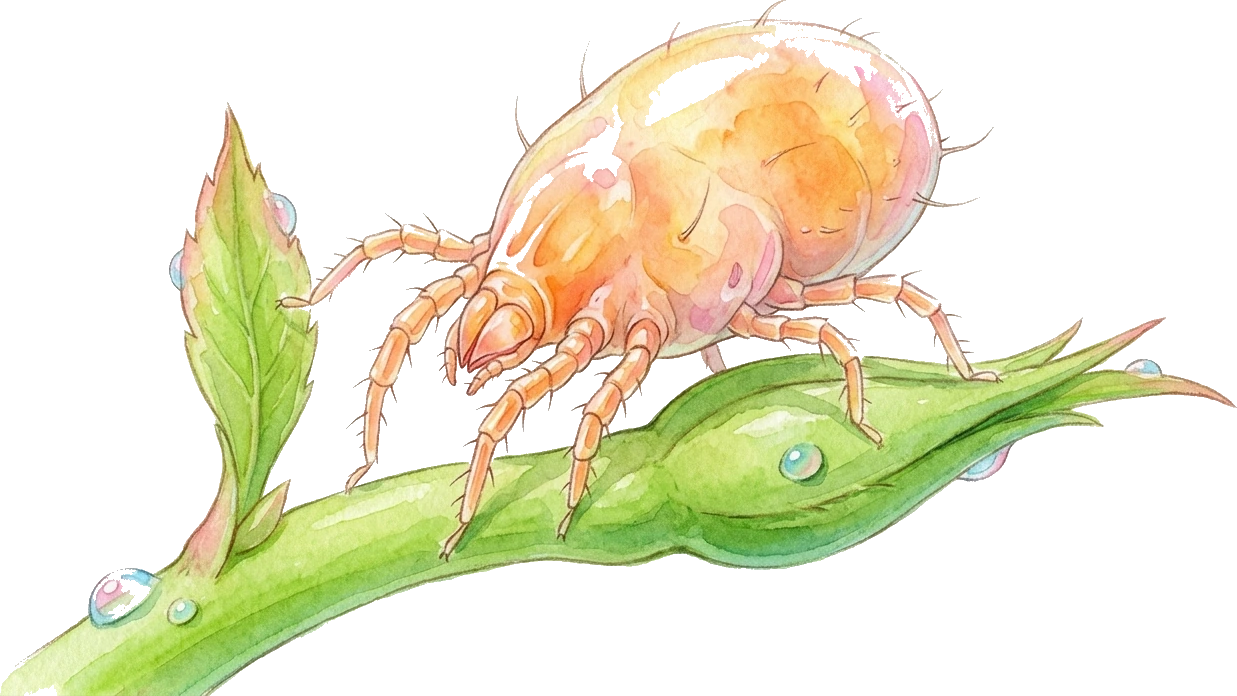
UC IPM calls predatory mites commonly the most important natural enemies of plant-feeding mites, and there are over 100 phytoseiid species in California alone. Size is the problem: the western predatory mite is about 0.36 mm long. You will not spot one without a hand lens, which is why most gardeners never learn they had them until a miticide removes them.
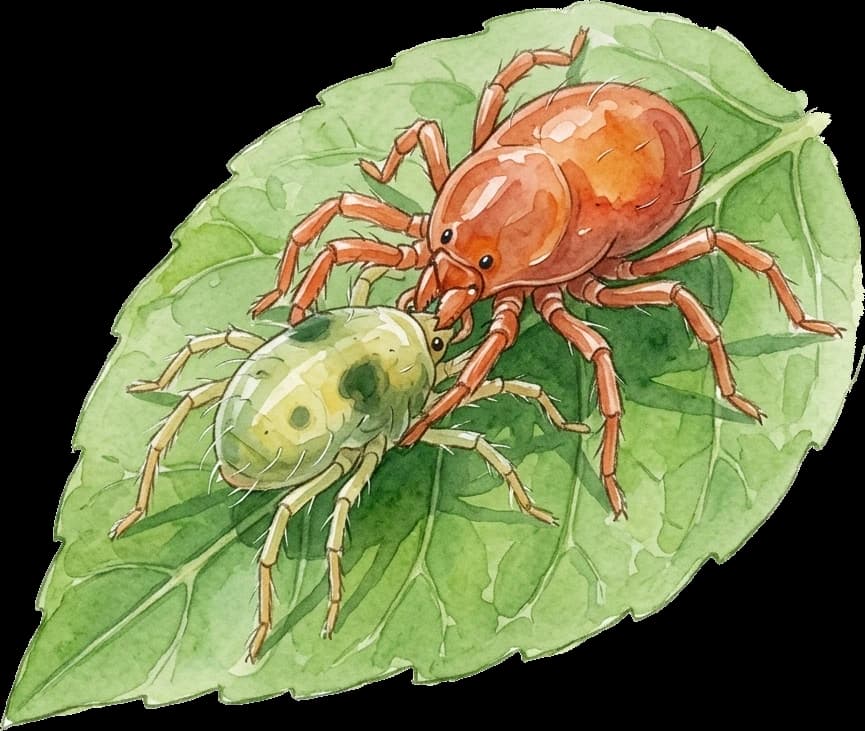
You can tell predator from pest once you are looking. Predatory mites lack the dark blotches carried by twospotted and McDaniel spider mites. Spider mites are broader at the front; predatory mites are broader at the rear, pear-shaped, and noticeably more active. Colour is not a reliable guide because it follows the diet — Euseius hibisci runs red after feeding on citrus red mite, yellow after thrips, and white when it has been feeding on pollen.
Speed is how they win. The western predatory mite develops from egg to adult in 6 to 12 days, faster in warmer weather, and runs 8 to 10 generations a year — outpacing the pest it eats. Phytoseiulus persimilis has the highest known consumption rate in the family, adults taking 5 to 20 prey, eggs or mites, per day.
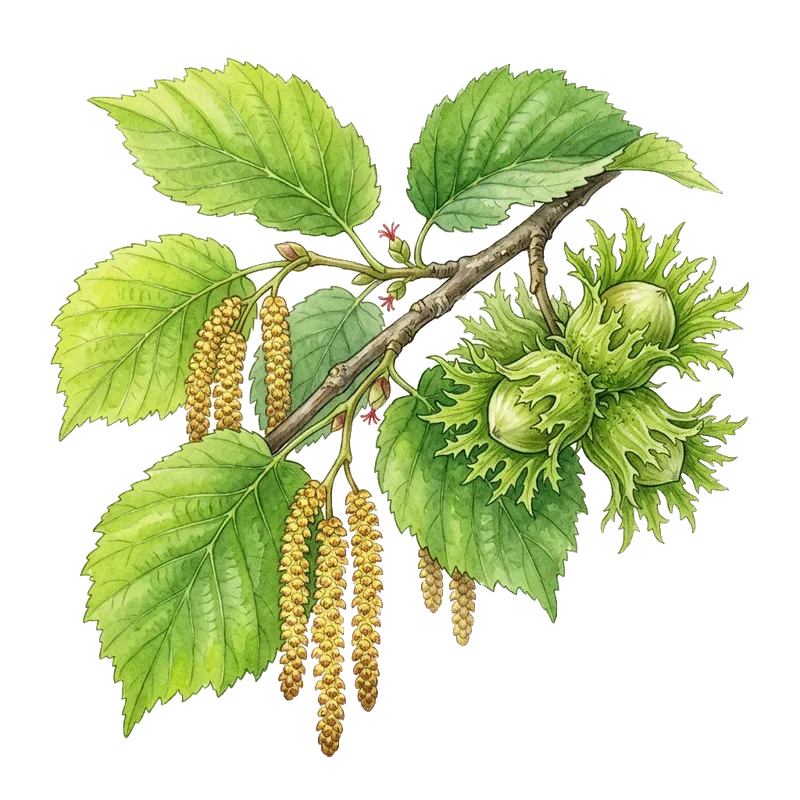
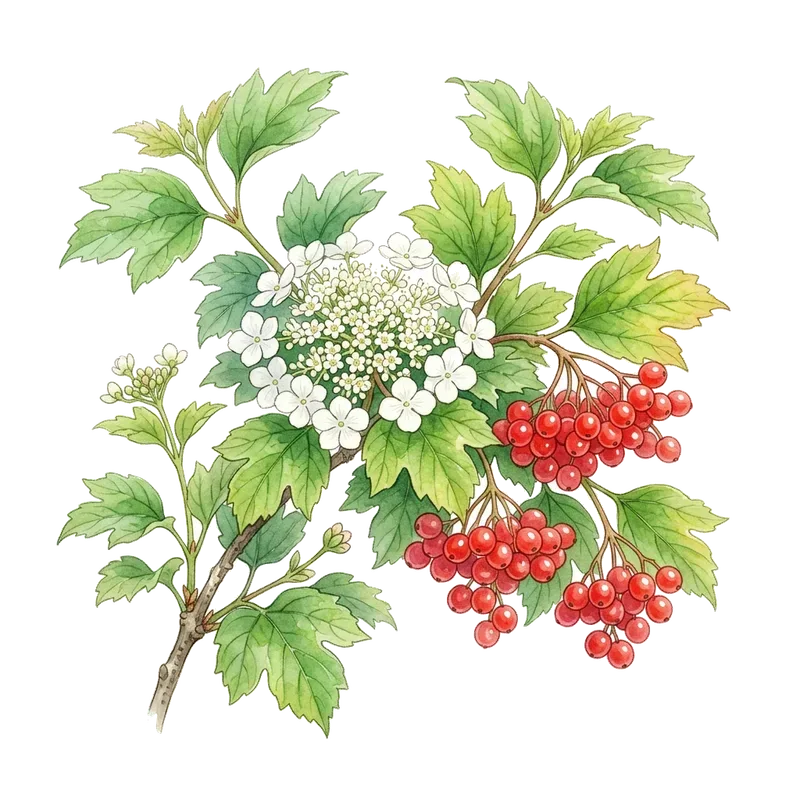
The reason plants matter here is pollen. Neoseiulus species survive on pollen when arthropod prey is scarce, and UC IPM explicitly recommends growing flowering insectary plants to feed them through the lean stretch. Euseius hibisci will build to high densities with no mite prey at all, living on honeydew, leaf exudates, pollen and scale crawlers — pollen cuts how many spider mites it eats, but buys longer life and more eggs than a mite-only diet.
Pests they keep in check
- 152 plants in our catalog are prone to it
Plan a garden that feeds them
Drop these plants into a plan and see how the season lines up — the predators need their food and their cover in place before the pests arrive.
Plants that attract Predatory mites
15 plants in our catalog draw Predatory mites in. Grow a few of them near the crops you want protected.
Vegetables
How not to kill them
Miticides are the trap. UC IPM repeats the same warning across every phytoseiid page: avoid broad-spectrum, persistent insecticides AND miticides for all pests, because they are toxic to natural enemies. Spraying a spider-mite outbreak routinely makes the next one worse, because the predator breeds slower back than the pest does.
Control dust. UC IPM names it on every page in the group — periodically hose or overhead irrigate small plants, hose off shrubs. Dusty plants beside a path or a dry drive are where spider-mite outbreaks start.
Control ants. Ants farming honeydew-producing insects drive predators off the plant, and UC IPM lists ant control alongside dust in the same sentence.
Getting them through the winter
In cold climates the western predatory mite overwinters as mated females in bark crevices and in the organic litter on the ground. Both of those are things a tidy winter removes.
So leave the litter under fruit trees and shrubs, and resist scrubbing or wrapping trunks. The females that make it through are the ones already in place when the first spider mites hatch in spring, which is the only timing that matters.