
Spider mites
Tetranychidae
Fine pale stippling in hot, dusty, dry weather. Visible webbing means you are already late.

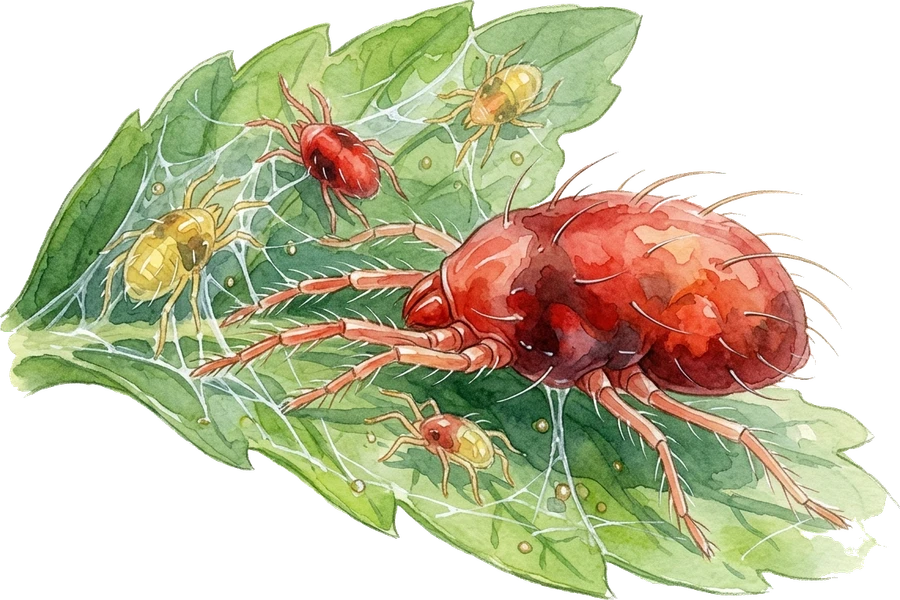
How to spot them
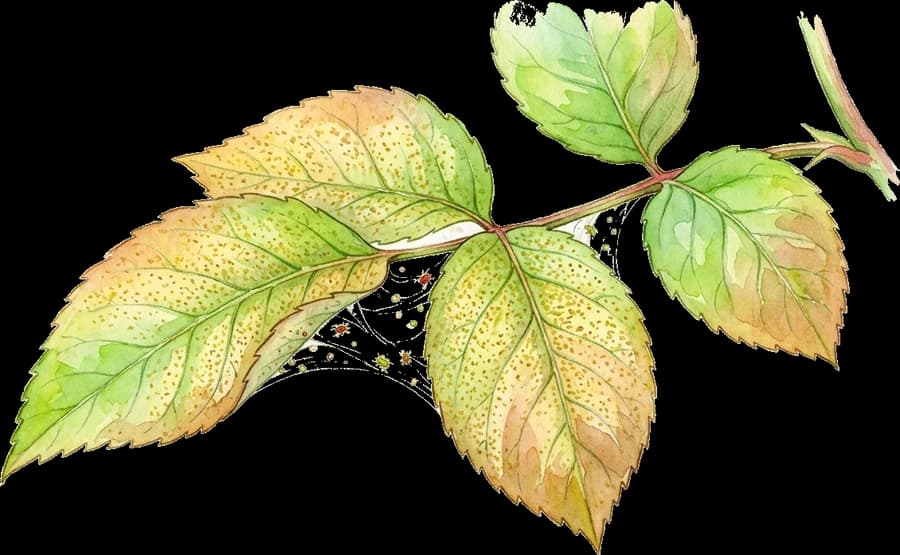
Adult females are under a twentieth of an inch, with eight legs, an oval body and two red eyespots. You need a hand lens. Despite the common name, the summer form is usually yellowish-green with a pair of darker markings rather than red.
The first symptom is a fine pale mottling or stippling of light dots on the upper leaf surface. As it worsens the leaf takes on a bronze cast, then yellows or reddens and drops.
Look on the undersides of leaves. Fine silk webbing over leaves, twigs and fruit confirms spider mites, but it is a late-stage sign.
Outbreaks follow hot, dusty conditions and water stress — dusty paths beside a bed and a plant that has been allowed to dry out are the classic combination.
Plants they attack
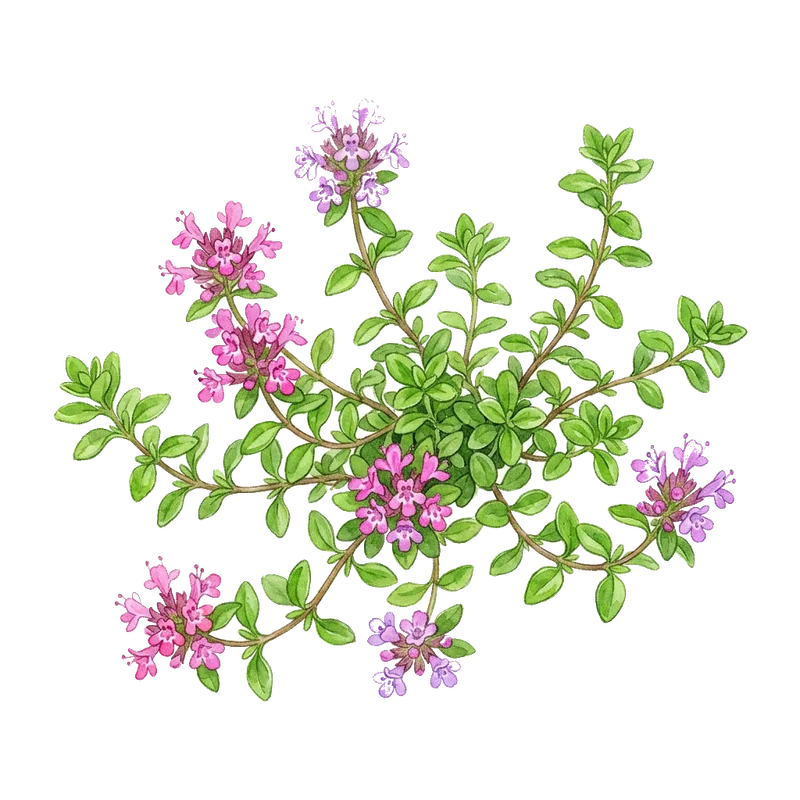
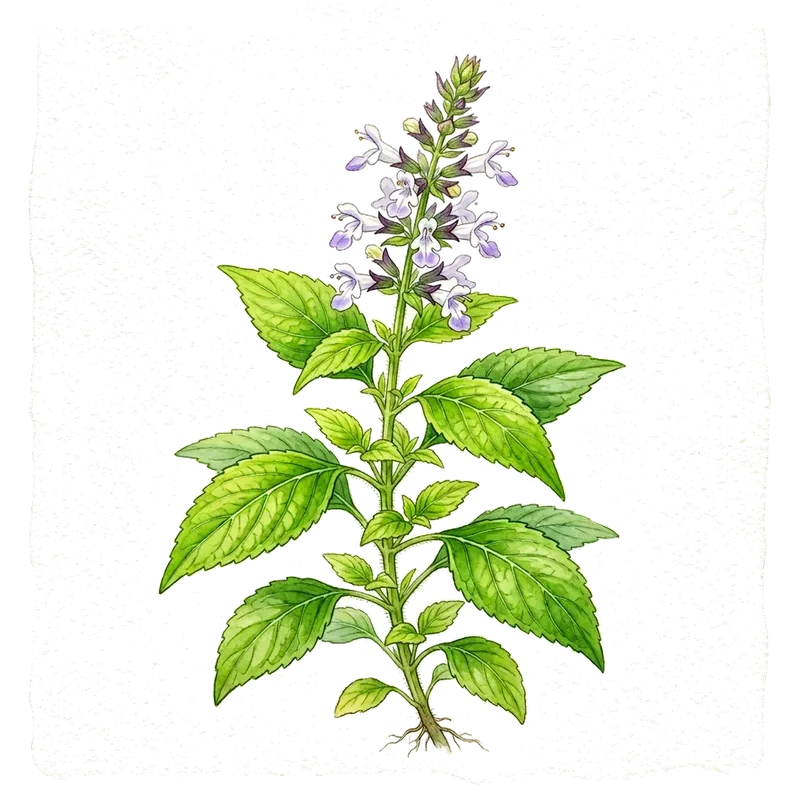
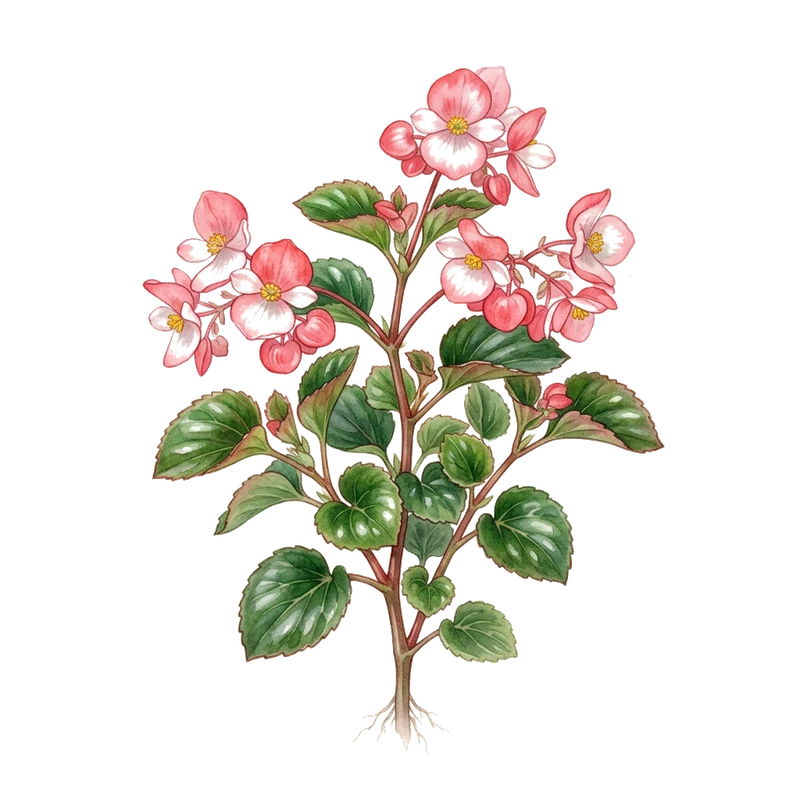
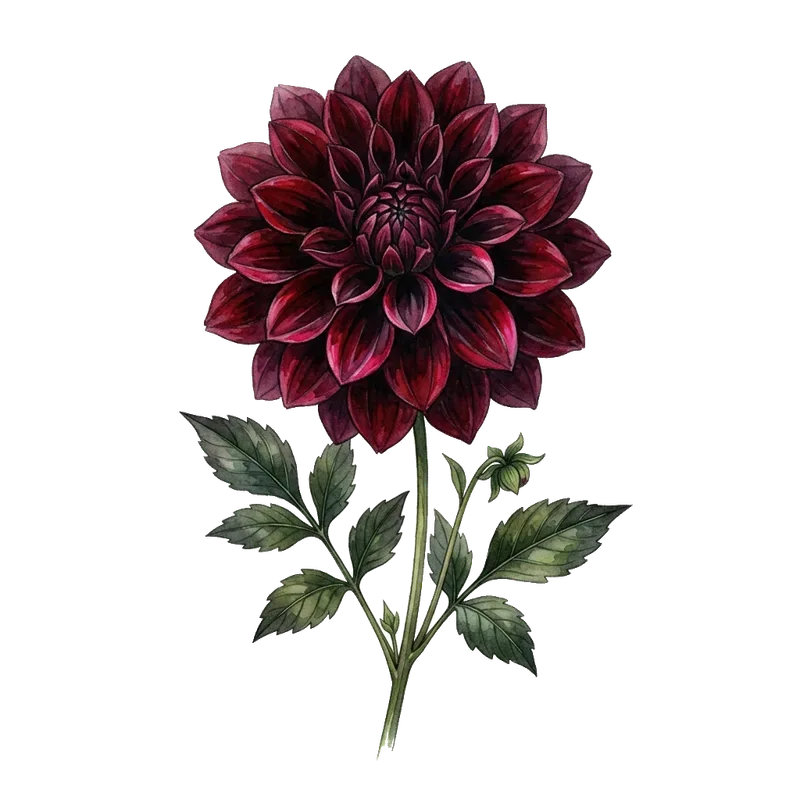
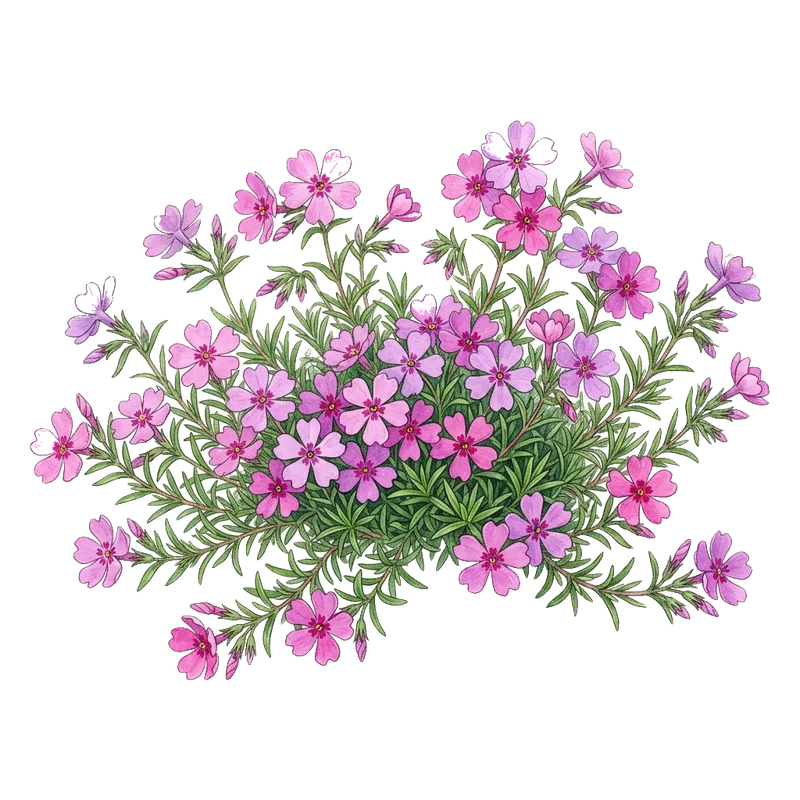
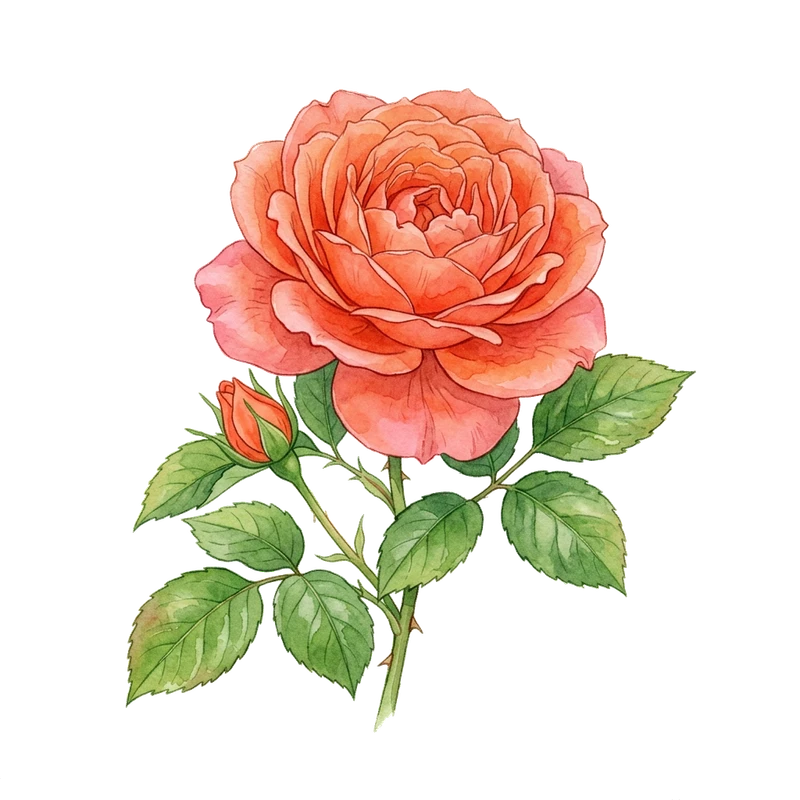
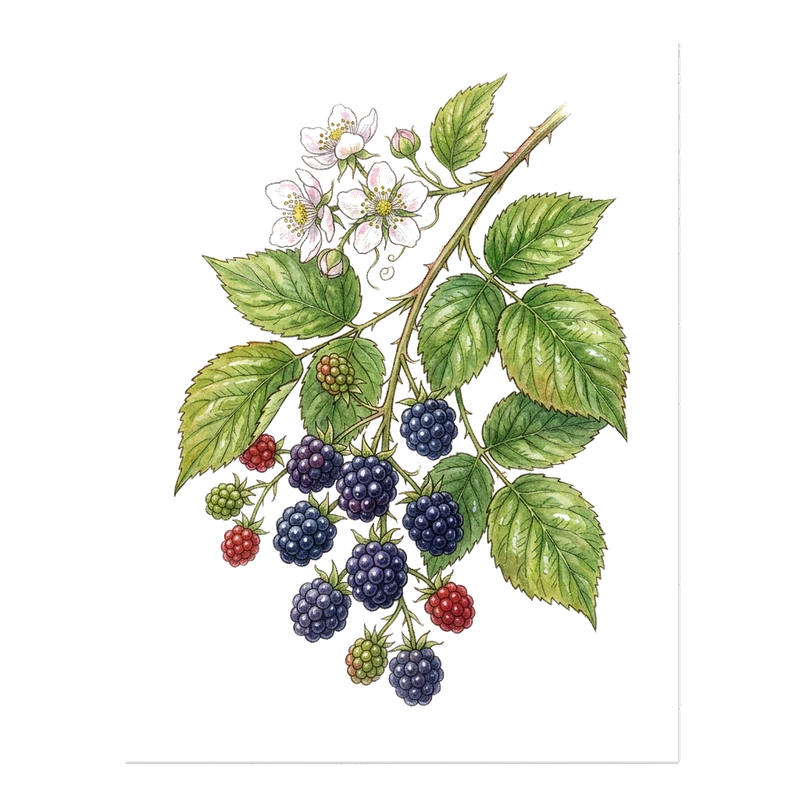
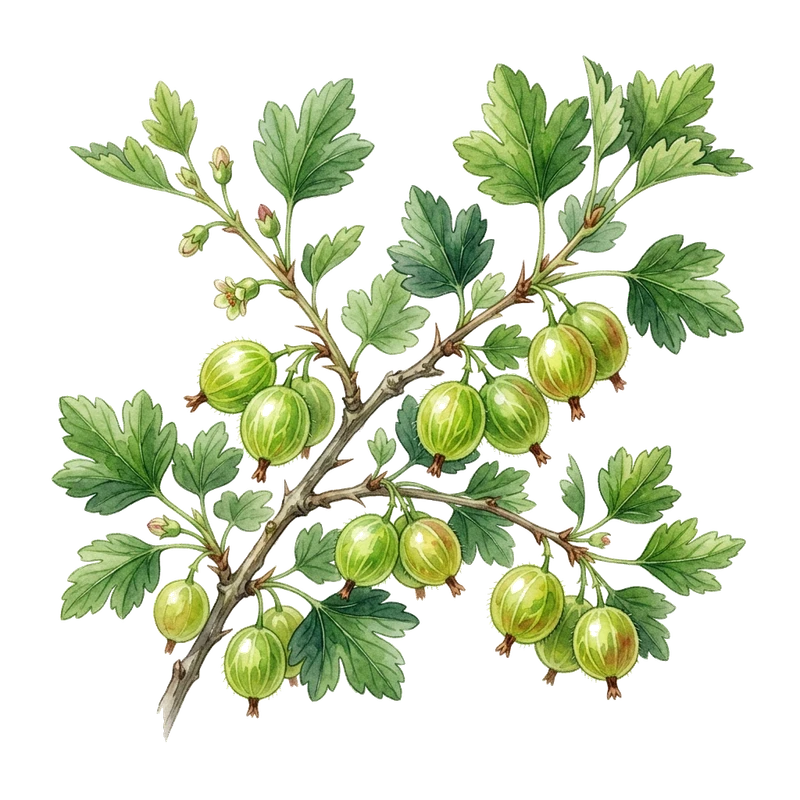
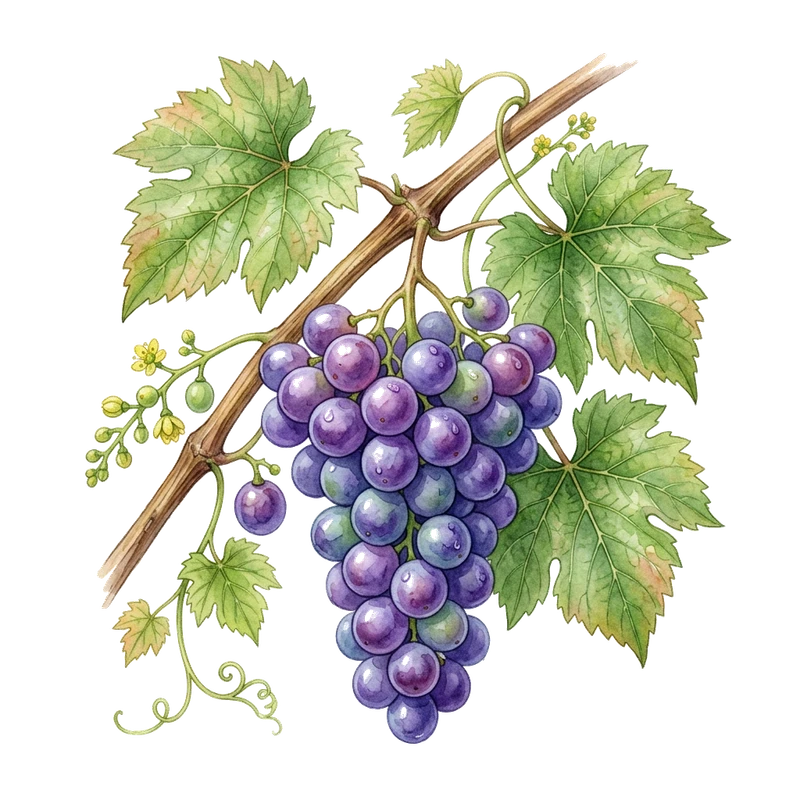
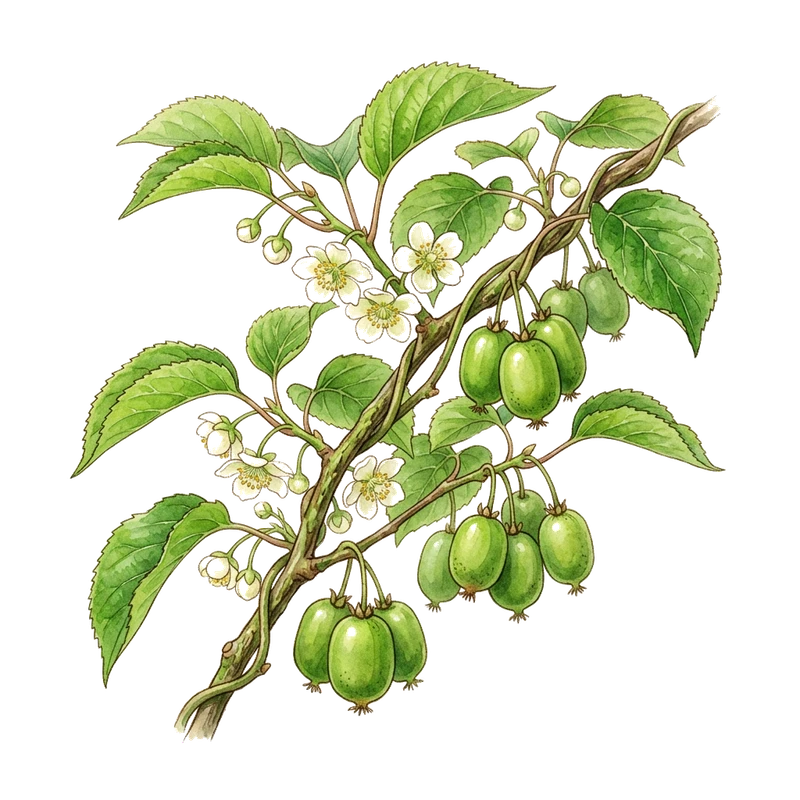
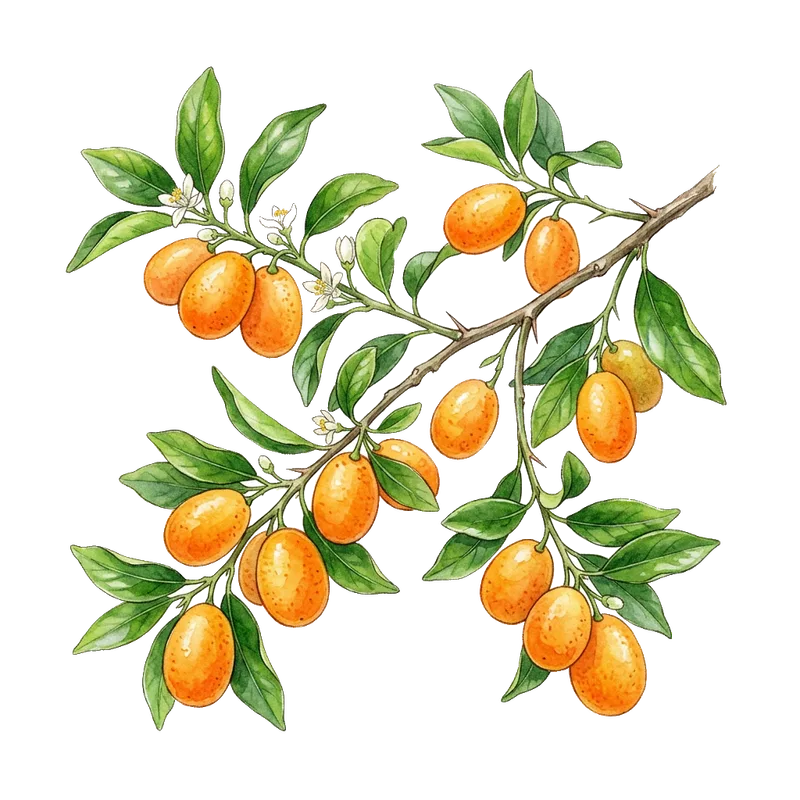
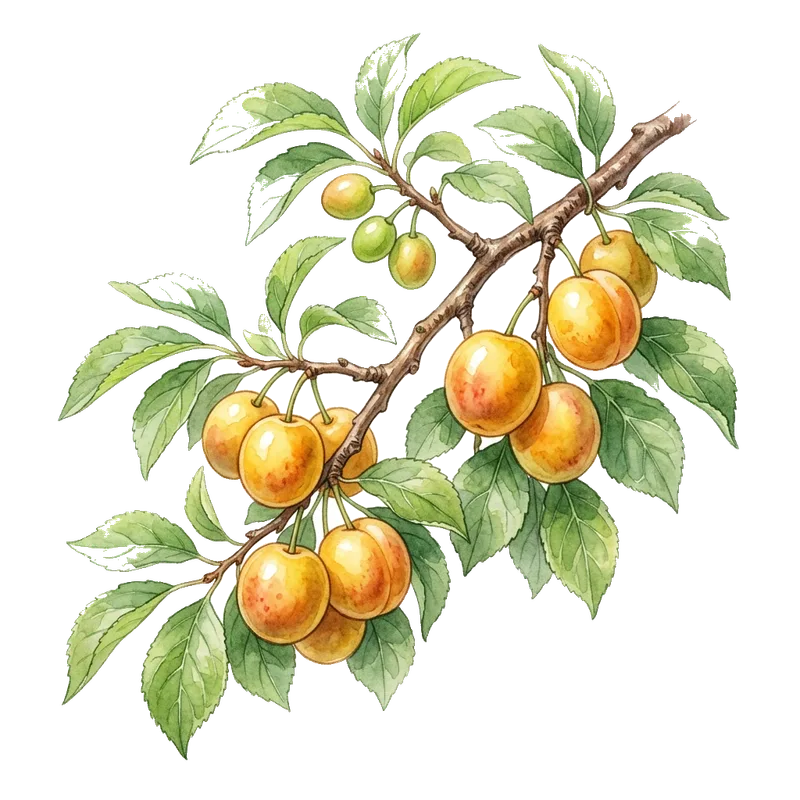
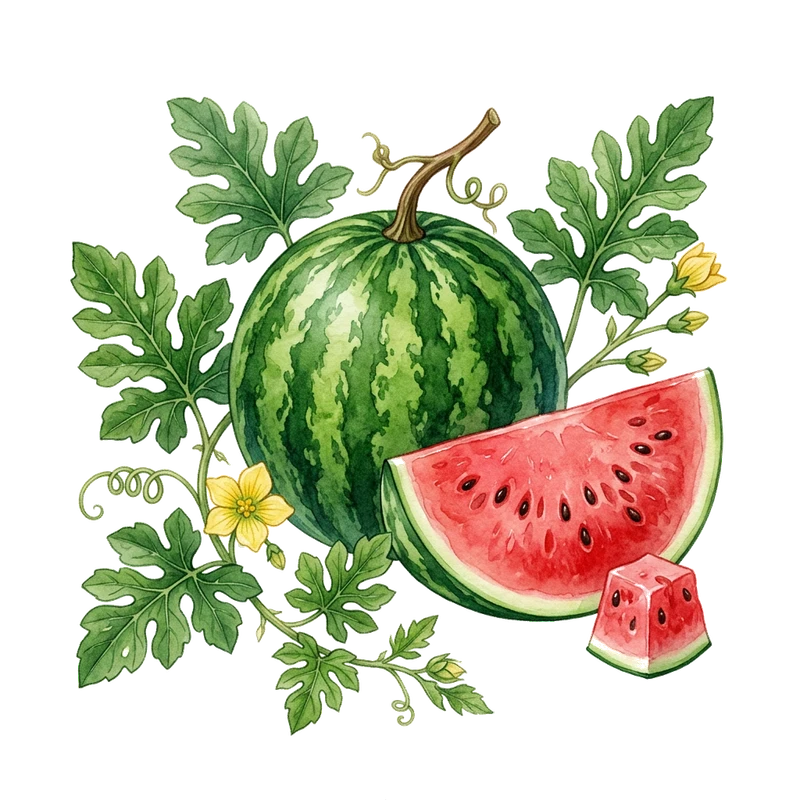
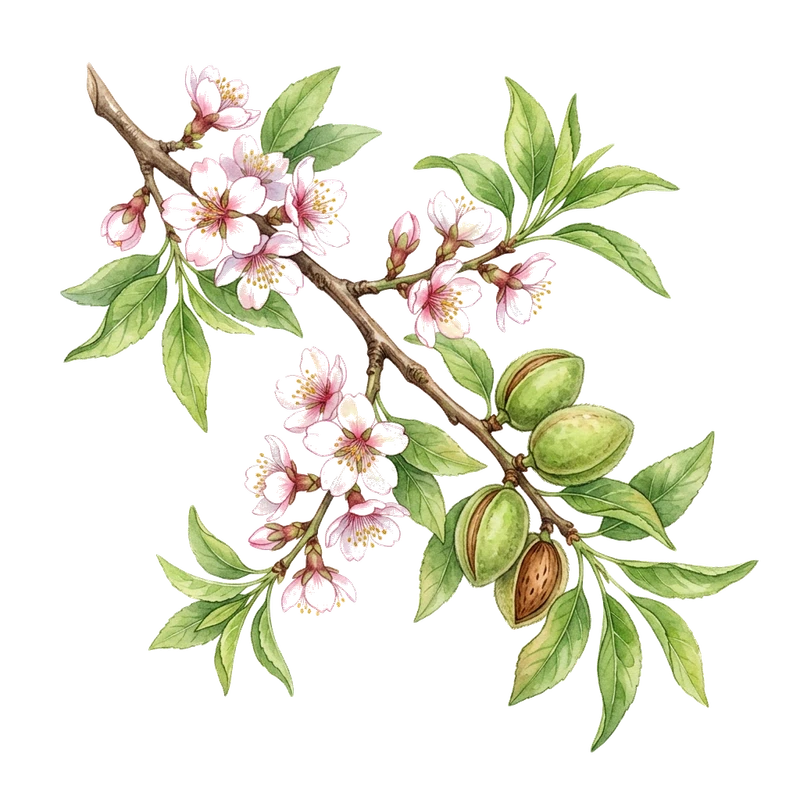
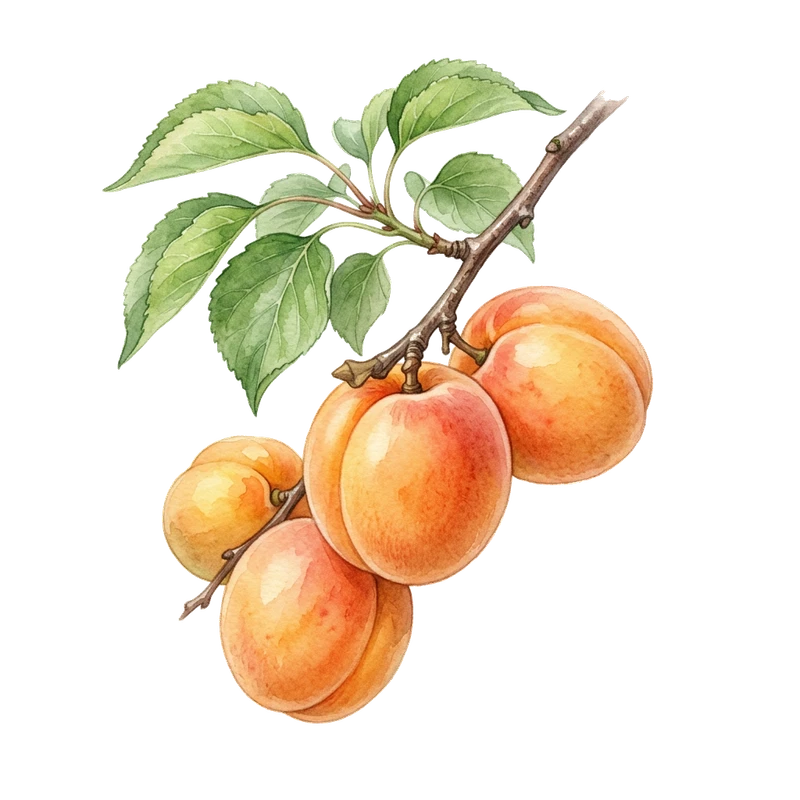
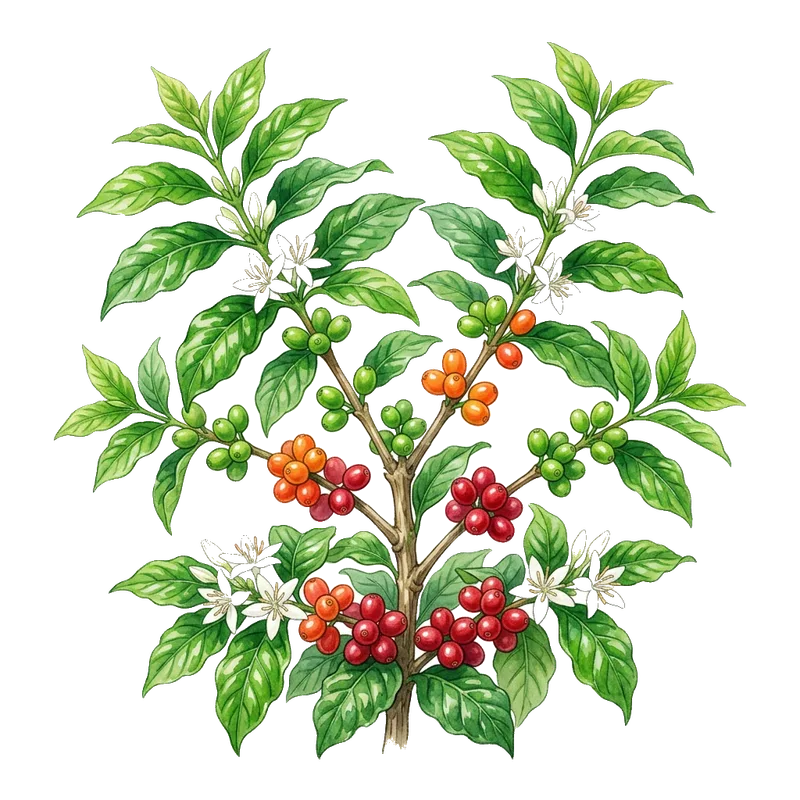
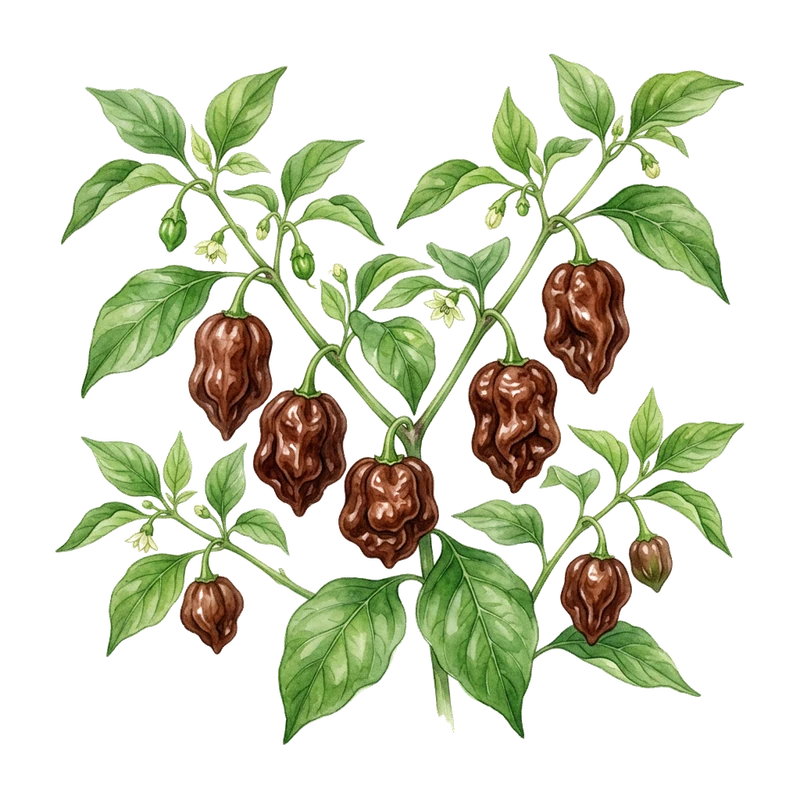
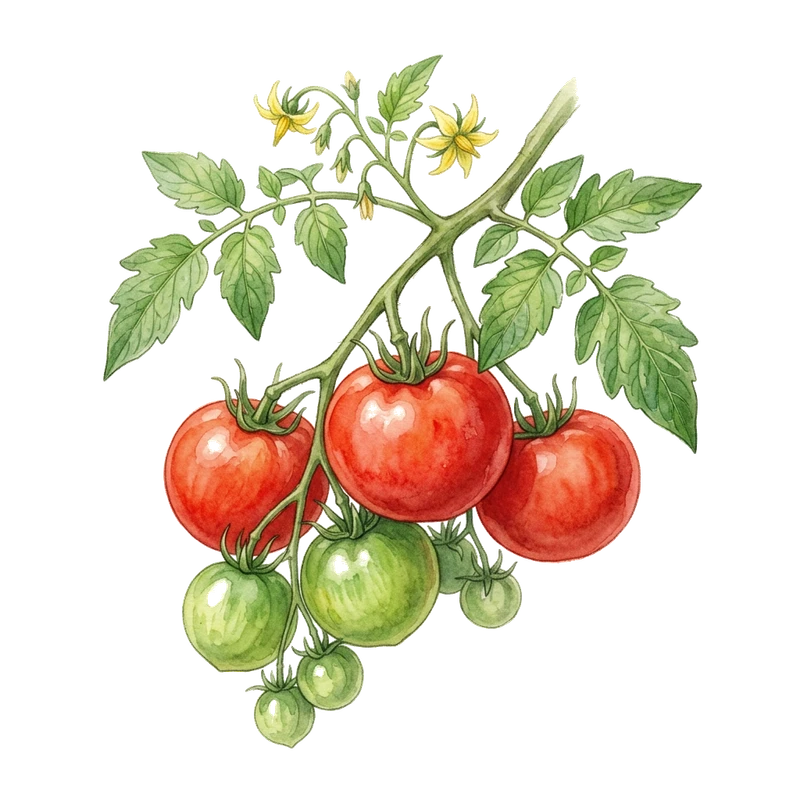
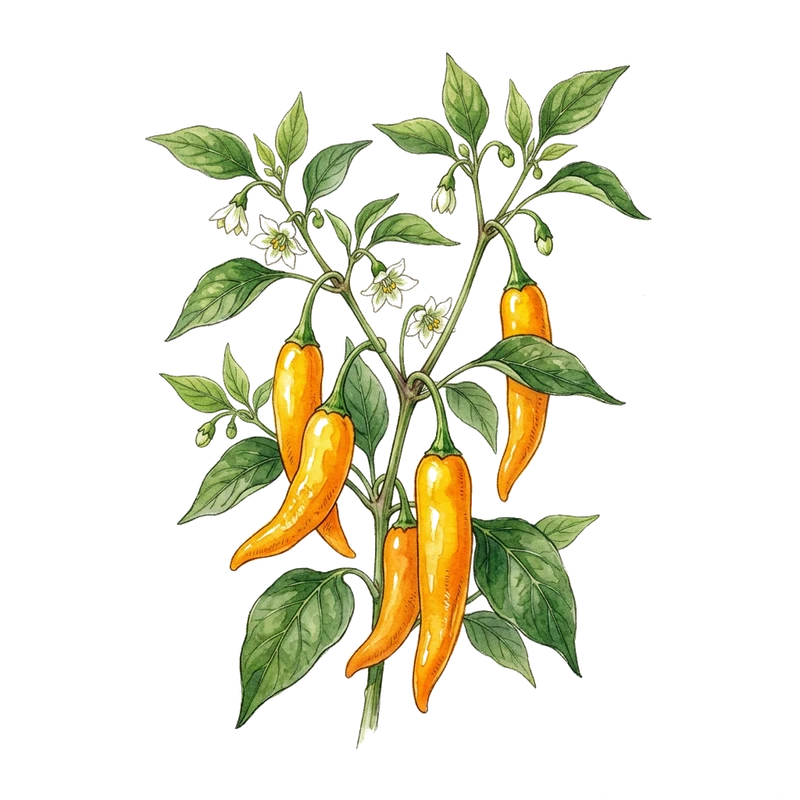
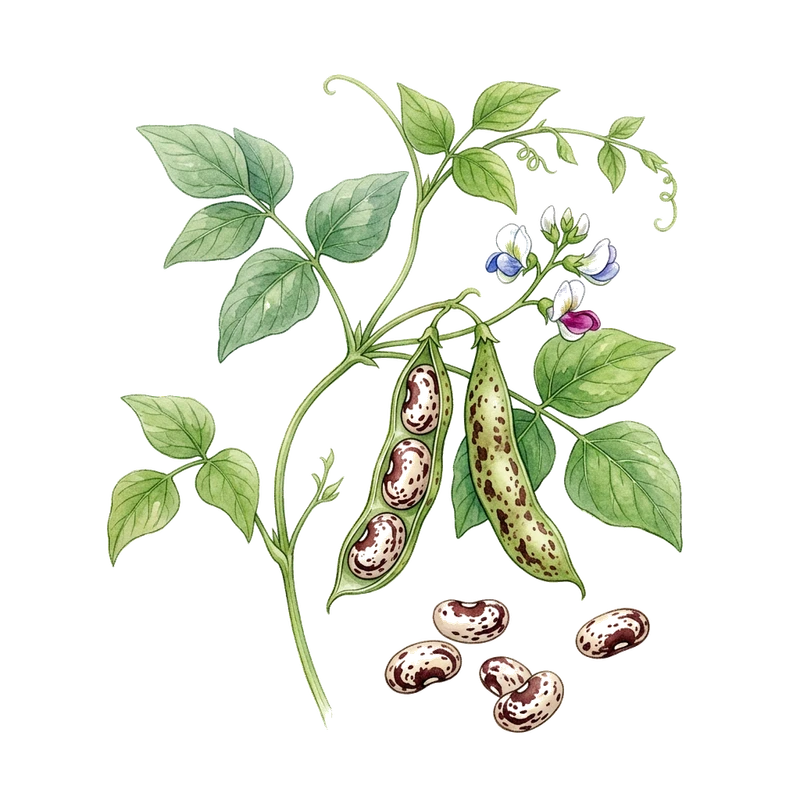
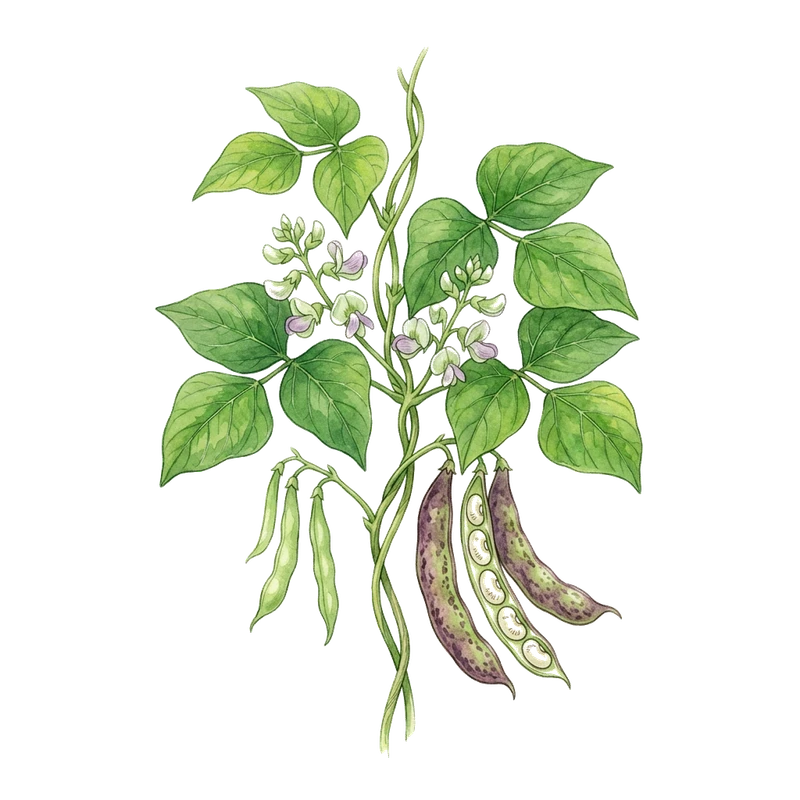
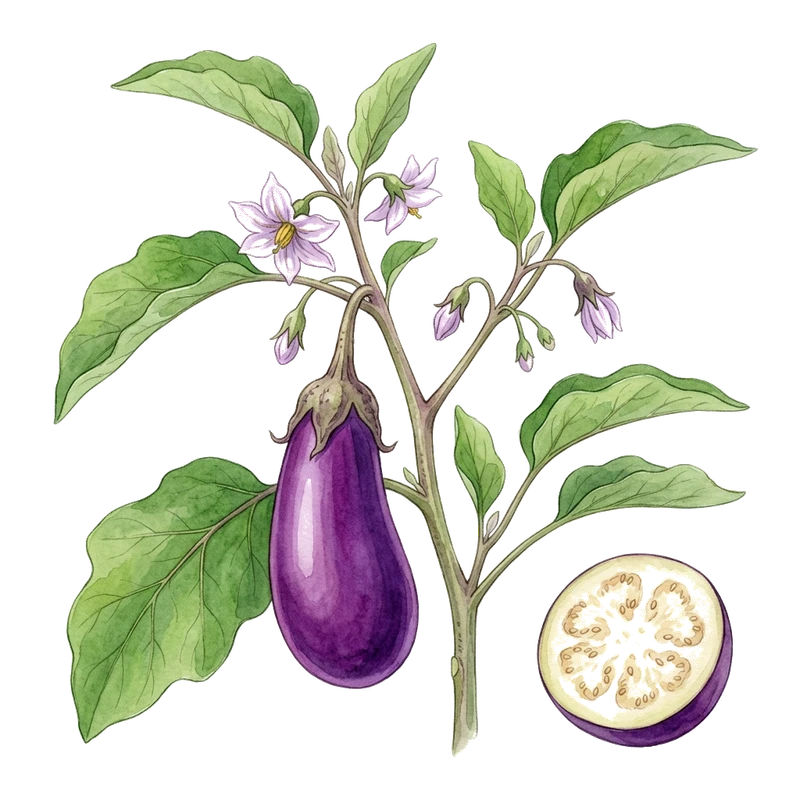
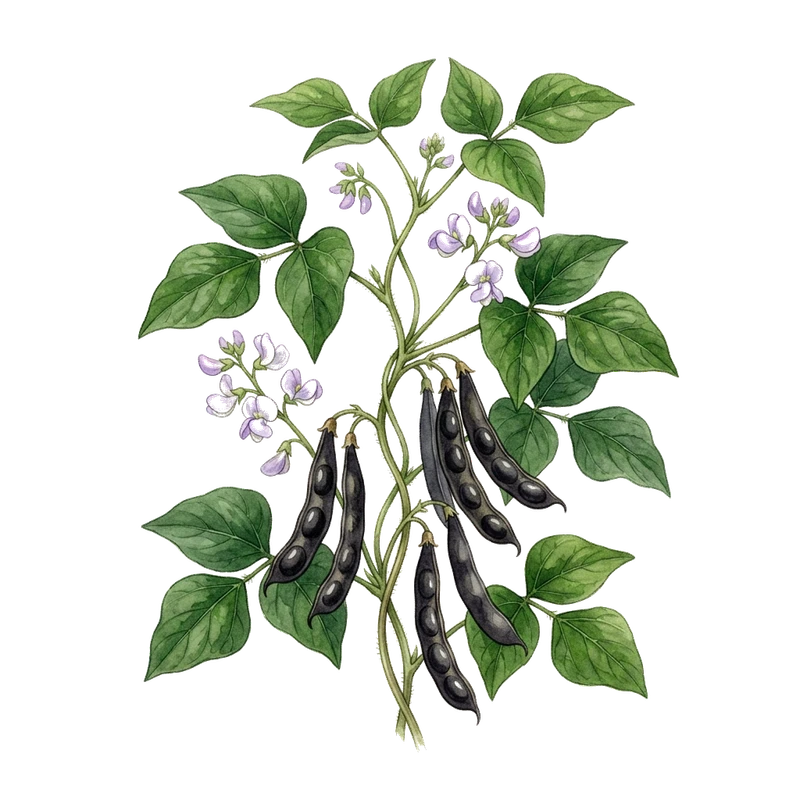
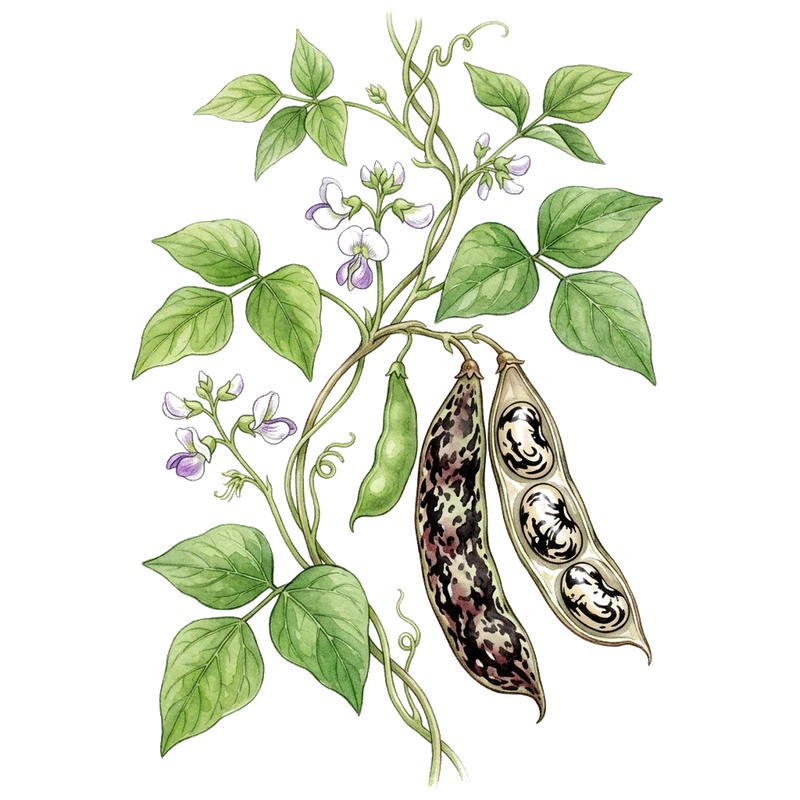
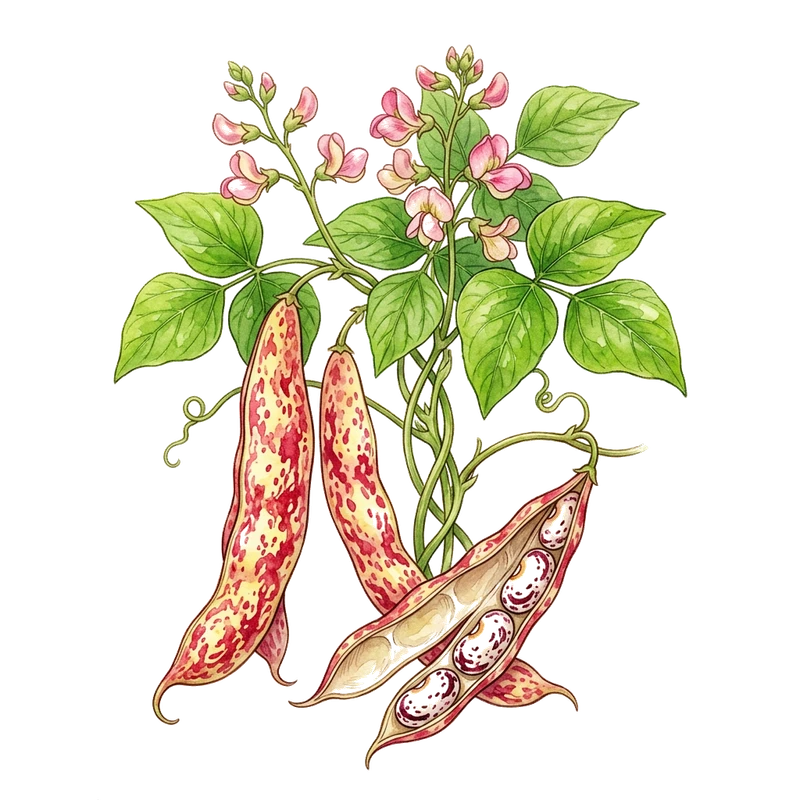
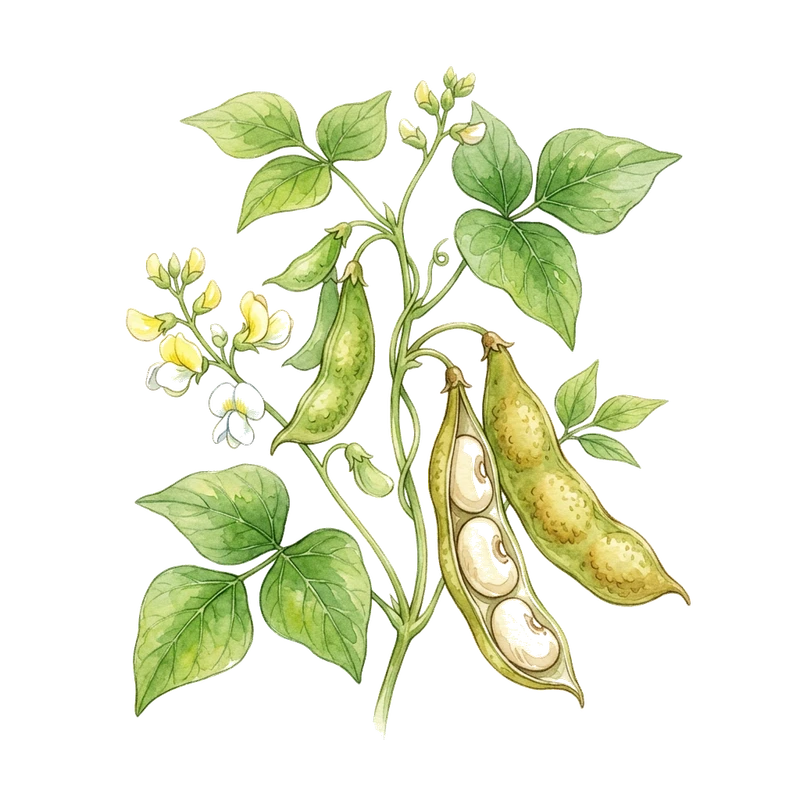
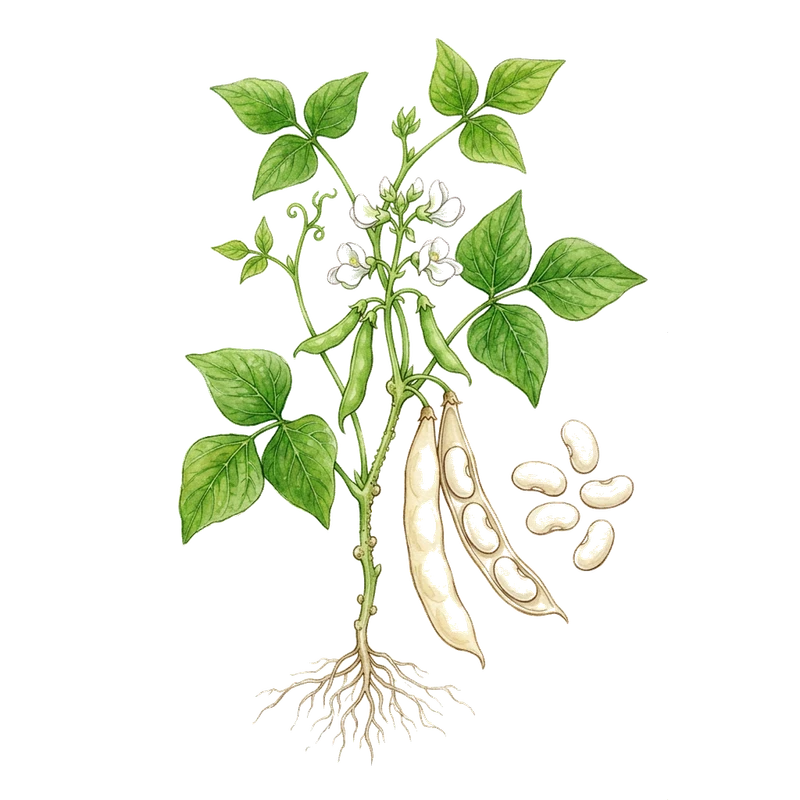
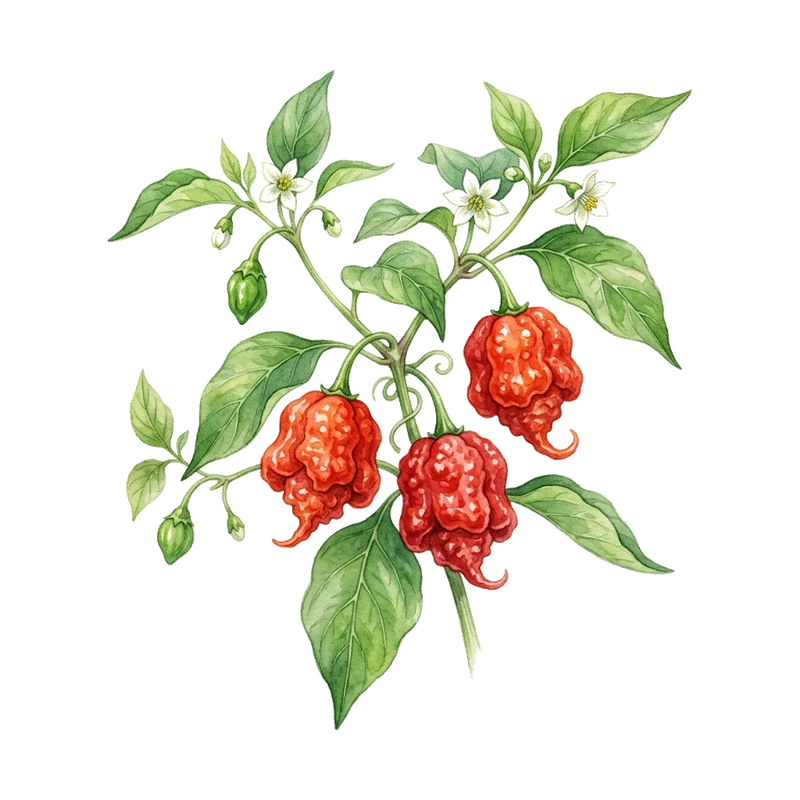
152 plants in our catalog are recorded as prone to Spider mites. Click any of them to see what else it draws in.
What eats them
These are the predators that go after Spider mites. Grow the plants that bring them in and they do the work for you.
Plan a garden that defends itself
Put the host crop and its predator plants in one plan and see when each one flowers.
Organic control
Regular, forceful spraying with plain water is the primary home control and often reduces numbers on its own. Under glass, frequent syringing and higher humidity do the same job.
Fix the irrigation. Water-stressed plants are highly susceptible, so adequate watering is a control measure, not just good practice.
Damp down dusty paths and surrounds at regular intervals — an underused tactic that removes one of the two conditions mites need.
Under glass the predatory mite Phytoseiulus persimilis is the established biological control.
The single most important thing: broad-spectrum insecticide treatments aimed at other pests frequently cause spider mite outbreaks. If mites appeared after you sprayed for something else, that is the likely cause.