Free garden planner — save plants, plan beds, and get sowing reminders for your spot.
Sign up freePotentially invasive
This species can spread aggressively. Check local guidance before planting, and avoid letting it escape into the wild.
Salix babylonica L.
Weeping willow is a large, deciduous landscape tree native to eastern Asia, characterized by its graceful, drooping branches with linear, lanceolate leaves. The tree grows quickly to 30-40 feet tall and wide, with grayish-brown to grayish-black furrowed bark and reddish-brown to yellowish-brown weeping, pendulous stems. It produces male and female catkins on separate trees in spring, with cottony-like seeds ripening in late May to early June.

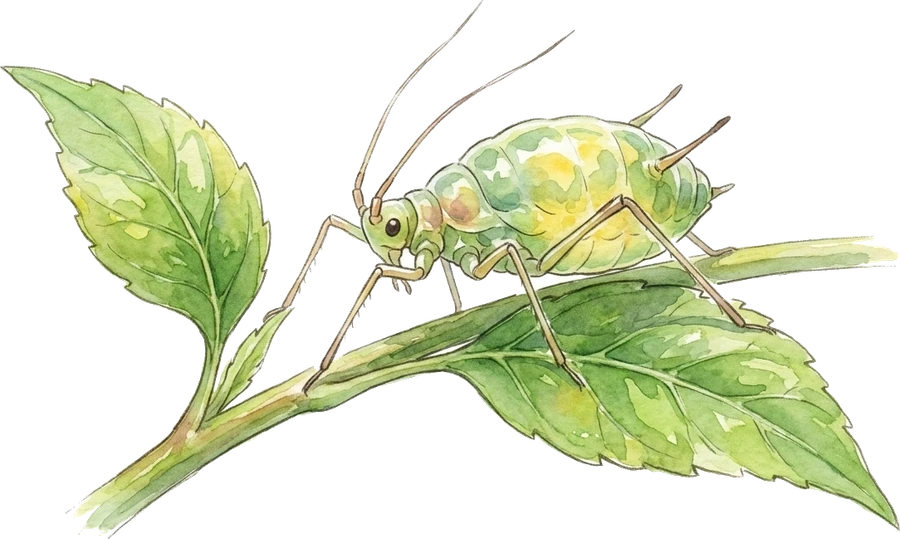
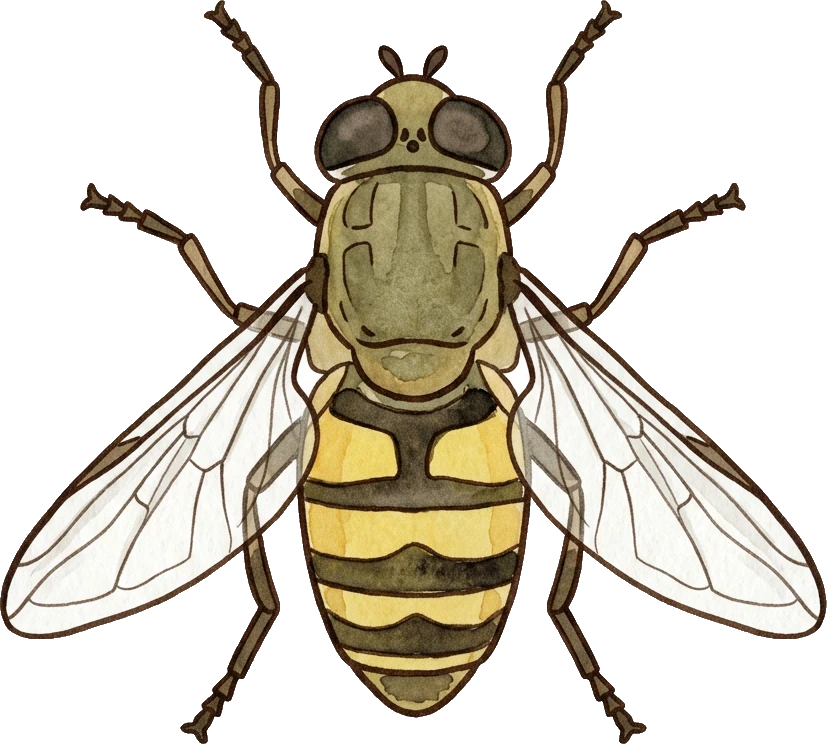
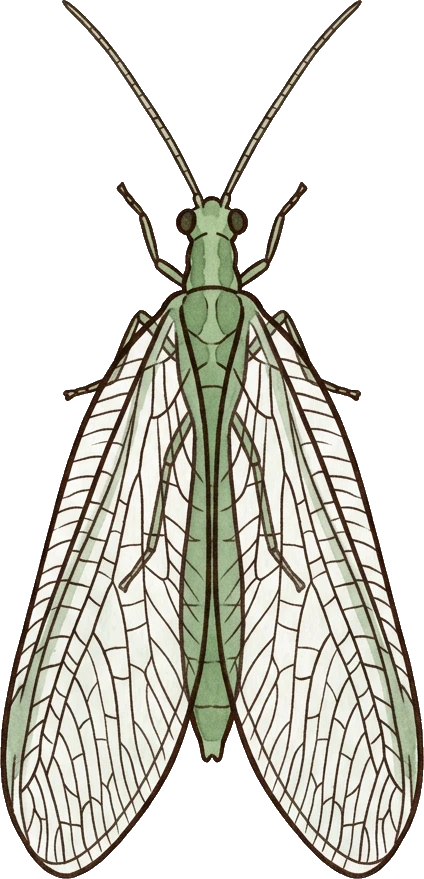
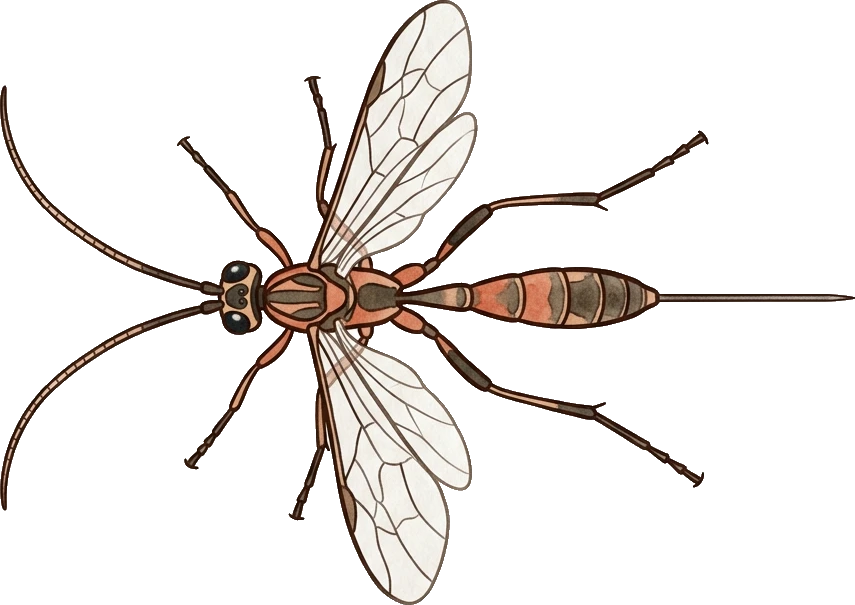
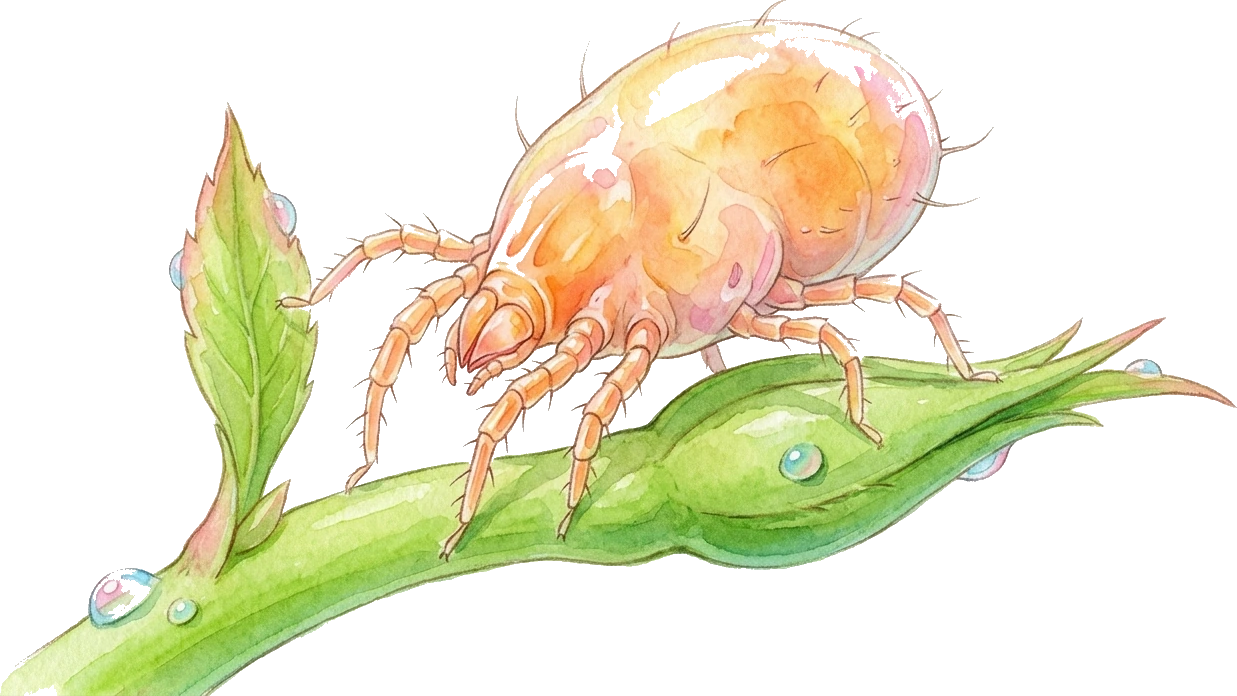
 Attract Hoverflies, Lacewings, Ladybugs, Parasitic wasps, Predatory mites, Minute pirate bugs to keep them in check — plant African MarigoldGreat, French MarigoldGreat and CosmosGood nearby.
Grow: Full sun
Water: High · Height: 1200 cm · Soil: Very moist, acidic to alkaline soils preferred

Prunus domestica subsp. syriaca (Borkh.) Janch.
fruit

Shares Weeping willow's vulnerability to aphids — same companion strategies apply

Prunus persica var. nucipersica
fruitThrives in the same full sun conditions as Weeping willow

Pyrus communis
tree
Same aphids challenge as Weeping willow — similar protective companions help

Phlox paniculata
flowerThrives in the same full sun conditions as Weeping willow
These three thrive alongside Weeping willow — and alongside each other.