
Hoverflies
Syrphidae
The adults only drink nectar. It is the larvae that eat the aphids.

What they are and what they do
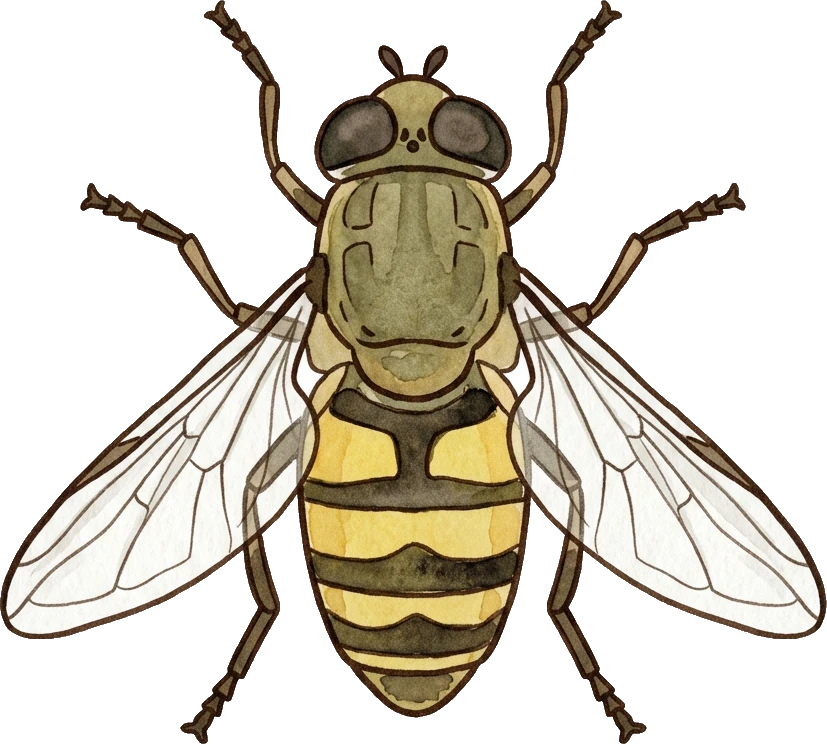
Adult hoverflies are not predators. They feed on honeydew, nectar, pollen and water, and the females need that food before they can lay viable eggs — which is why a garden with nothing in flower gets no hoverfly larvae, however many adults drift through it.
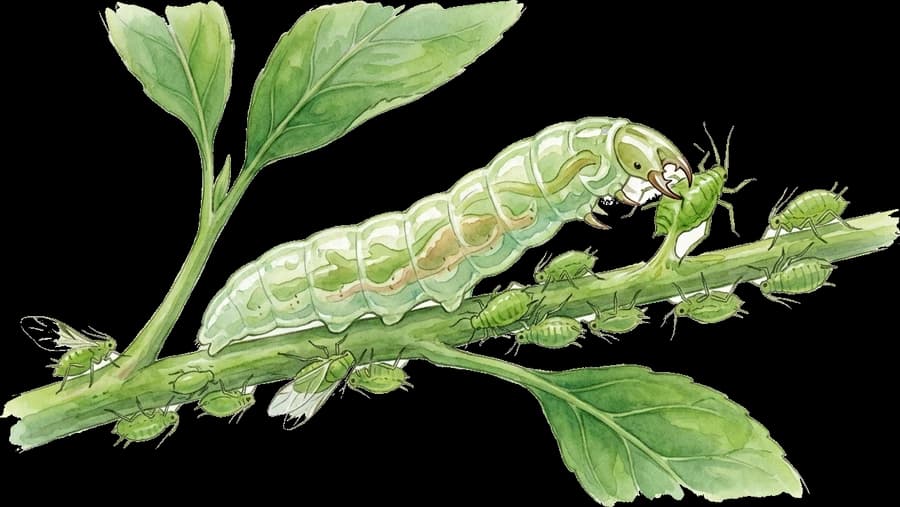
The larva does the hunting. It is a legless, flattened maggot up to about 12 mm long that tapers towards the head, and it works through mostly slow, soft-bodied prey — aphids above all, plus mealybugs. UC IPM puts the tally at roughly 100 to 400 aphids per aphid-feeding larva before it pupates, varying with the size of the fly against the size of the aphids.
Most adults are wasp or bee mimics, hovering in one spot on clear wings. Worth knowing: not every hoverfly is an aphid predator. The RHS puts it at about 40% of British species feeding on aphids as larvae; the rest develop in decaying matter or water.
Pests they keep in check
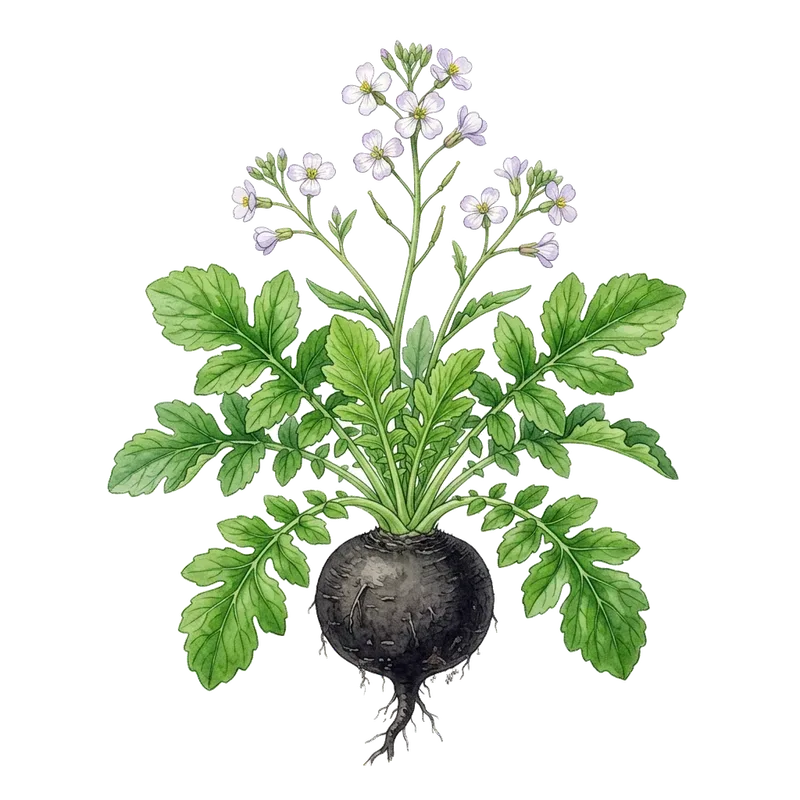
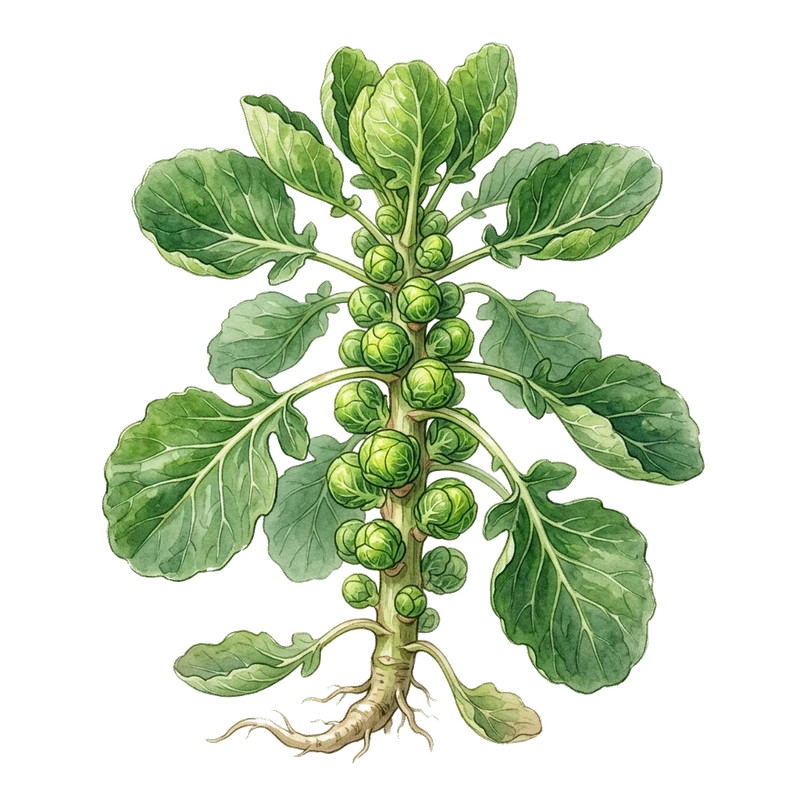
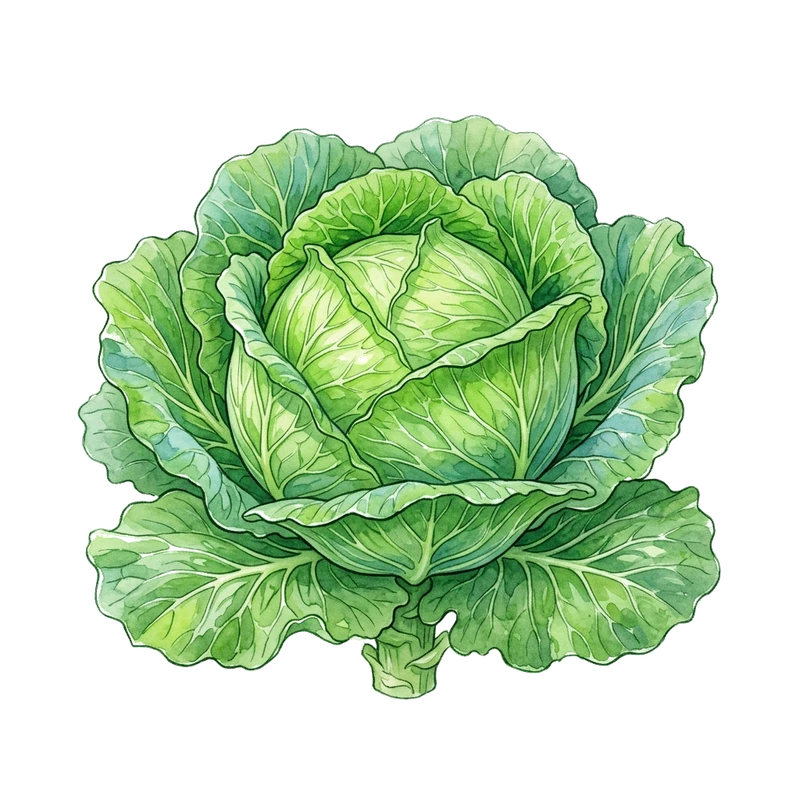
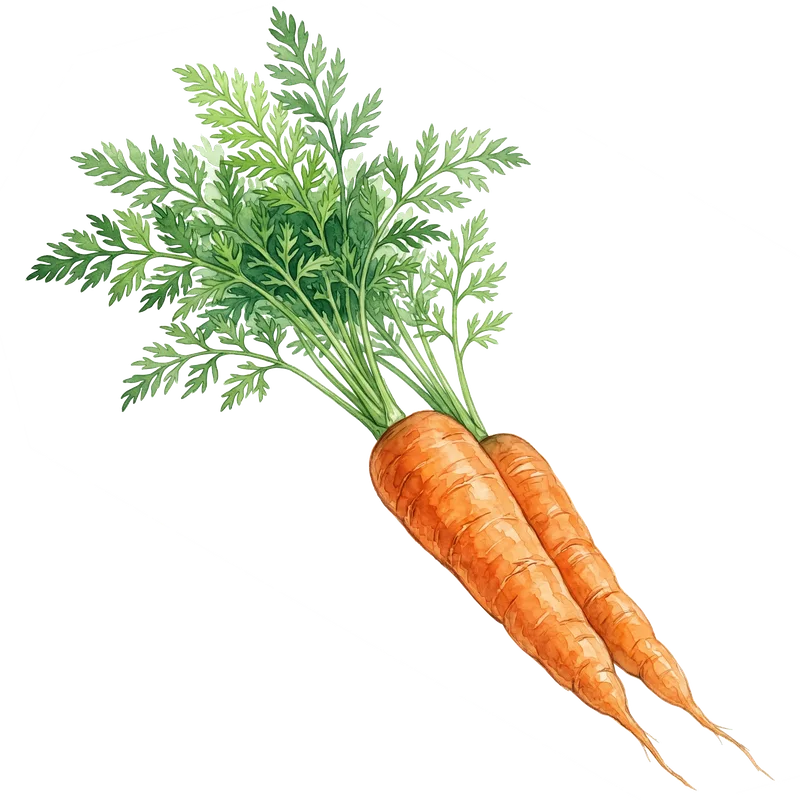
- 537 plants in our catalog are prone to it
- 148 plants in our catalog are prone to it
Plan a garden that feeds them
Drop these plants into a plan and see how the season lines up — the predators need their food and their cover in place before the pests arrive.
Plants that attract Hoverflies
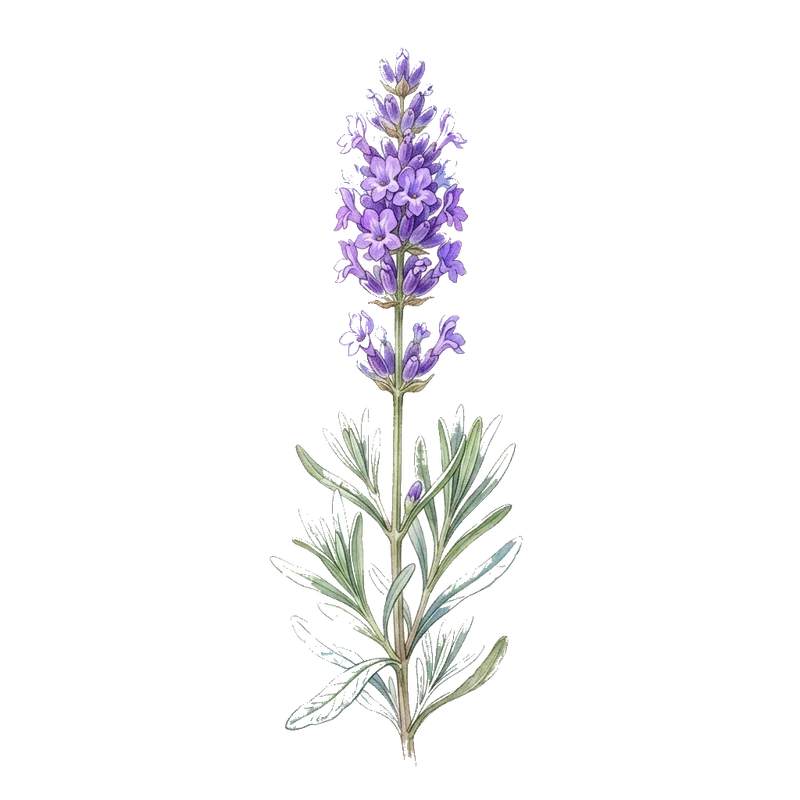
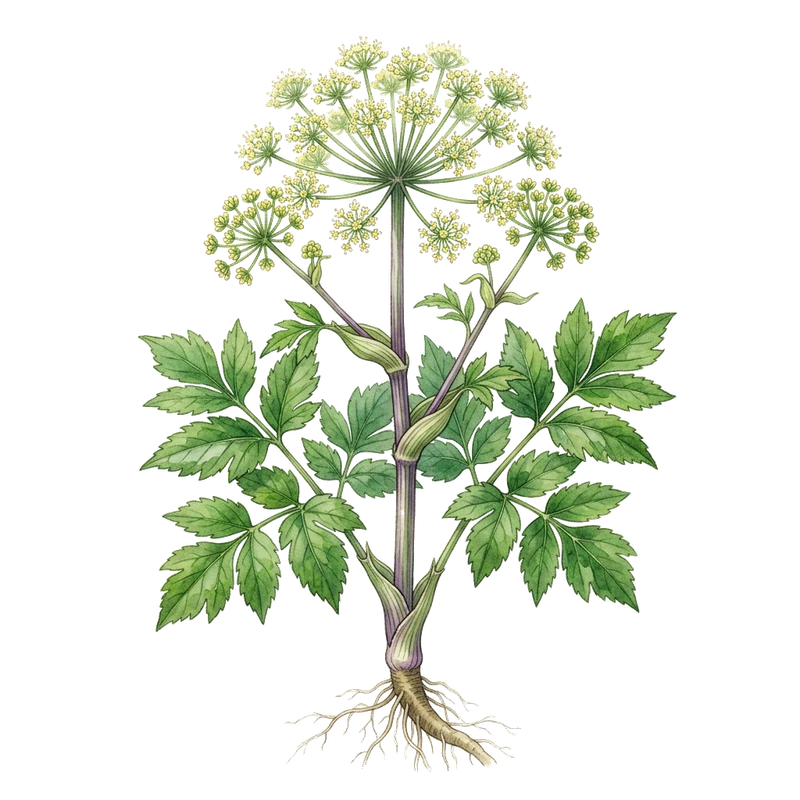
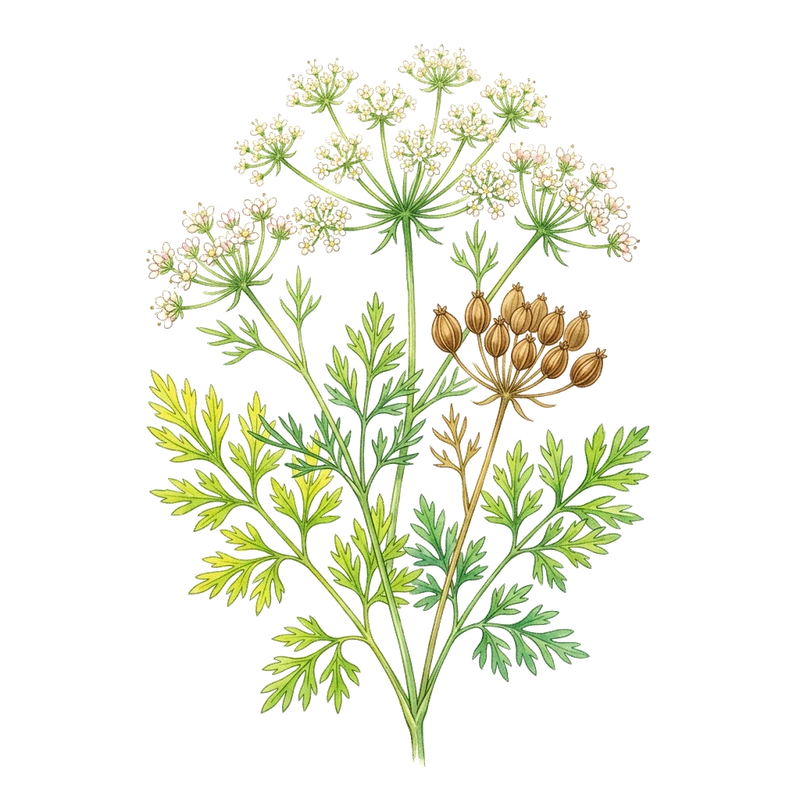
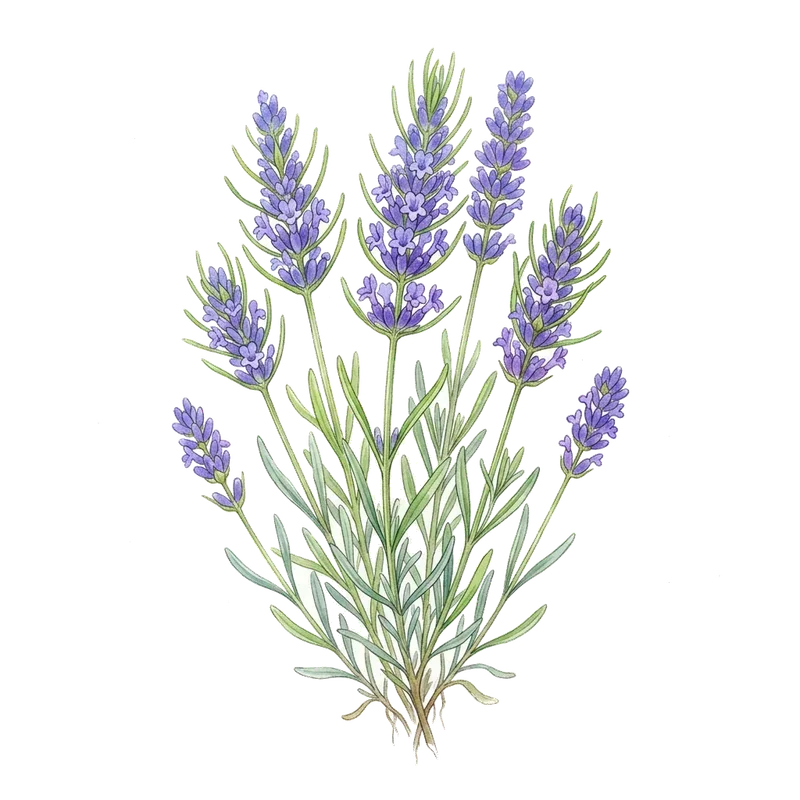
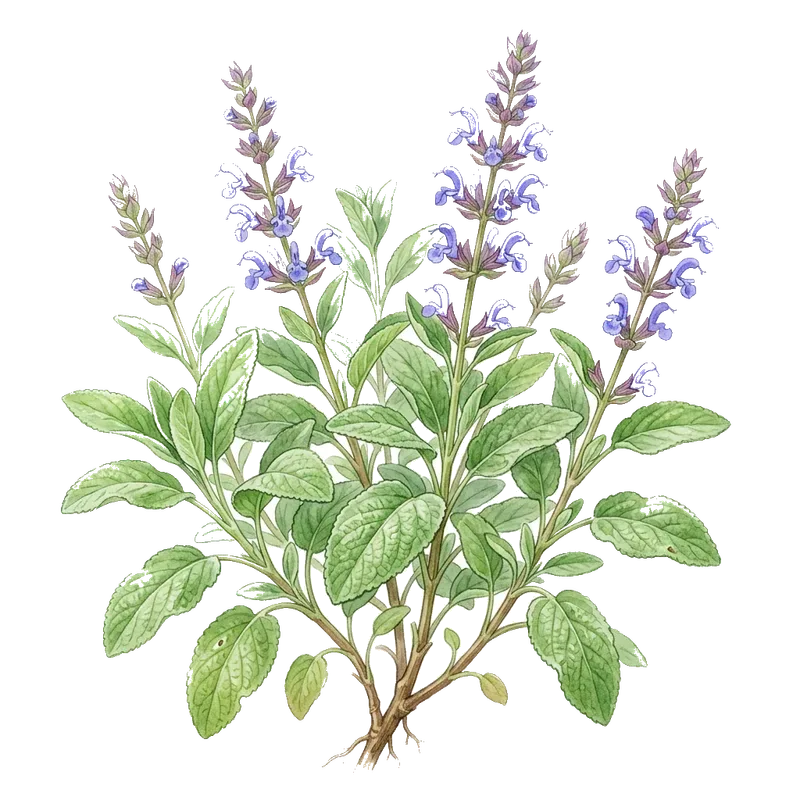
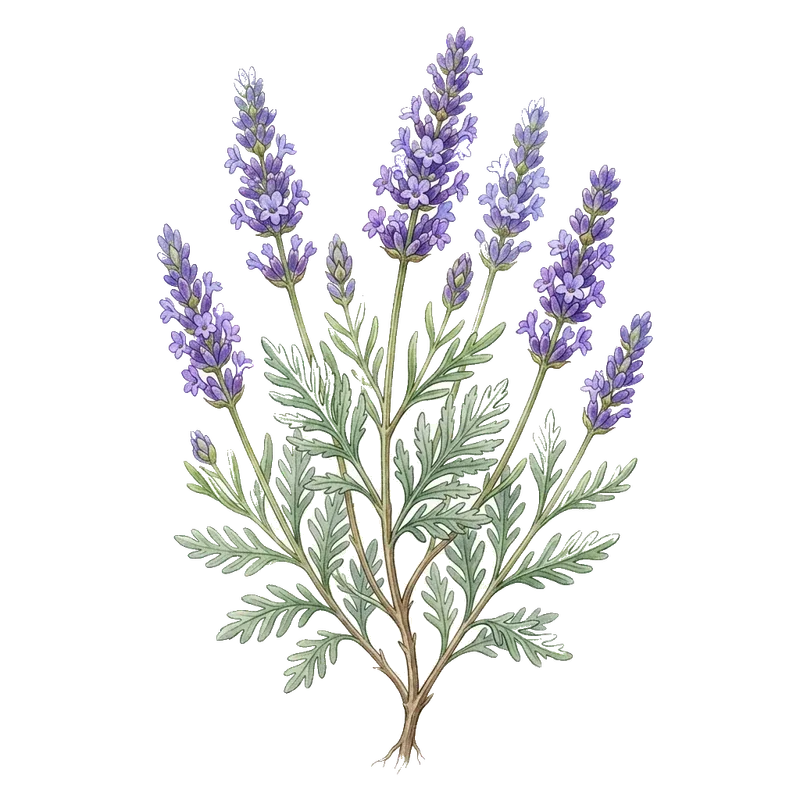
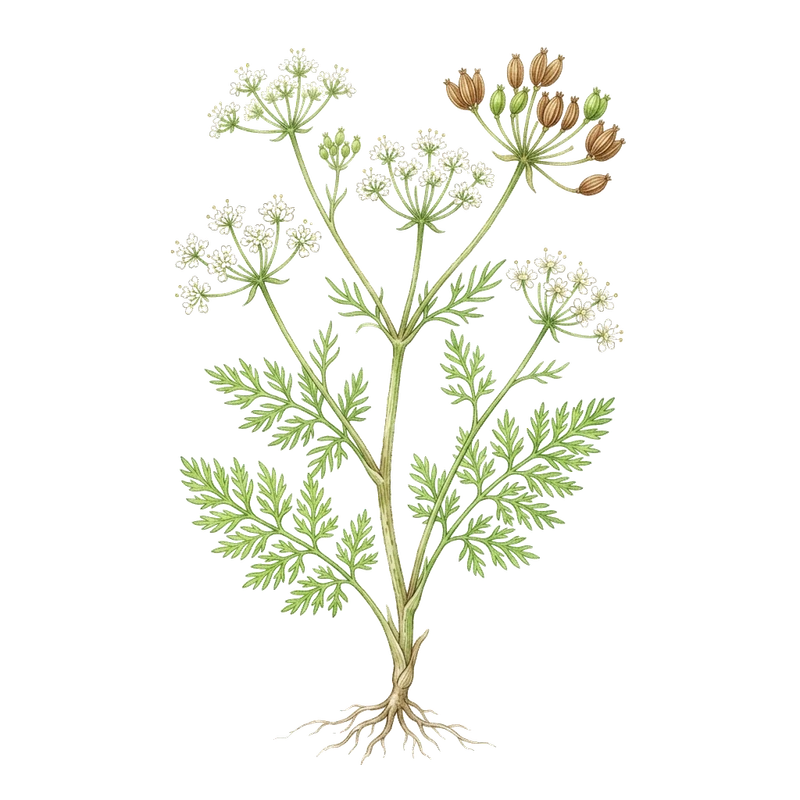
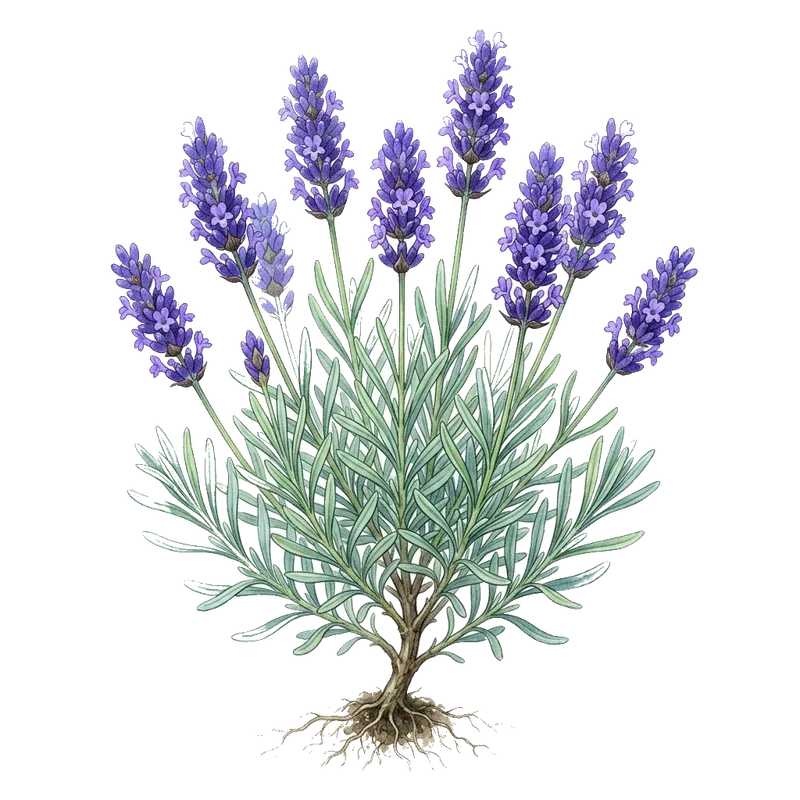
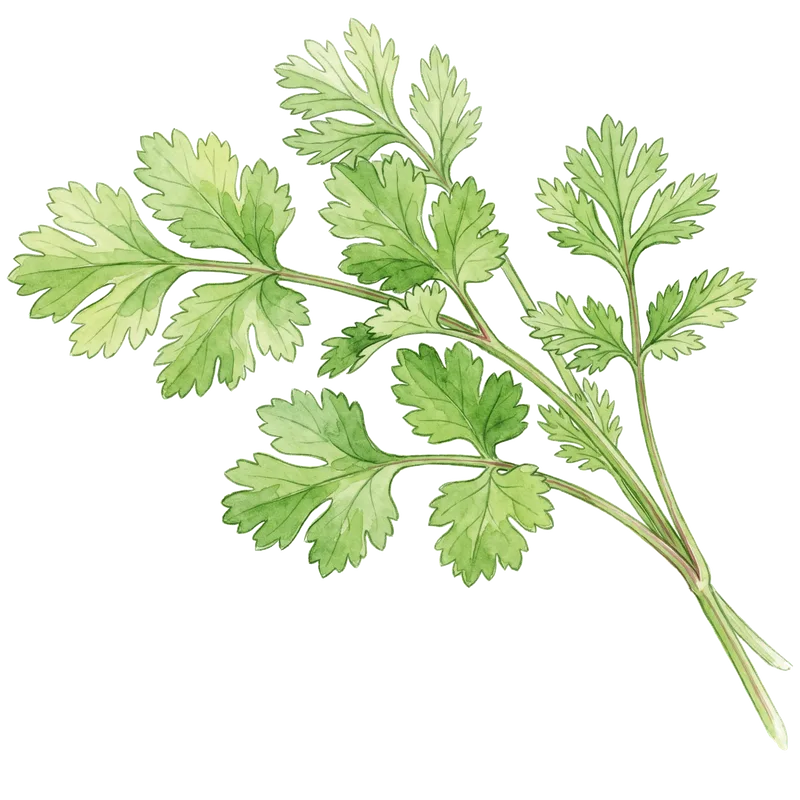
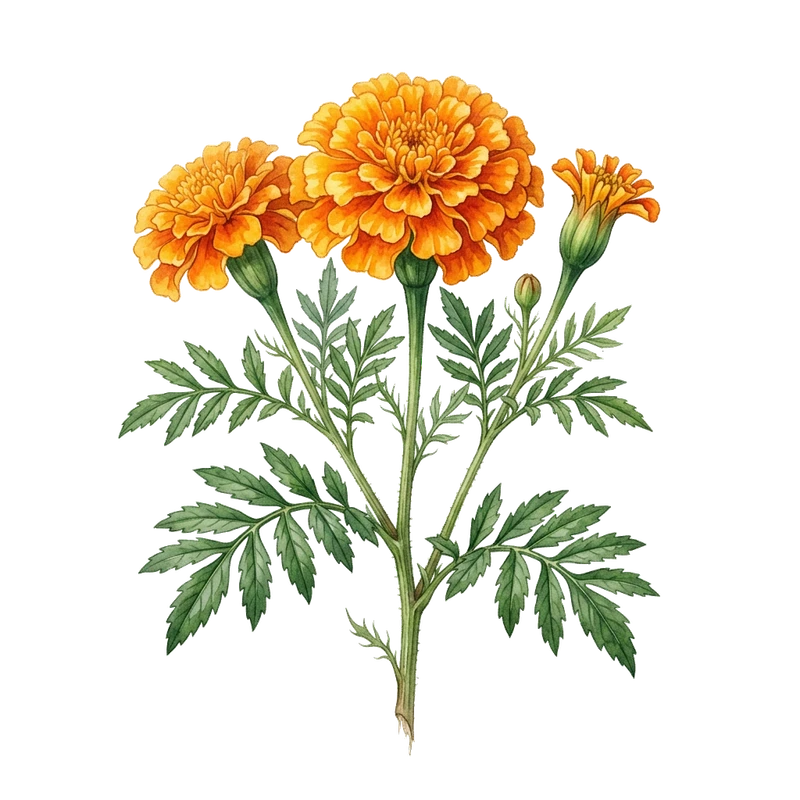
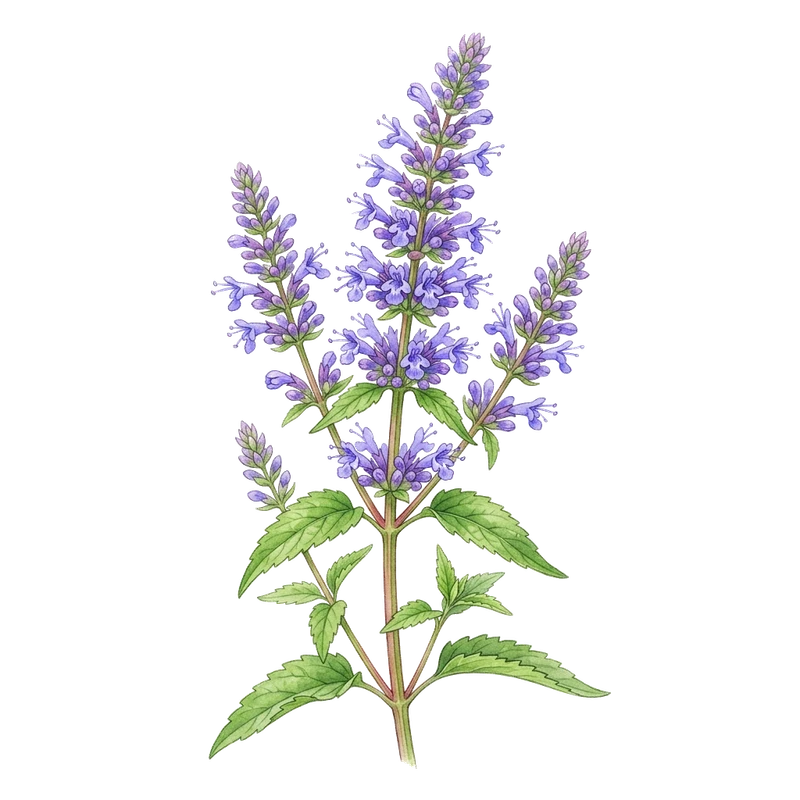
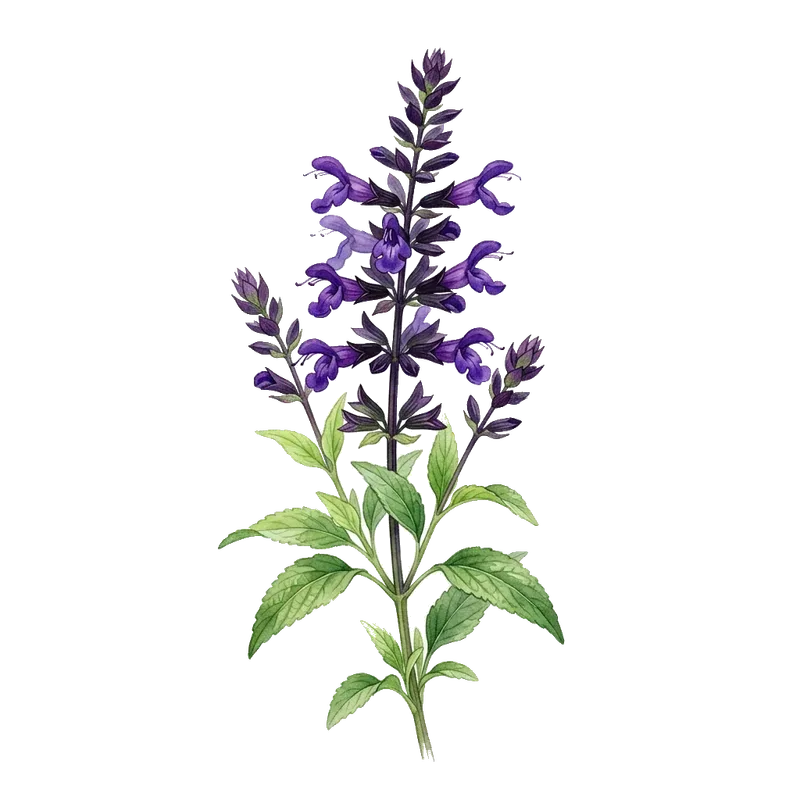
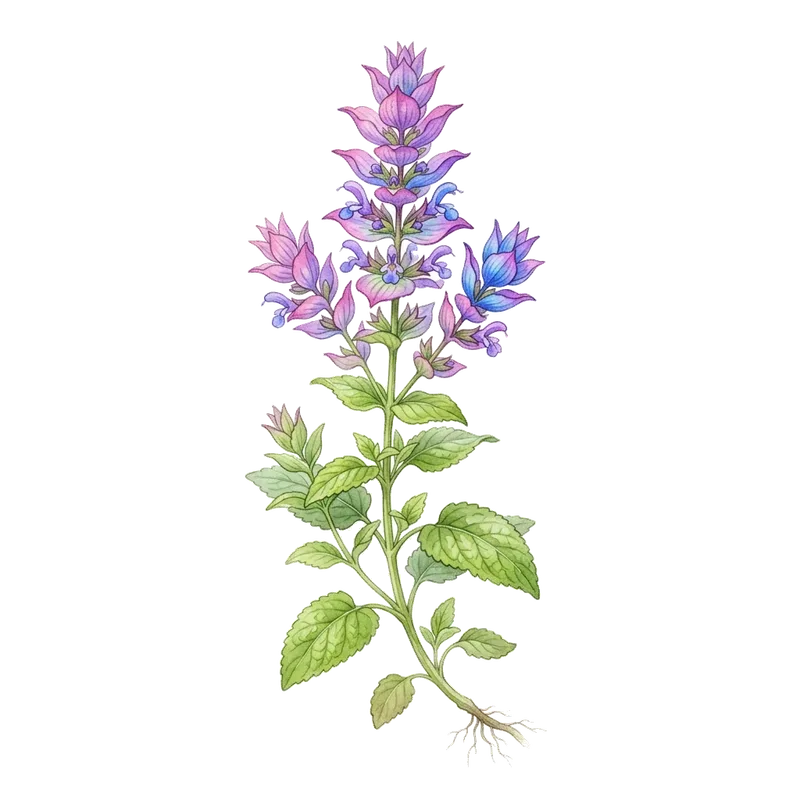
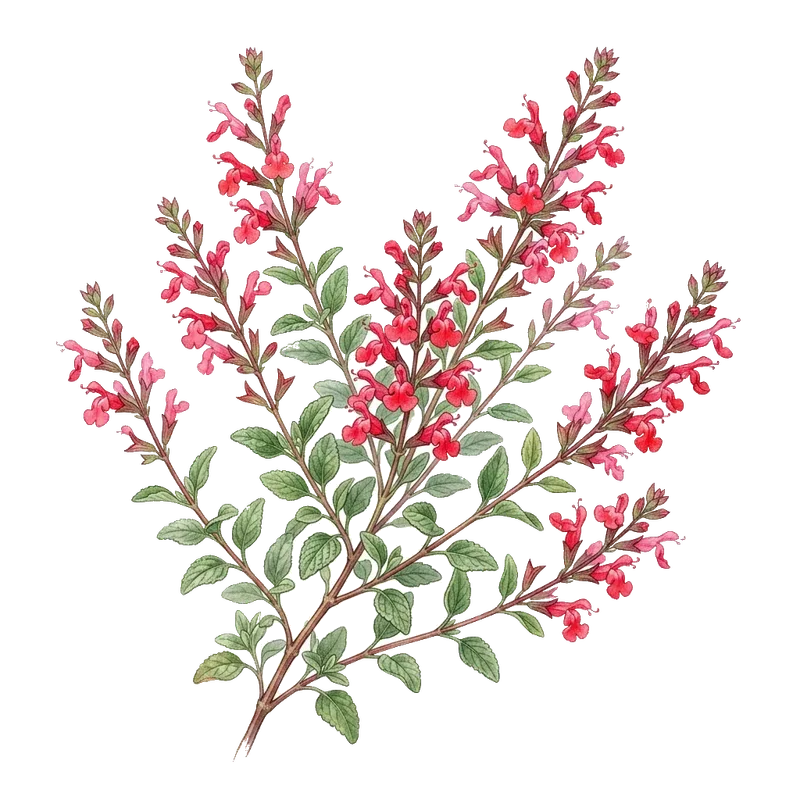
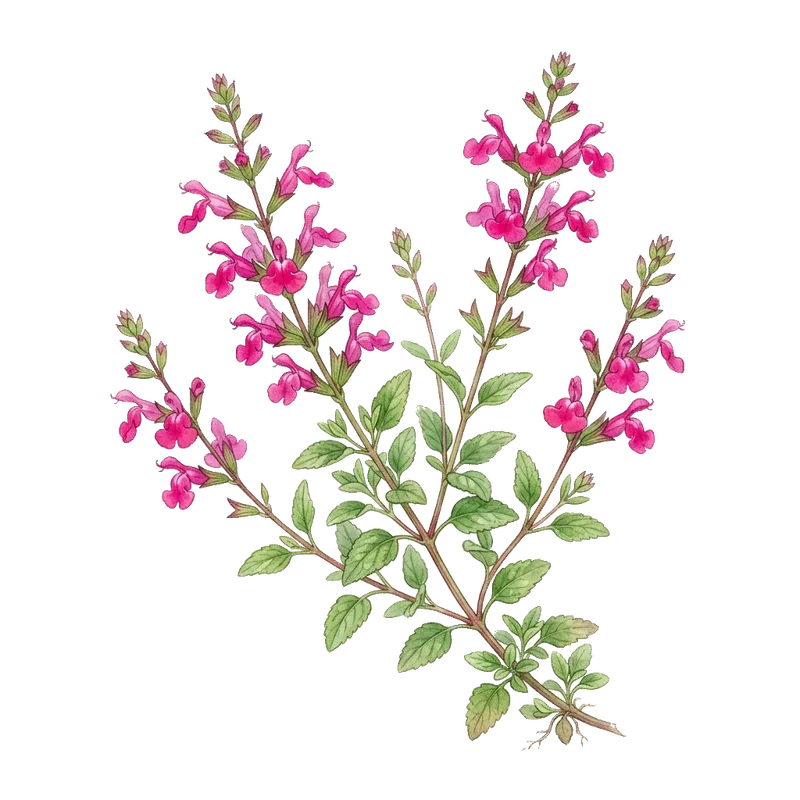
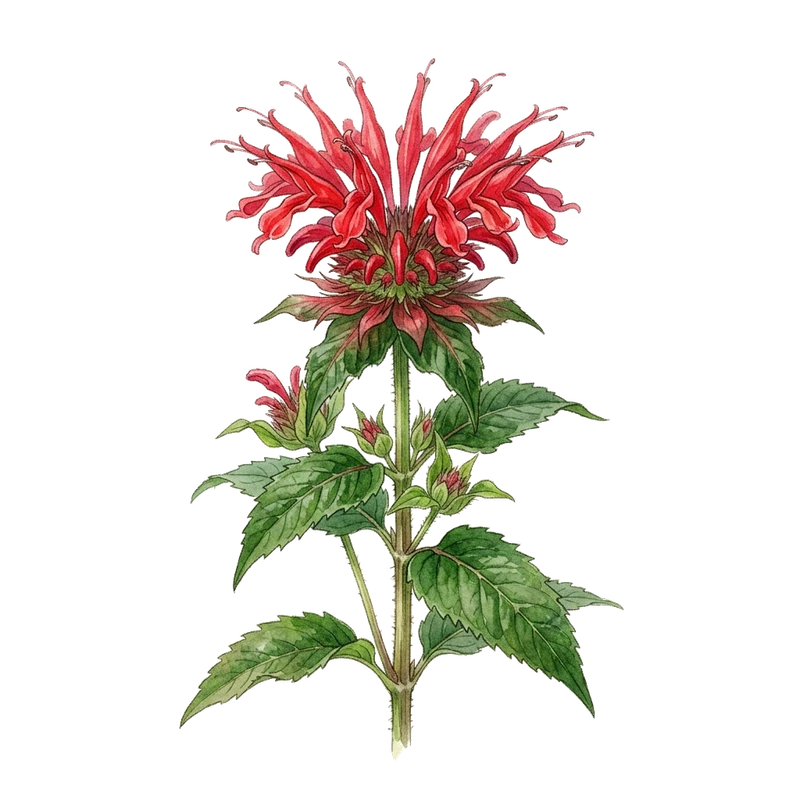
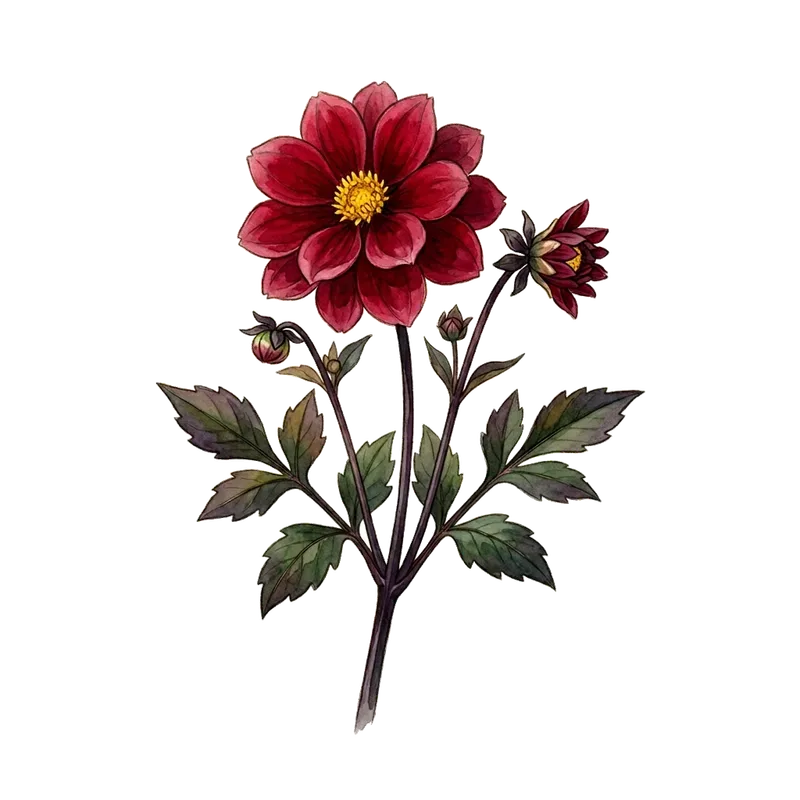
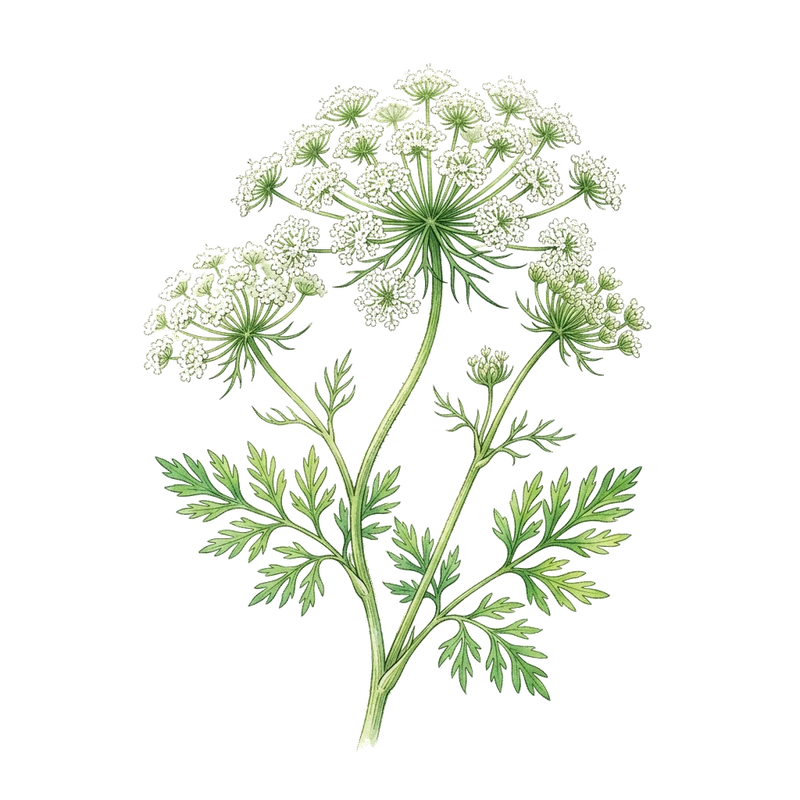
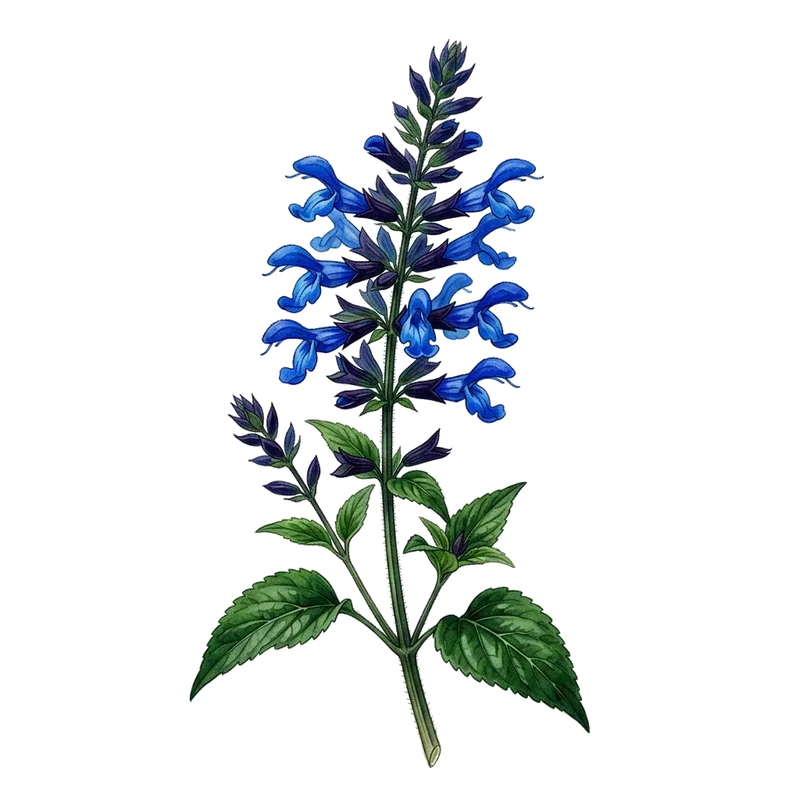
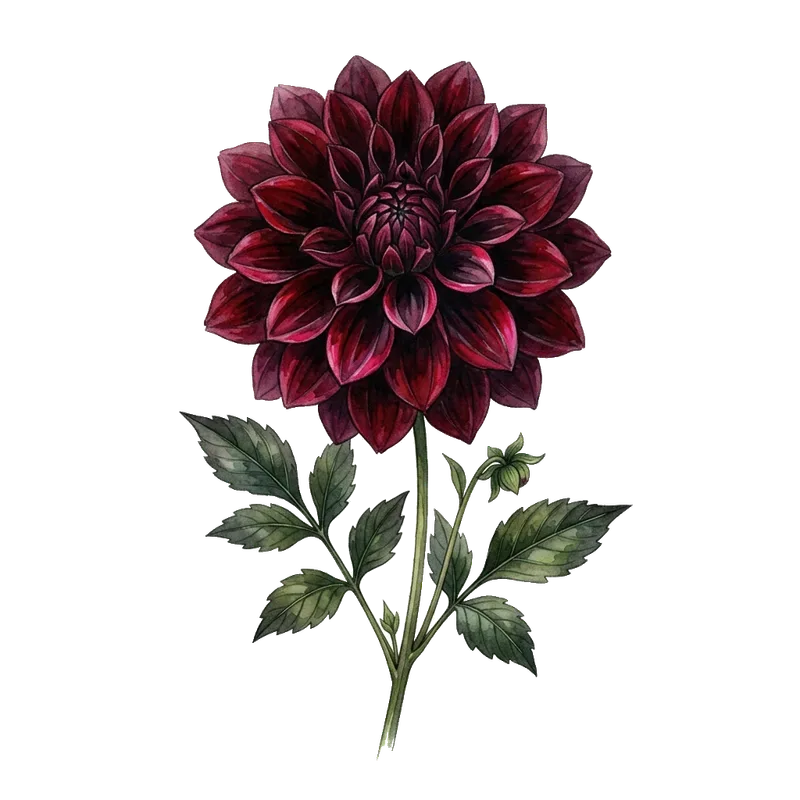
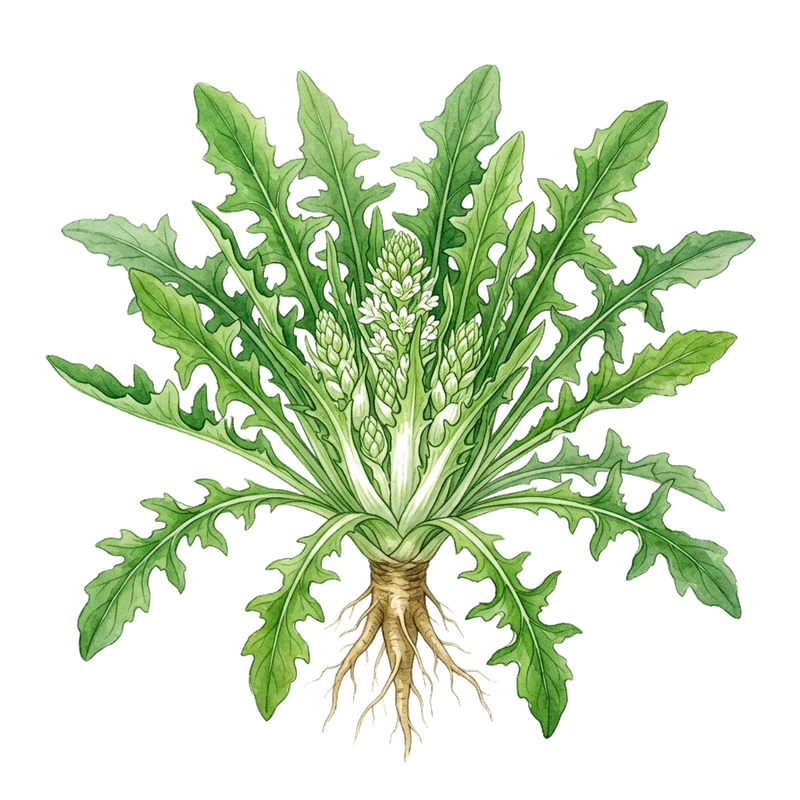
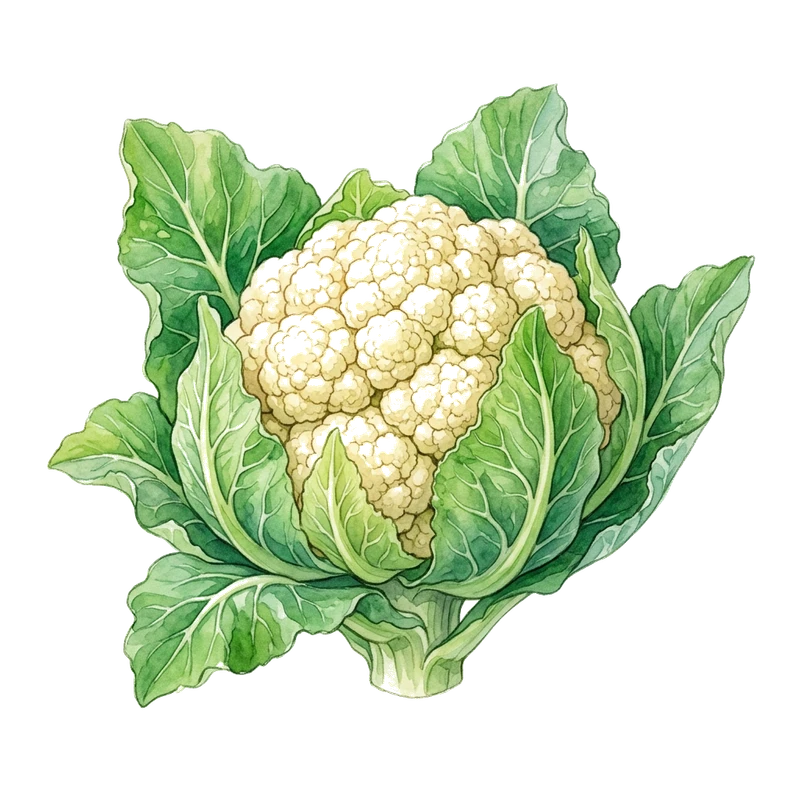
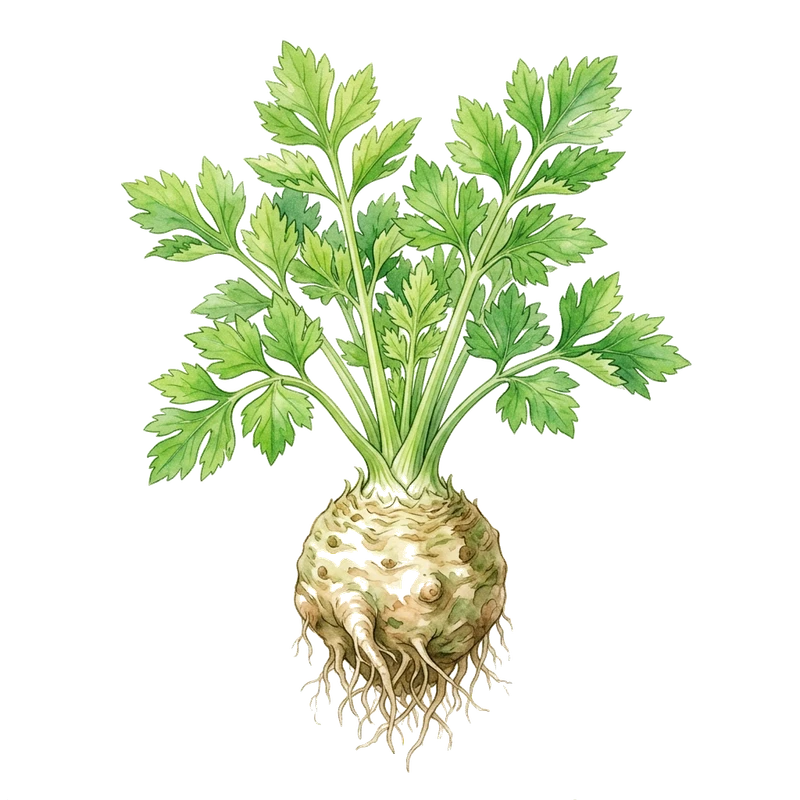
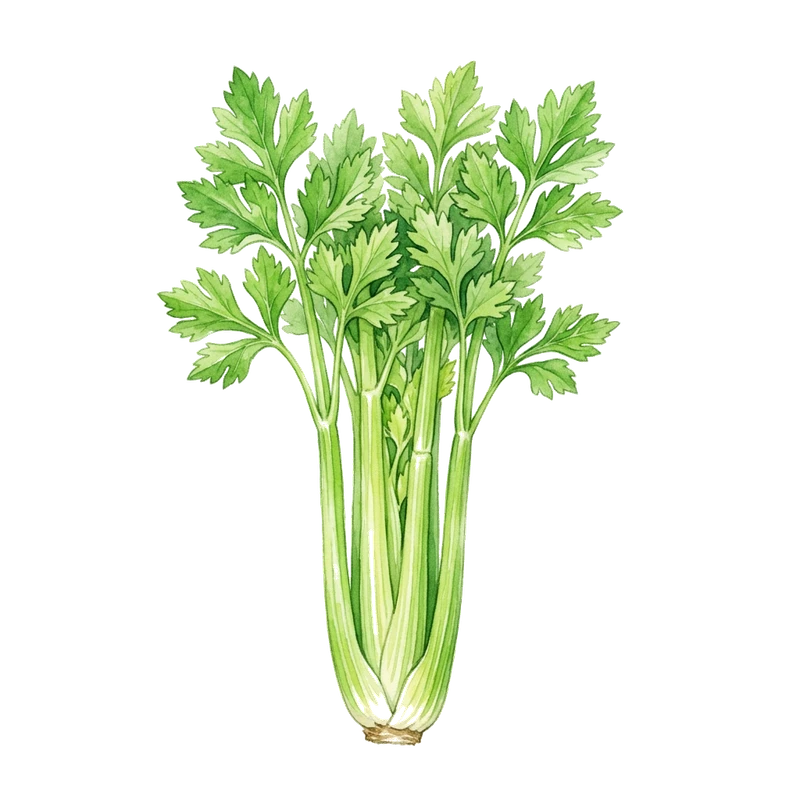
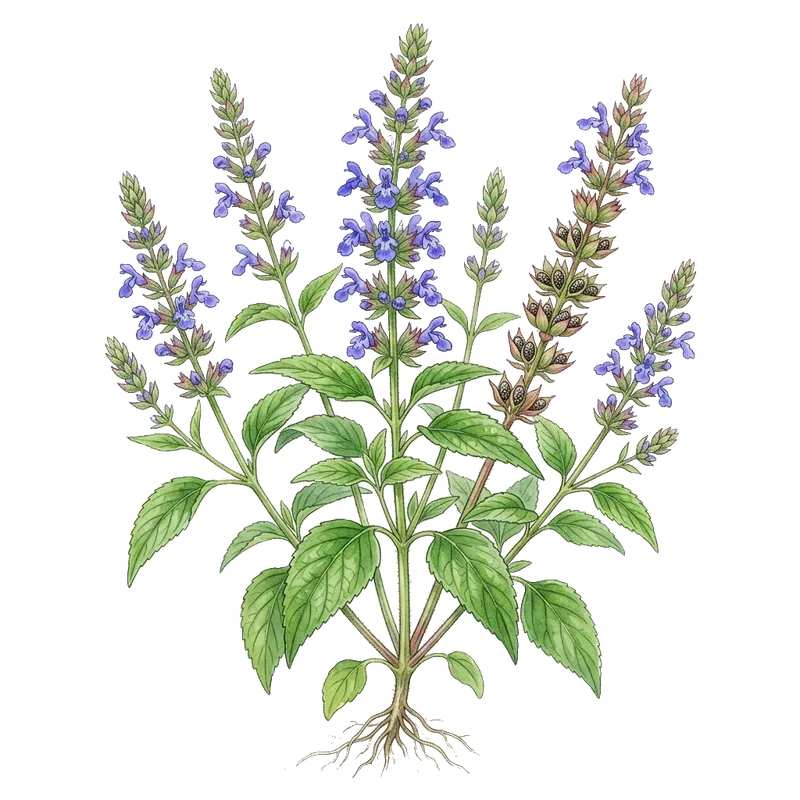
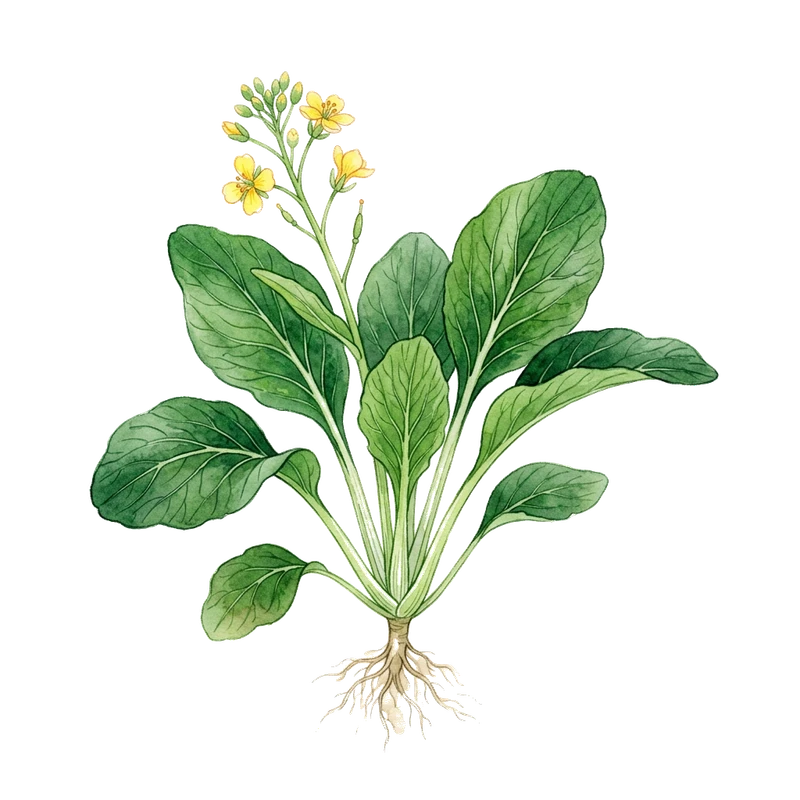
204 plants in our catalog draw Hoverflies in. Grow a few of them near the crops you want protected.


How not to kill them
Skip the insecticides. Broad-spectrum carbamates, organophosphates and pyrethroids kill whatever natural enemies are present when you spray, and the RHS advice for hoverflies specifically is to avoid using insecticides at all.
Tolerate some aphids. Clearing every last one removes the only food the larvae have, so a garden kept surgically clean never holds a hoverfly population — the predators arrive after the prey, not before it.
Keep dust down. UC IPM notes that dust interferes with natural enemies, which is an argument for mulched beds over bare, dusty ground.
Getting them through the winter
It depends on the species and how cold the winter is: UC IPM records overwintering either as adults in protected spots or as prepupae, the latter especially in colder regions. There is no single stage to plan around.
What reliably helps is nectar at both ends of the season, since the adults need it to breed at all. Growing insectary plants increases local hoverfly abundance, longevity and reproduction — and something flowering late, like ivy, carries the adults further into autumn.