Free garden planner — save plants, plan beds, and get sowing reminders for your spot.
Sign up freeDid you know?
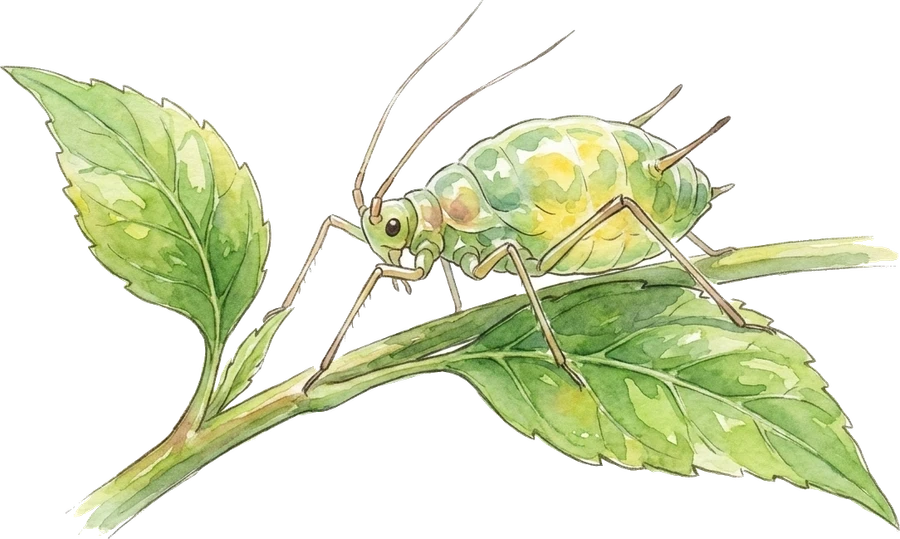
Nasturtium leaves and flowers are edible with a peppery, watercress-like taste, and the plant is often grown to lure aphids away from neighbouring crops.
Tropaeolum majus
Trailing annual with edible peppery leaves and flowers. Thrives on neglect; rich soil makes leaves, not flowers. Good trap crop for aphids — they prefer it over your vegetables.
Did you know?
Nasturtium leaves and flowers are edible with a peppery, watercress-like taste, and the plant is often grown to lure aphids away from neighbouring crops.
Lavatera trimestris
flower
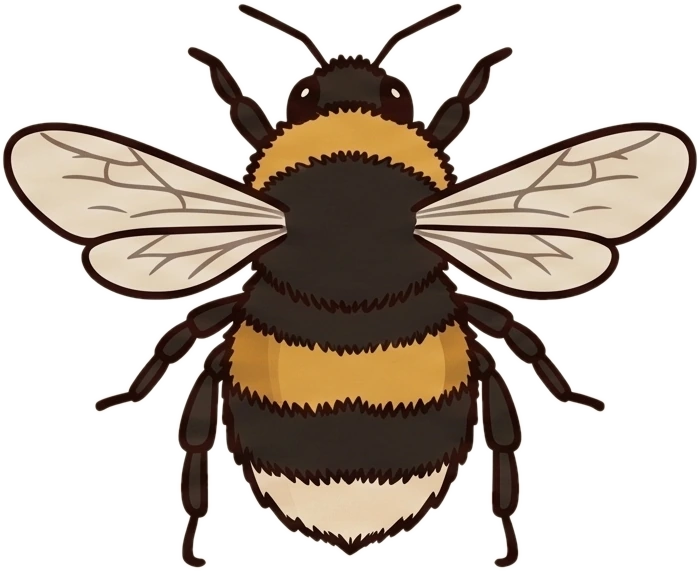
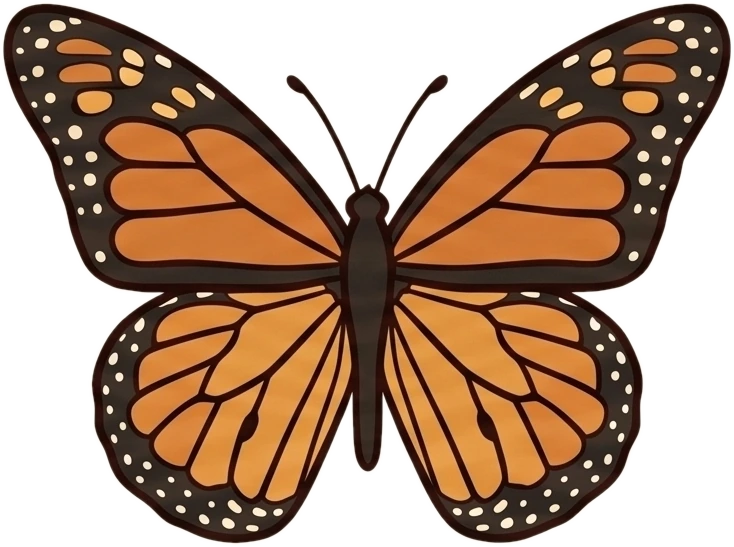
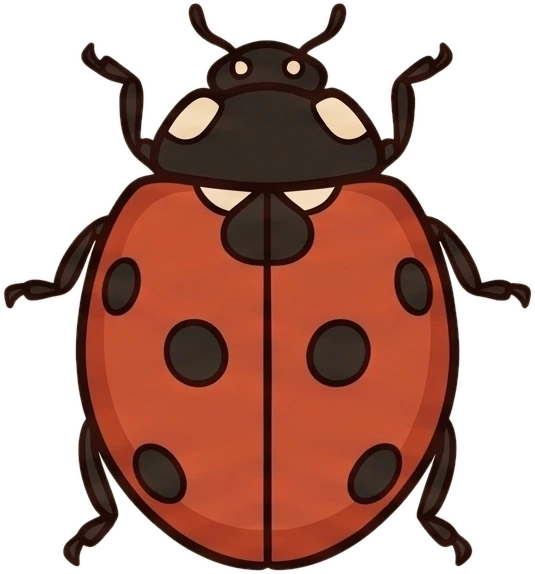
Thrives in the same full sun, low water conditions as Nasturtium
Start Nasturtium indoors about 4 weeks before your last frost. Seeds usually come up in around 10 days. Move seedlings out once the danger of frost has passed, in full sun, spaced about 25 cm apart. Expect the first blooms in roughly 60 days.
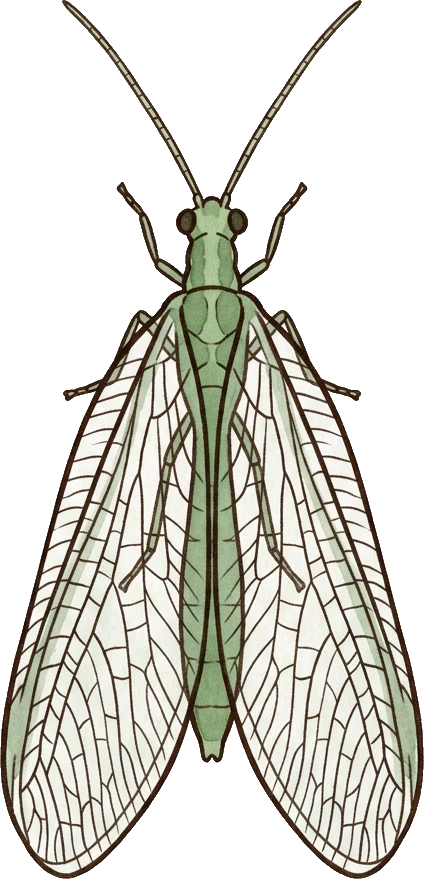
Chrysopidae
Golden-eyed adults that mostly drink; larvae that hunt like small alligators.
Water: Low · Height: 30 cm · Soil: Well-draining, moderately fertile soil. Prefers slightly acidic to neutral pH (6.0-7.0). Tolerates poor soil; too much fertility reduces flowering.


Nasturtium seed rarely stays viable beyond 4 years — track what's still worth sowing.
These three thrive alongside Nasturtium — and alongside each other.