
Aphids
Aphididae
Curled leaves, sticky honeydew and ants on patrol — usually with something already eating them.

How to spot them
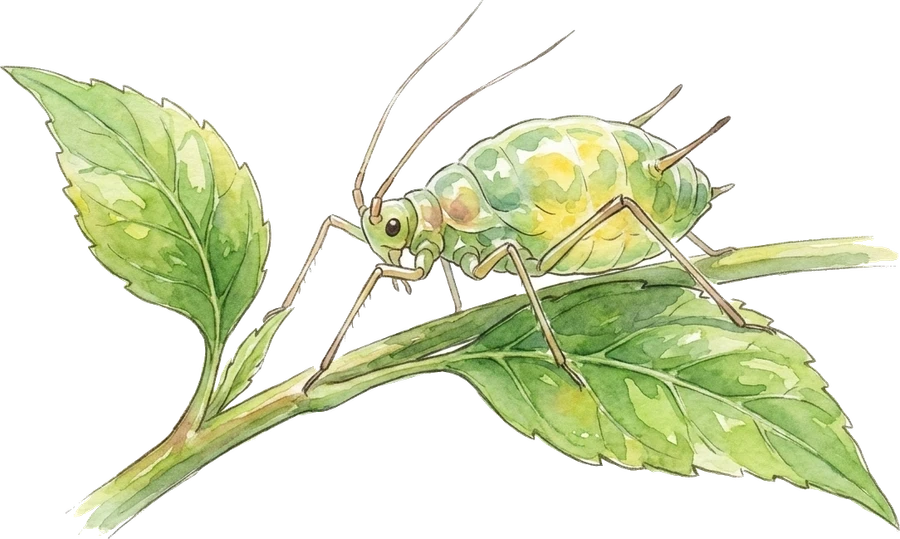
Soft, pear-shaped bodies with long legs and antennae, in almost any colour. The giveaway is a pair of tube-like cornicles projecting backwards from the rear end — nothing else in the garden has them.
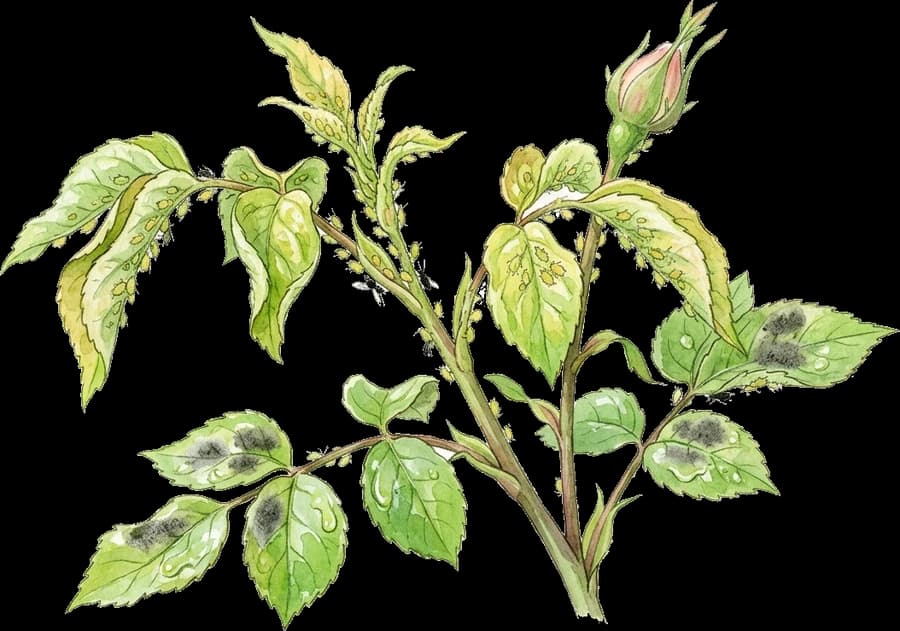
You will normally see the damage first: leaves curling and distorting, and a sticky film of honeydew on the foliage below, which then blackens as sooty mould grows on it and draws ants up the stems. Some species inject a toxin as they feed, so the curling is not simply crowding.
Turn leaves over. Most aphid species prefer the undersides, which is why a plant can look badly affected from above with nothing visible on it.
They peak in late spring, when it is warm but not hot — real summer heat knocks populations back on its own. On an established plant the feeding itself usually does not do lasting damage; the real risk on vegetables is that aphids move plant viruses from one plant to the next.
Plants they attack
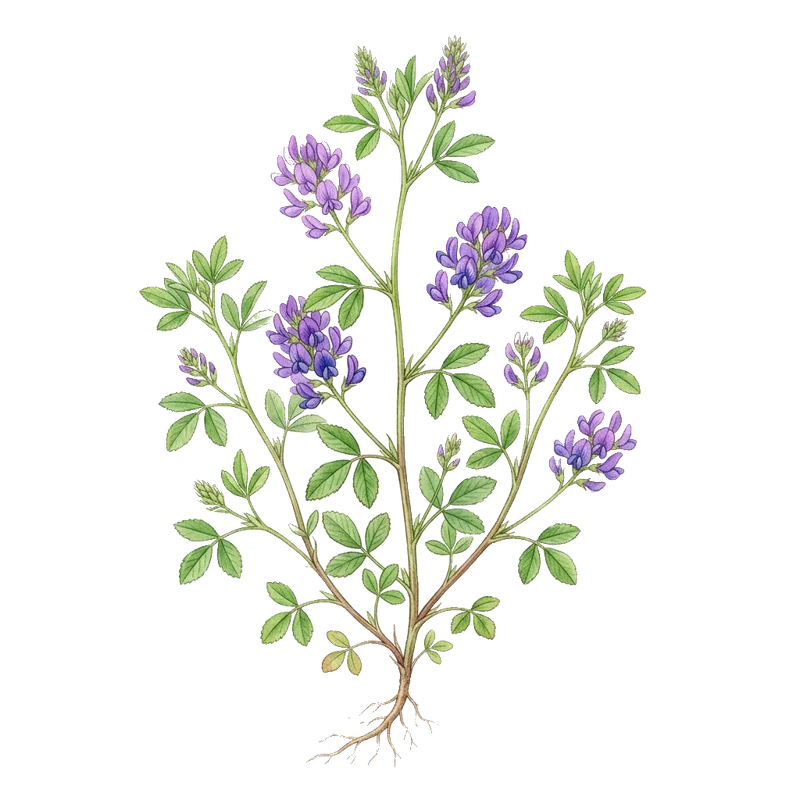
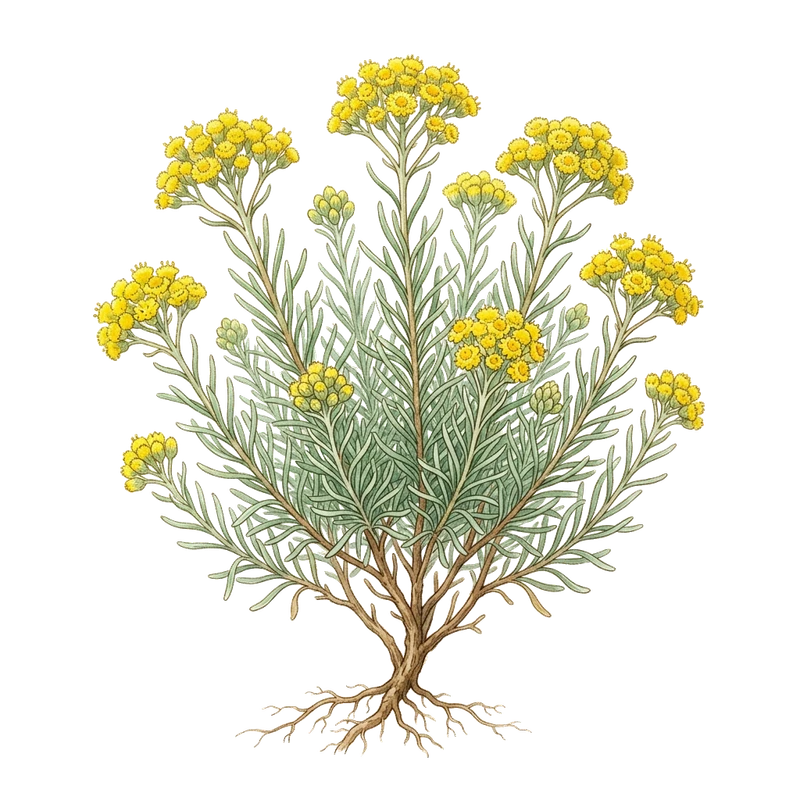
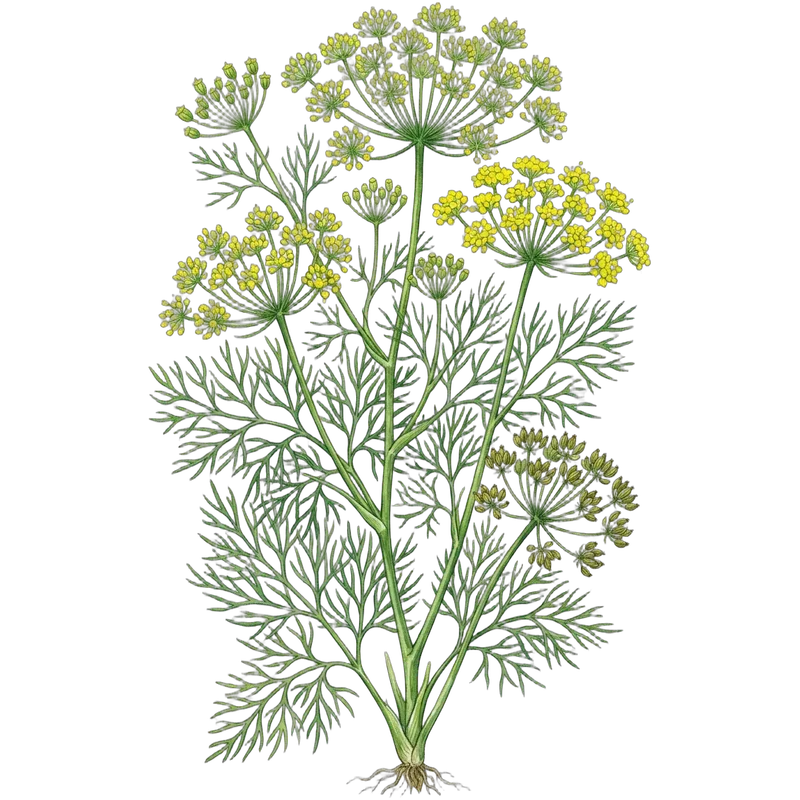
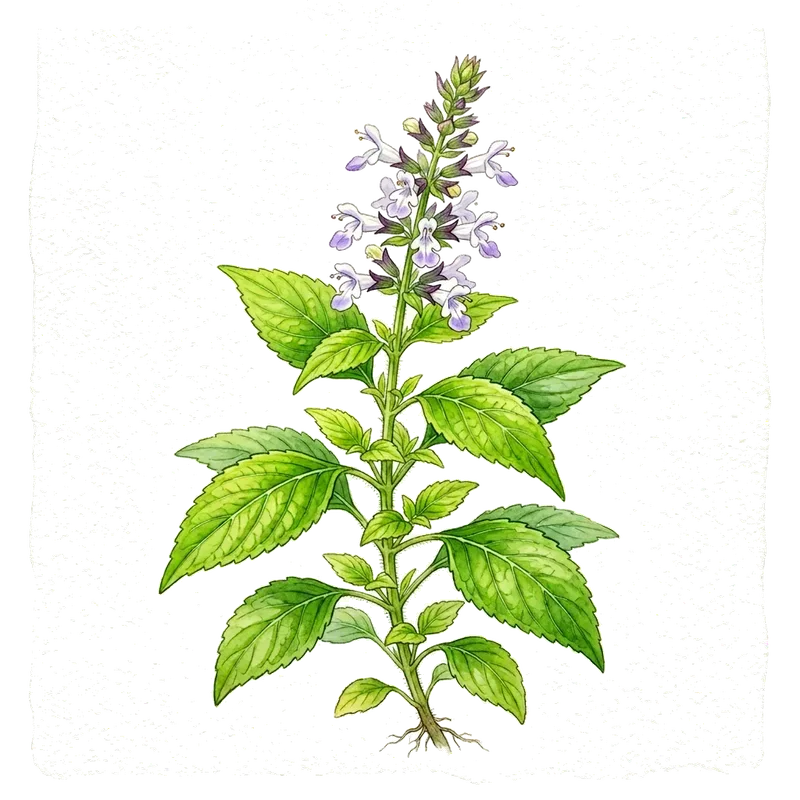
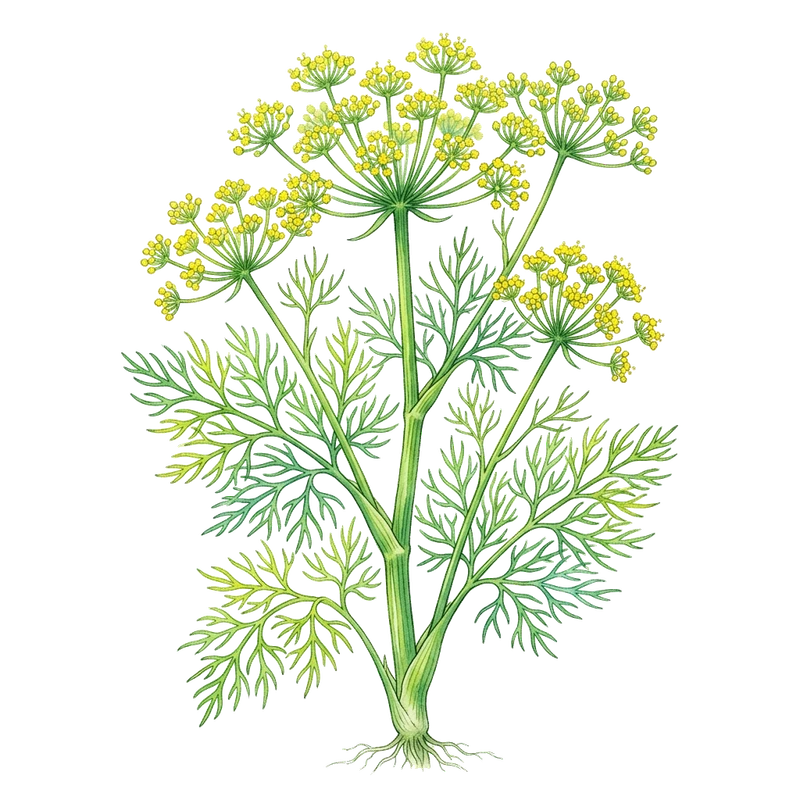
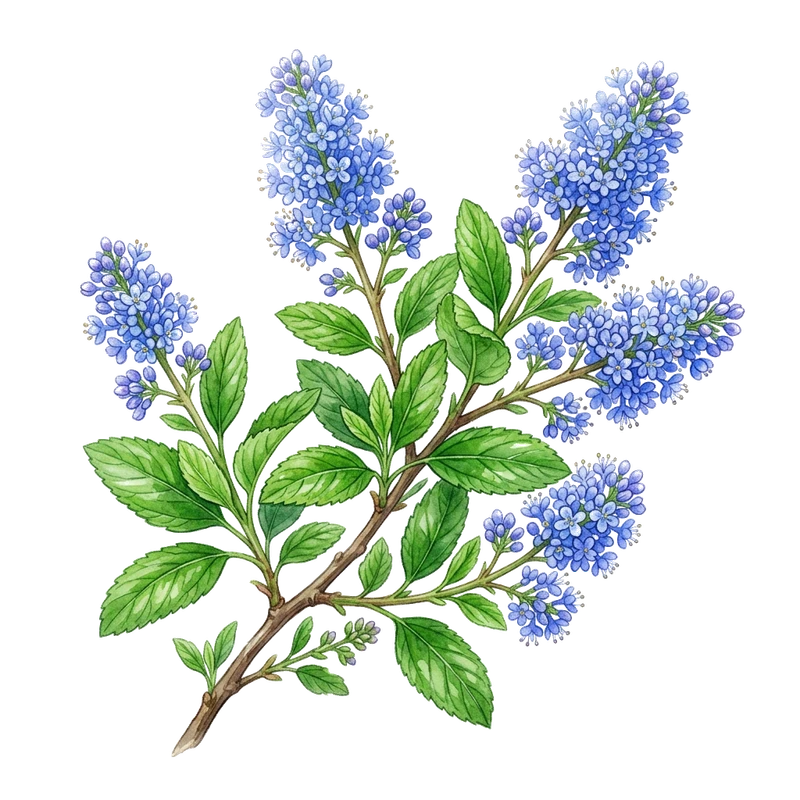
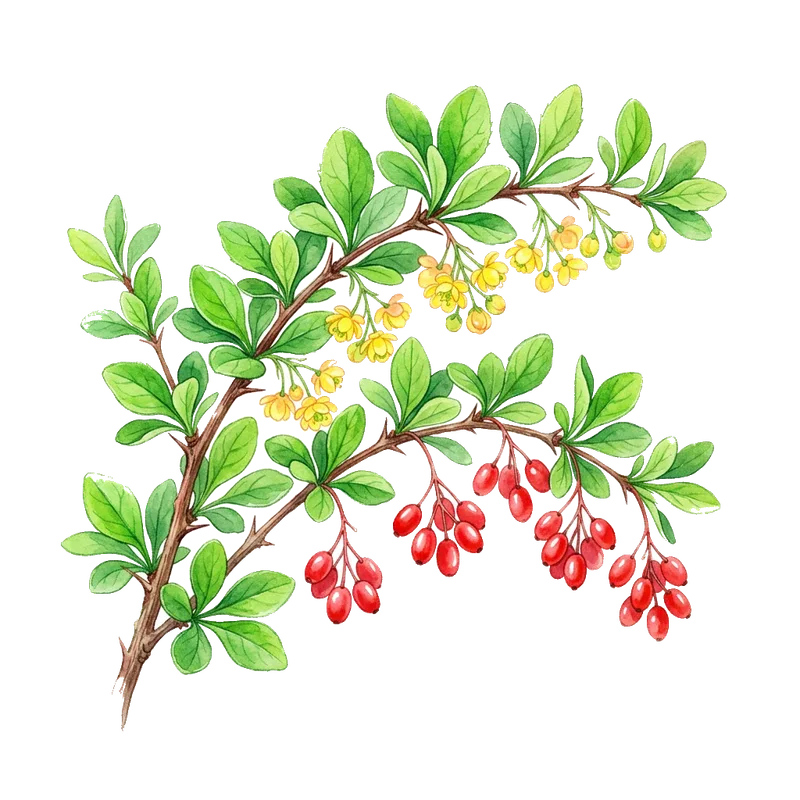
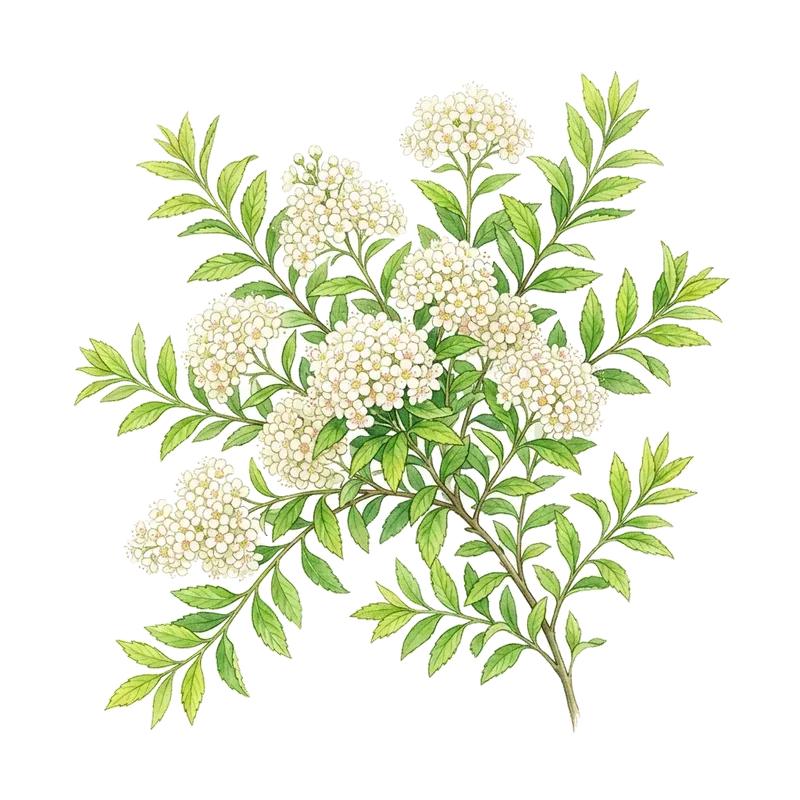
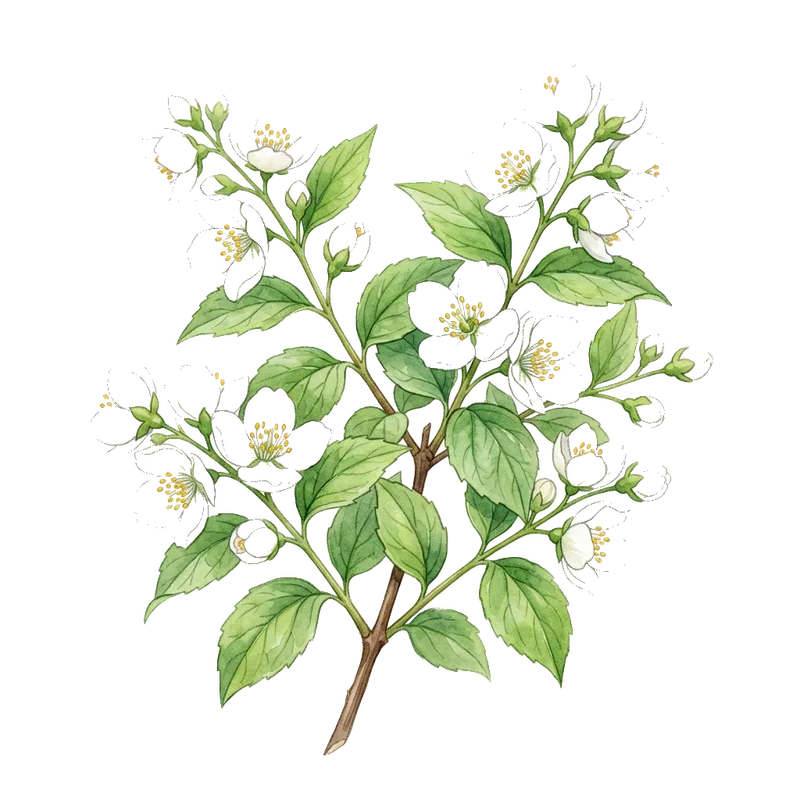
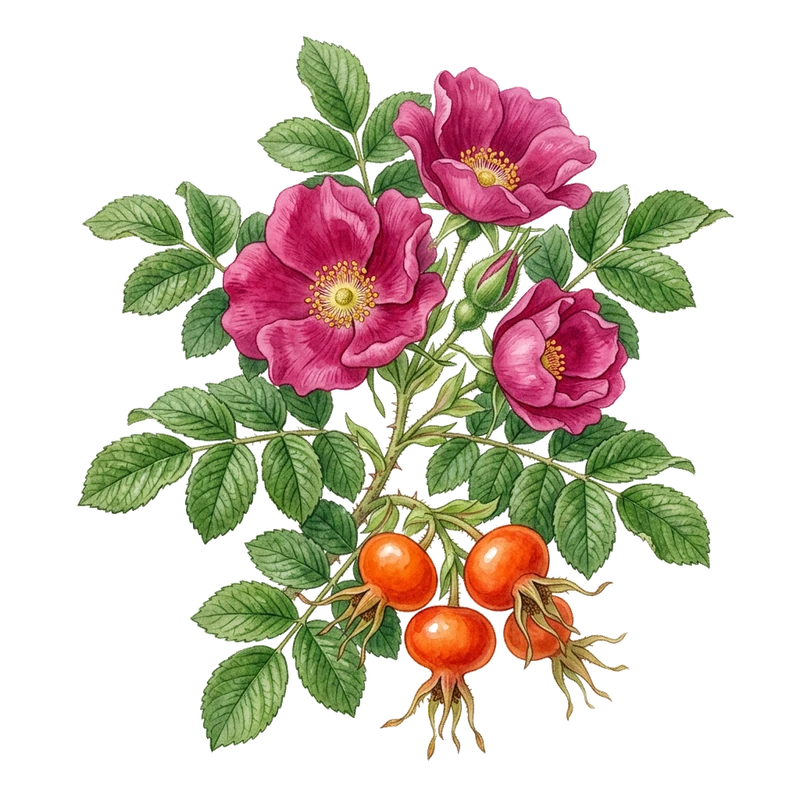
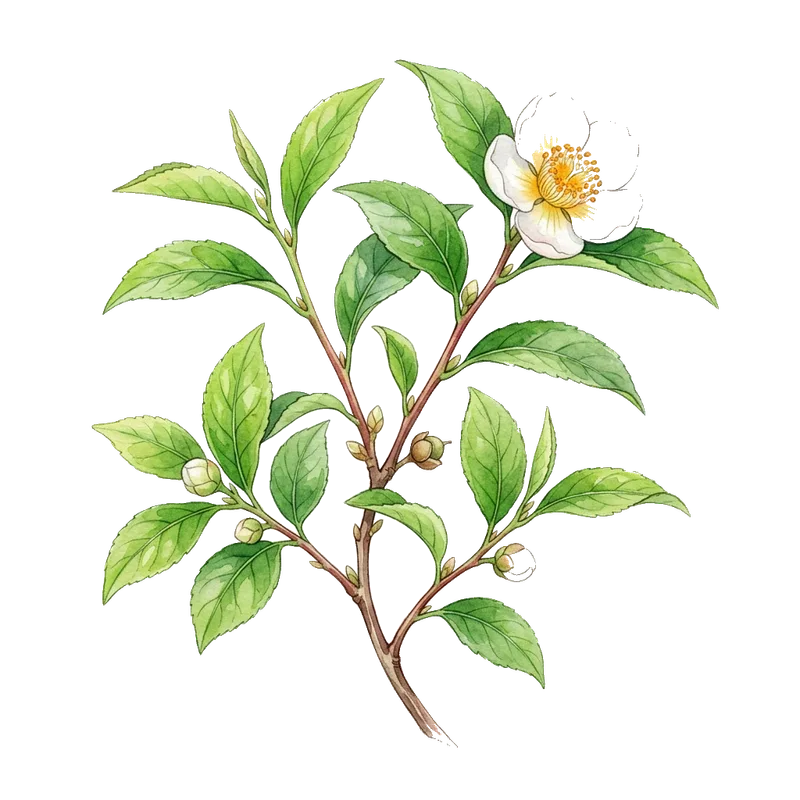
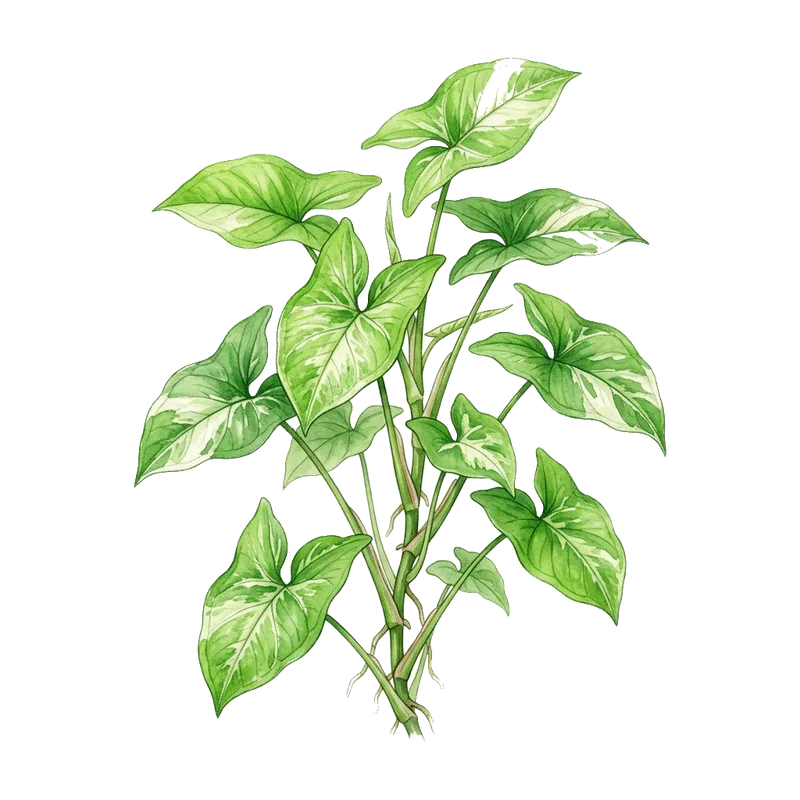
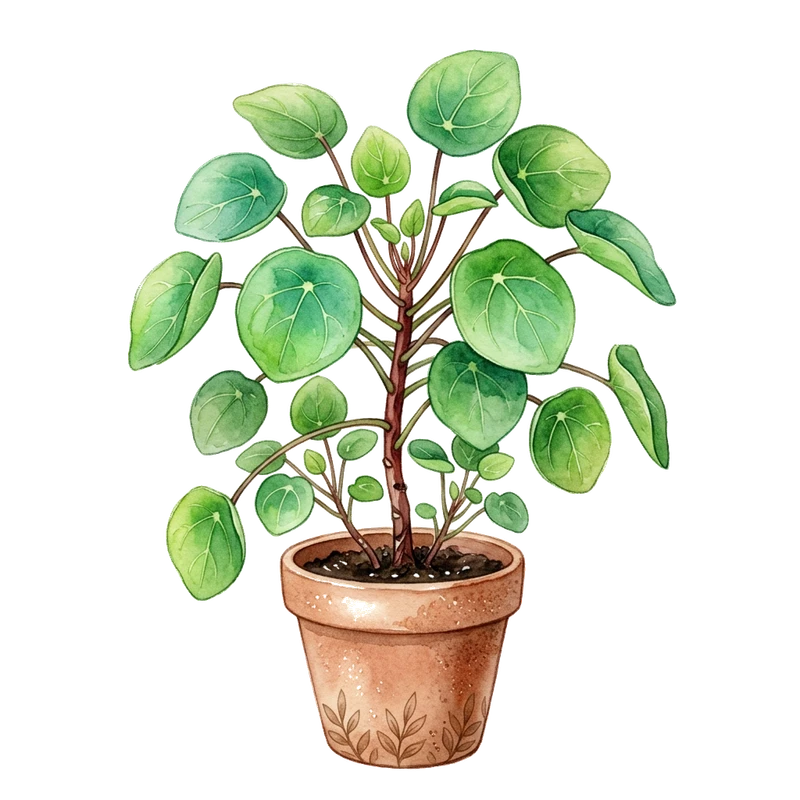
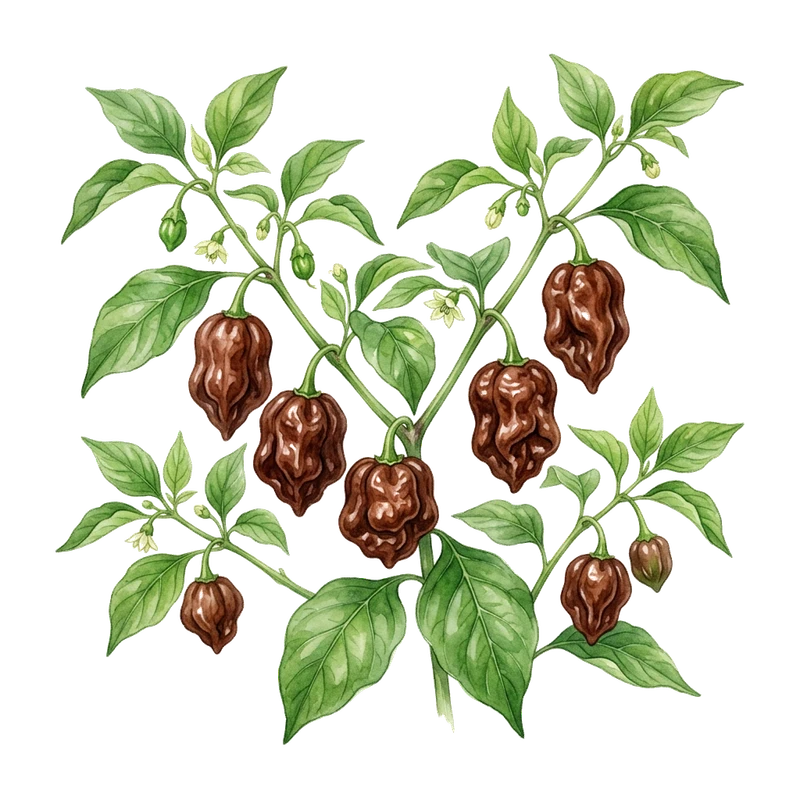
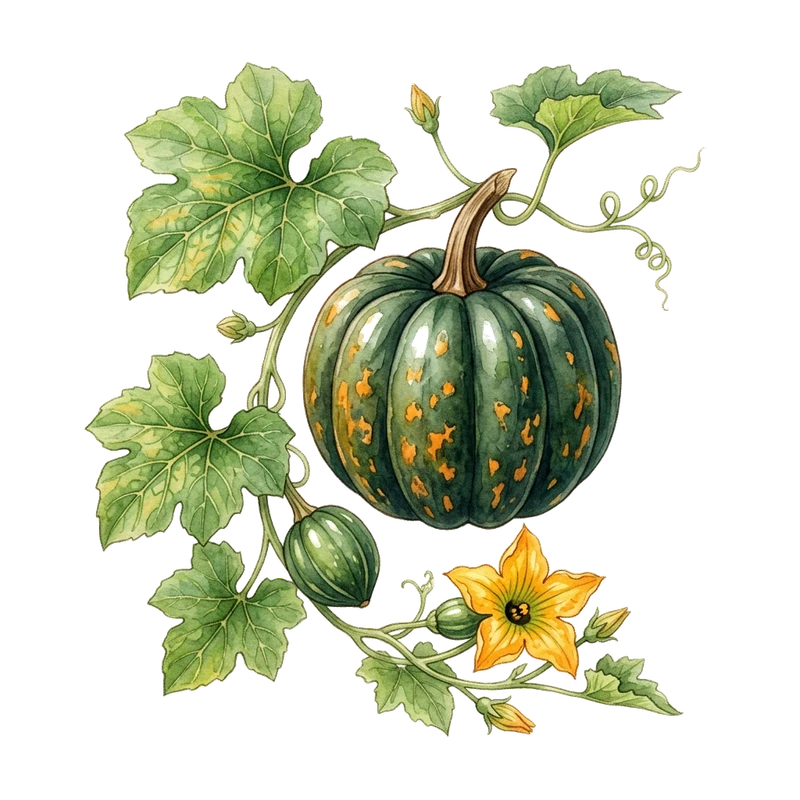
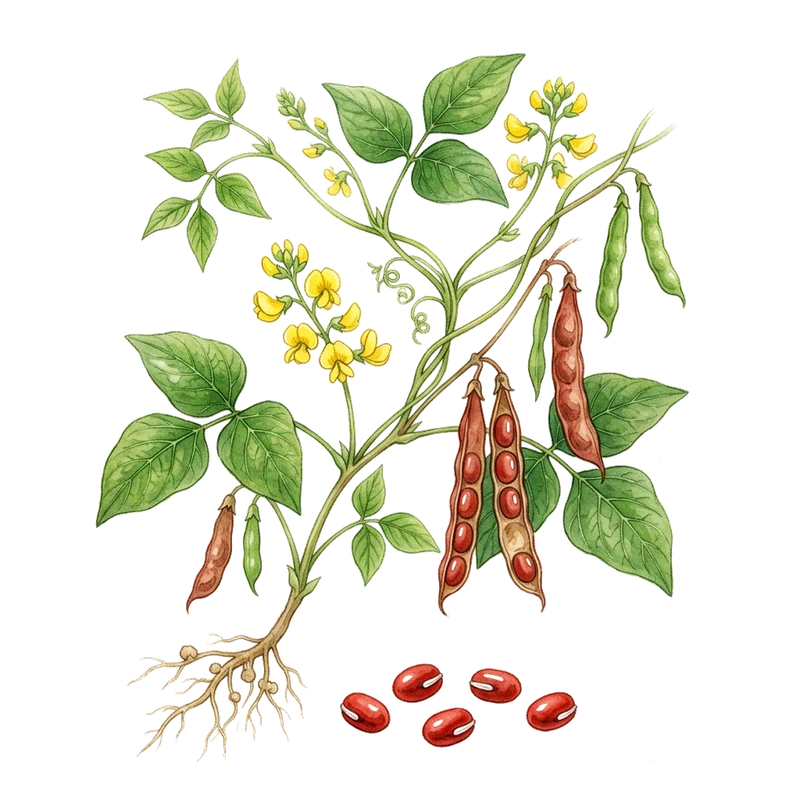
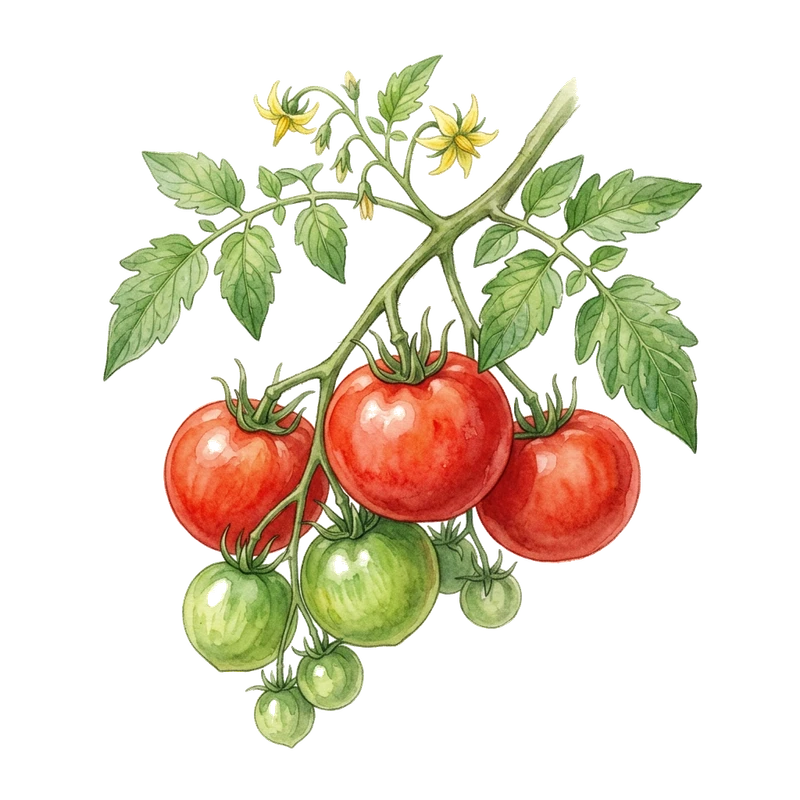
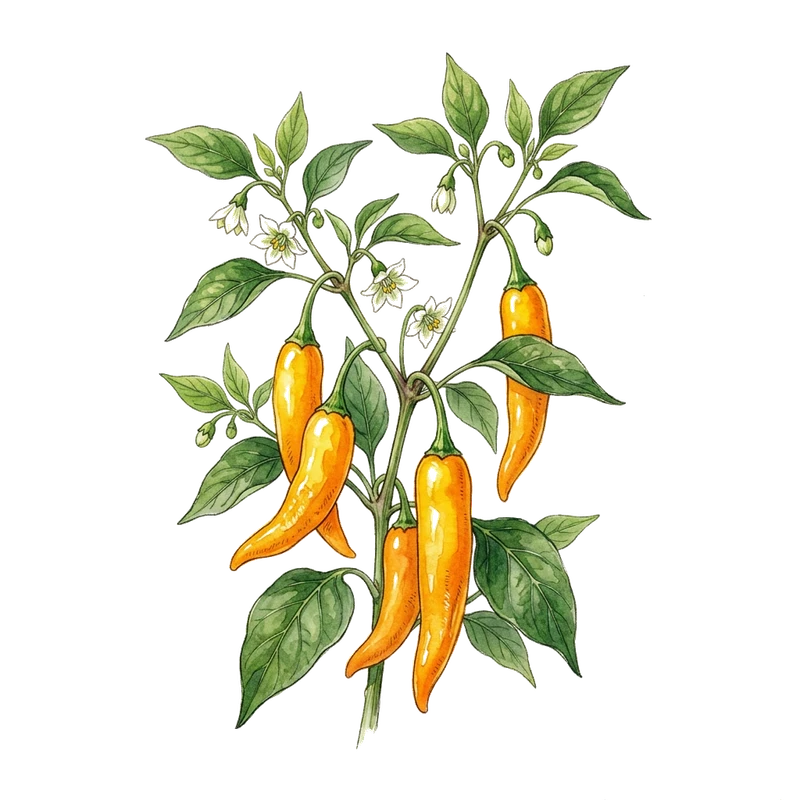
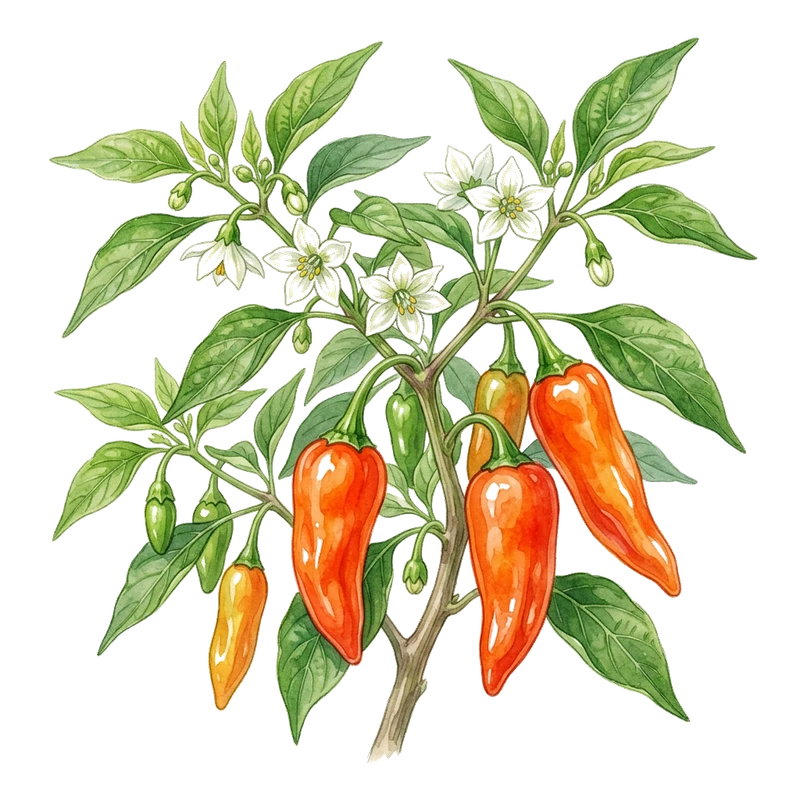
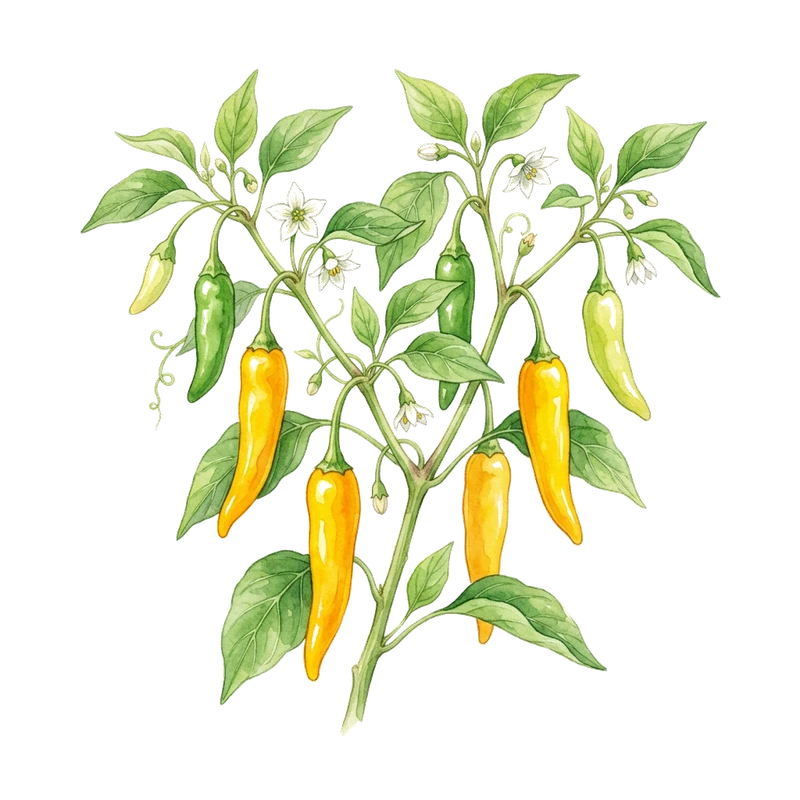
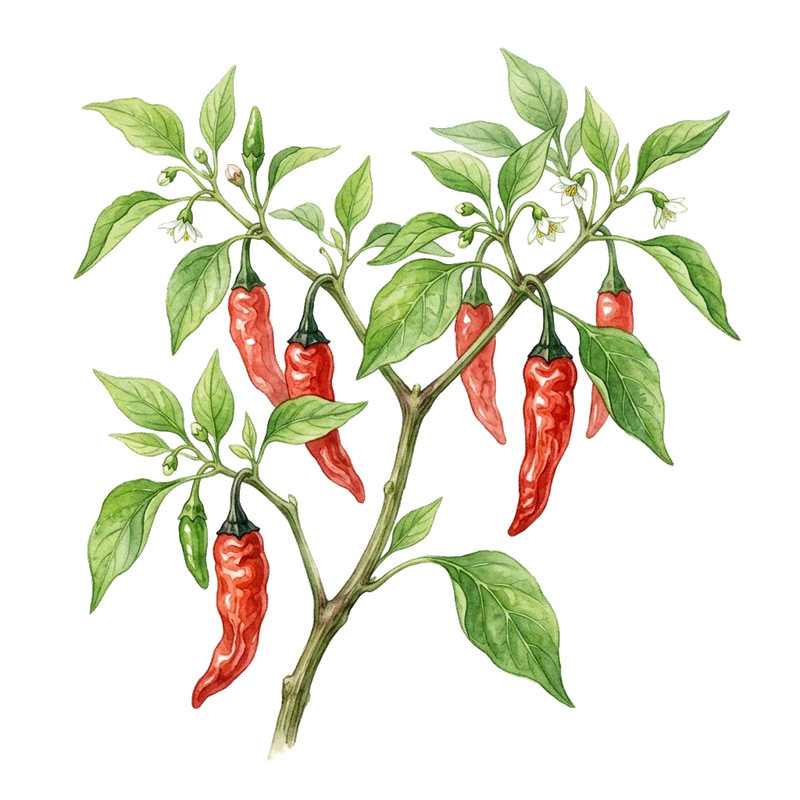
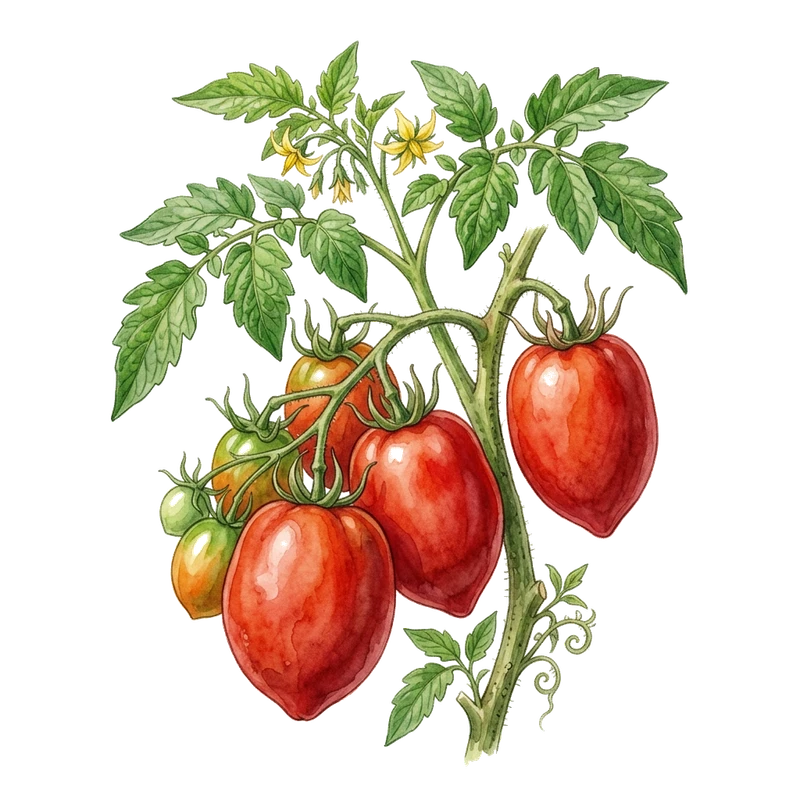
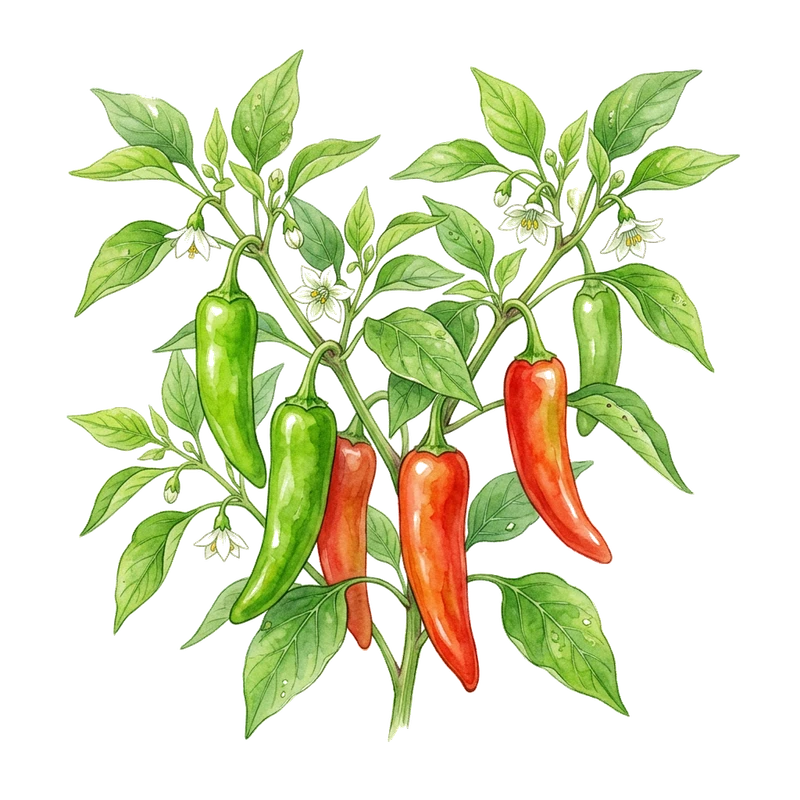
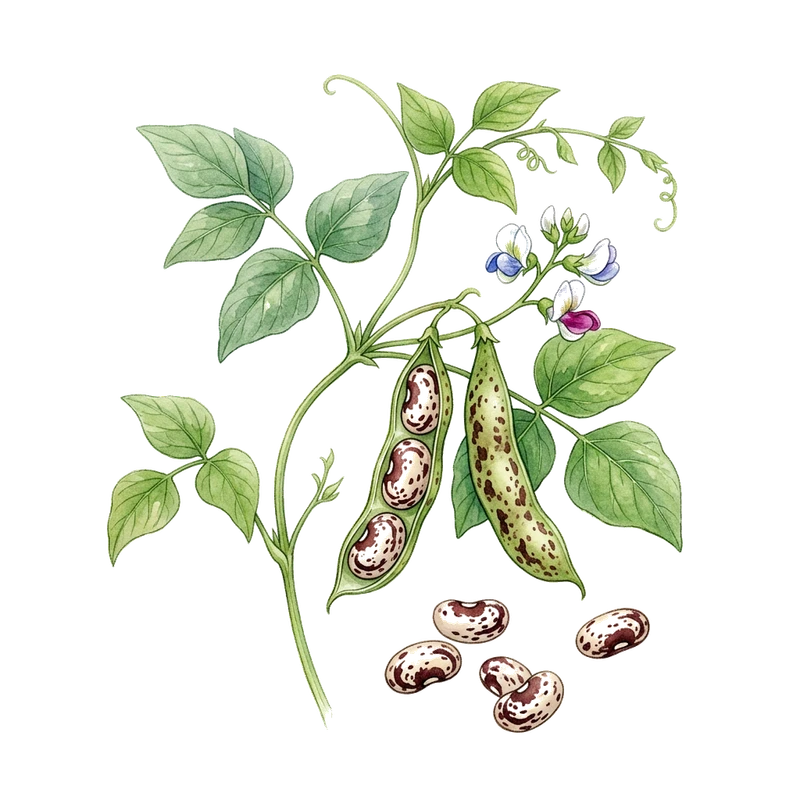
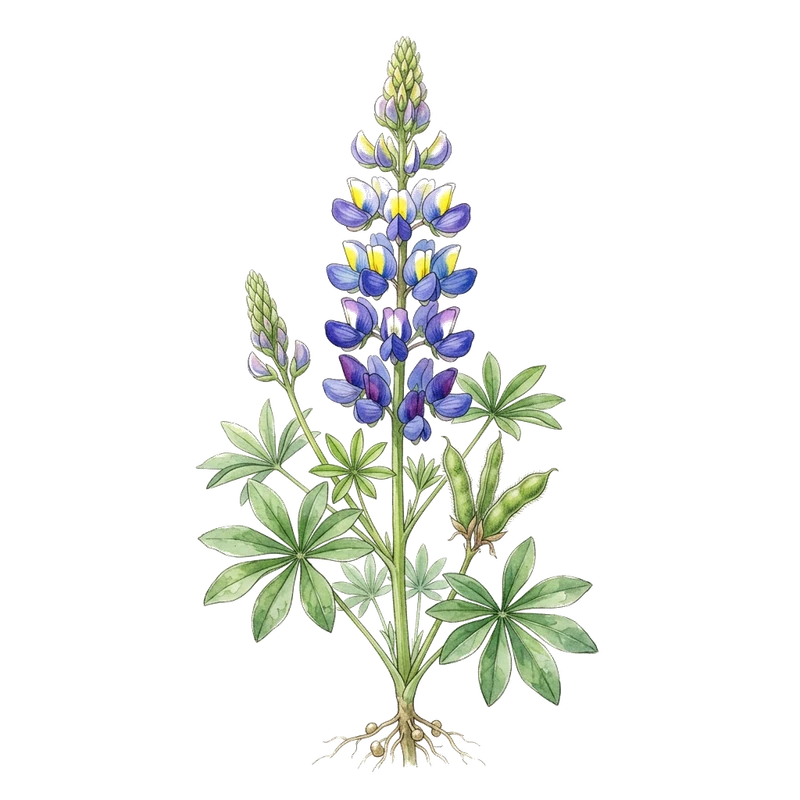
537 plants in our catalog are recorded as prone to Aphids. Click any of them to see what else it draws in.
What eats them
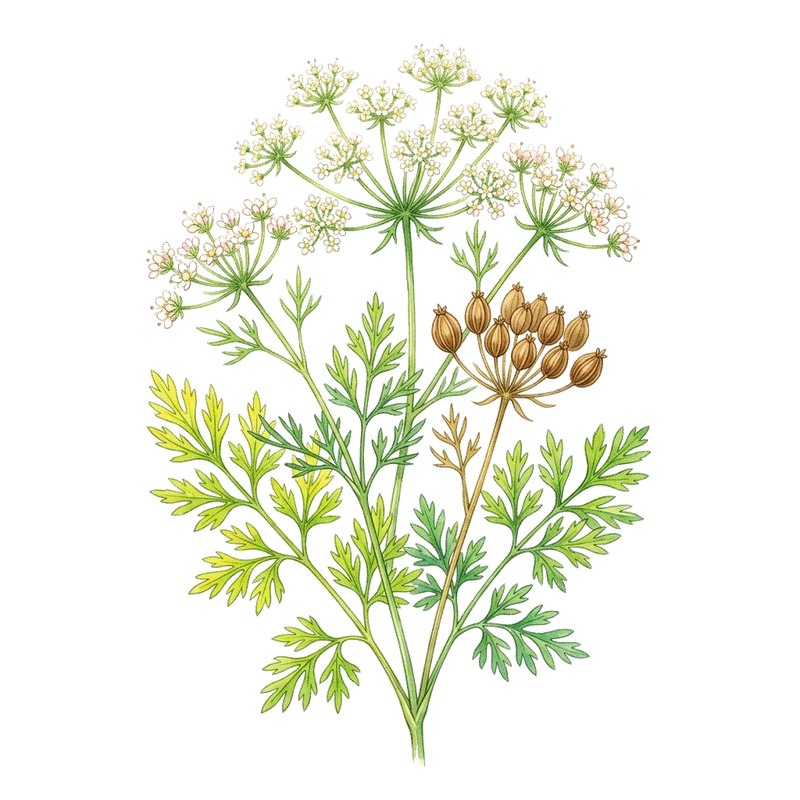
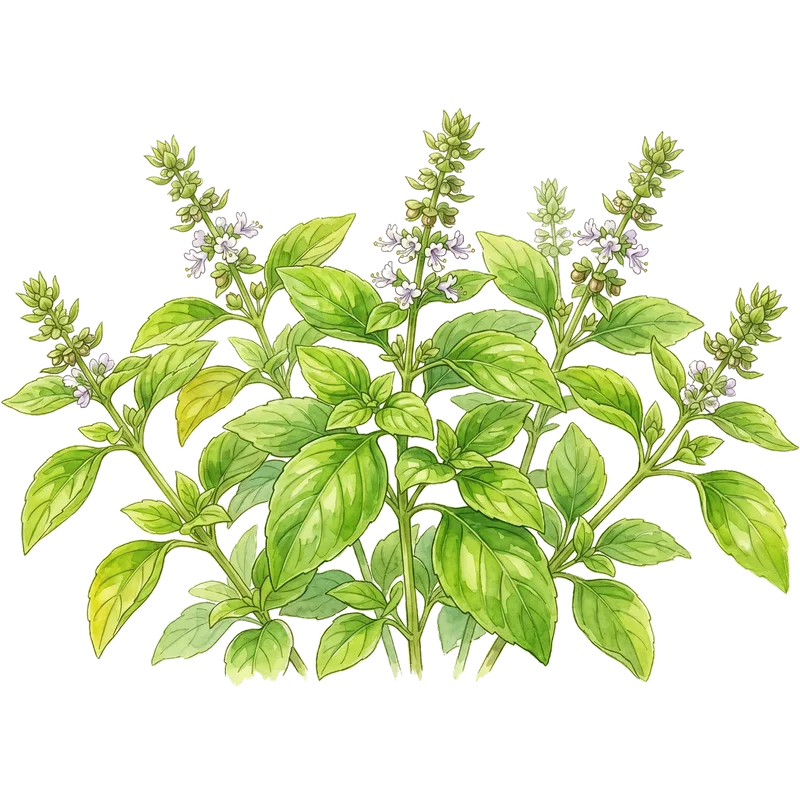
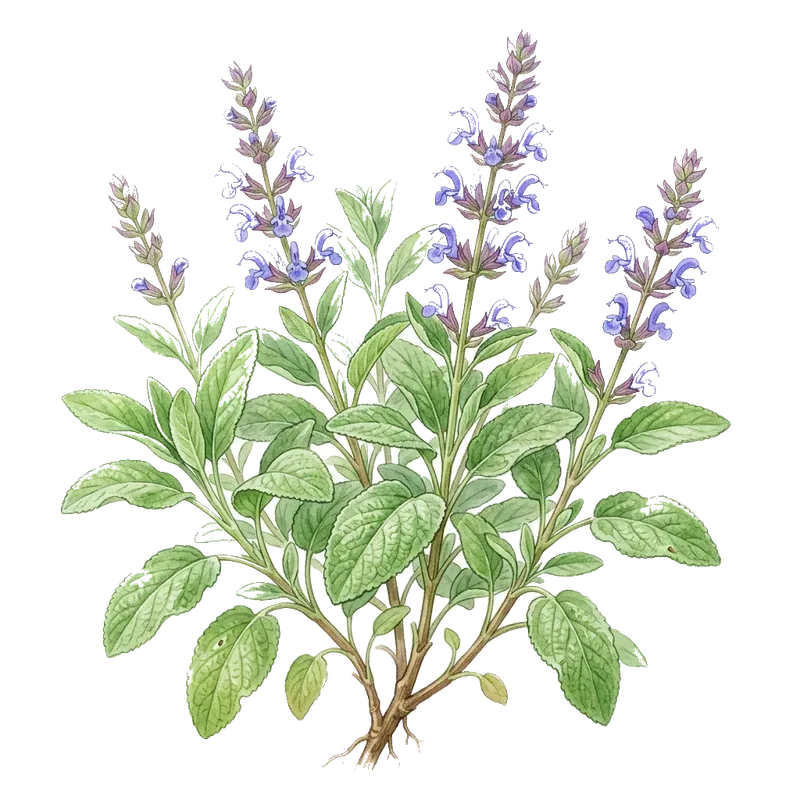
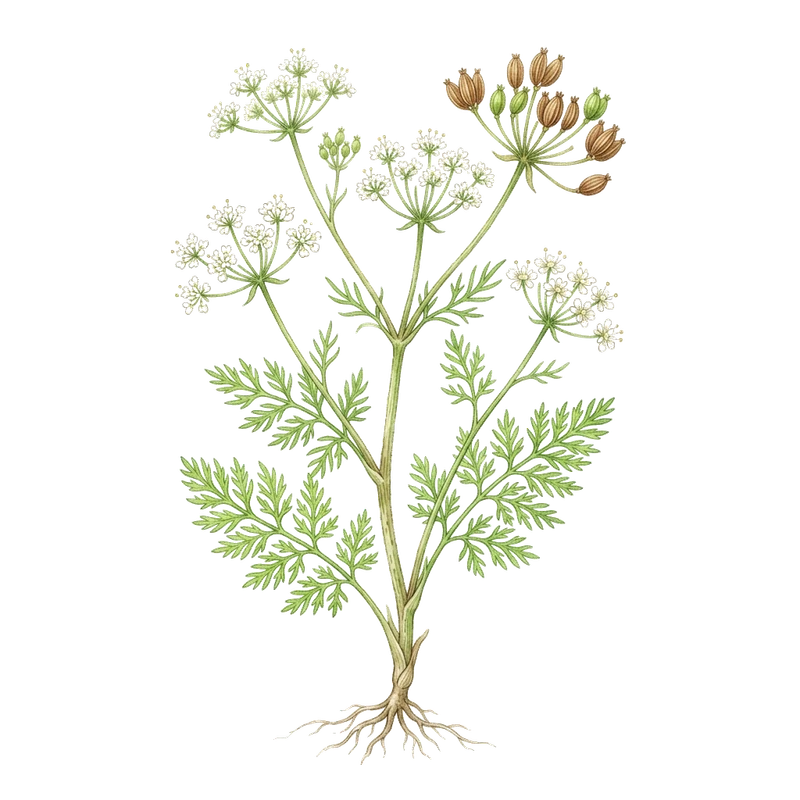
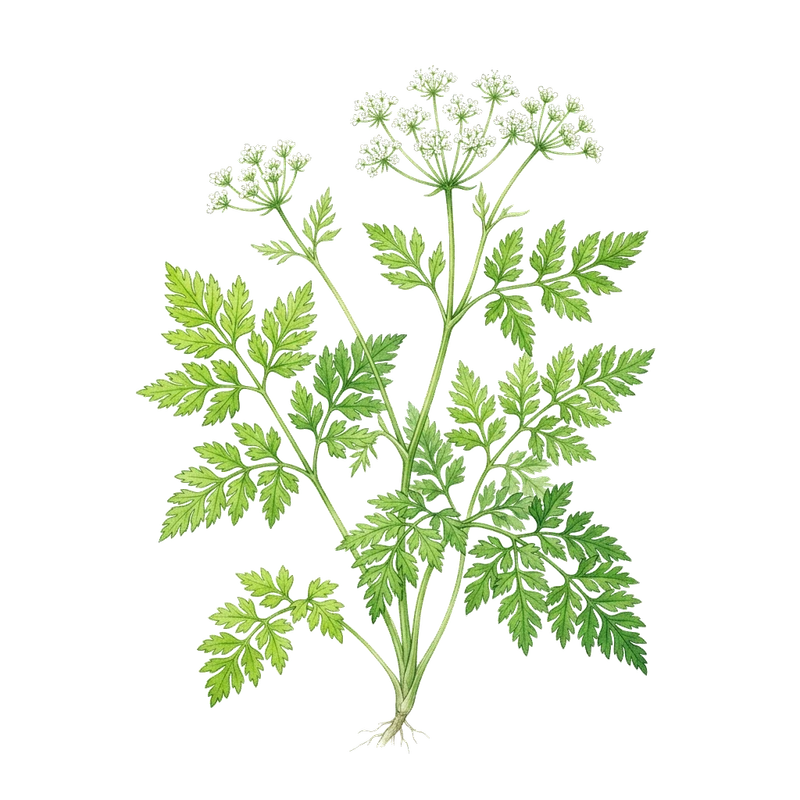
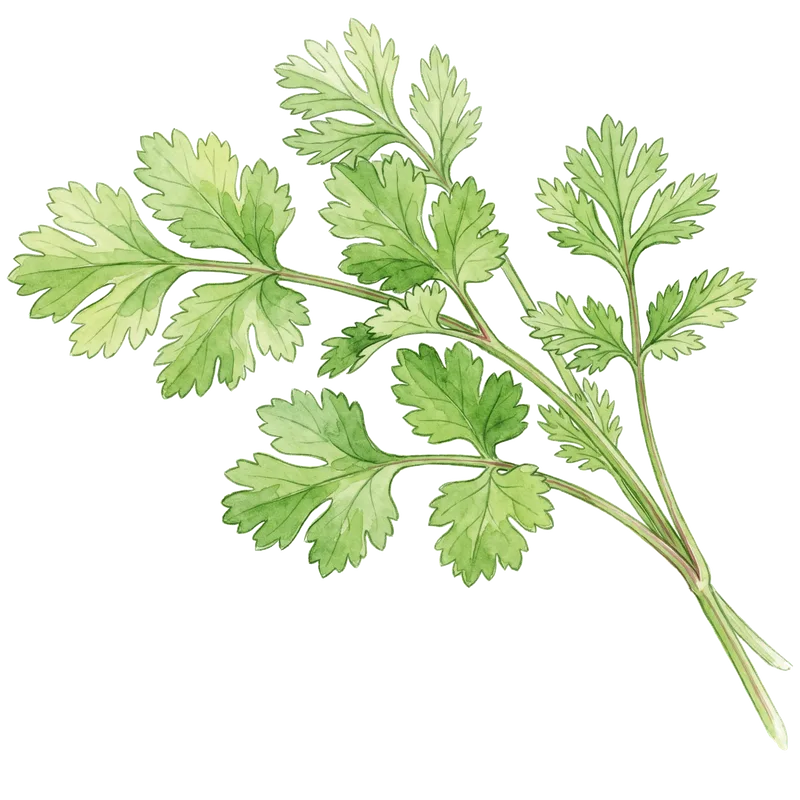
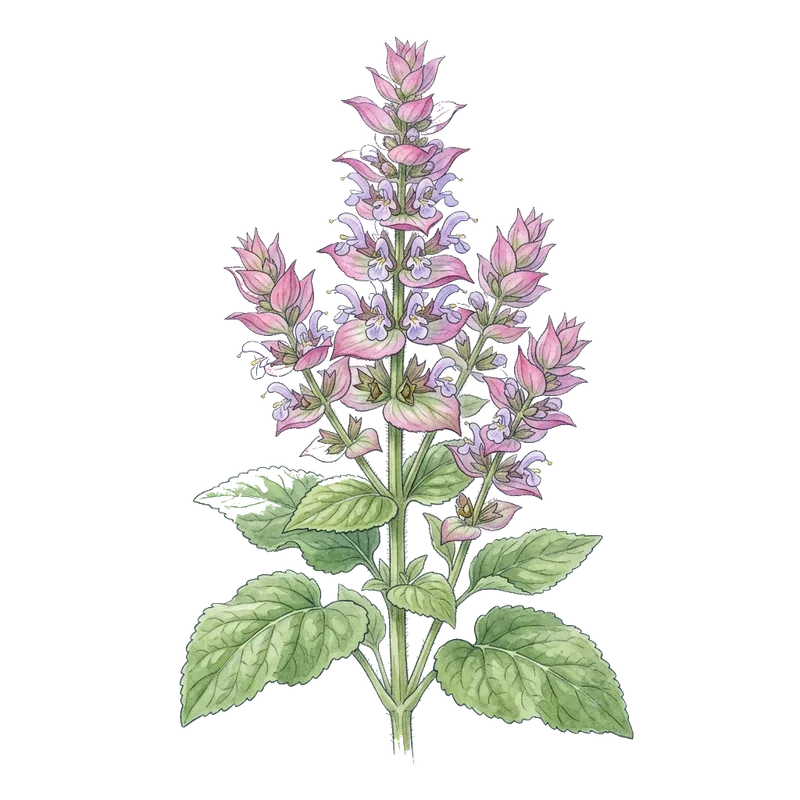
These are the predators that go after Aphids. Grow the plants that bring them in and they do the work for you.
Plan a garden that defends itself
Put the host crop and its predator plants in one plan and see when each one flowers.
Organic control
A strong jet of water is the whole technique for most infestations. Knock them off and most of them cannot climb back. Repeat every few days while growth is soft.
Where a colony is confined to a few shoot tips, prune those out rather than treating the whole plant.
Check for mummies before you do anything at all. A parasitised aphid turns crusty and golden-brown, and a scattering of them means parasitic wasps are already collapsing the colony — intervening now mostly kills the wasps.
Deal with ants, which is not optional. Ants defend aphids from predators and parasites for the honeydew; a band of sticky material around the trunk stops them getting up.
Ease off the nitrogen. High nitrogen feeds soft growth and directly favours aphid reproduction. Silver reflective mulch is worth using on virus-prone crops — it measurably reduces transmission and protects seedlings.
Two things not worth doing: buying ladybirds, since most disperse from the garden within days, and reaching for a broad-spectrum insecticide, which removes the natural enemies that were about to solve the problem.