
Parasitic wasps
Braconidae, Ichneumonidae and relatives
Pinhead-sized, stingless, and lethal to aphids and caterpillars from the inside.

What they are and what they do

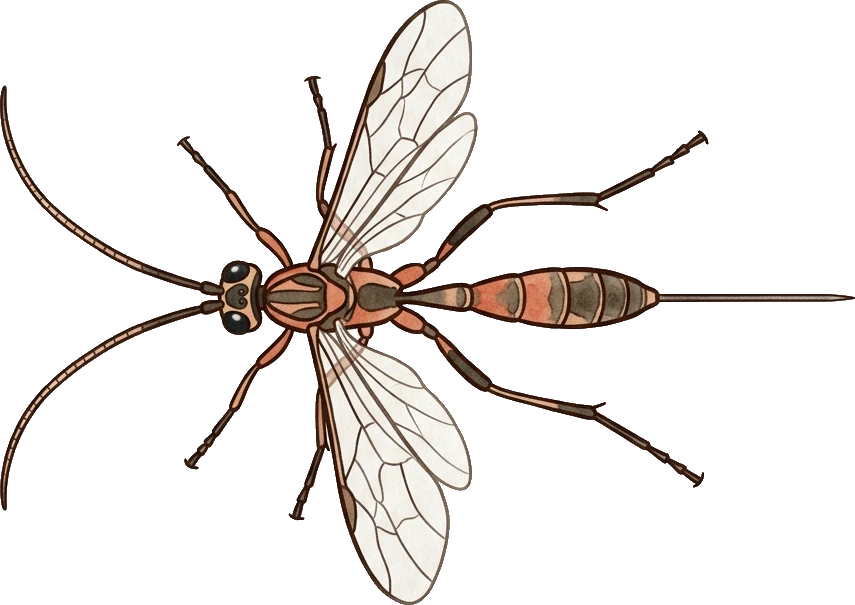
These are not the wasps you are thinking of. Most range from the size of a fleck of pepper to under half an inch, and they have no interest in people — University of Maryland Extension puts it plainly: they do not sting.
The adults live on nectar, pollen and honeydew. Only the larva feeds on the host, developing through three increasingly large instars inside a single aphid or caterpillar. So the meaningful figure is not prey eaten but eggs laid: an adult female Aphidius lays one egg in about 100 aphid nymphs; the smaller Diaeretiella lays around 25.
You will see the result before you see the wasp. A parasitised aphid swells into a crusty, puffy, smooth mummy in brown, gold or tan. On tomato hornworms, the white rice-like cocoons standing up from the caterpillar’s back are Cotesia braconids — the hornworm is already finished. Eggs parasitised by Trichogramma may turn black.
Pests they keep in check
- 537 plants in our catalog are prone to it
- 176 plants in our catalog are prone to it
- 115 plants in our catalog are prone to it
- 49 plants in our catalog are prone to it
- 23 plants in our catalog are prone to it
- Colorado potato beetle1 plant in our catalog is prone to it
- Stink bugs1 plant in our catalog is prone to it


Plan a garden that feeds them
Drop these plants into a plan and see how the season lines up — the predators need their food and their cover in place before the pests arrive.
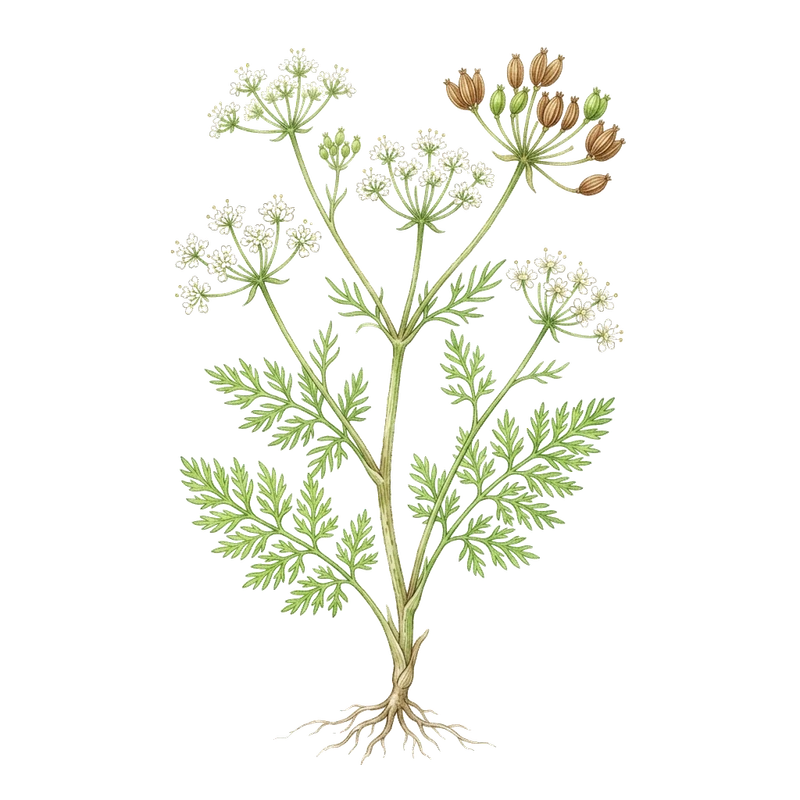
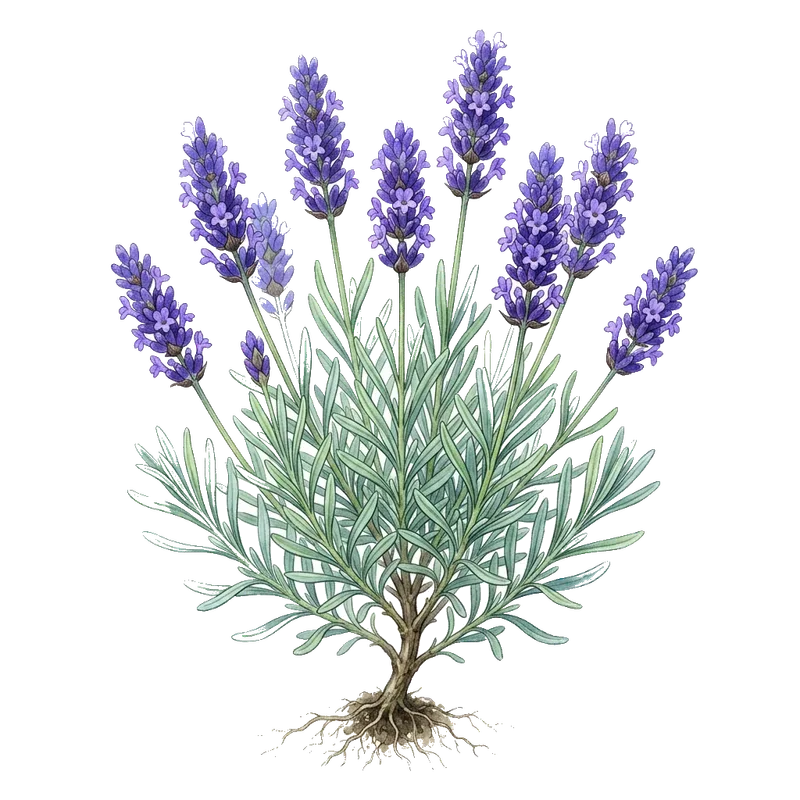
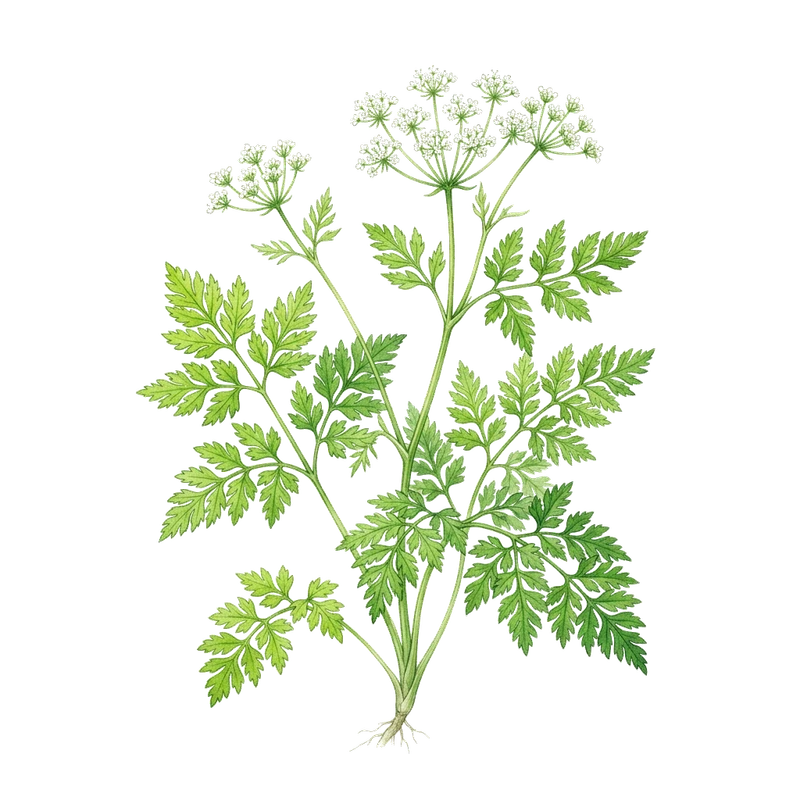
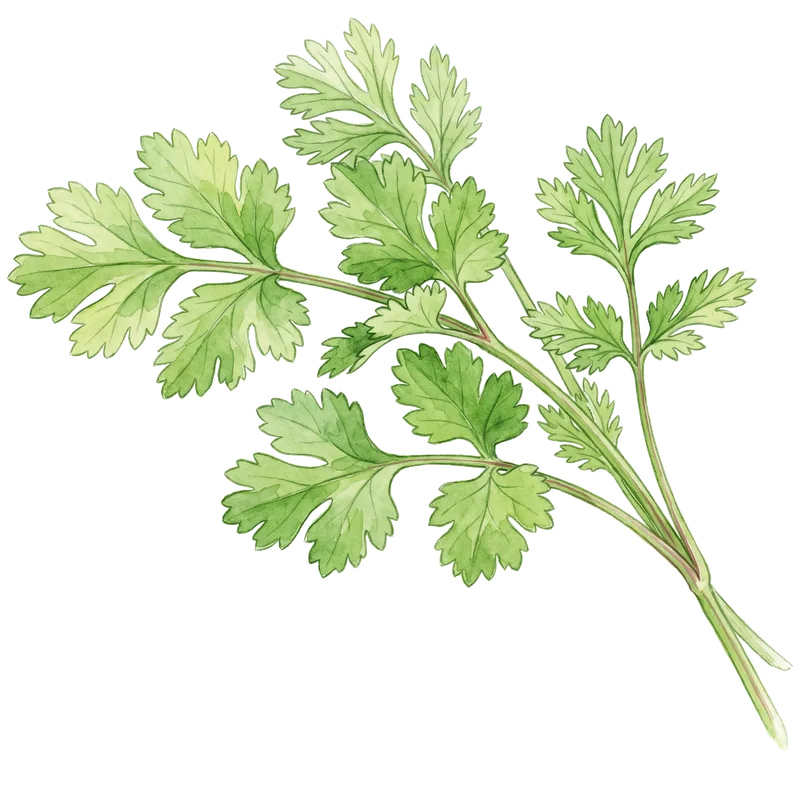
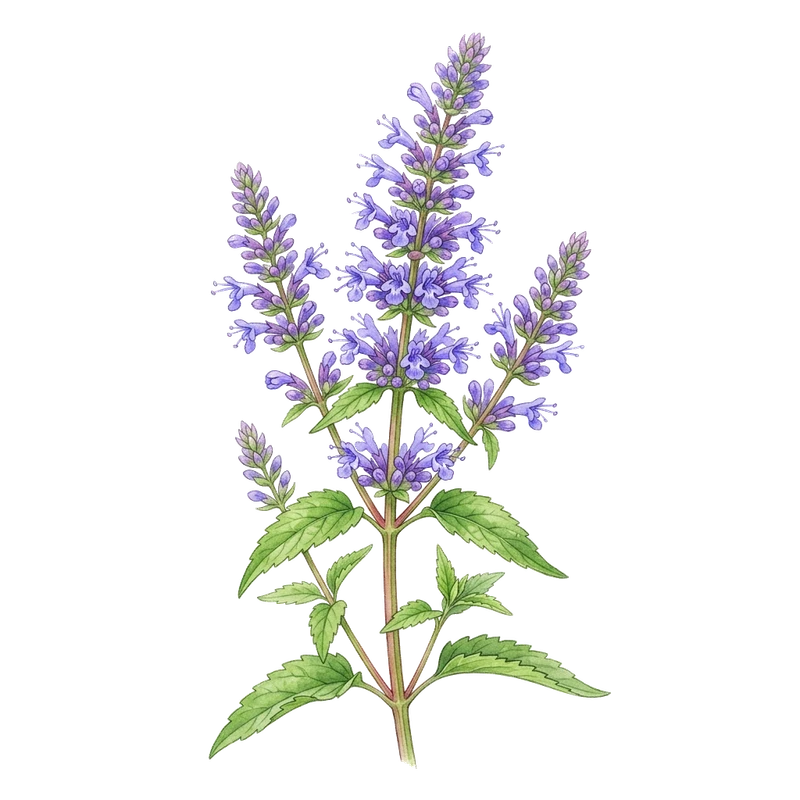
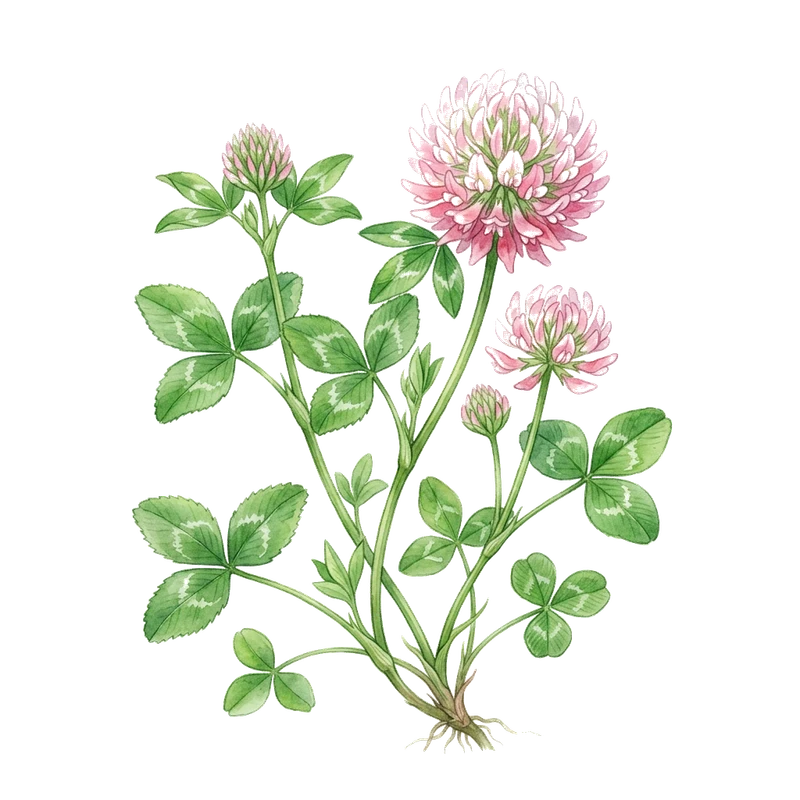
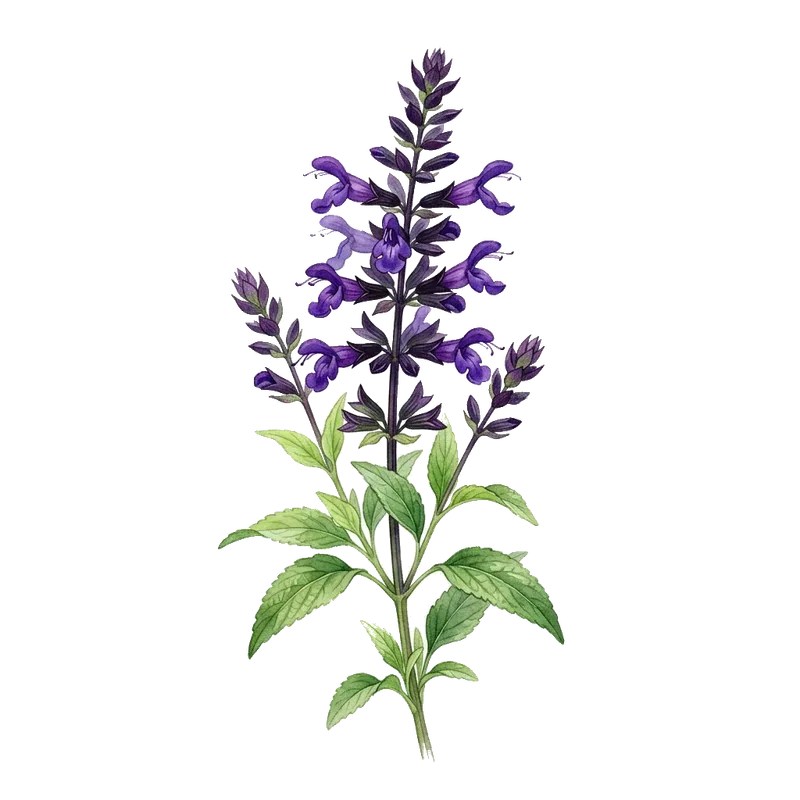
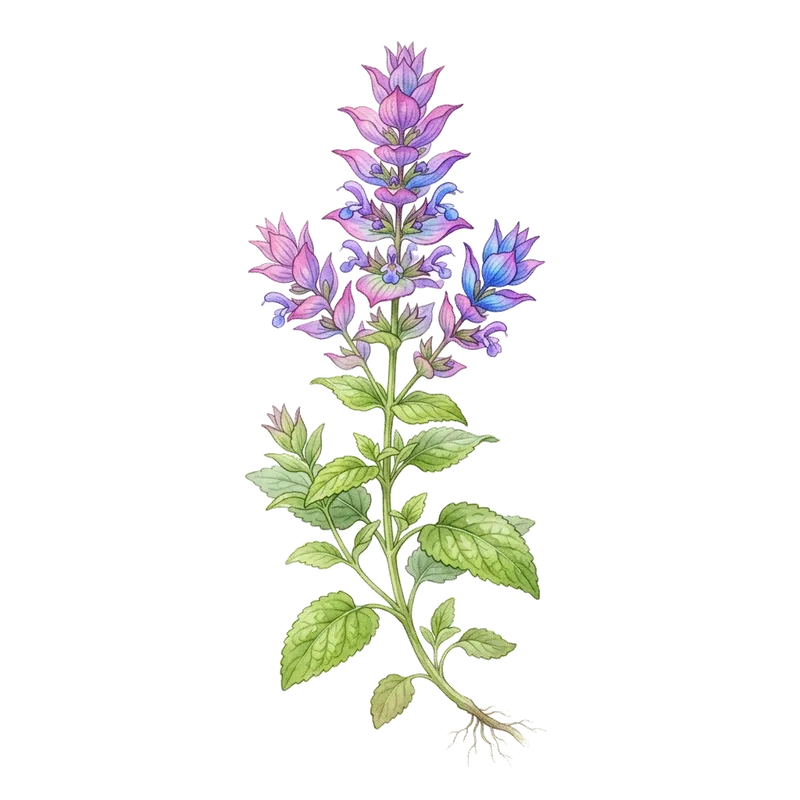
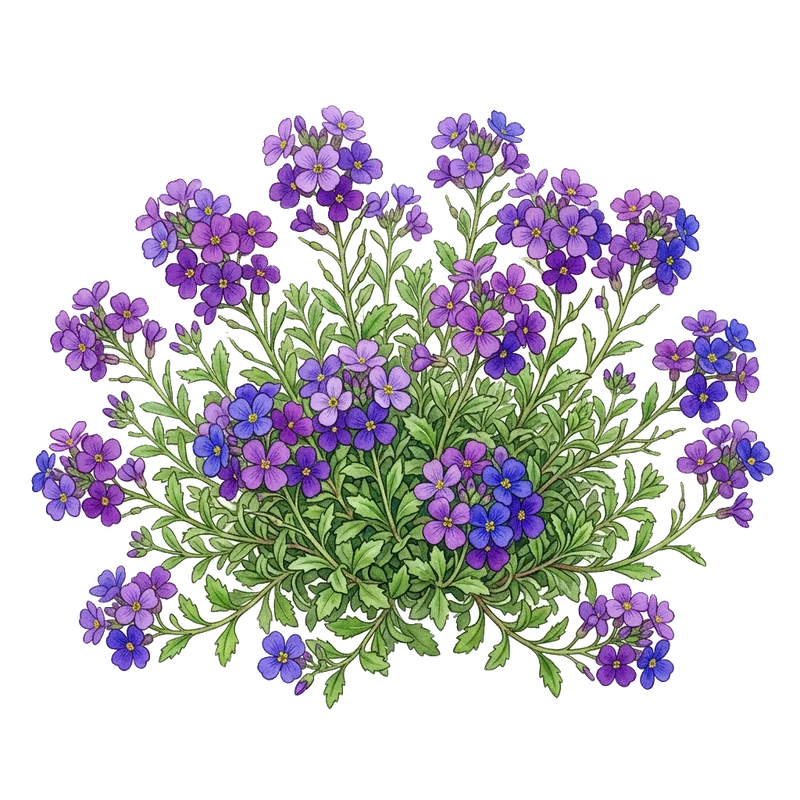
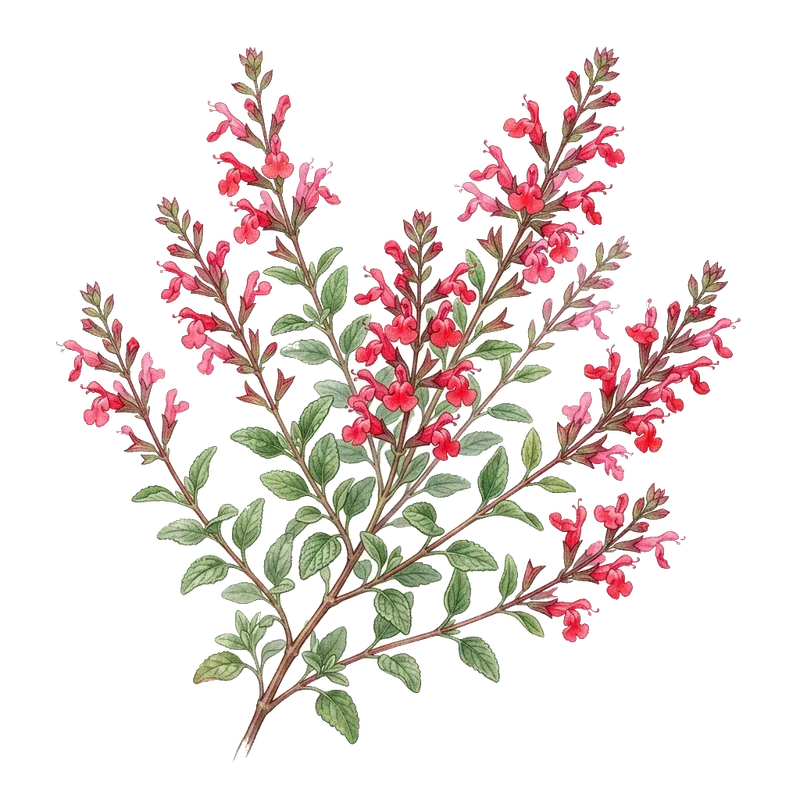
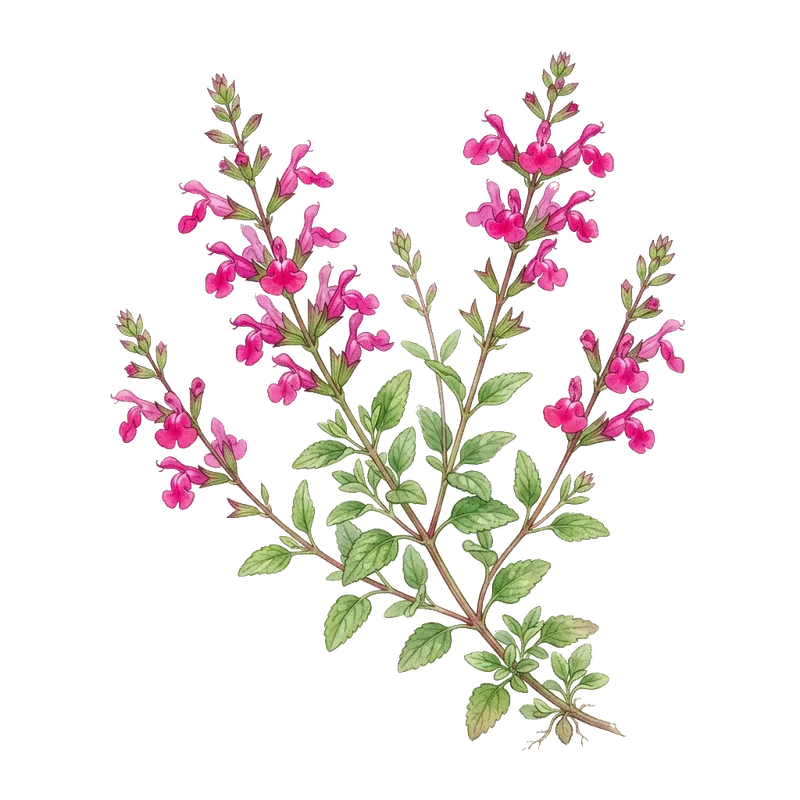
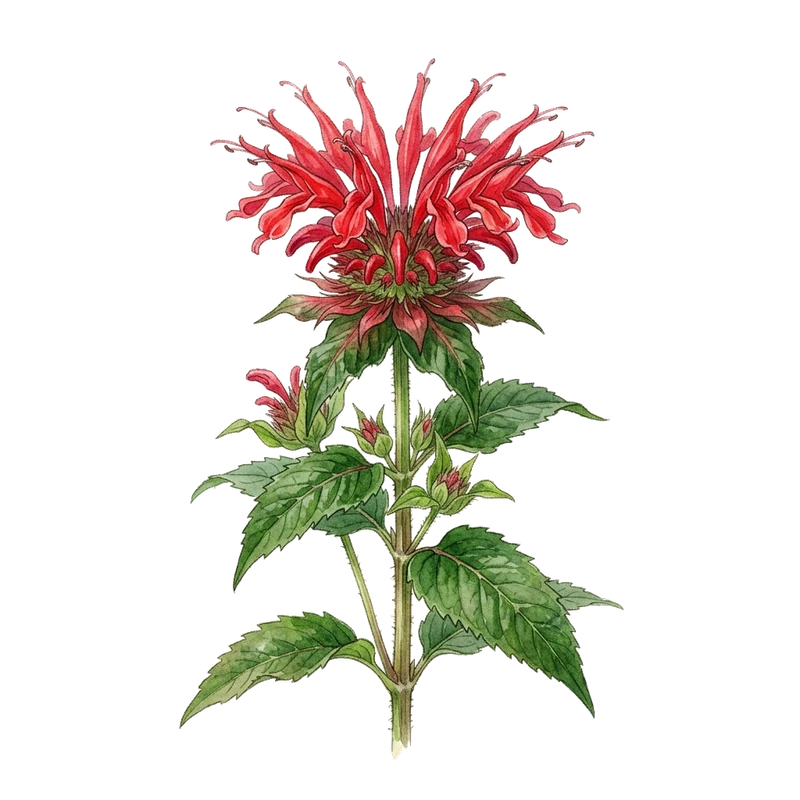
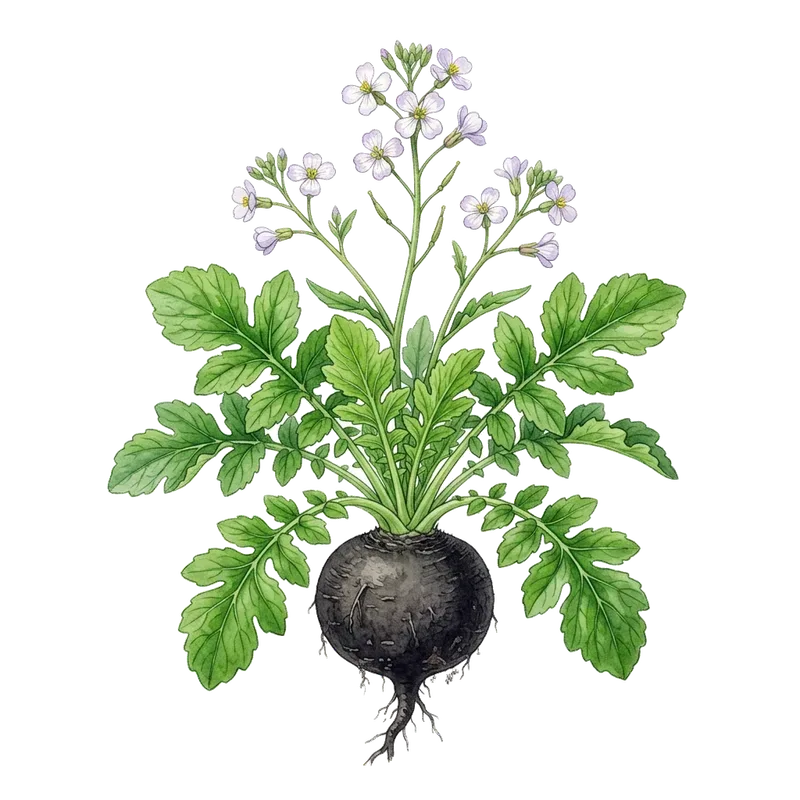
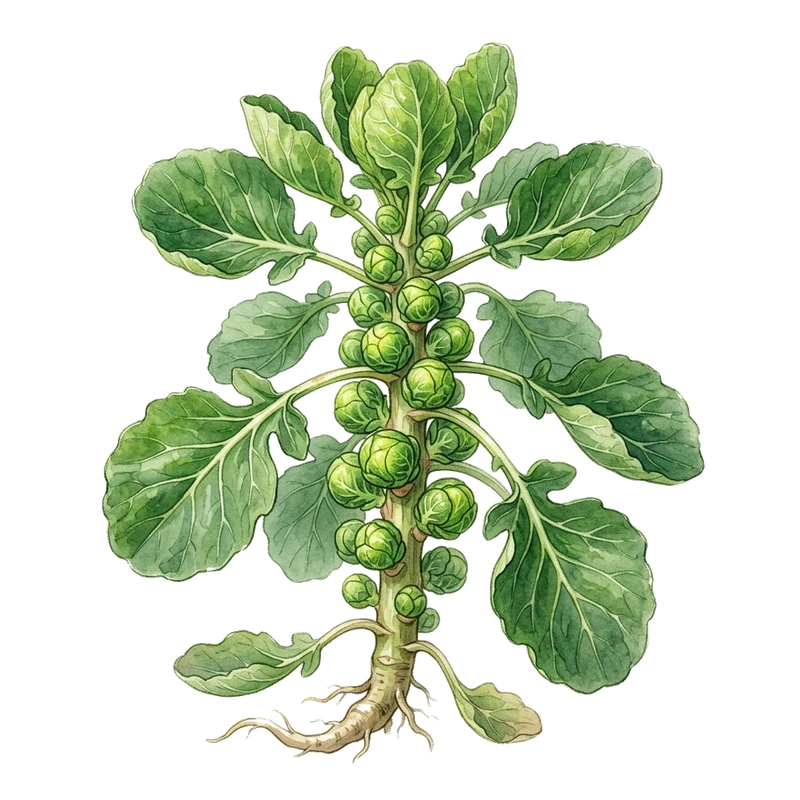
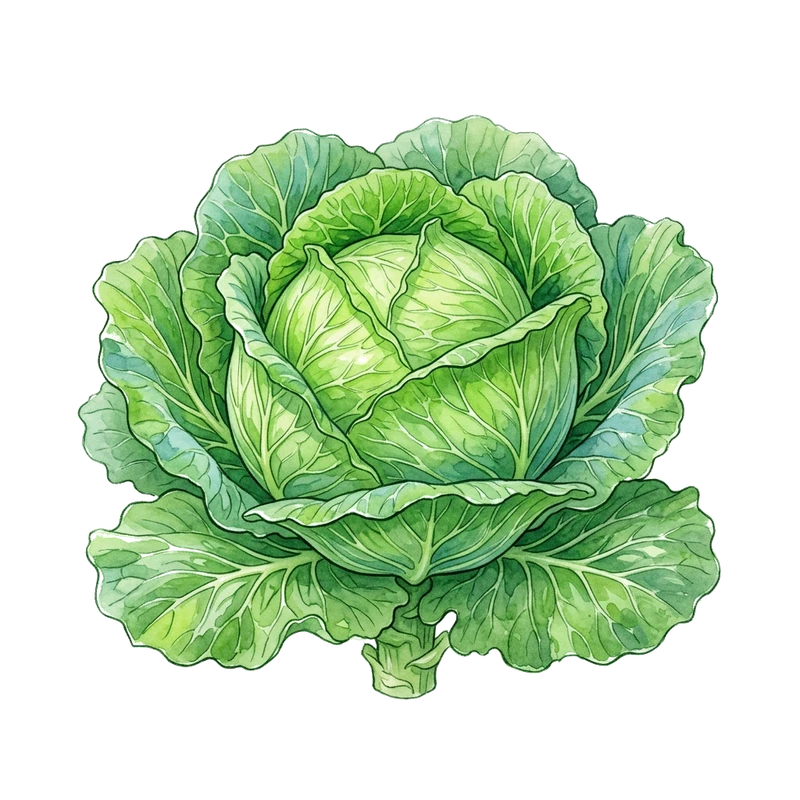
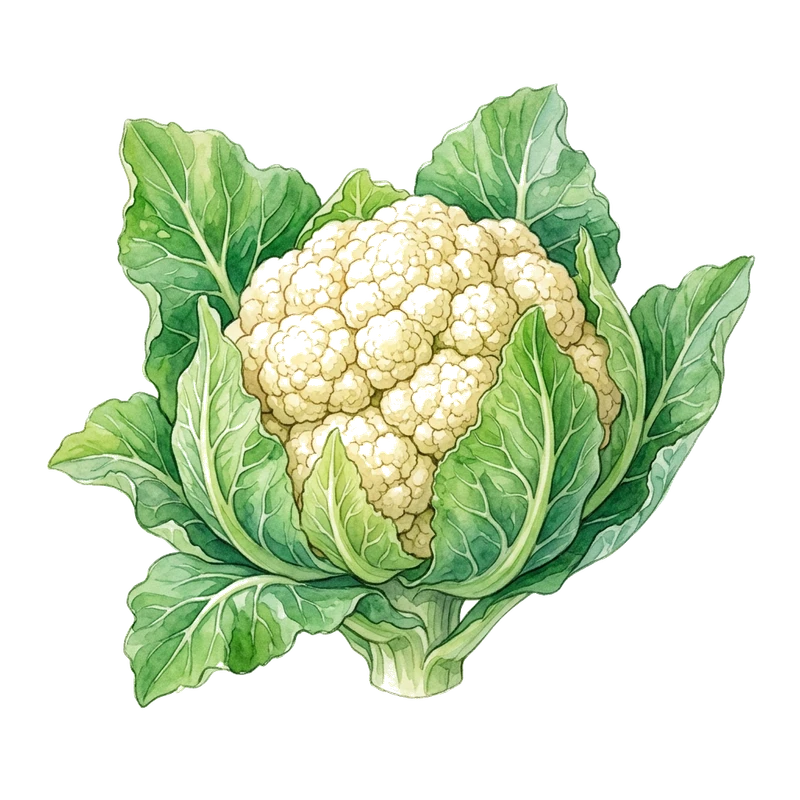
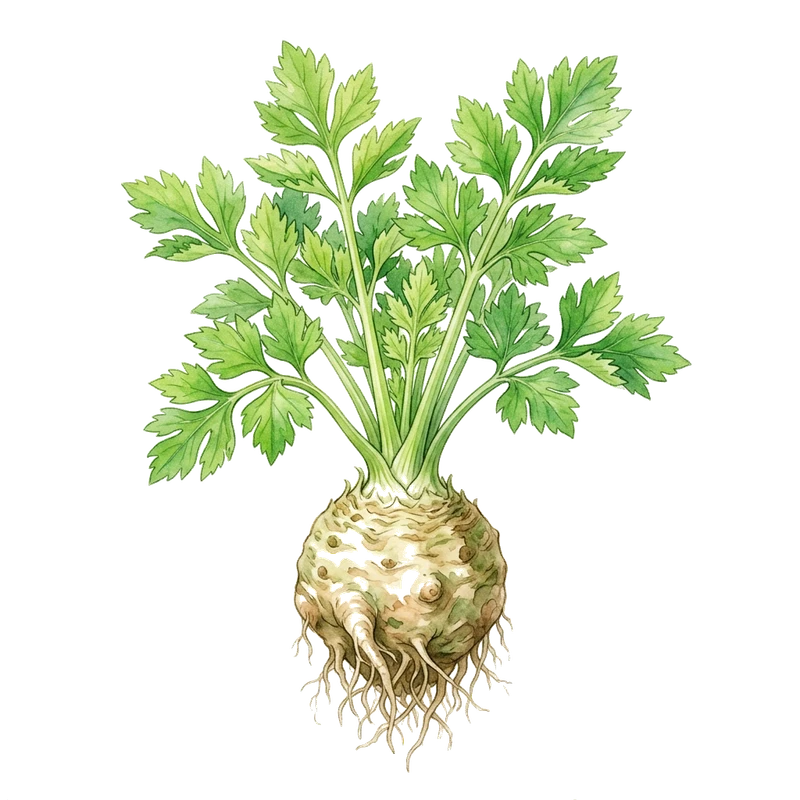
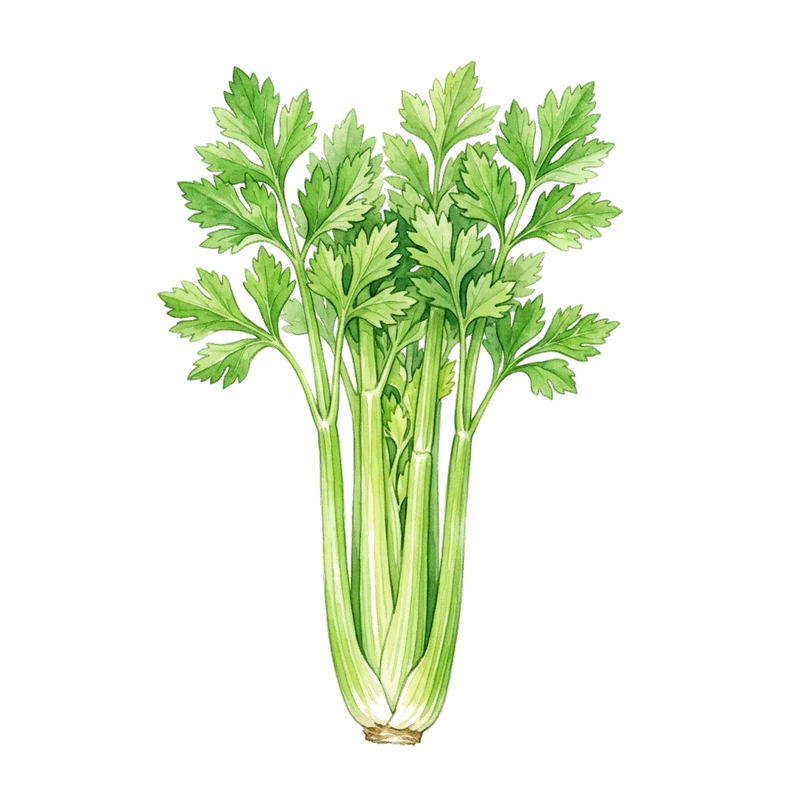
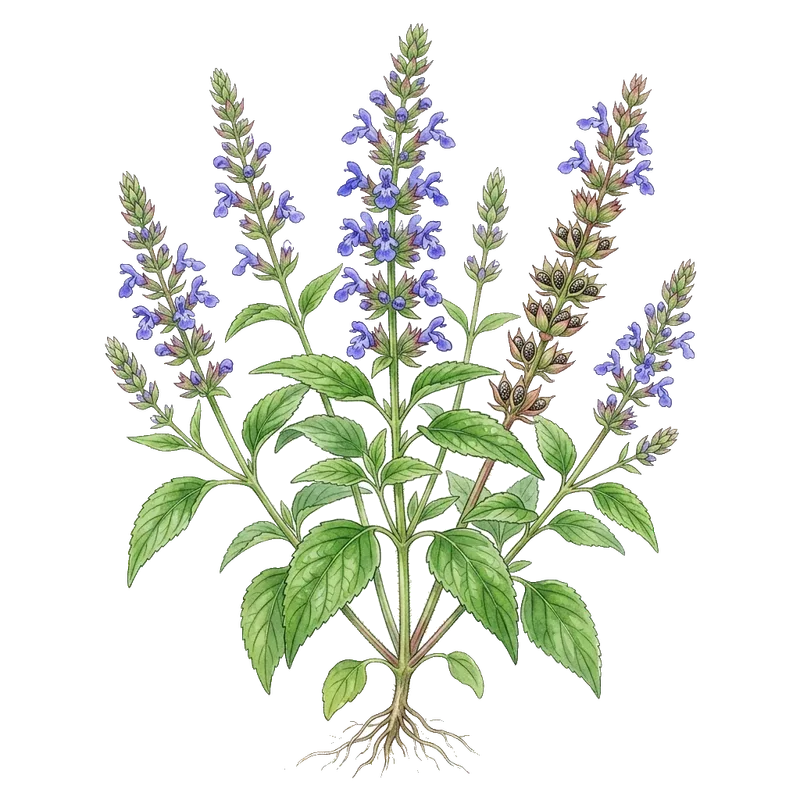
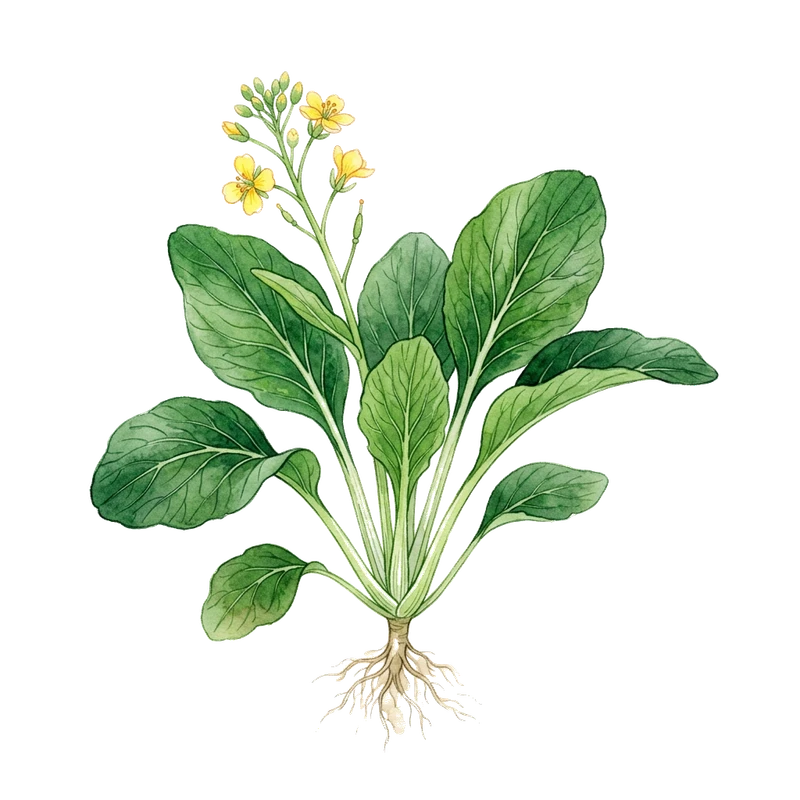
Plants that attract Parasitic wasps
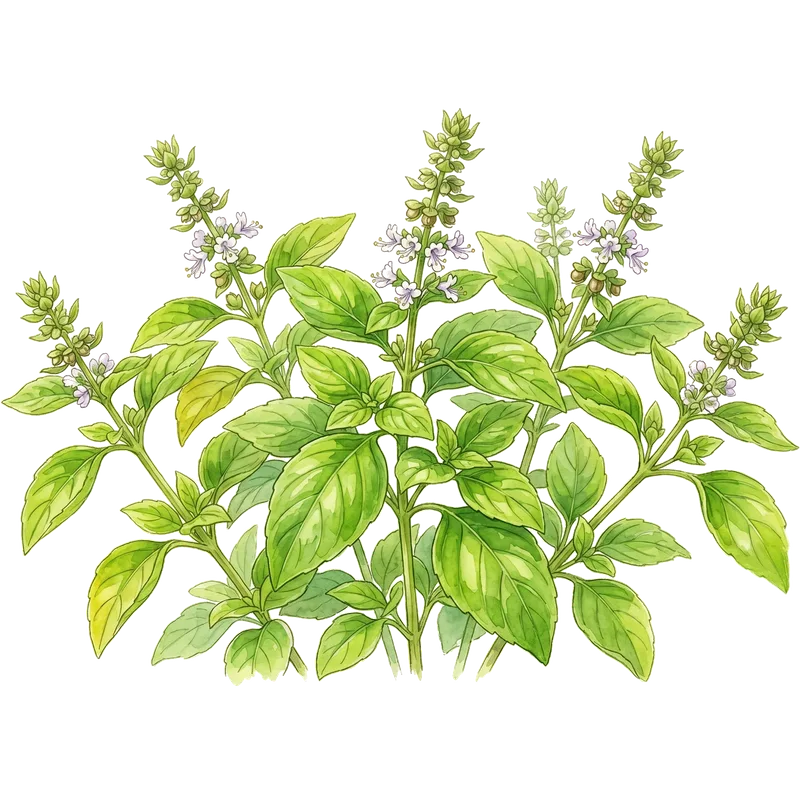
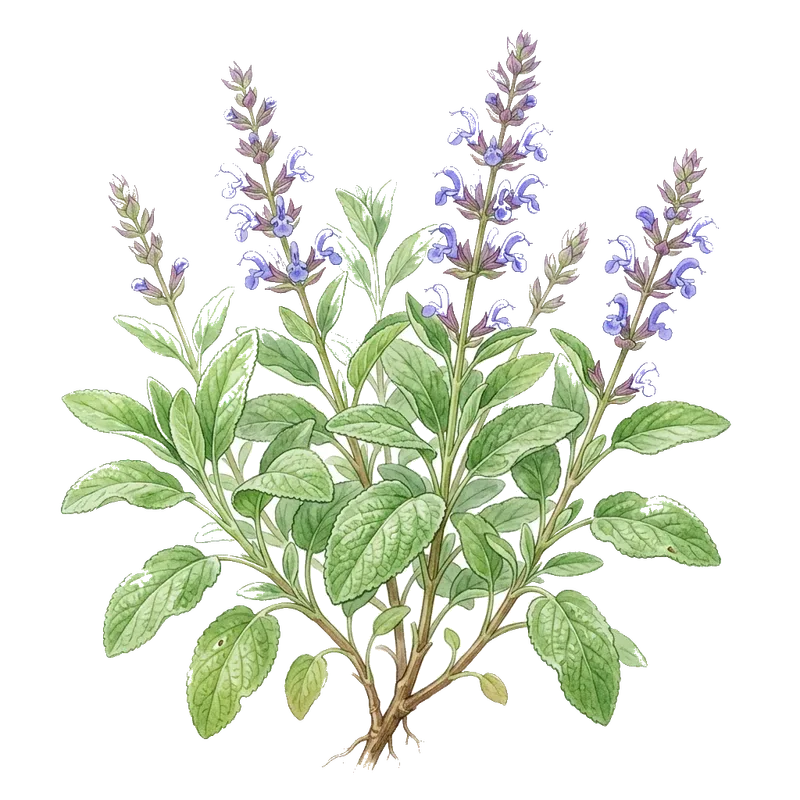
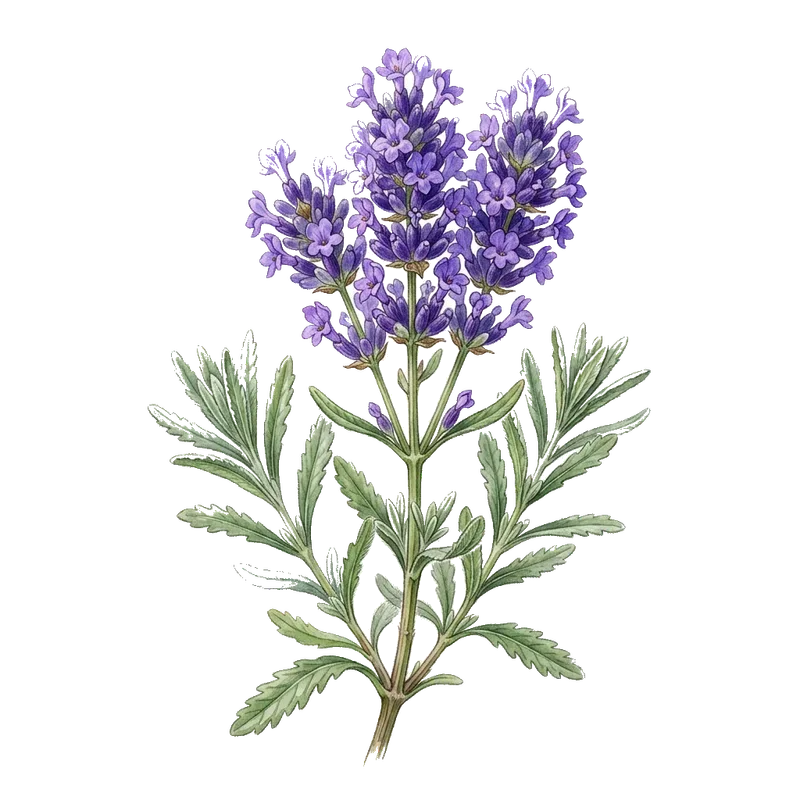
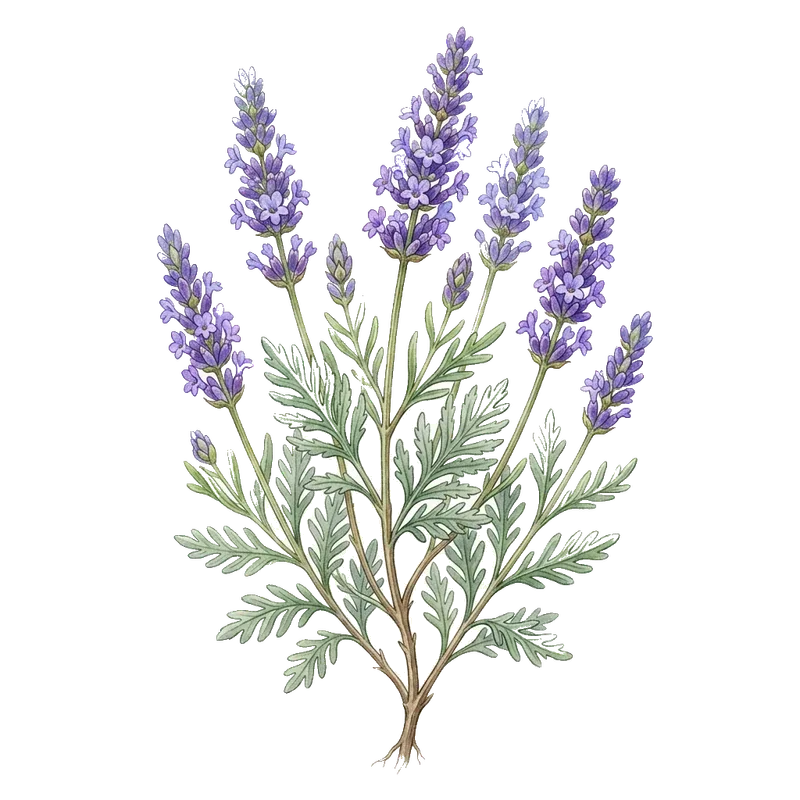
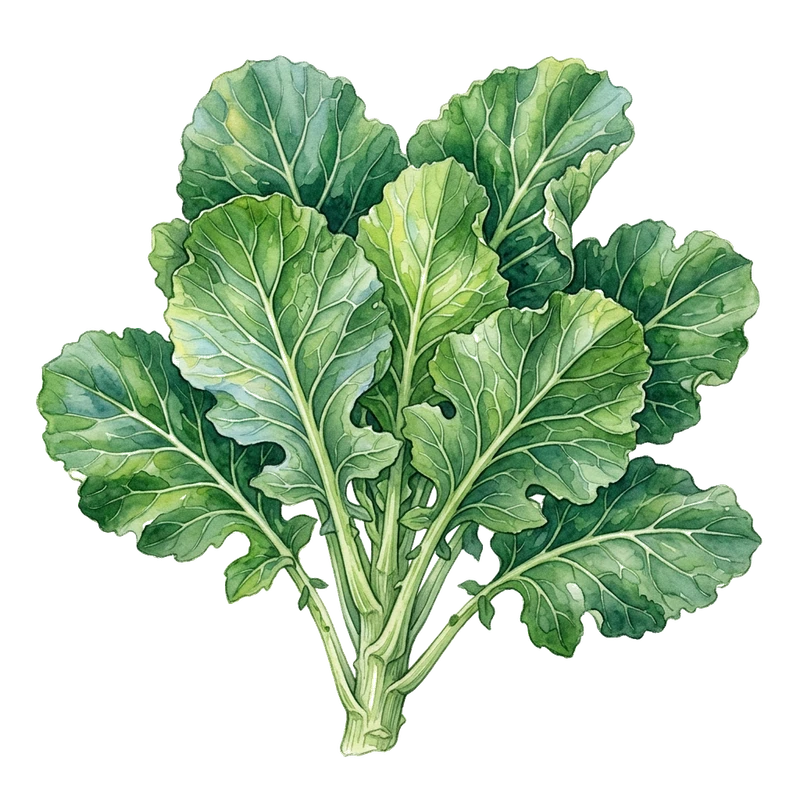
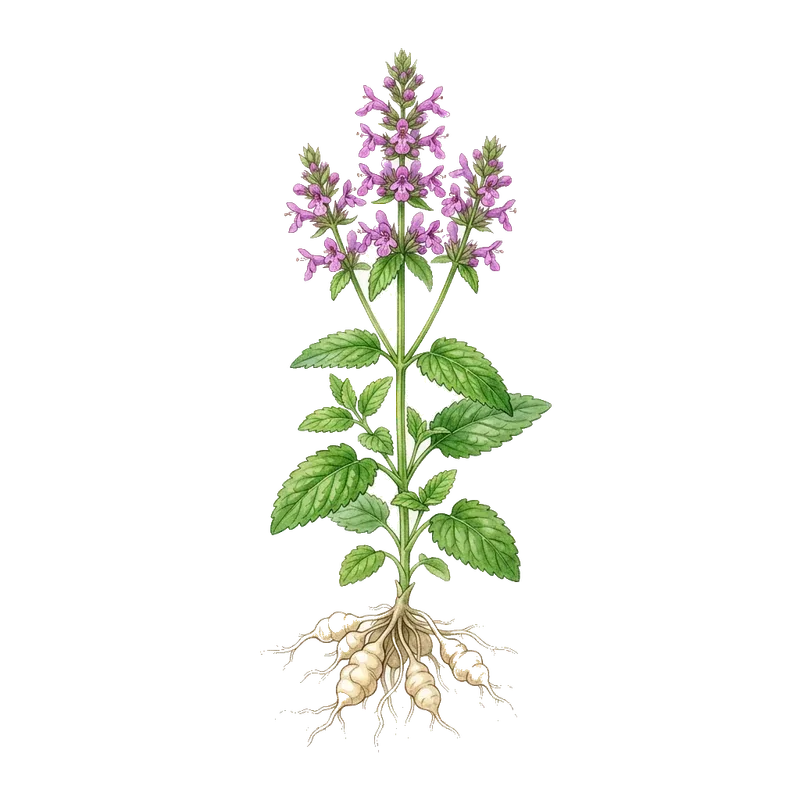
160 plants in our catalog draw Parasitic wasps in. Grow a few of them near the crops you want protected.


How not to kill them
They are exceptionally pesticide-sensitive — more so than the beetles and lacewings. Maryland Extension advises avoiding or strictly limiting insecticides for this group; UC IPM warns off broad-spectrum, persistent products because they are toxic to natural enemies.
Control ants. UC IPM is direct about it: ants attack natural enemies, and they defend the aphid colonies that the wasps need.
Leave the mummies alone. They are not dead aphids to wipe off — each one is a wasp waiting to emerge.
Getting them through the winter
Inside the mummy, on the plant. Lysiphlebus overwinters as a prepupa or pupa inside a parasitised aphid, so the stems you cut down in autumn may be carrying next spring’s parasitoids. Many gardeners delay cutting perennials back for exactly this kind of reason. Where winters are mild, Diaeretiella can stay active year-round.
Then give the emerging adults something to drink: UC IPM’s advice is to grow flowering insectary plants to nourish adult parasitoids.
Sources
- UC IPM — Aphidius aphid parasitoids
- UC IPM — Lysiphlebus aphid parasitoid
- UC IPM — Diaeretiella aphid parasitoid
- University of Maryland Extension — Parasitoid wasps
- University of Maryland Extension — Braconid and ichneumonid wasps
- RHS — Cutting back perennials
- UC IPM — Biological control and natural enemies of invertebrates