
Flea beetles
Chrysomelidae (Alticini)
Shot-holes in seedling leaves, and a beetle that jumps when you lean in.

How to spot them
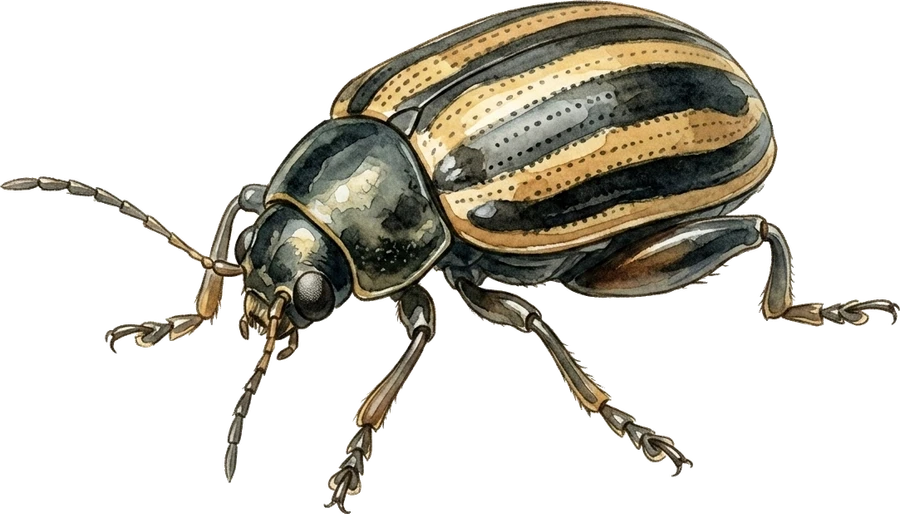
The behaviour is the identification: all flea beetles are tiny, under a tenth of an inch, and jump like fleas when disturbed.
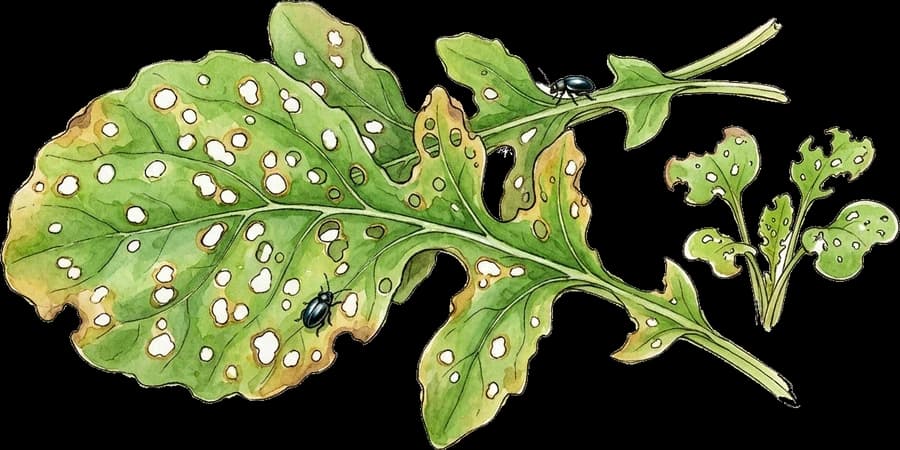
Adults feed mostly on leaves, leaving tiny pits or small holes. On a badly hit seedling the leaves end up covered in bleached, pitted areas or ragged shot-holes.
The severity framing matters more than anything else on this page: damage is not usually serious beyond the early seedling stage. A mature, vigorous plant shrugs off the same beetle population that would kill a week-old transplant.
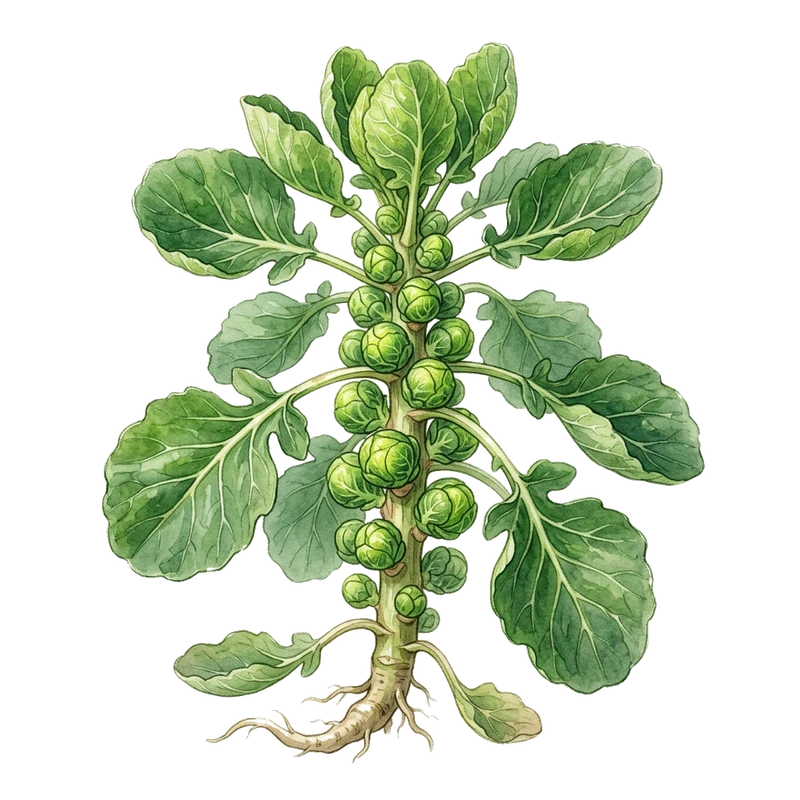
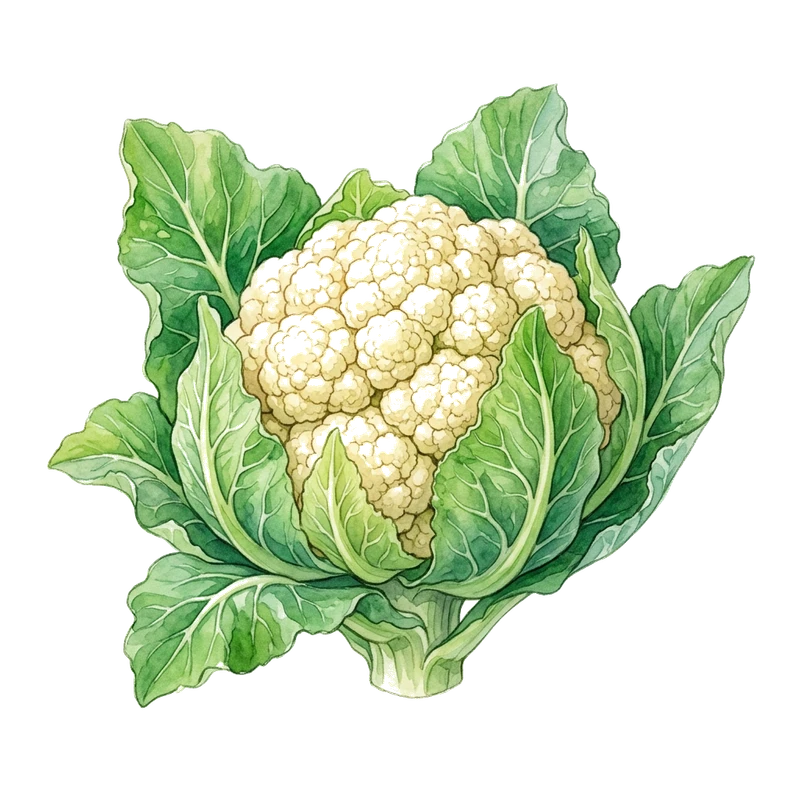
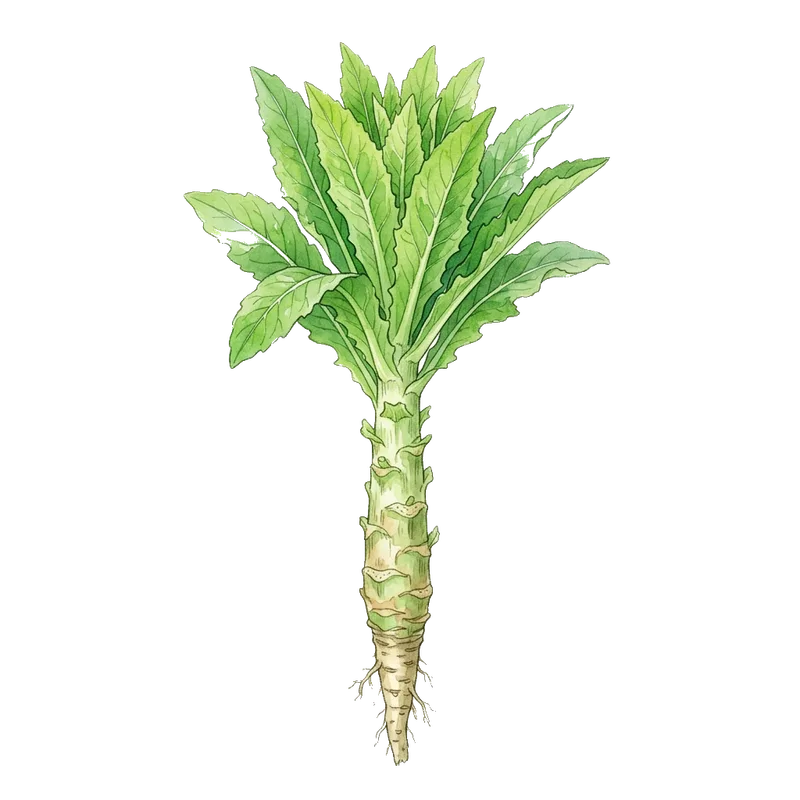
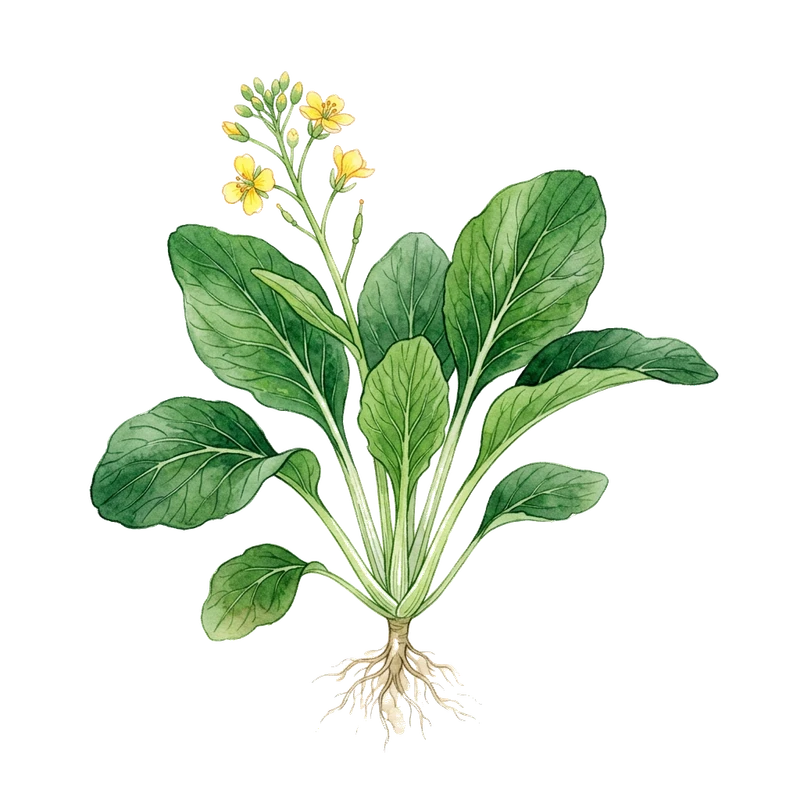
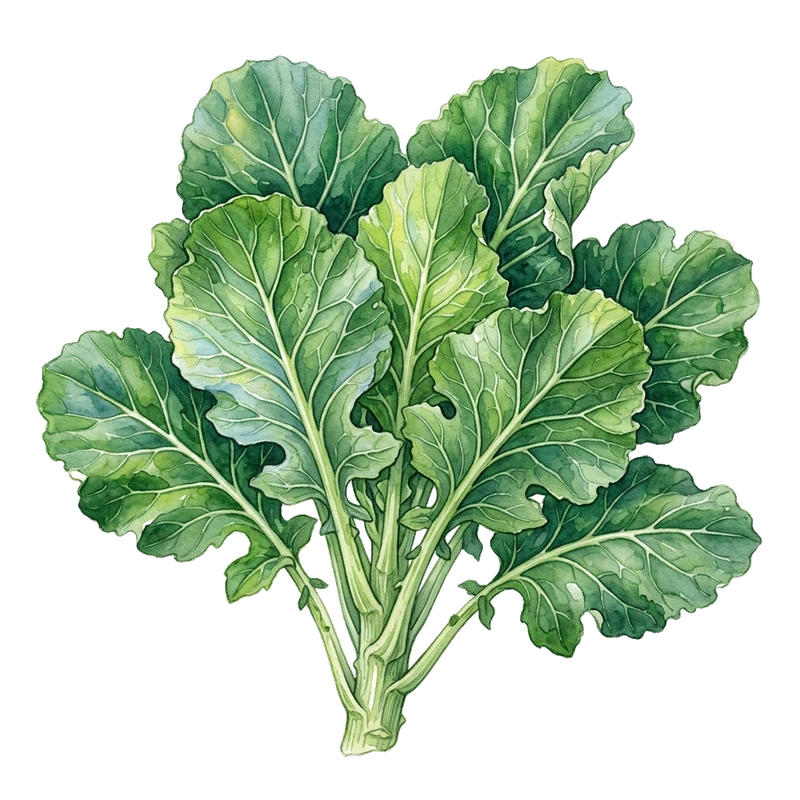
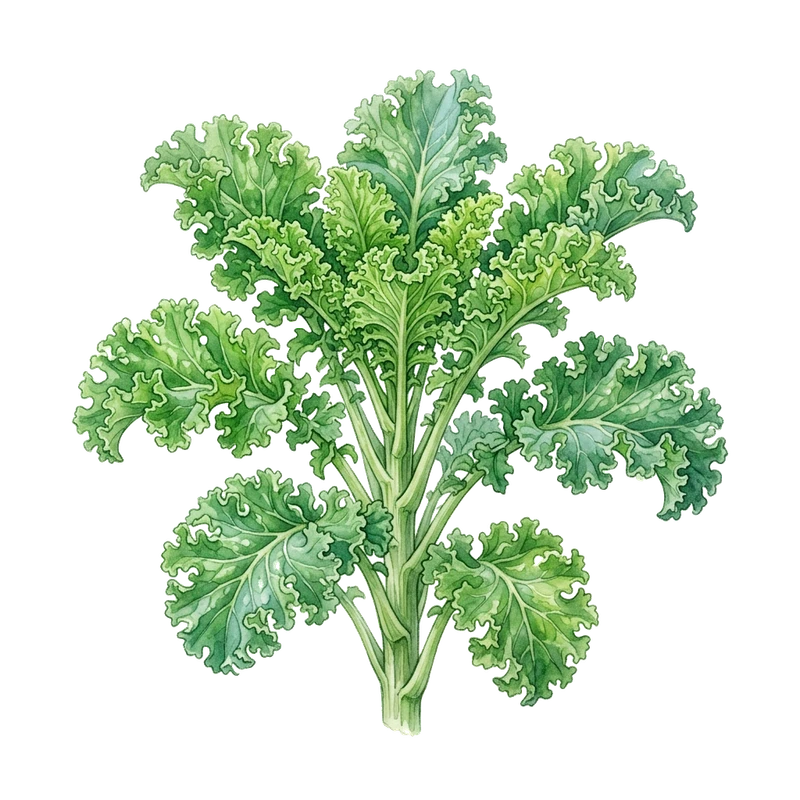
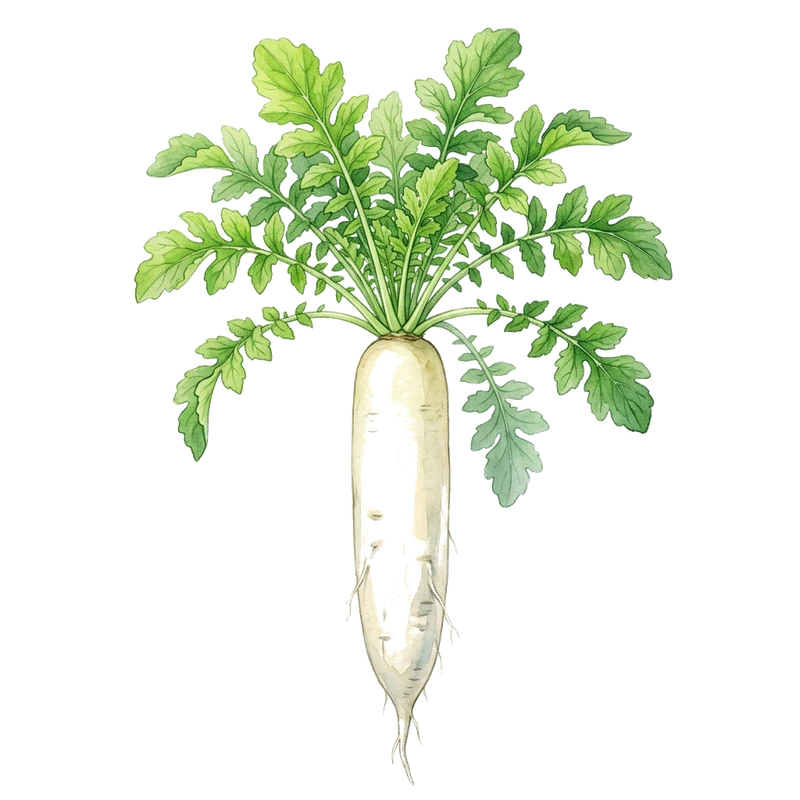
Adults overwinter in weeds and debris and arrive in spring, which is exactly when your seedlings are most vulnerable. Brassicas are the classic target, along with potato, eggplant and carrot.
Plants they attack
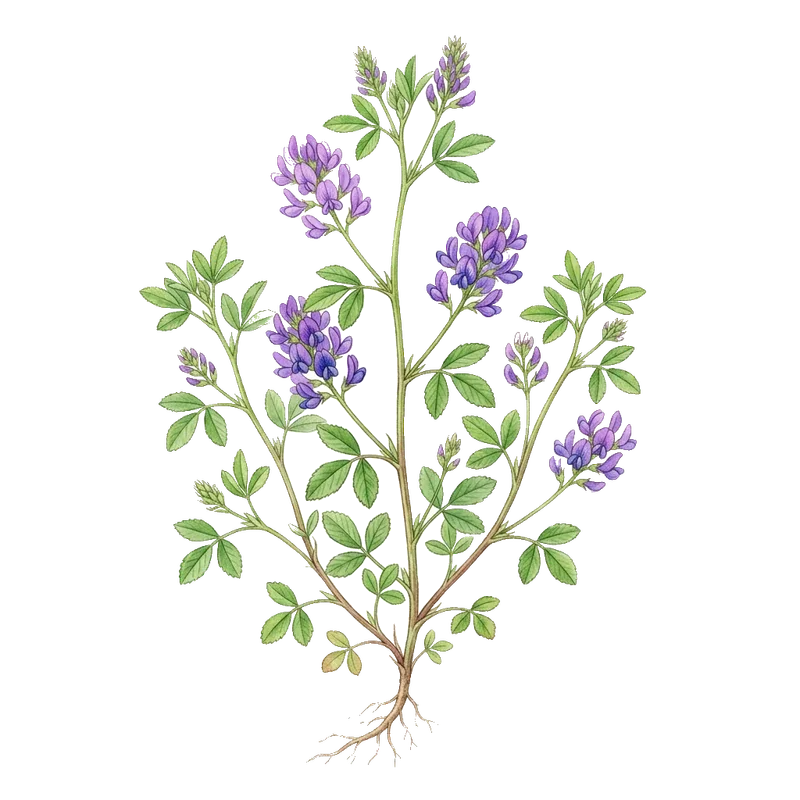
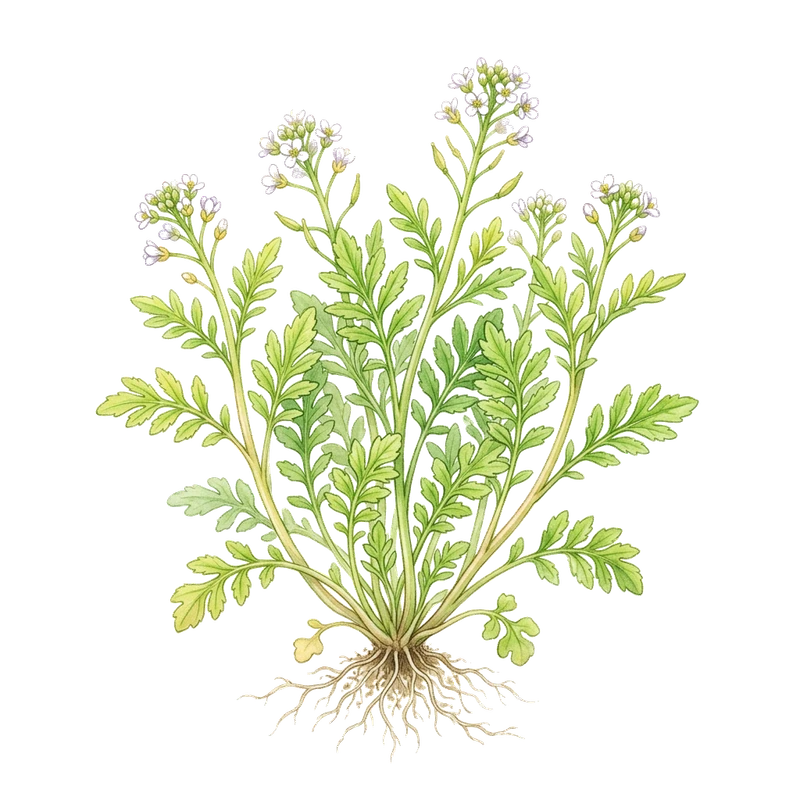
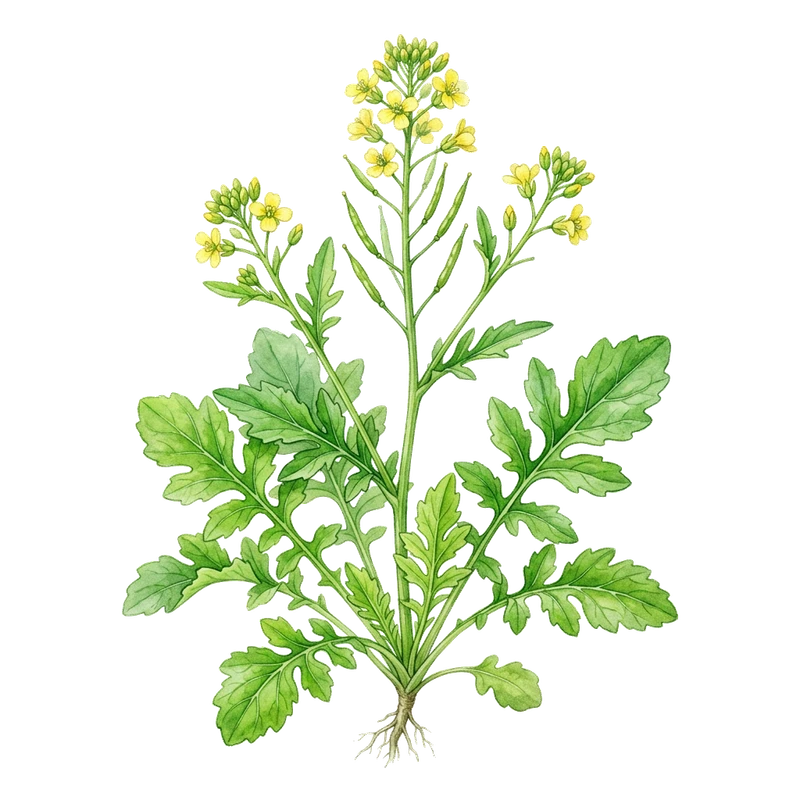
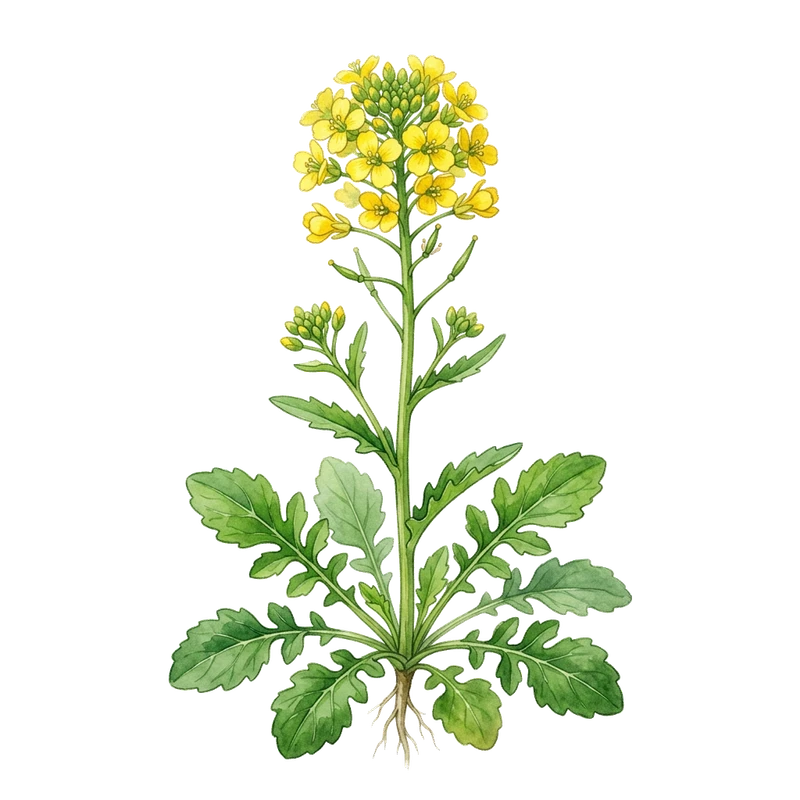
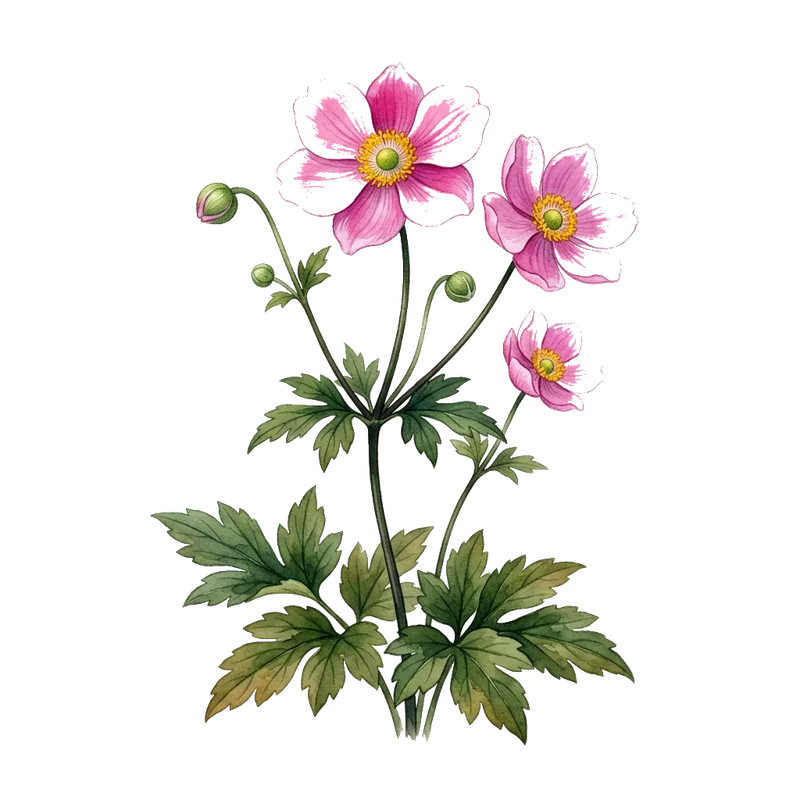
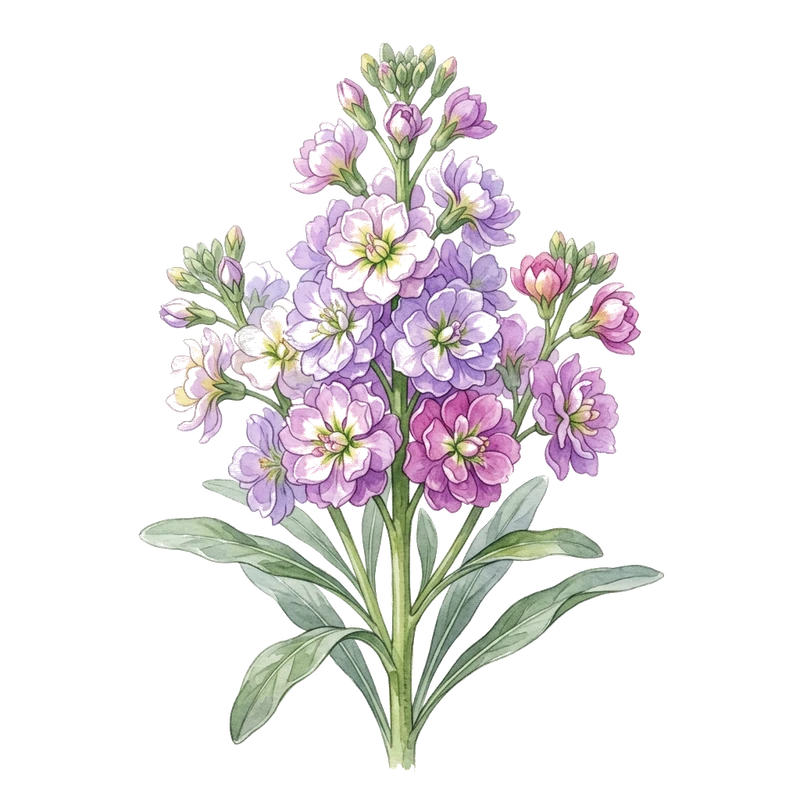
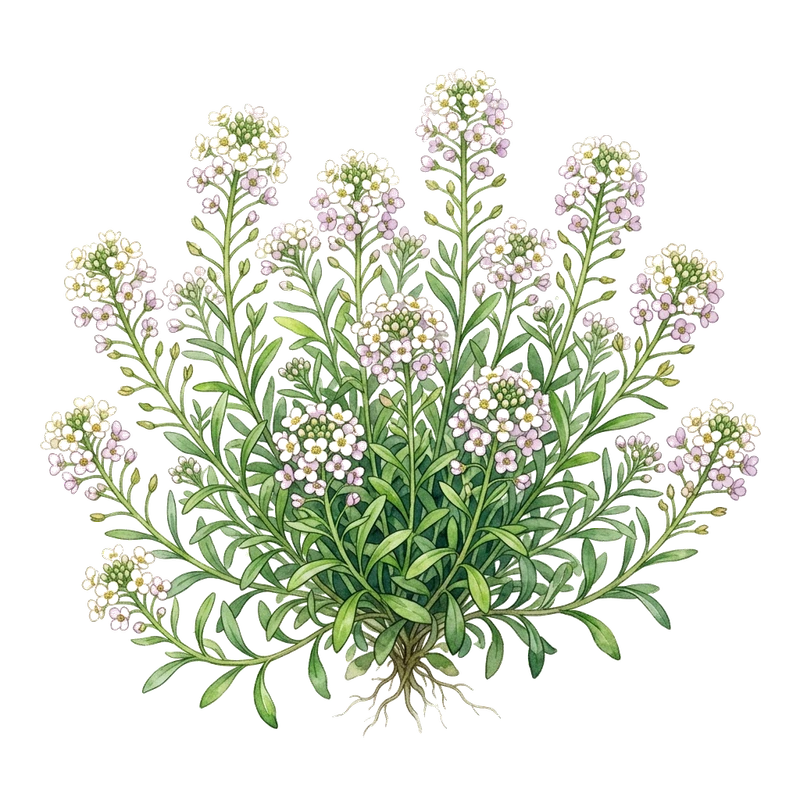
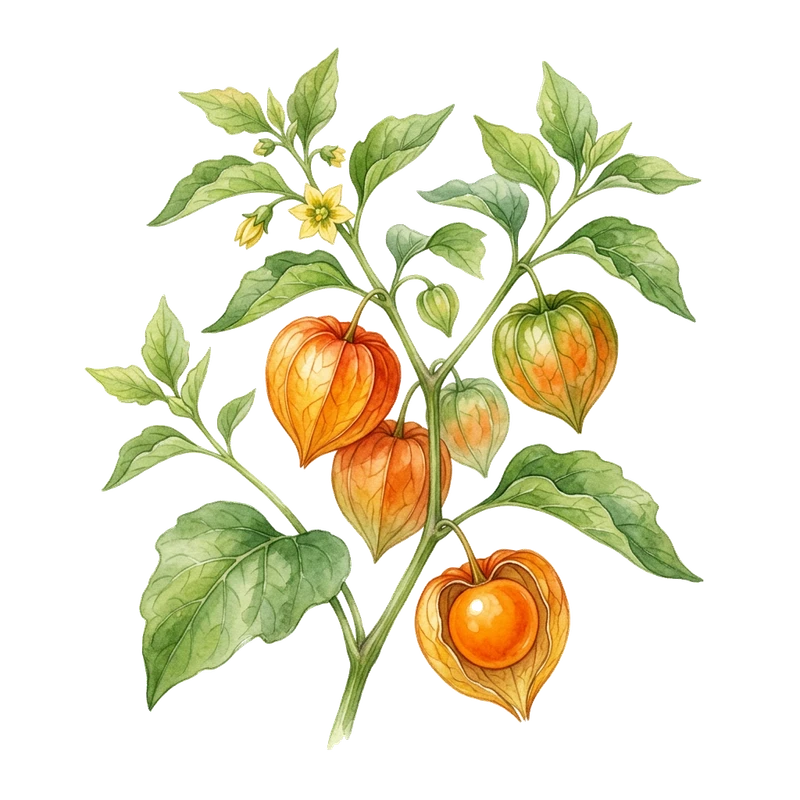
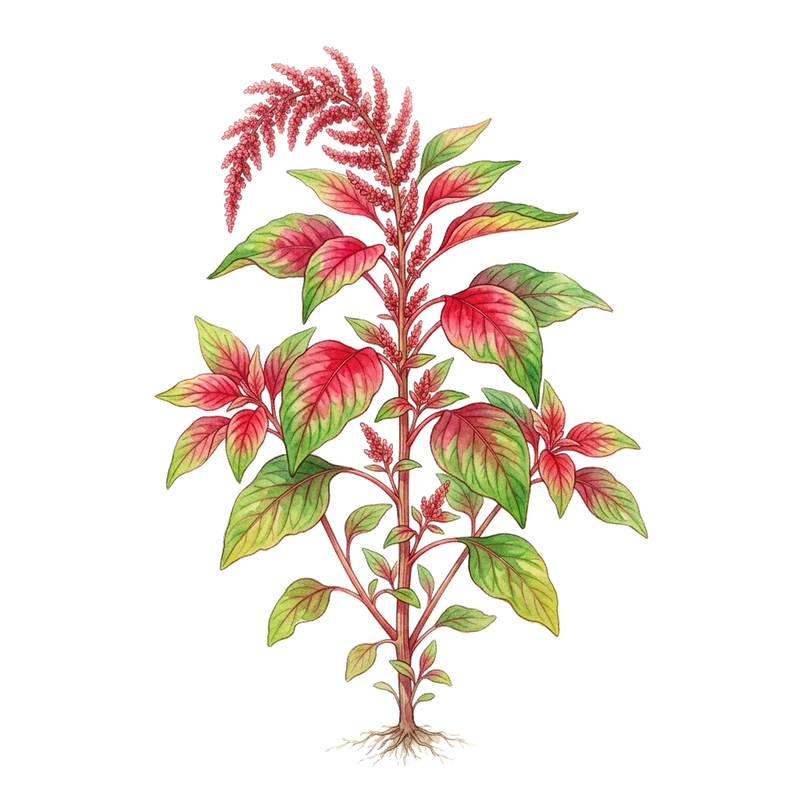
49 plants in our catalog are recorded as prone to Flea beetles. Click any of them to see what else it draws in.


What eats them
These are the predators that go after Flea beetles. Grow the plants that bring them in and they do the work for you.
Plan a garden that defends itself
Put the host crop and its predator plants in one plan and see when each one flowers.
Organic control
Cover seedlings and keep them covered until they reach the sixth leaf stage — by then they have outgrown the risk.
Remove weeds along the edges of the bed, which is where the beetles move in from, and clear debris in autumn to take out overwintering adults.
Reflective mulch helps, but only if applied very soon after planting.
White sticky traps are useful for monitoring or trapping adults, and new transplants are worth checking twice a week until they are well established.
Because this is a seedling-stage problem, the effective response is almost entirely about timing and covers rather than treating the plant.