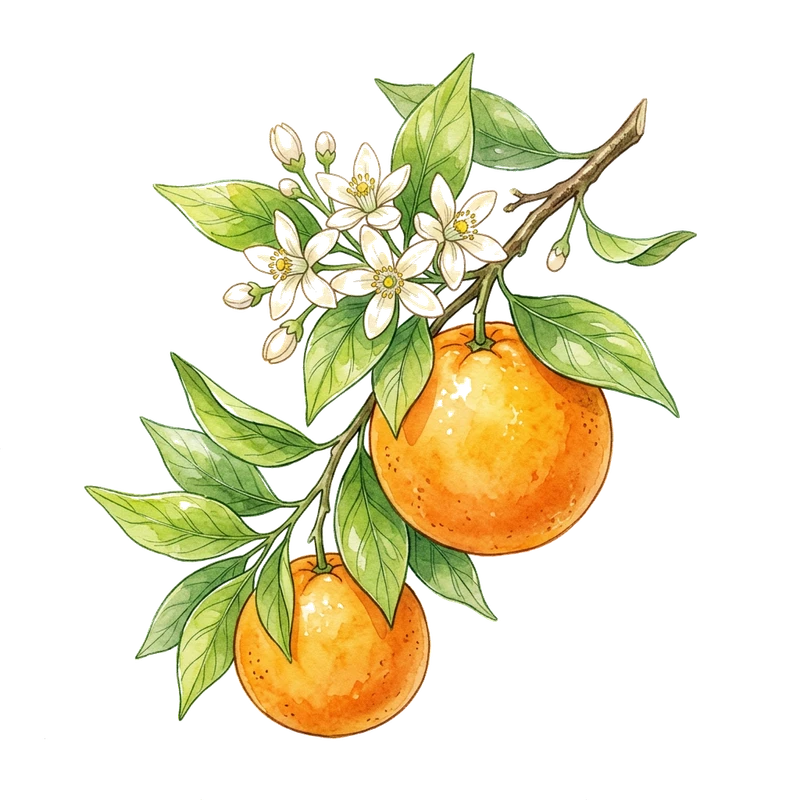

Whitefly
Aleyrodidae
A puff of white when you brush the leaf, and stickiness underneath.

How to spot them
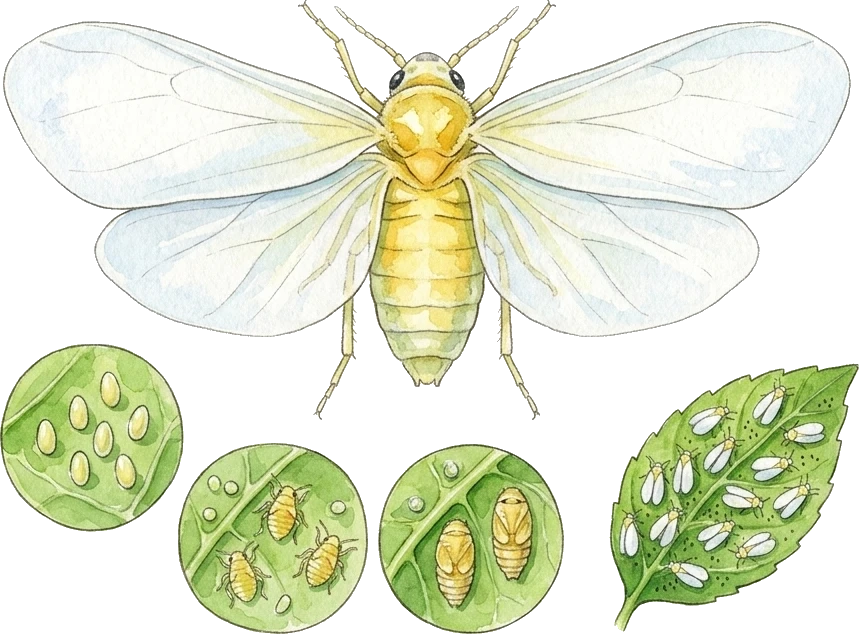
Adults are tiny, with yellowish bodies and four whitish wings, and they fly up in a cloud when you disturb the plant. The immature stage looks nothing like them: flat, oval, creamy-white scales that do not move at all, which is why they are so often missed.
Look on the undersides of leaves, where the large colonies develop.
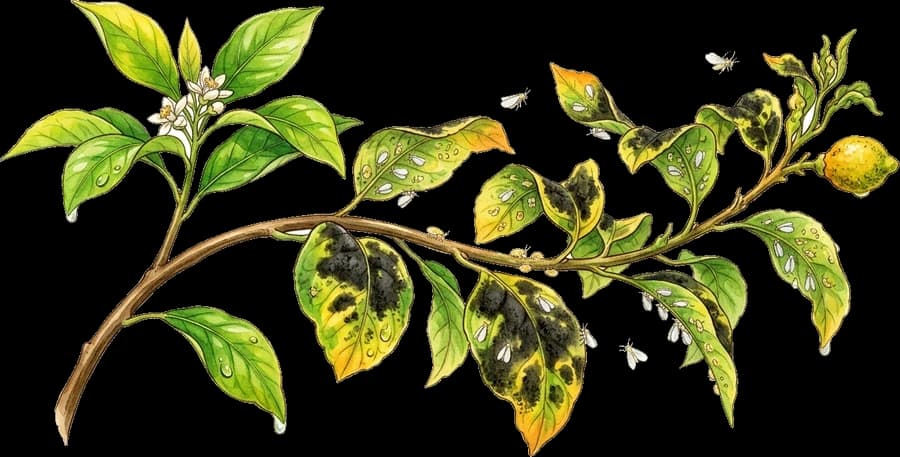
The damage signature is sticky honeydew on leaves, fruit and whatever is underneath, followed by black sooty mould growing on it. Heavy populations turn leaves yellow, dry-looking, or drop them.
They develop fast in warm weather and populations build very quickly. In a cool-summer climate this is mainly a greenhouse problem — glasshouse whitefly does not usually survive winter outdoors.
Plants they attack
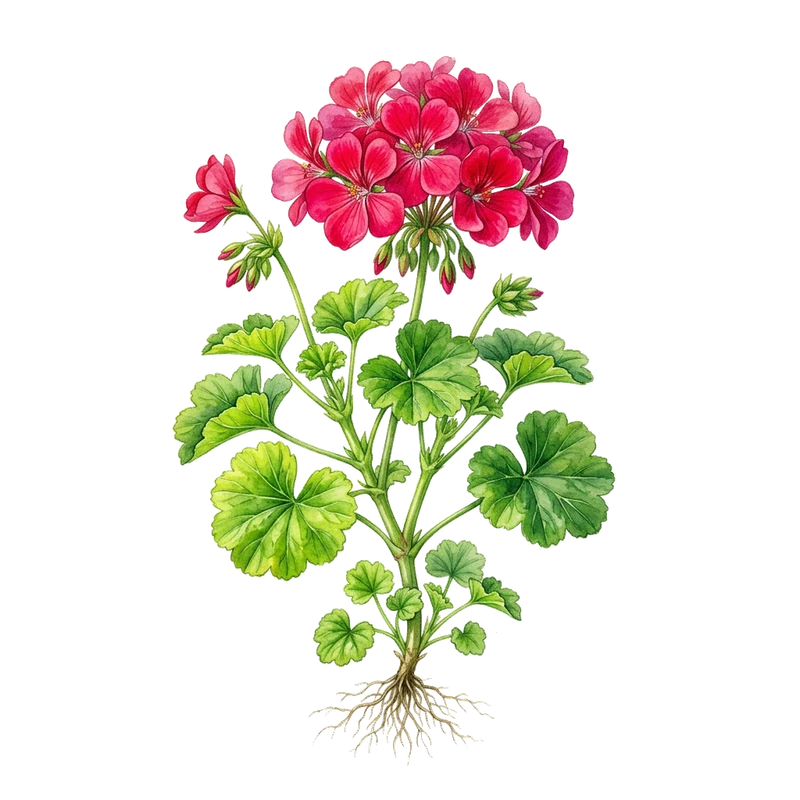
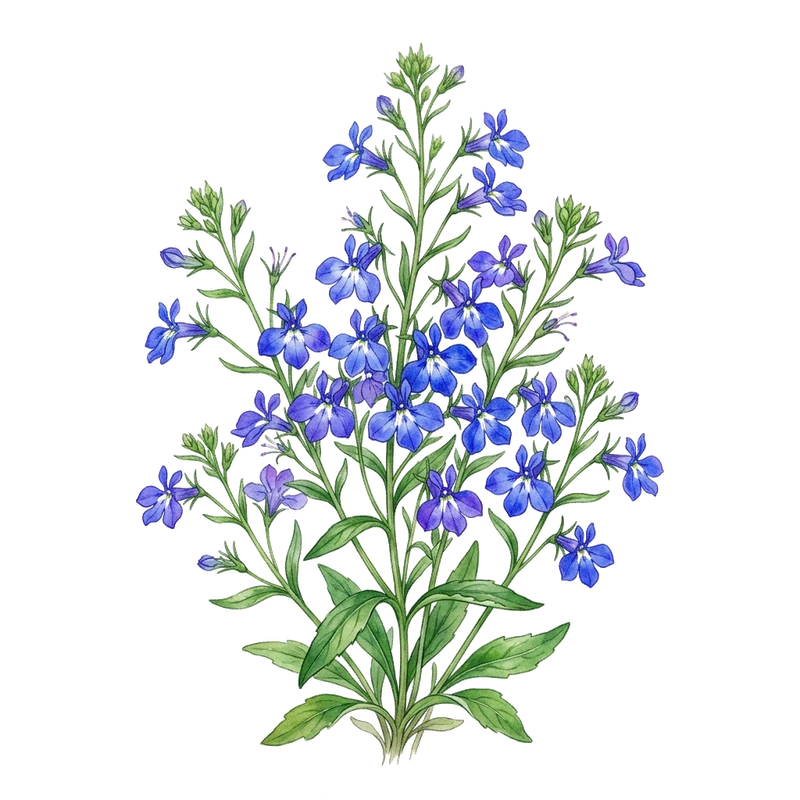
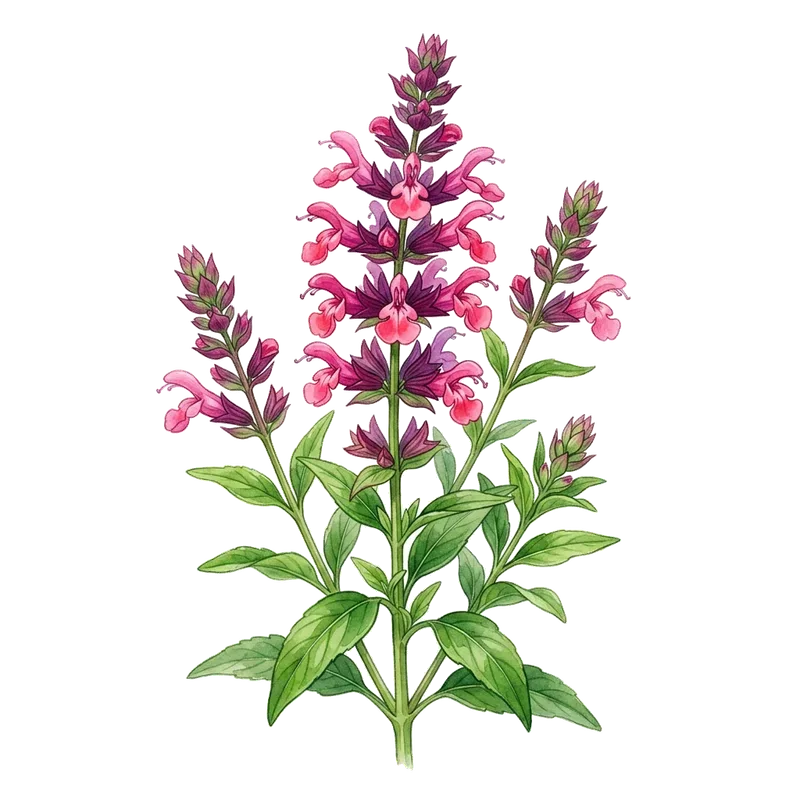
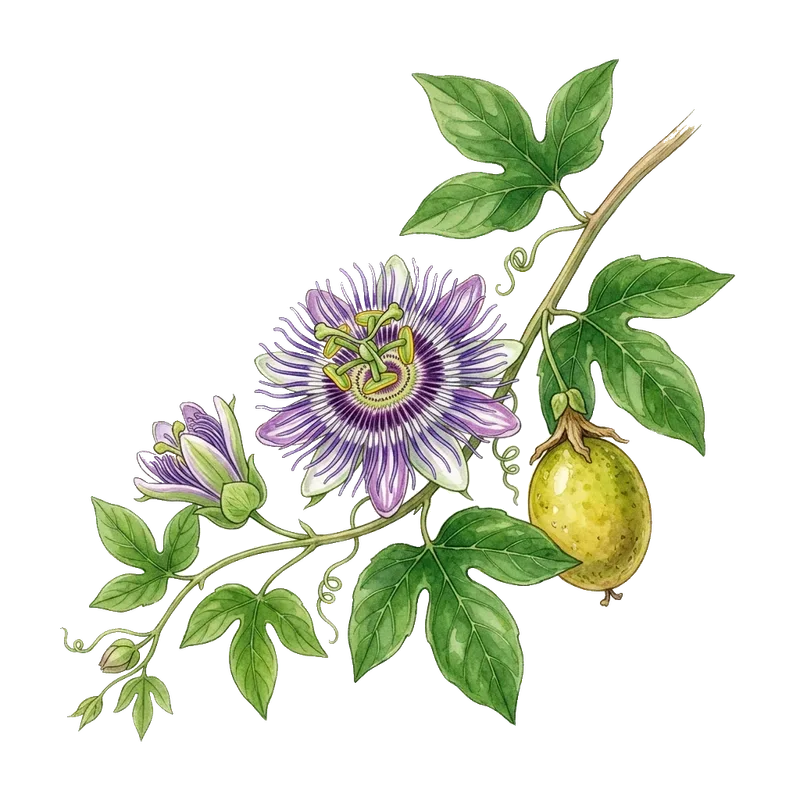
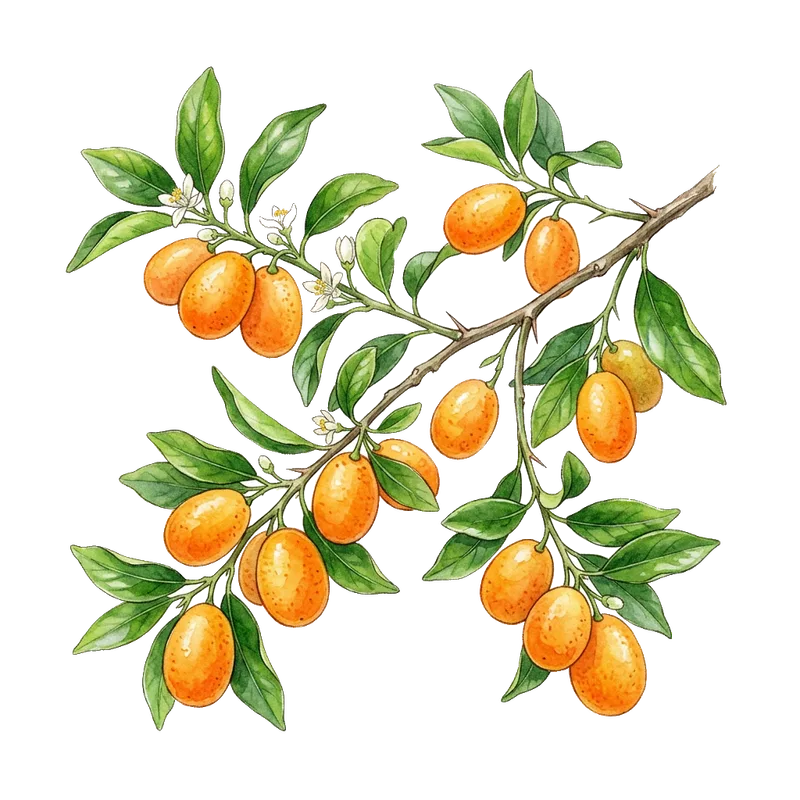
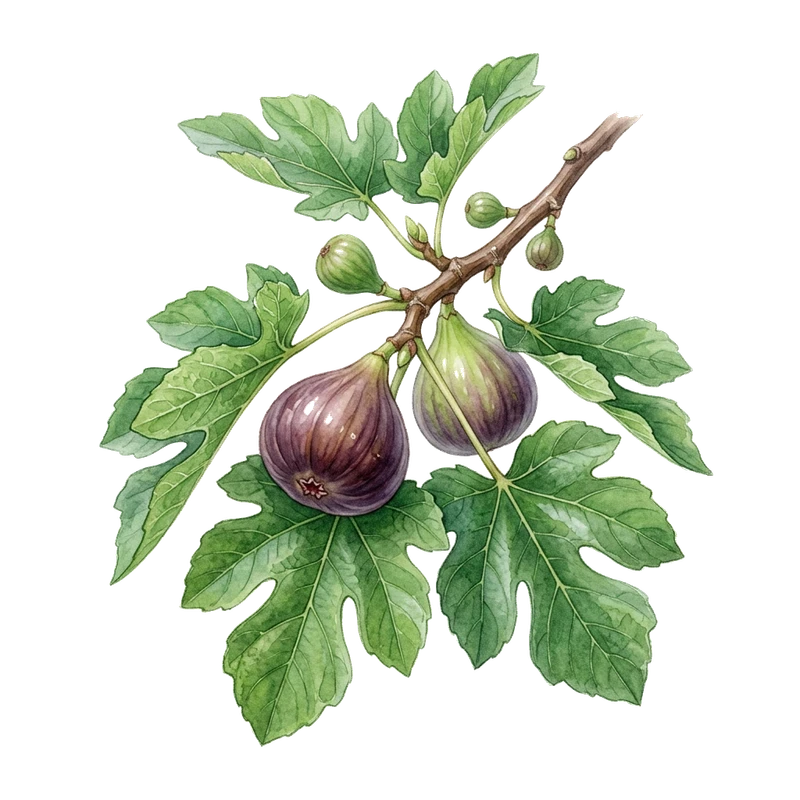
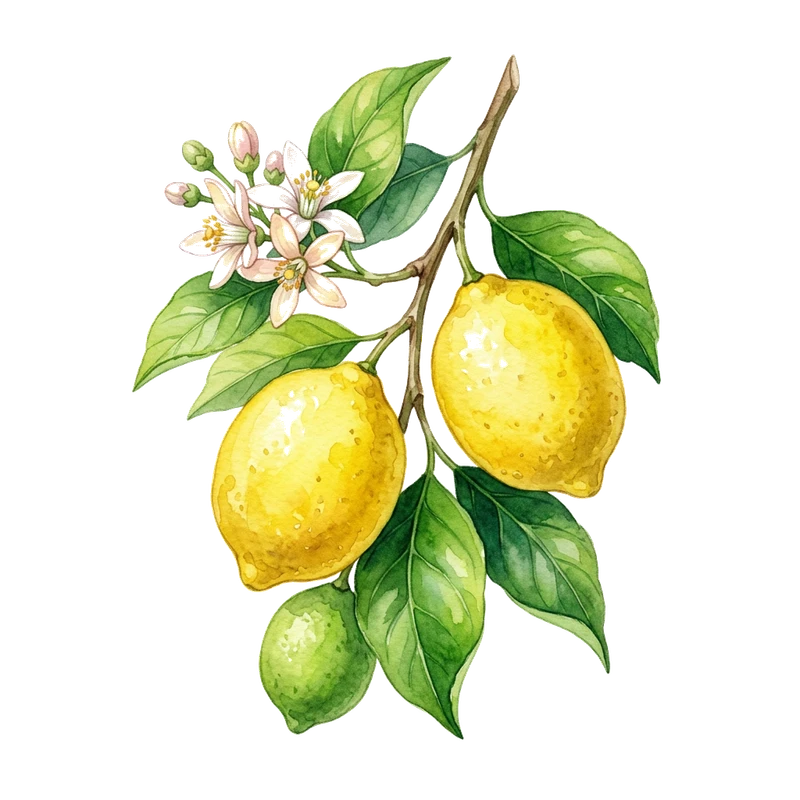
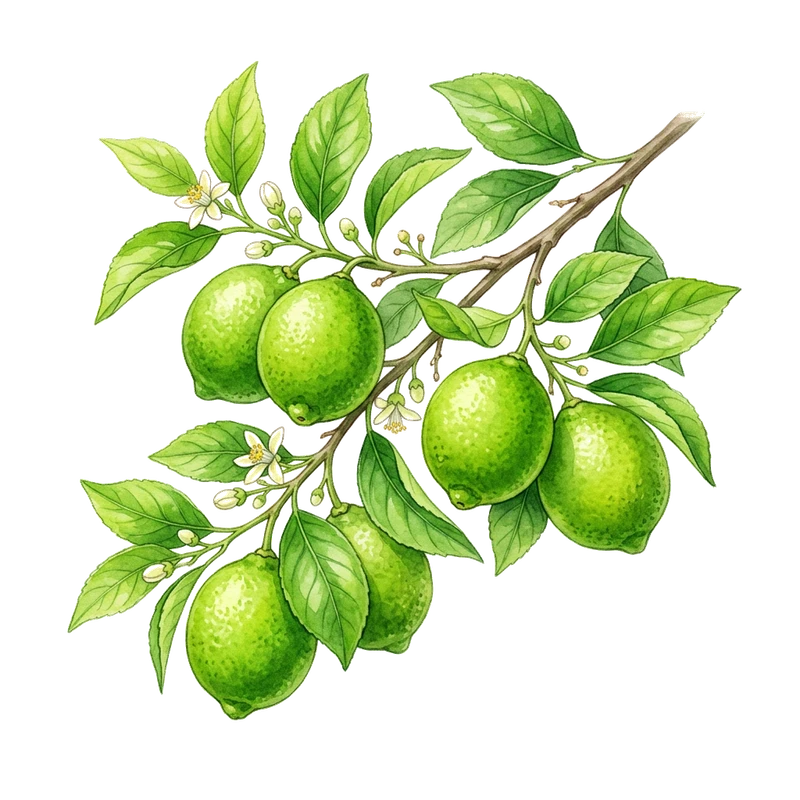
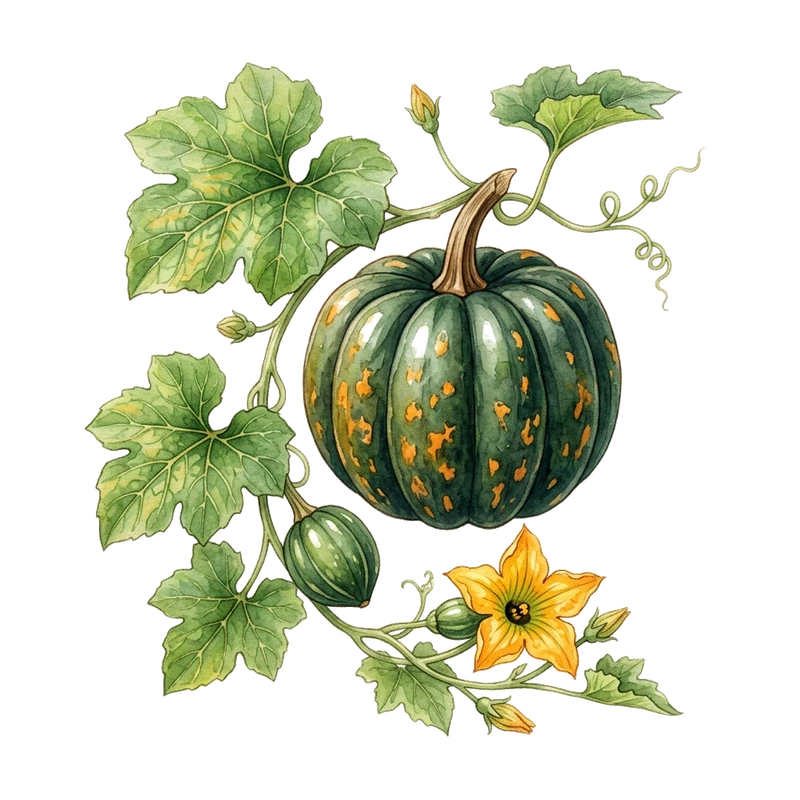
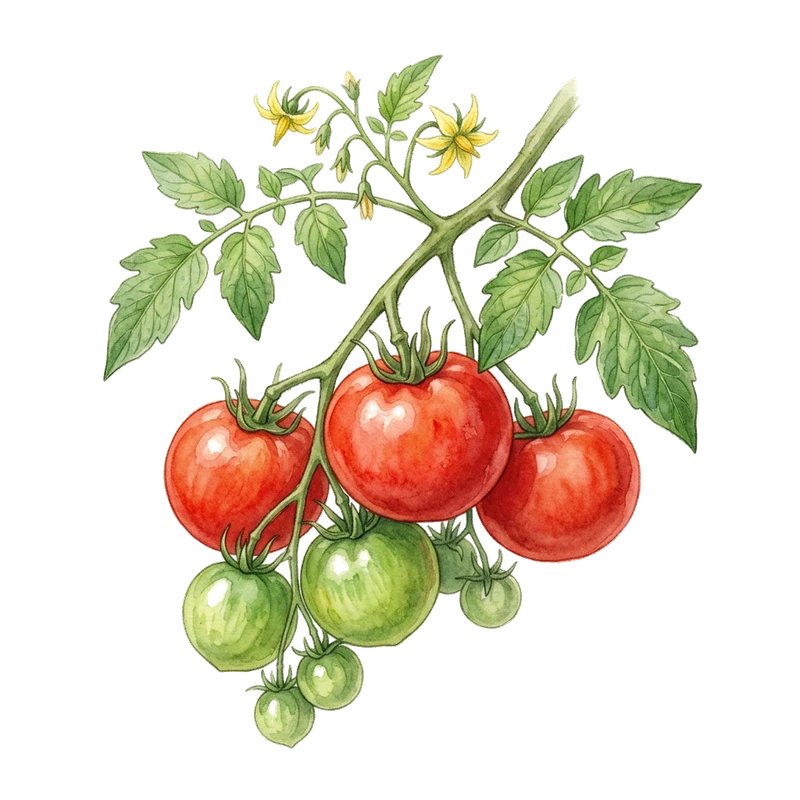
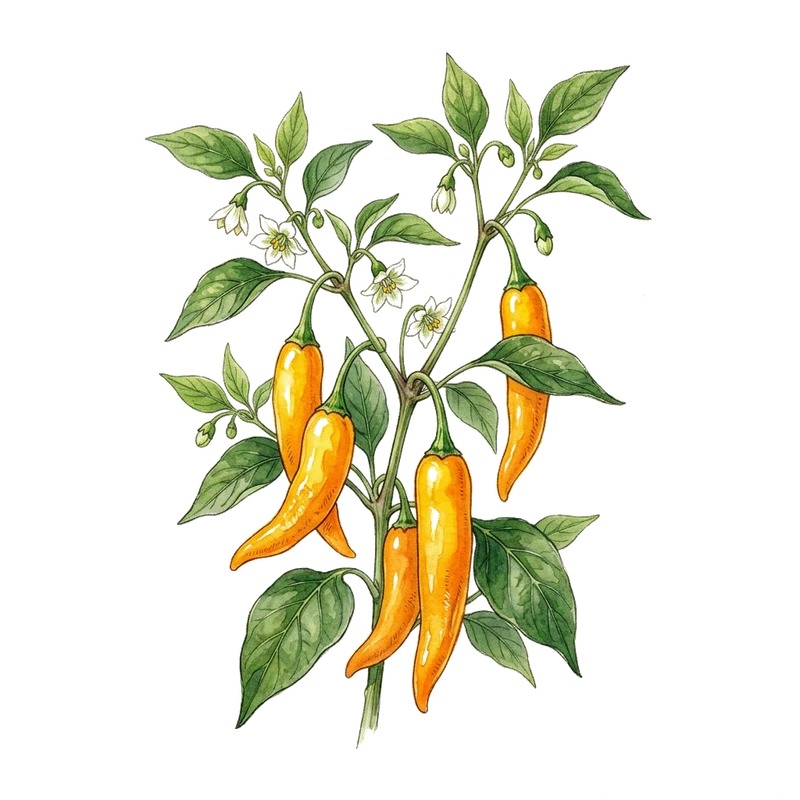
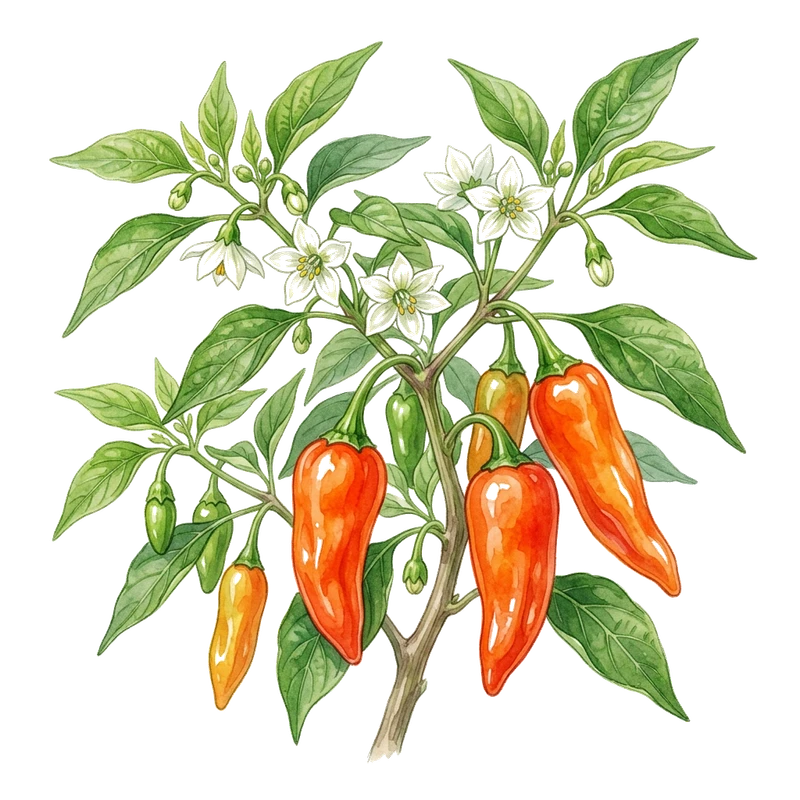
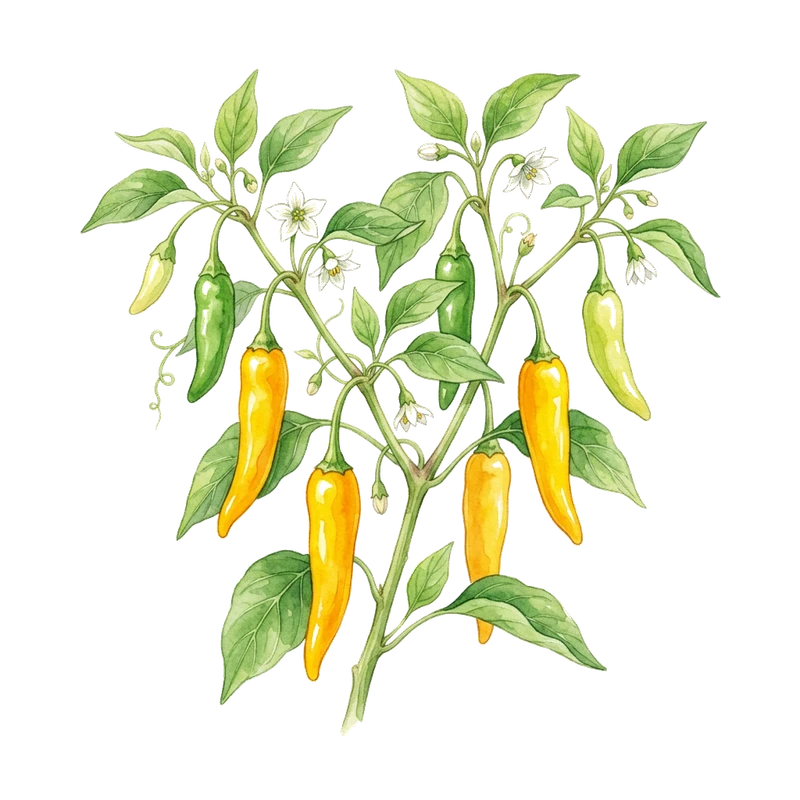
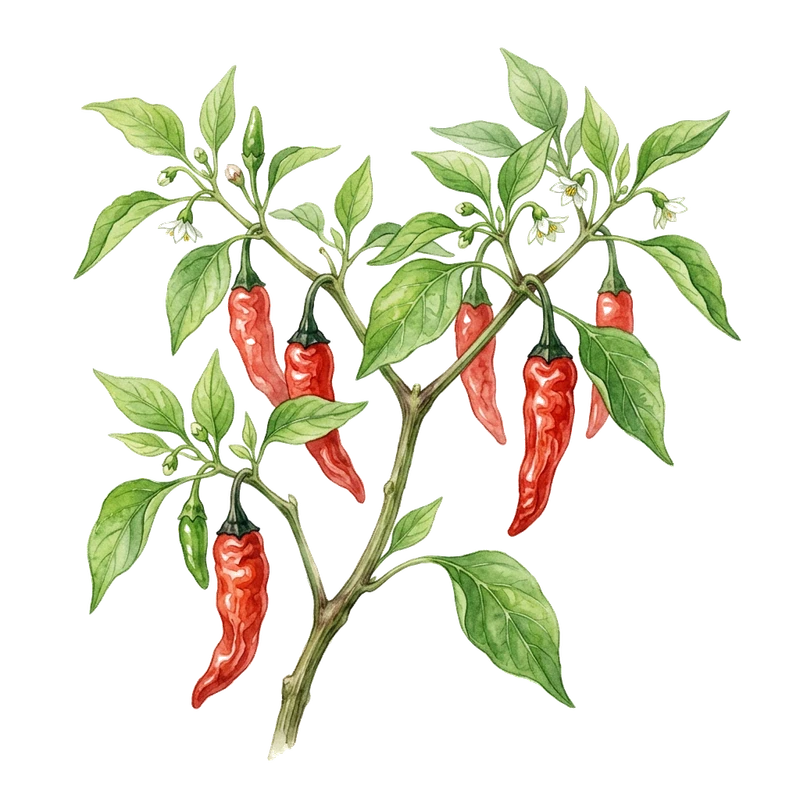
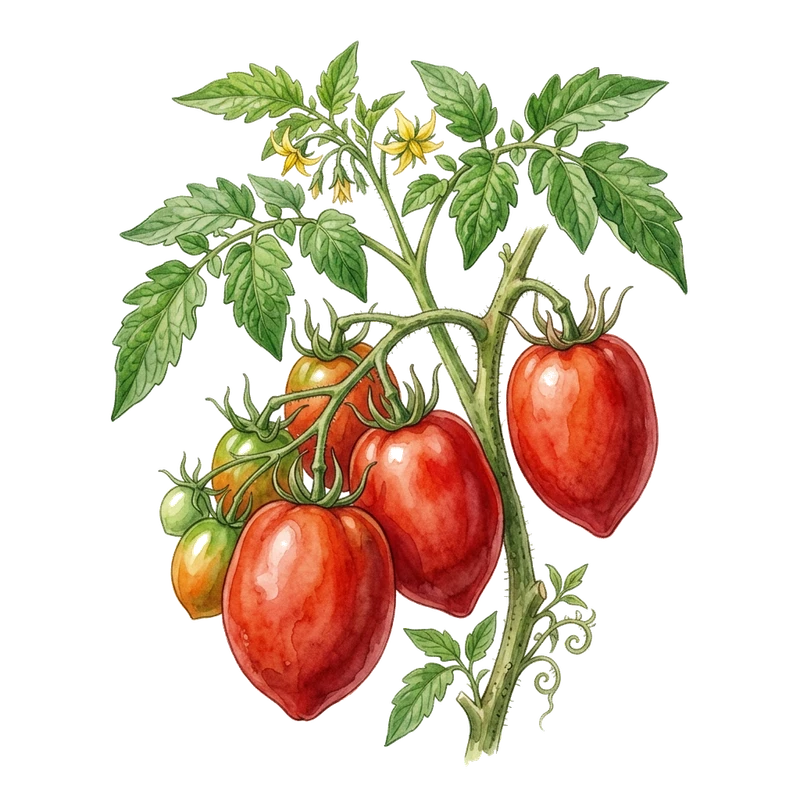
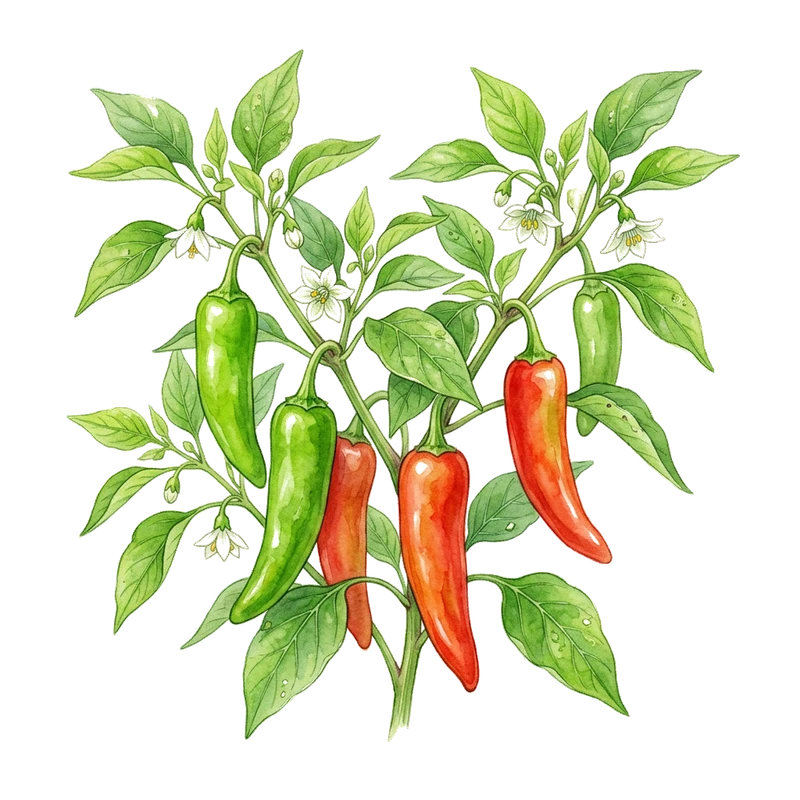
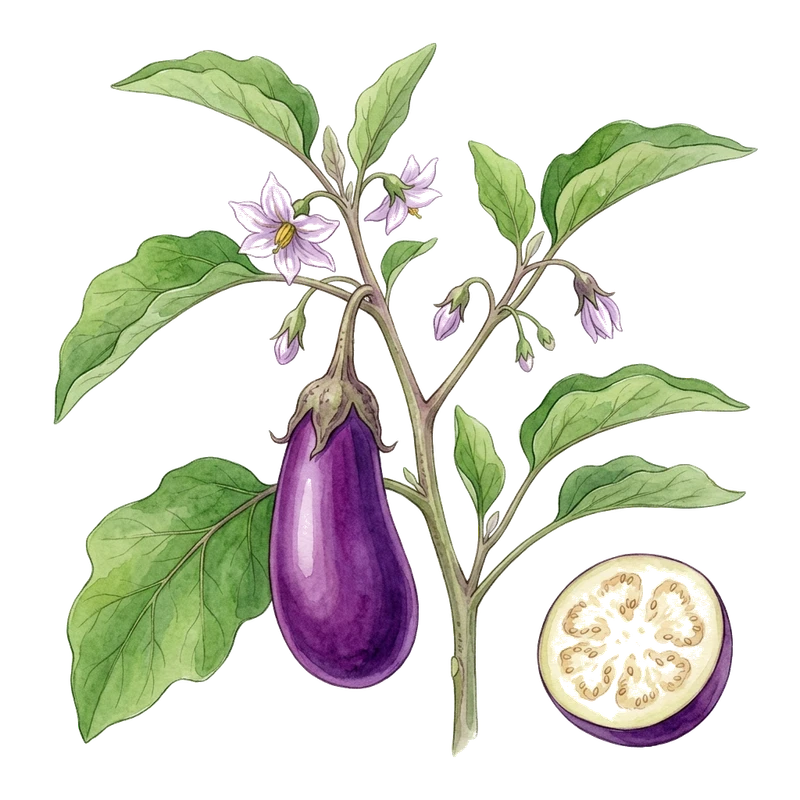
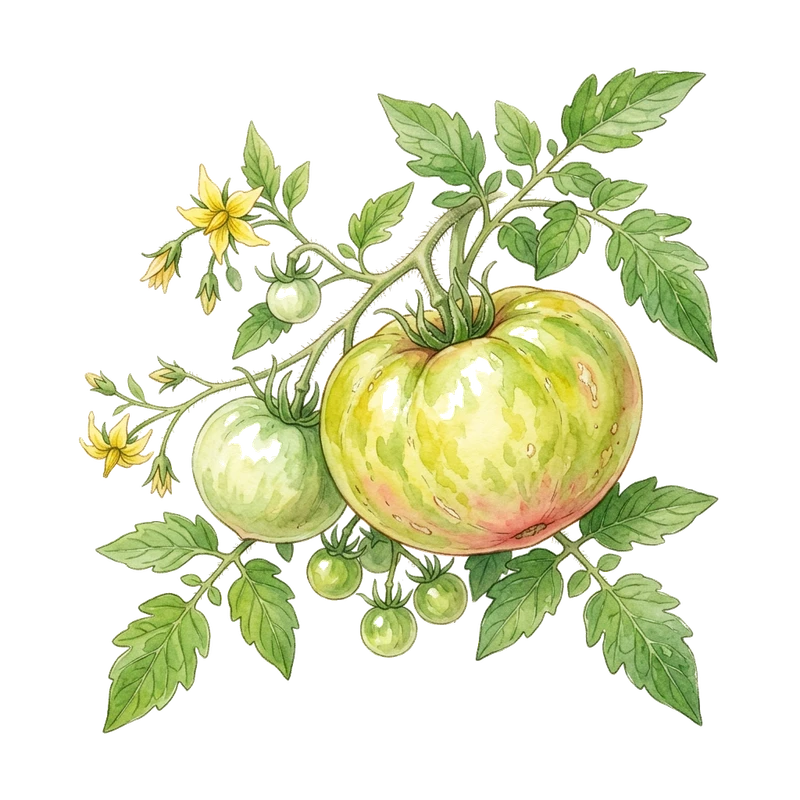
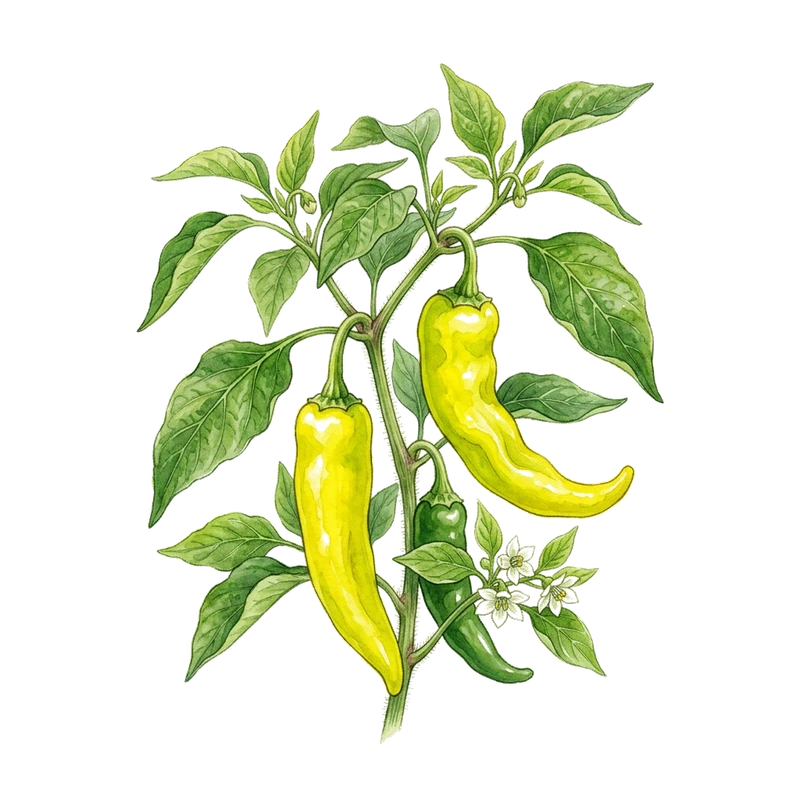
176 plants in our catalog are recorded as prone to Whitefly. Click any of them to see what else it draws in.
What eats them
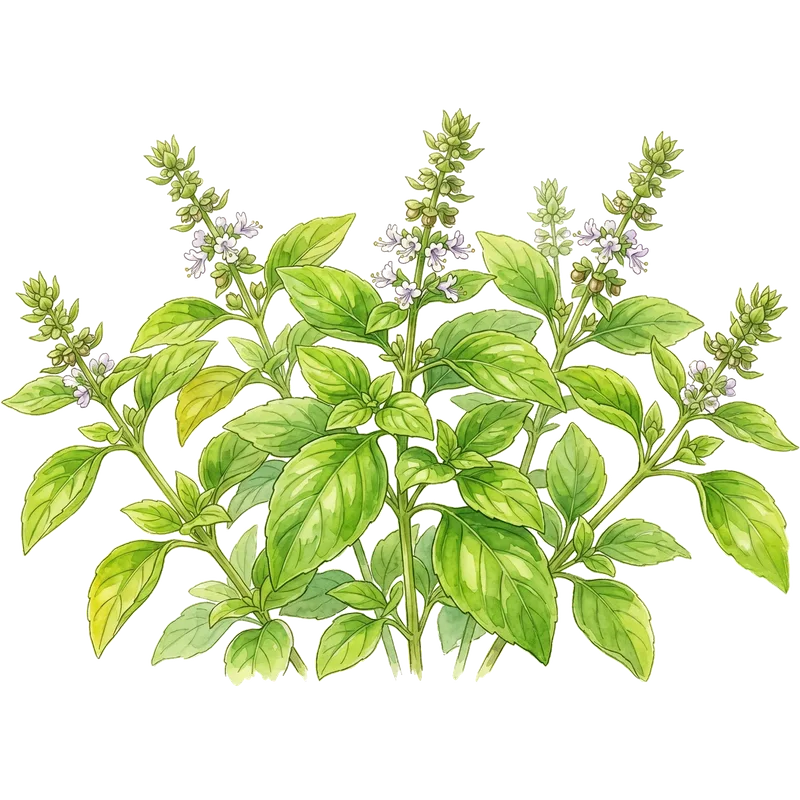
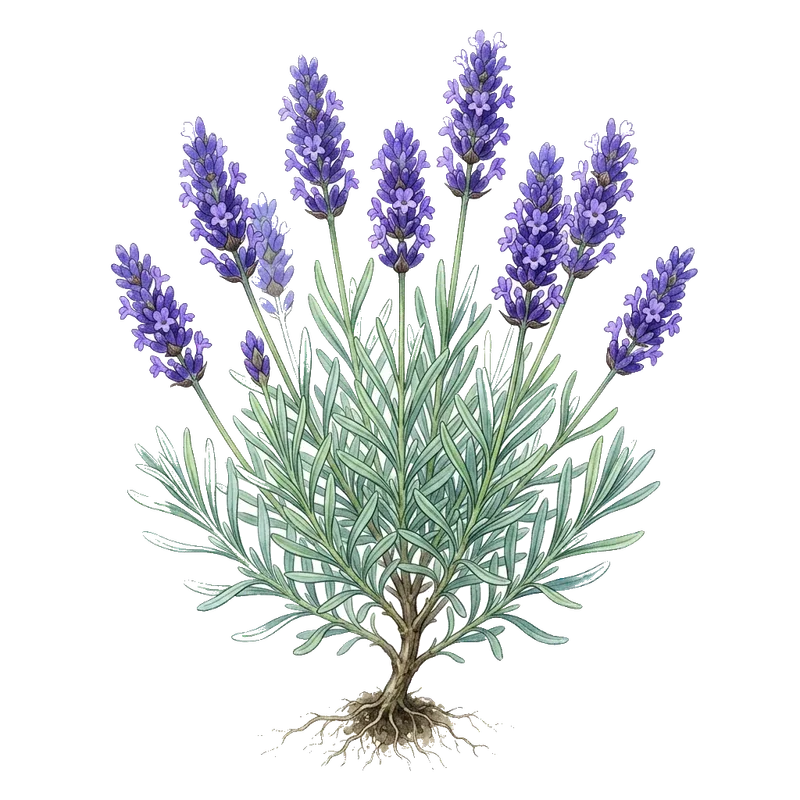
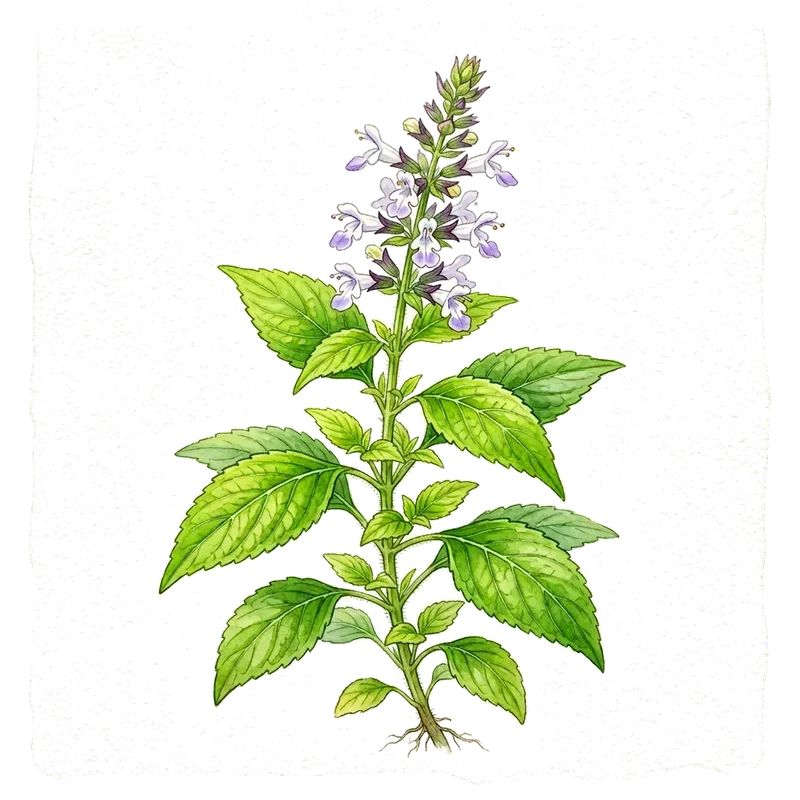
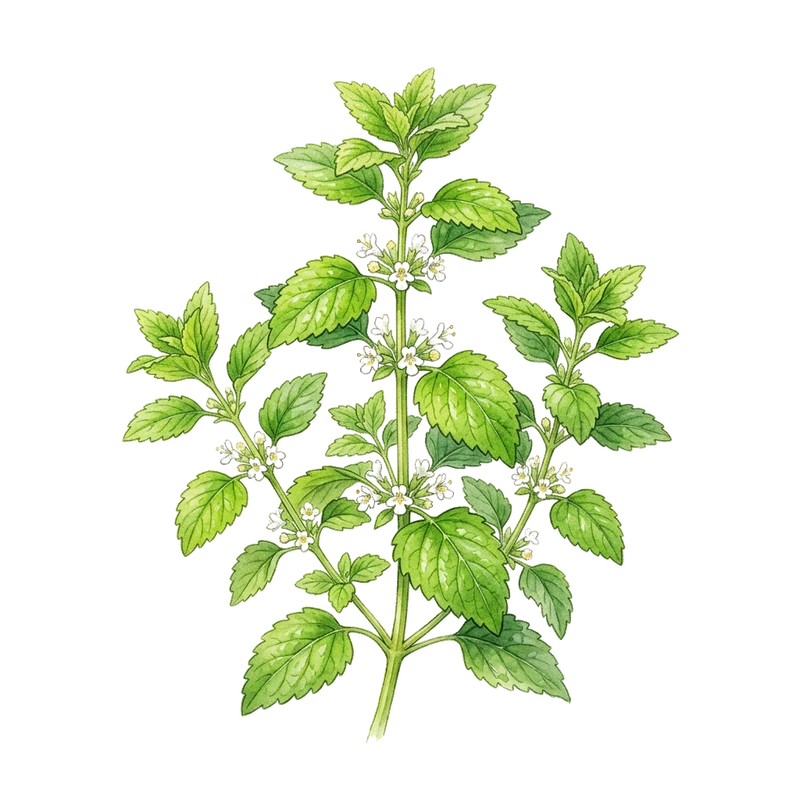
These are the predators that go after Whitefly. Grow the plants that bring them in and they do the work for you.
Plan a garden that defends itself
Put the host crop and its predator plants in one plan and see when each one flowers.
Organic control
Be realistic: UC IPM states plainly that managing a heavy whitefly infestation is difficult. Everything below works far better early than late.
Remove infested leaves the moment you find them, and hose adults off with a strong stream of water.
Yellow sticky traps, roughly one per medium-sized plant, will reduce numbers somewhat but will not eliminate a damaging population — treat them as monitoring. The RHS also warns they catch non-target insects, including the parasitoid wasps that would otherwise be helping.
Reflective plastic mulch repels whitefly, particularly away from small plants, and clearing infested vegetable plants after harvest denies them a bridge to the next crop.
Under glass, the parasitoid wasp Encarsia formosa is the established biological control and attacks the scale nymphs.
Avoid broad-spectrum pyrethroids, organophosphates and neonicotinoids — they make the problem worse by removing everything that was keeping it in check.
One companion-planting claim here does have published support: French marigolds slow glasshouse whitefly population development, apparently via limonene. But it works as prevention, not rescue — planting marigolds after an infestation has started yielded minimal effect.