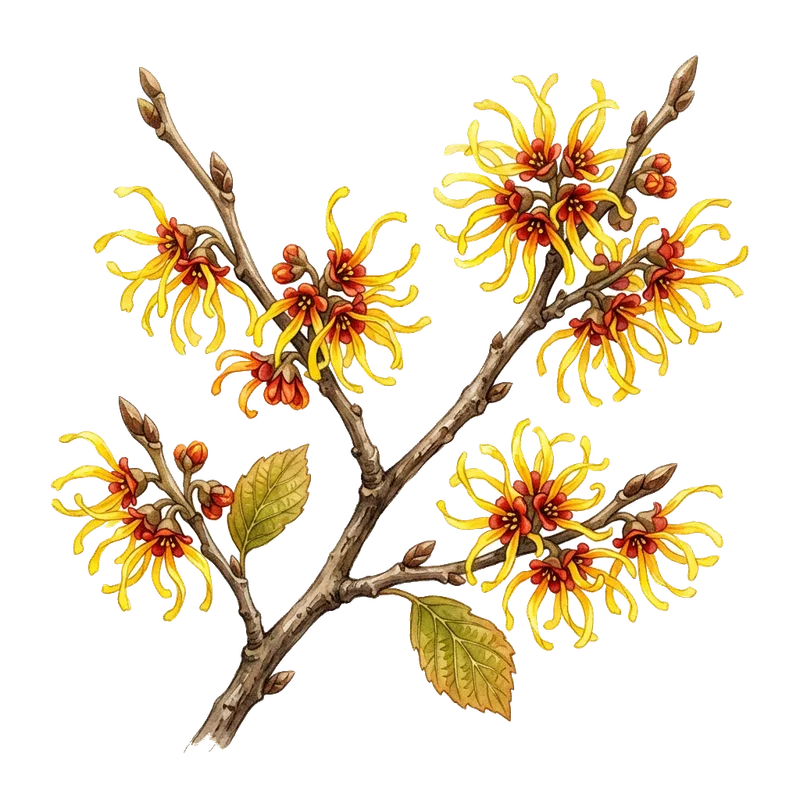

Caterpillars
Lepidoptera larvae
Holes, droppings, and a pest you can simply pick off by hand.

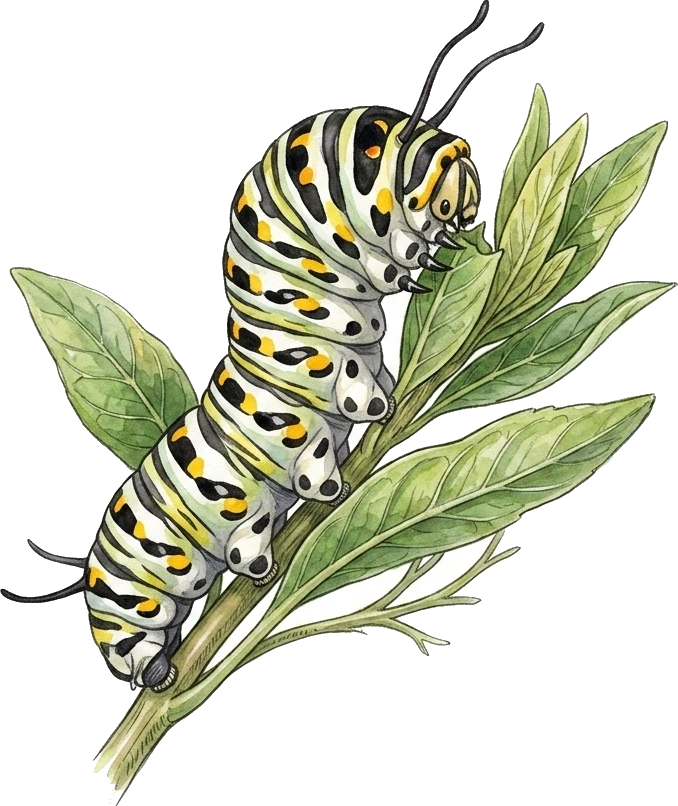
How to spot them

Look for feeding holes, excrement, and webbed or rolled leaves, then for the caterpillars and eggs themselves. The droppings are often easier to spot than the caterpillar.
On brassicas, cabbage white larvae are green and so hairy they look velvety; the adult is the familiar white butterfly with one to four black spots. They chew large irregular holes in the outer leaves and drop greenish-brown pellets onto the parts you were going to eat. Small white and cabbage moth larvae go further and bore into the hearts.
On tomatoes, hornworms are found by their droppings — large black or green pellets on the ground under the plant — long before you see a caterpillar that can reach four inches. They strip entire leaves and small stems, mostly in midsummer.
A seedling cut off cleanly at ground level overnight is cutworms: dull brown caterpillars one to two inches long that curl into a C when disturbed. Mainly a spring problem.
Plants they attack
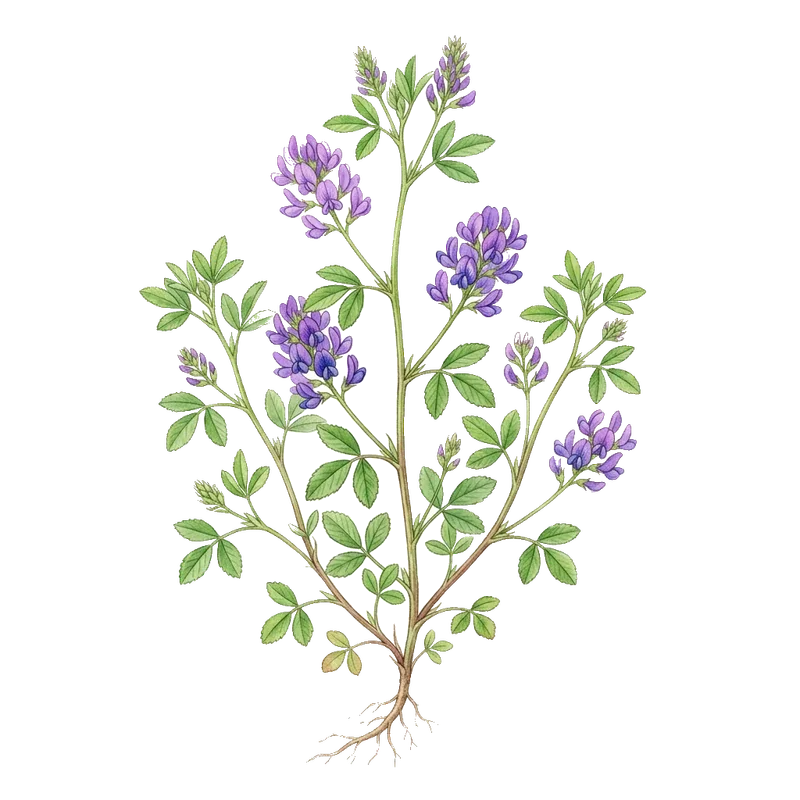
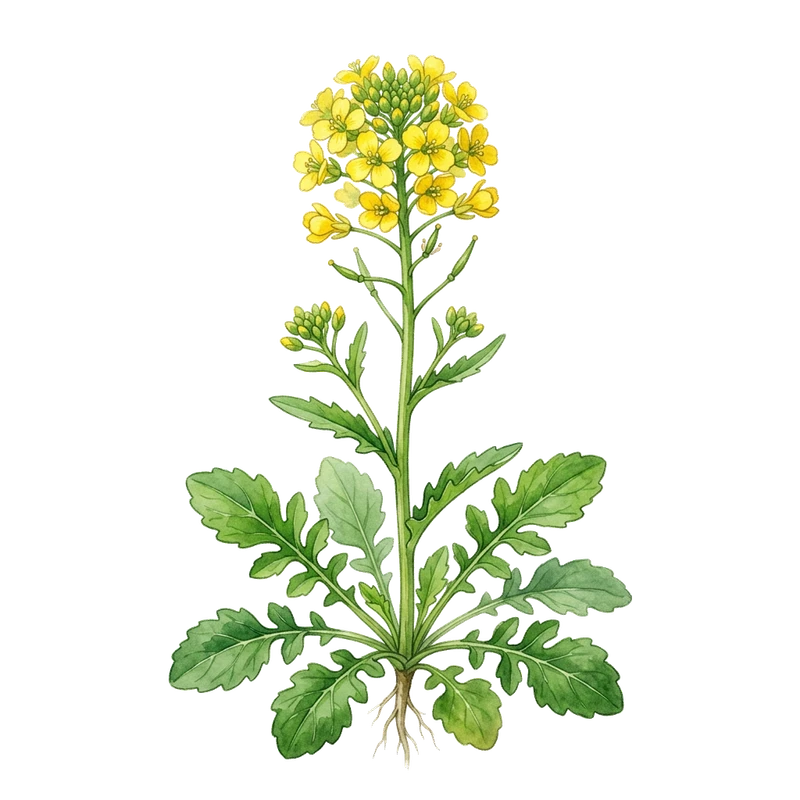
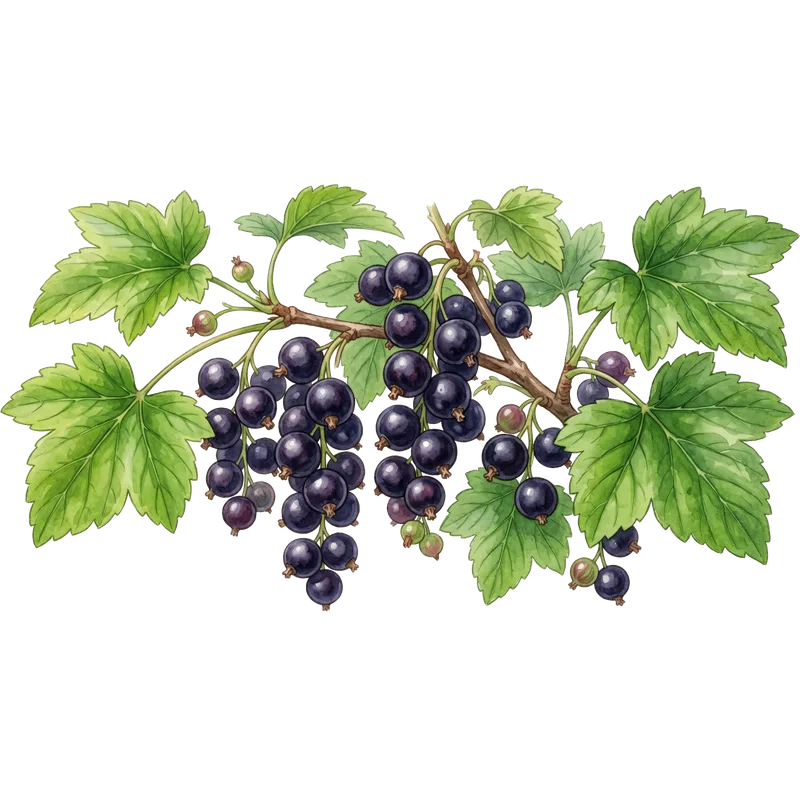
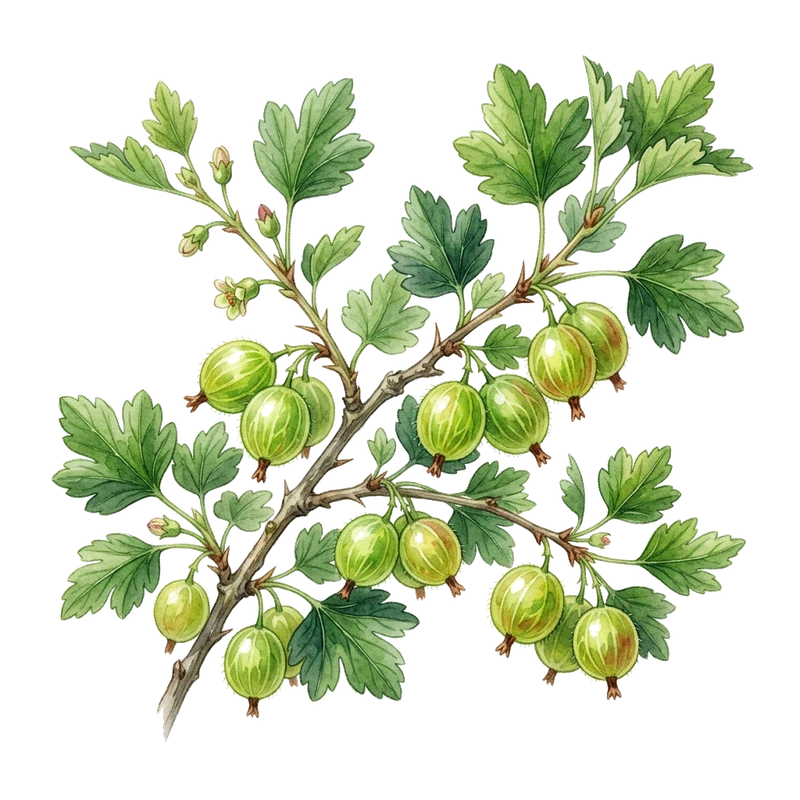
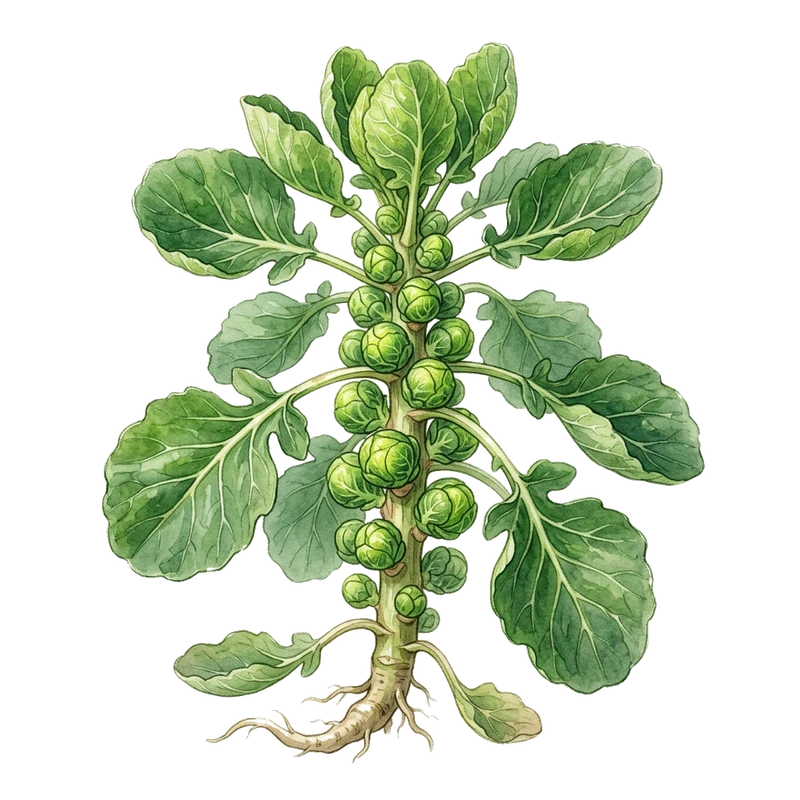
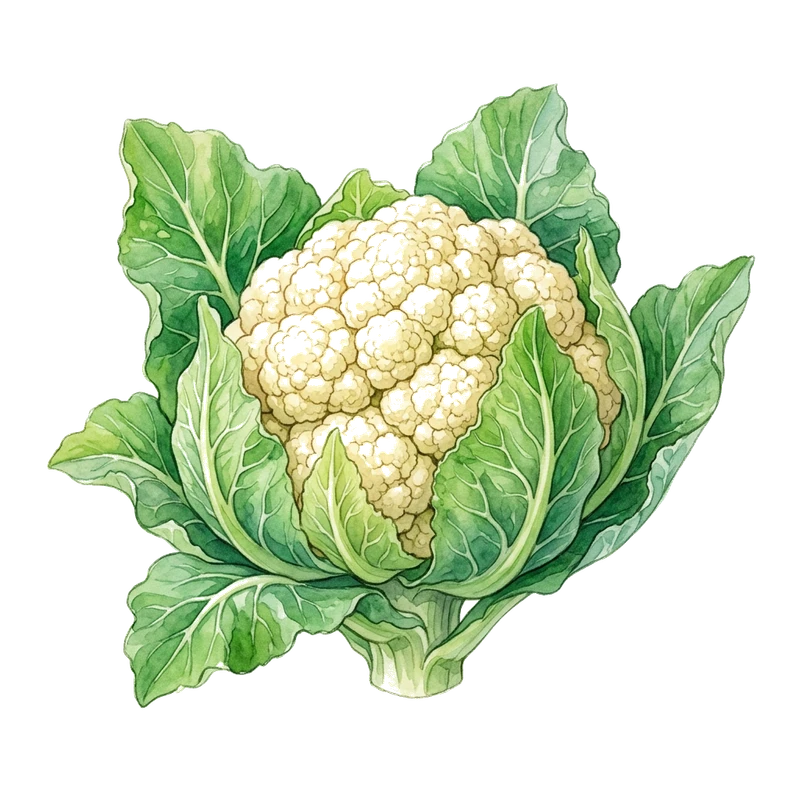
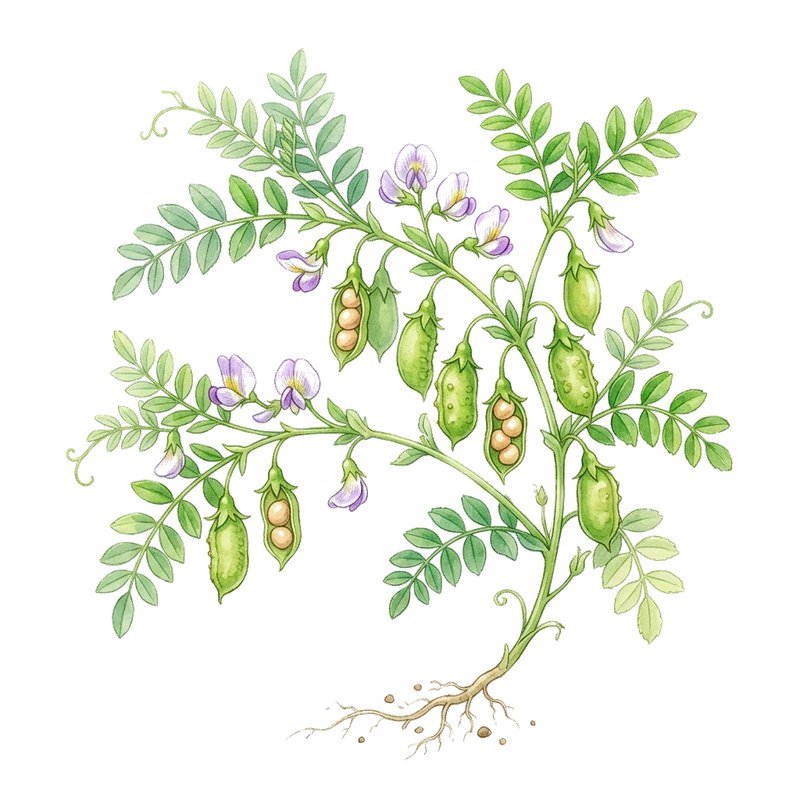
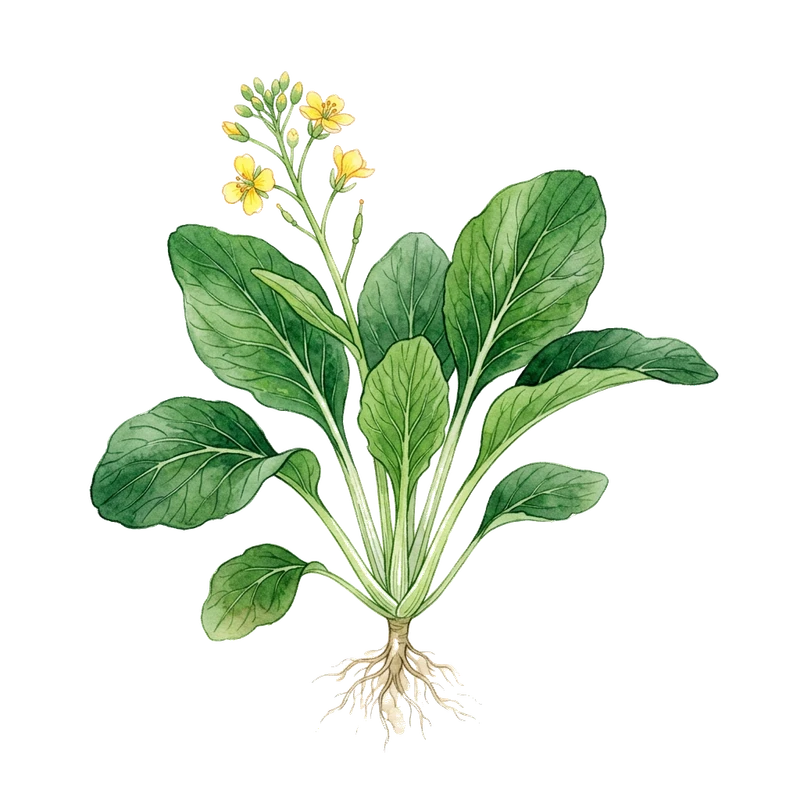
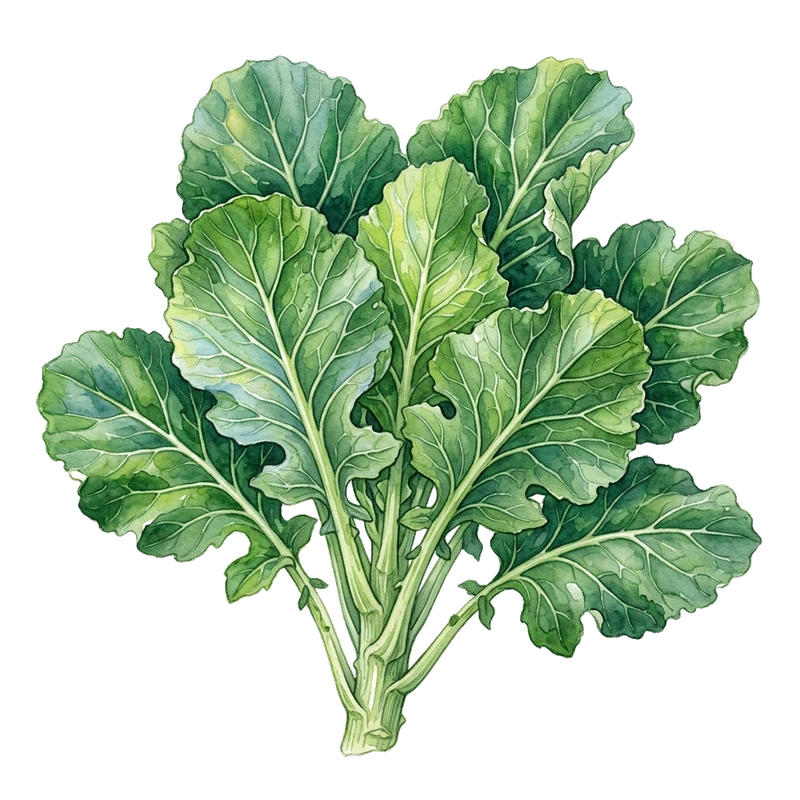
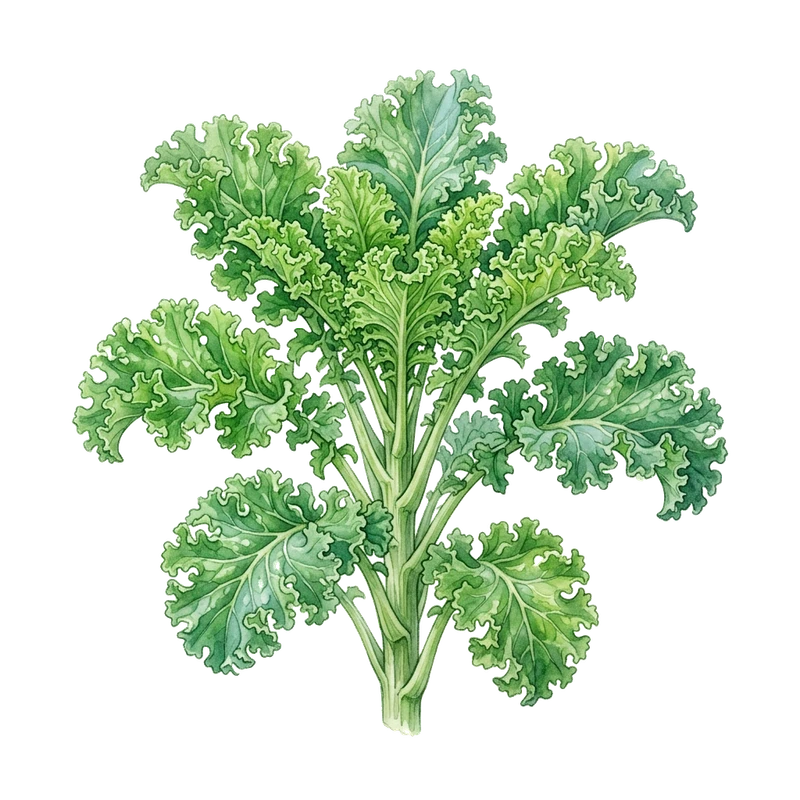
115 plants in our catalog are recorded as prone to Caterpillars. Click any of them to see what else it draws in.
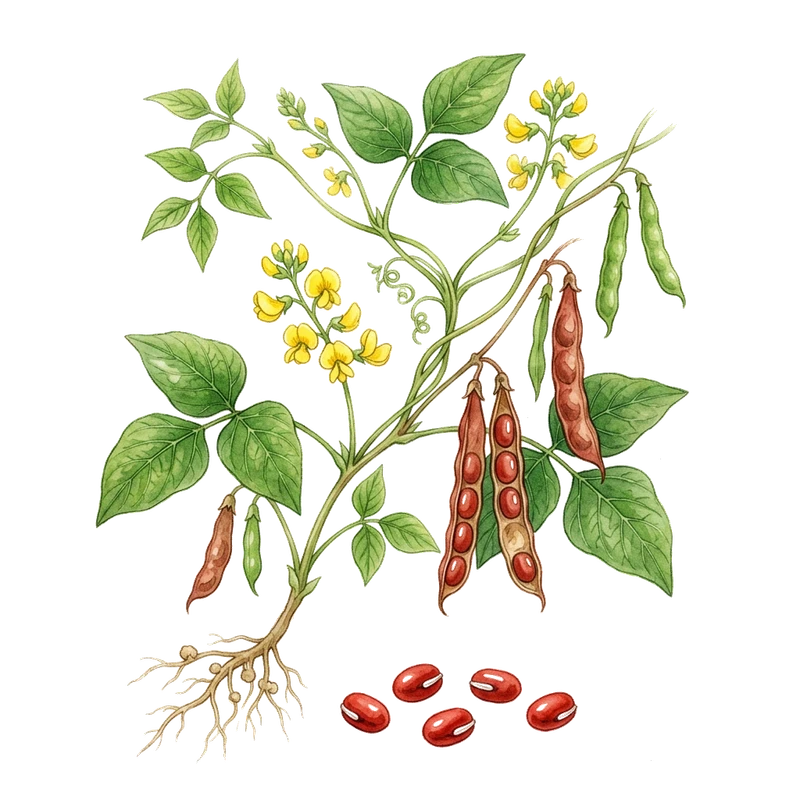
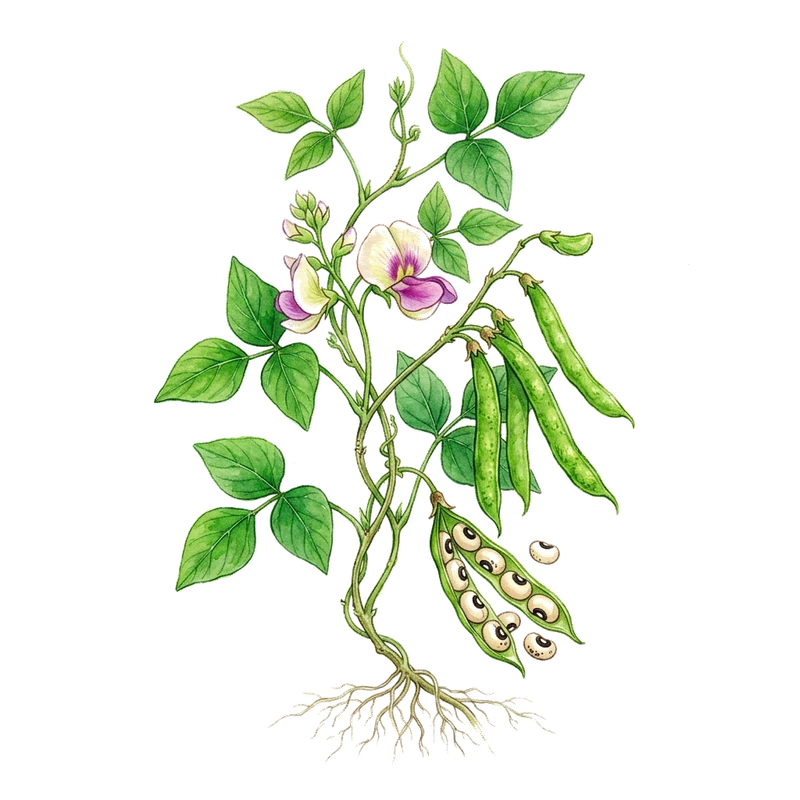




What eats them
These are the predators that go after Caterpillars. Grow the plants that bring them in and they do the work for you.
Plan a garden that defends itself
Put the host crop and its predator plants in one plan and see when each one flowers.
Organic control
Handpicking genuinely works for this group, unlike most pests. Pick caterpillars off, snip hornworms, and prune out rolled or webbed leaves.
For cutworms, search at night with a torch — UC IPM rates it very effective — and protect seedlings with cardboard collars or screen. Clear crop residues and keep the plot weed-free over winter.
On brassicas, exclusion is the best single tactic: fine netting or fleece keeps the butterflies off. The netting must not touch the foliage, or they will lay through it.
Go after eggs too — the pale yellow butterfly eggs and white spherical moth eggs come off by hand, and floating row covers prevent laying in the first place.
Most caterpillar species have several parasitic wasps or flies working on them, and hornworm eggs are attacked by Trichogramma. The RHS makes the wider point that cabbage caterpillars are food for a great many other creatures, so some tolerance is reasonable.
Rotavating after harvest destroys pupae in the soil. If you do use Btk, it only works on small, newly hatched caterpillars — and only where damage is genuinely intolerable.