
Thrips
Thysanoptera
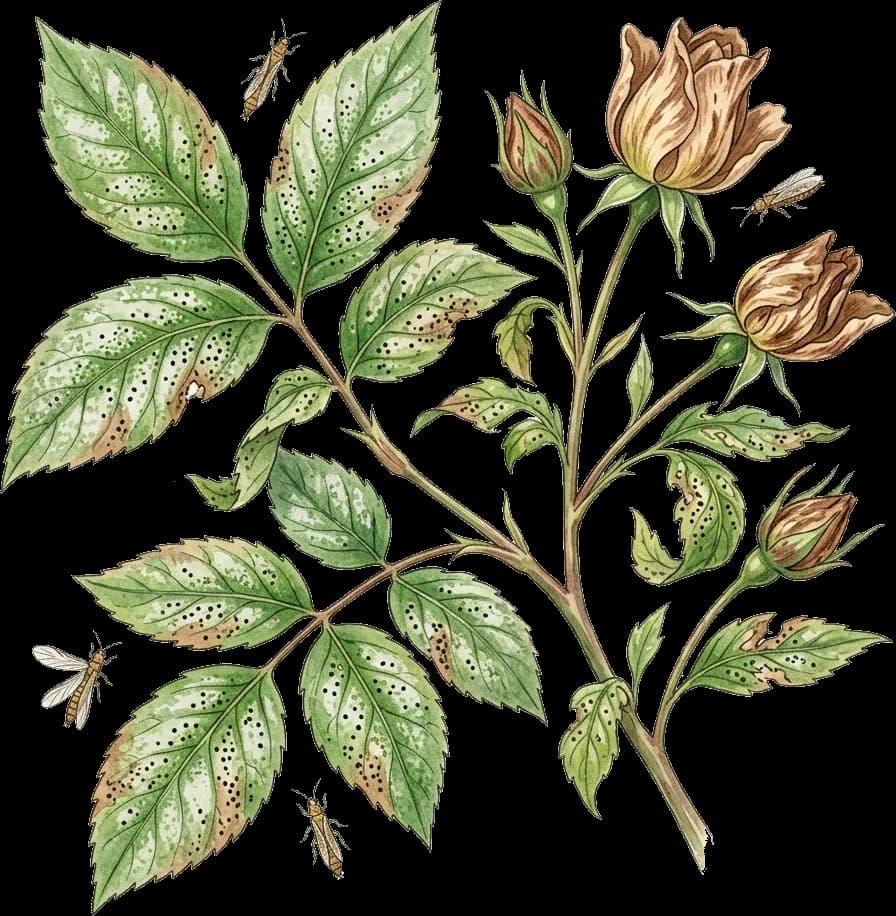
Silvery streaking with black specks — the specks are how you tell them from mites.

How to spot them
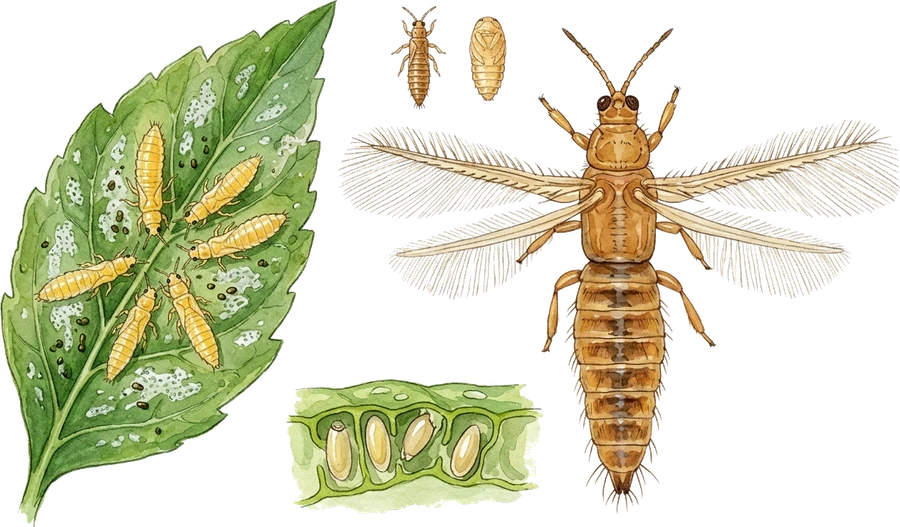
At under a twentieth of an inch, you will usually diagnose thrips from the damage rather than the insect. Adults are slender and pale yellow to brown.
The signature is silvery or scabby discoloration on leaves, petals and fruit — whitish blotches that read as silvery streaking. Crucially, it comes with dark specks of excrement. Mite stippling does not; that is the fastest way to tell the two apart.
Heavier infestations distort, curl or kill shoot tips.
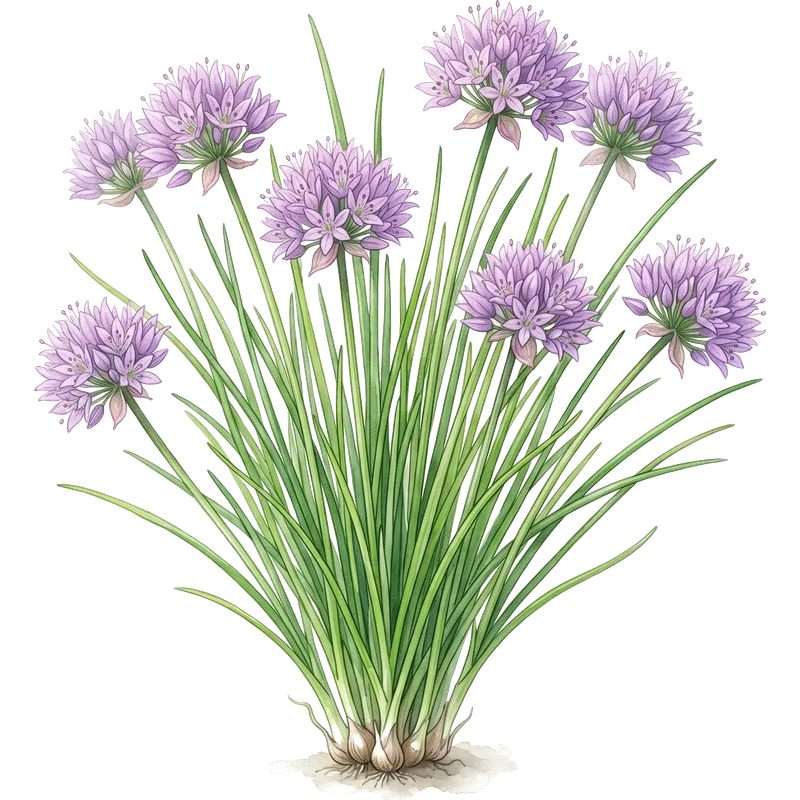
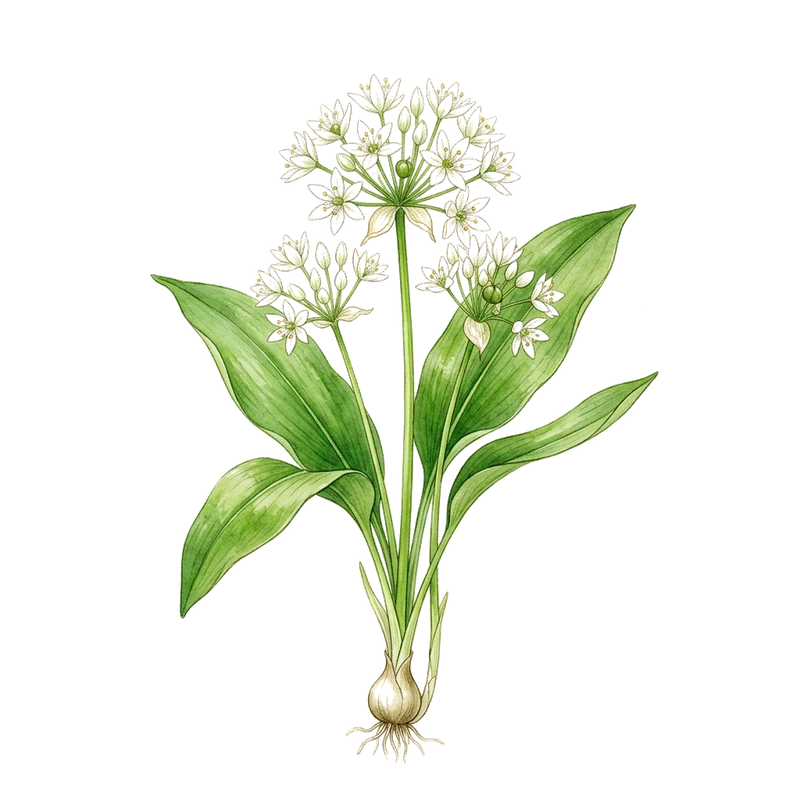
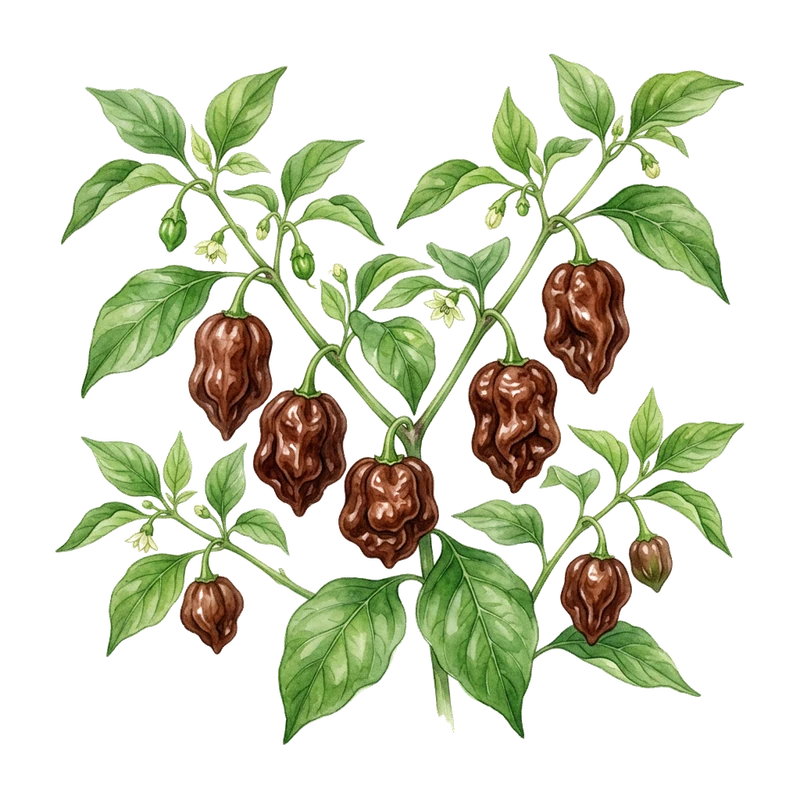
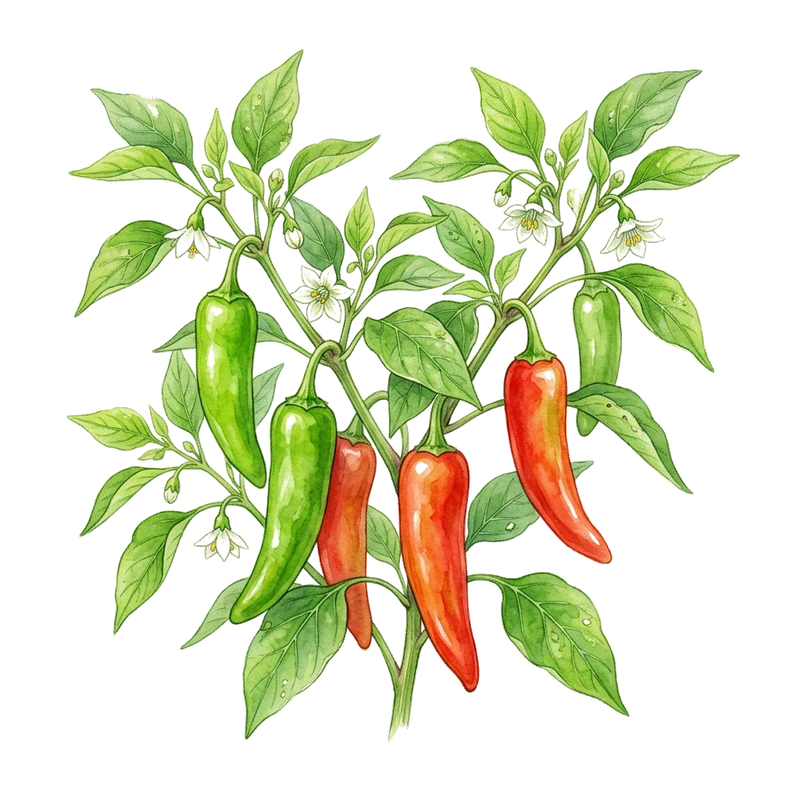
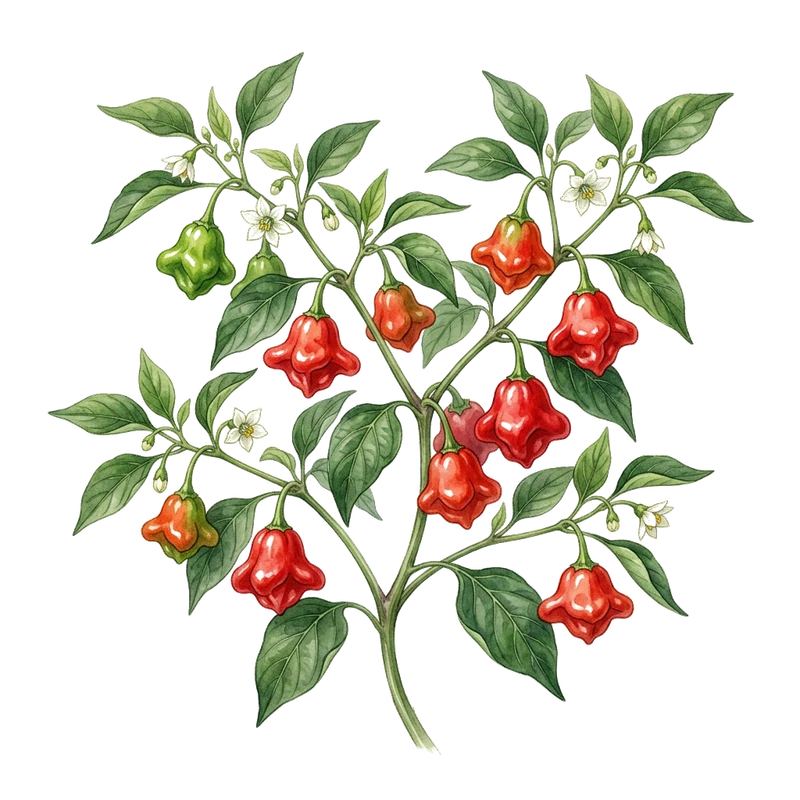
They matter most on onions, leeks and garlic, and are common on impatiens, petunia, cucurbits, peppers, grape and strawberry.
Plants they attack
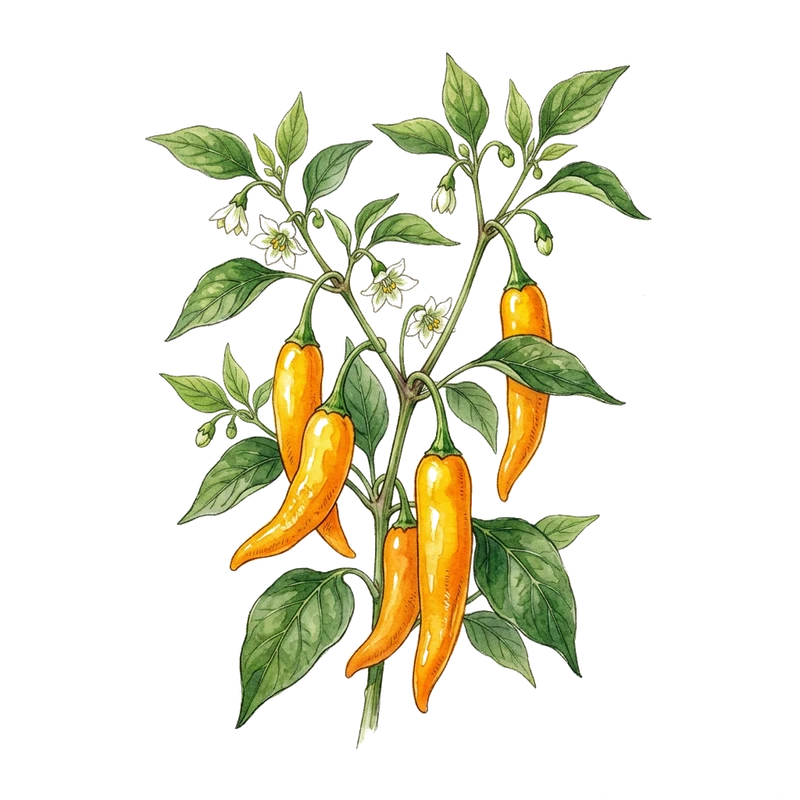
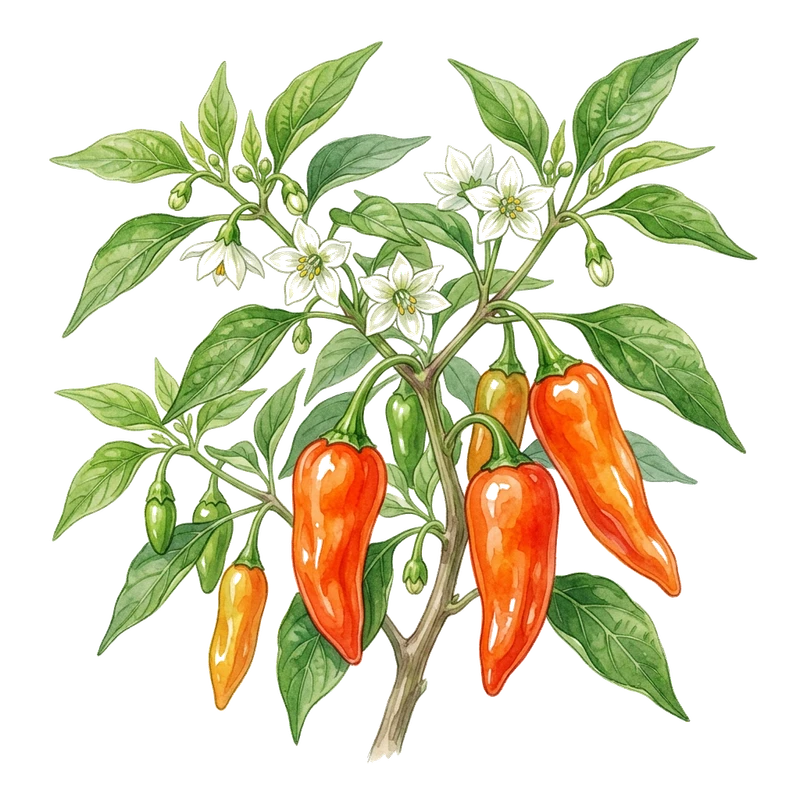
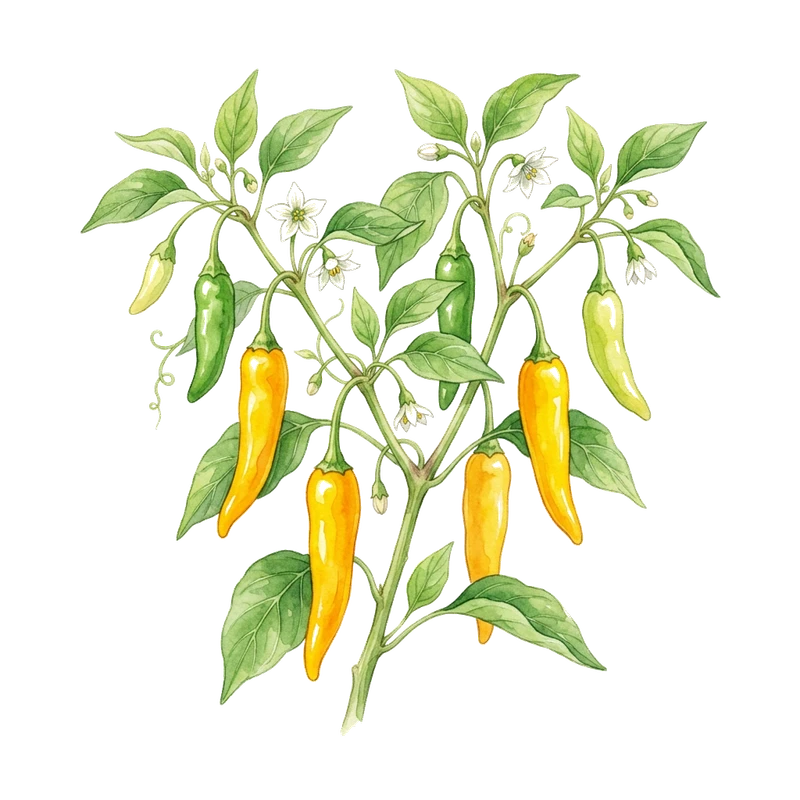
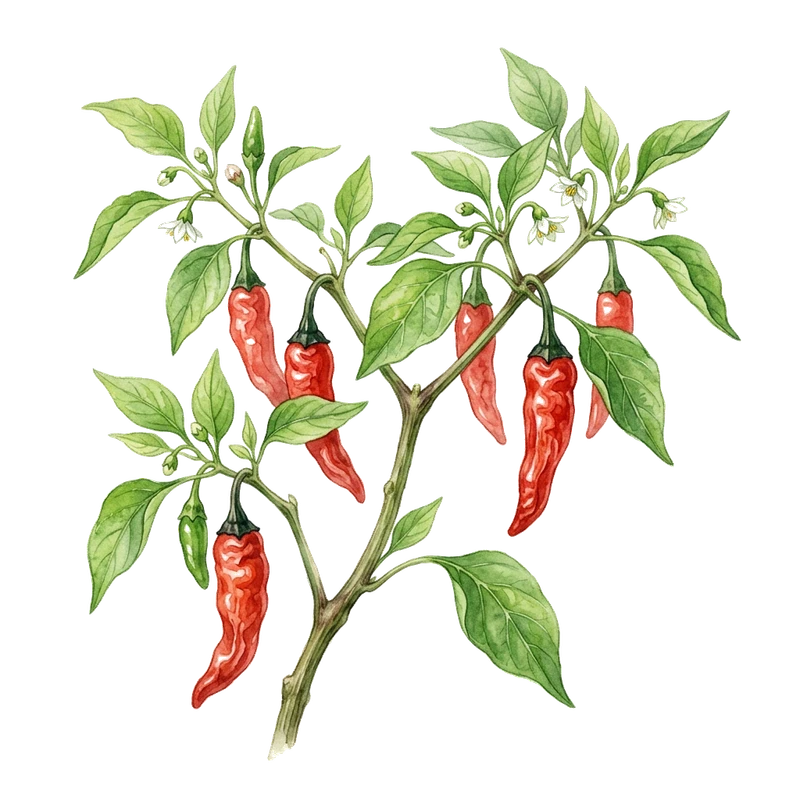
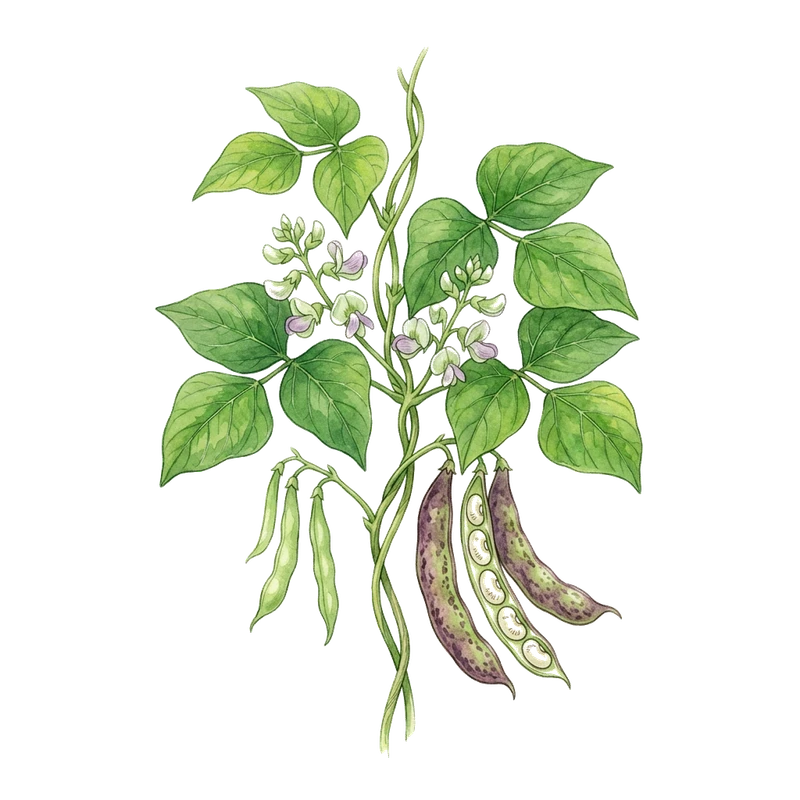
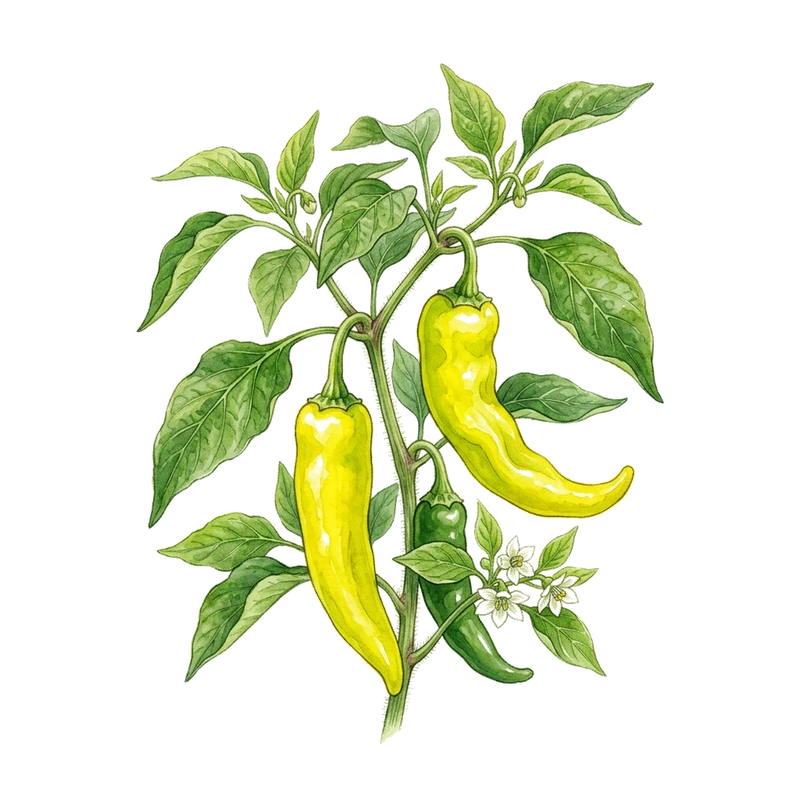
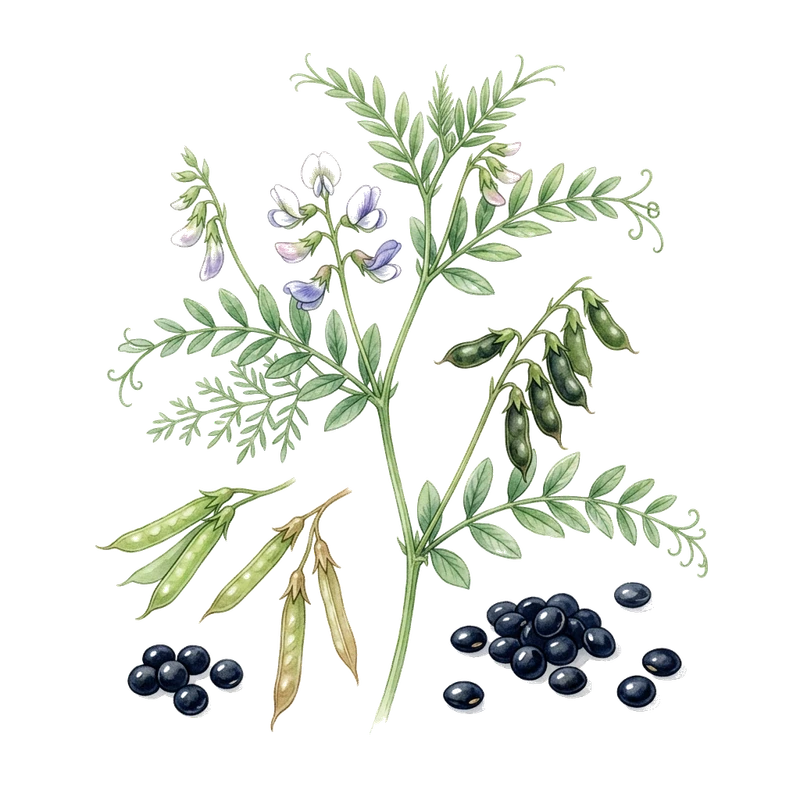
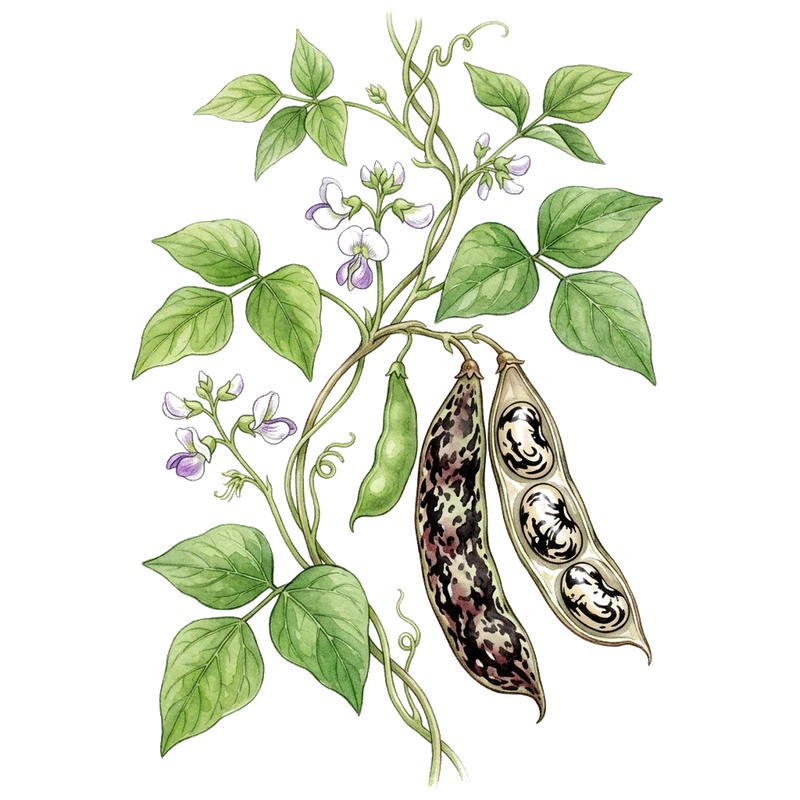
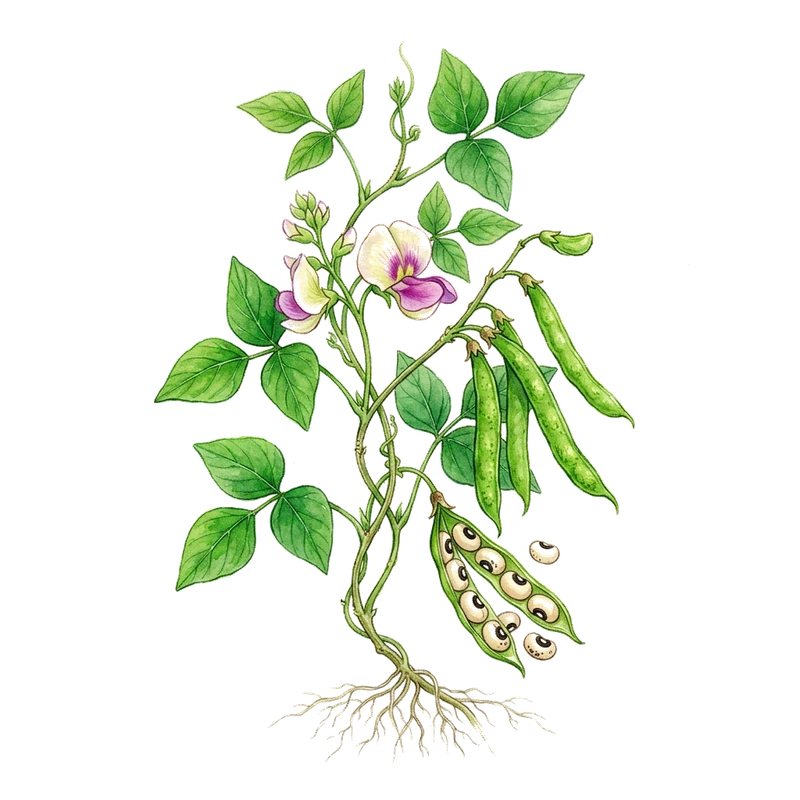
148 plants in our catalog are recorded as prone to Thrips. Click any of them to see what else it draws in.
What eats them
These are the predators that go after Thrips. Grow the plants that bring them in and they do the work for you.
Plan a garden that defends itself
Put the host crop and its predator plants in one plan and see when each one flowers.
Organic control
Start from the fact that thrips damage is unsightly but does not usually justify treating at all — and no spray will restore leaves that are already scarred.
Prune off injured or infested growth, and clear plant debris and nearby weeds, which act as alternate hosts.
Row covers or cages exclude thrips from small plants, and reflective mulch delays how quickly young plants become infested.
Keep plants well irrigated, rinse dust off small plants periodically, and avoid heavy nitrogen.
Blue or bright yellow sticky traps are useful for detecting flight, not for control.
Insecticides are genuinely difficult to make work against thrips, which is the main argument for the cultural measures above.