
Minute pirate bugs
Anthocoridae
Two to three millimetres, and both stages hunt — thrips and spider mites, thirty a day.

What they are and what they do
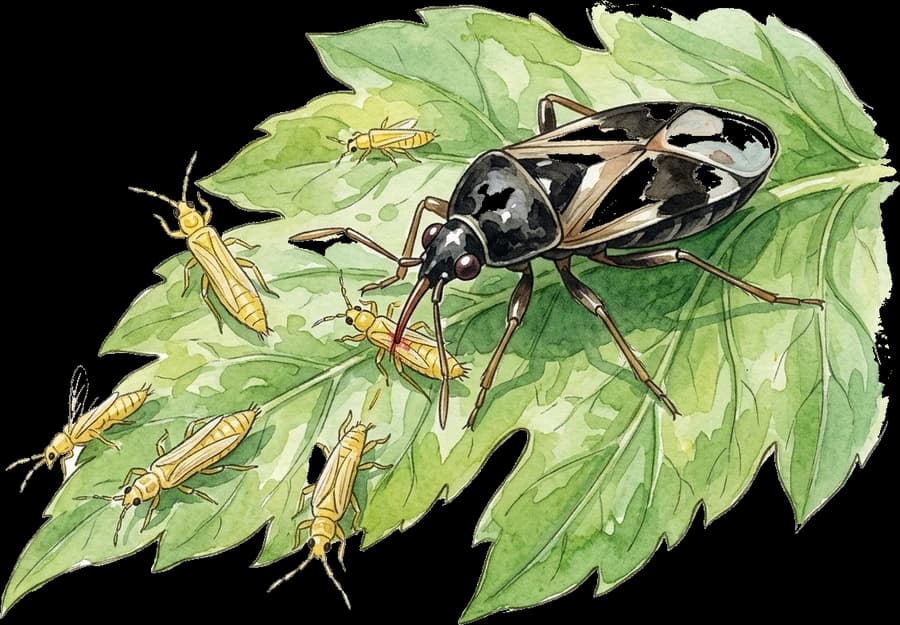
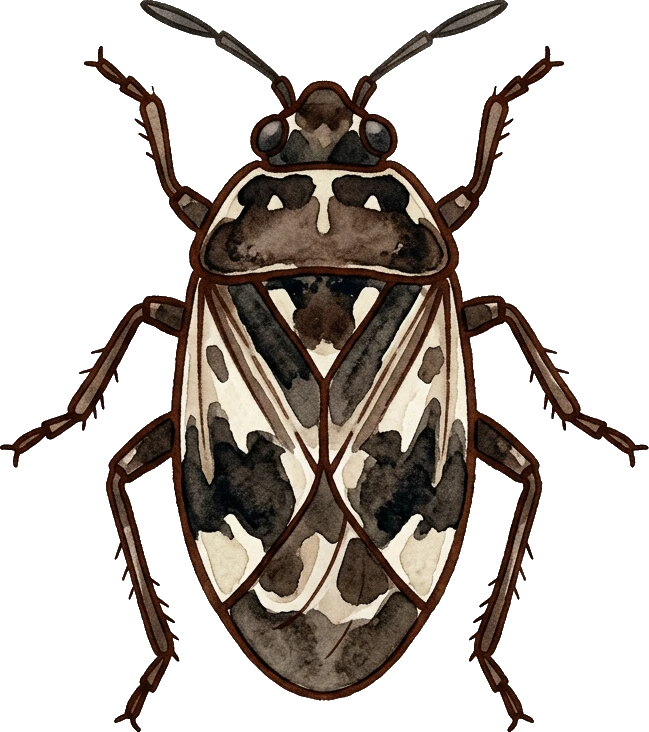
Small, black and white, and predatory at every stage. UC IPM puts adults at 1/12 to 1/5 inch (2–5 mm); Maryland Extension and Cornell put the common Orius insidiosus at 2 to 3 mm, oval and flattened, with white markings on the wings. The nymphs are teardrop-shaped, wingless and yellow-orange to brown, with eyes showing as two red spots. Unlike the hoverflies and lacewings on these pages, the adult is not the harmless half: adults and nymphs carry the same piercing mouthparts and take the same prey. Cornell notes they are capable of biting people — rare, and only mildly and temporarily irritating.
Thrips and spider mites are the preferred prey, and UC IPM adds aphids, psyllids, small caterpillars, whiteflies, and insect and mite eggs to the list. Cornell gives the rate: 30 or more spider mites per day, for immature and adult bugs alike. In their thrips work a release ratio of one predator to forty thrips achieved control.
It works because it is fast. Egg to adult runs about three weeks in warm weather — Cornell’s minimum under optimal conditions is 20 days — through five increasingly large nymphal instars and no pupal stage at all, with several generations in a season. Adults live about 35 days by Cornell’s count, 3 to 4 weeks by Maryland’s. On eggs the two sources differ and it is worth seeing both: Cornell records an average of 129 per female, Maryland 80 to 100. They are laid inside the plant, inserted into succulent tissue.
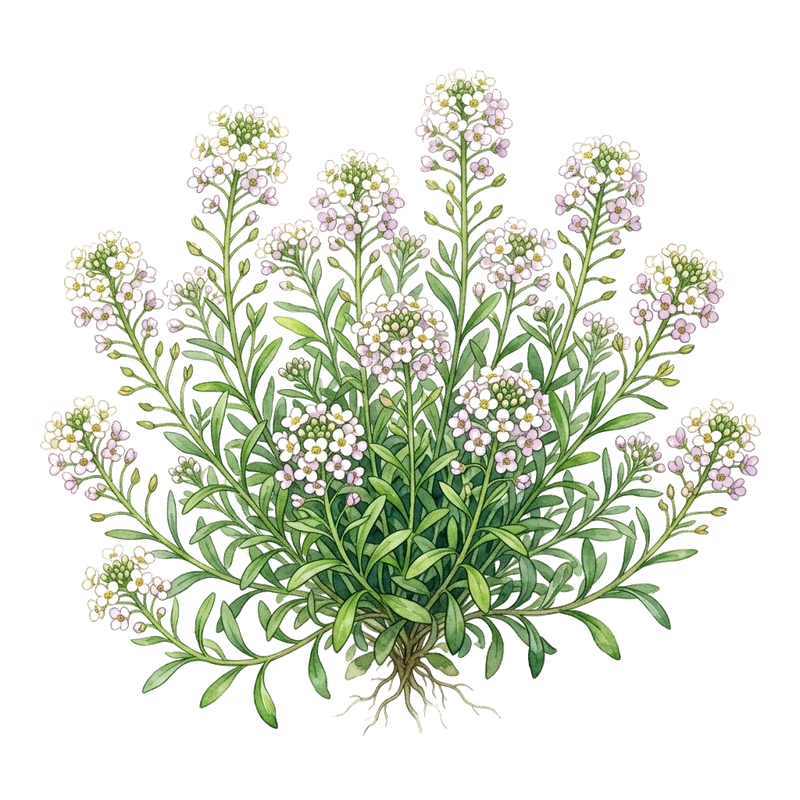
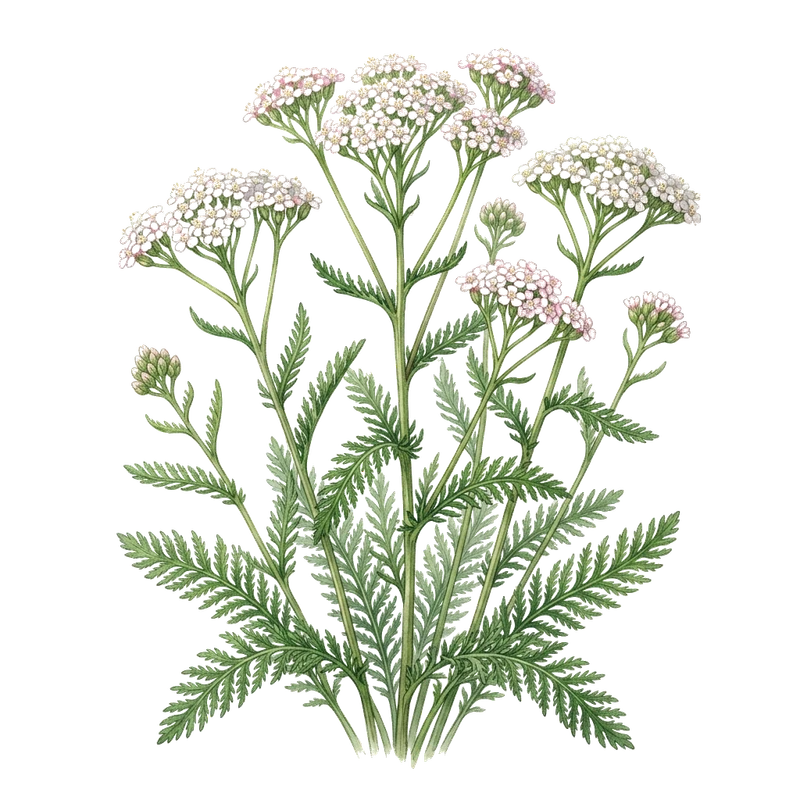
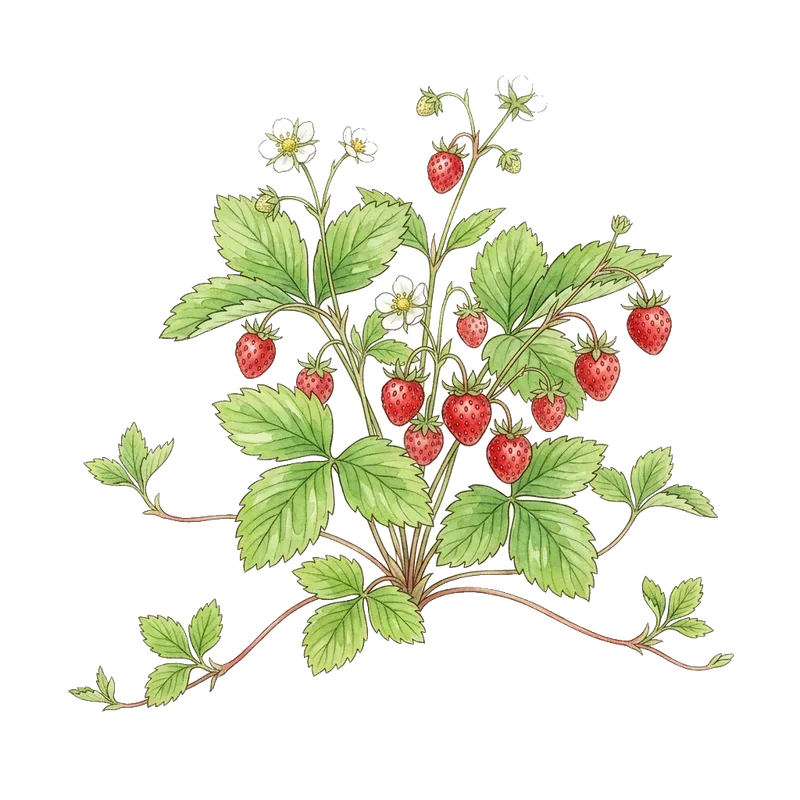
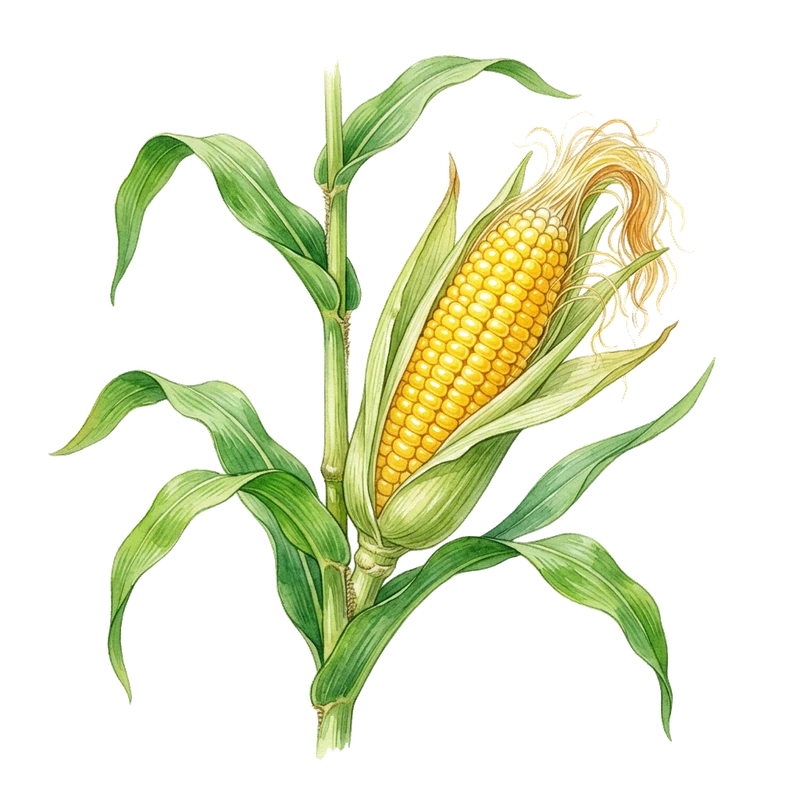
The pollen habit is why the plant list below matters. It feeds on pollen and plant juices harmlessly — UC IPM is explicit that it is not a plant pest — and that is a real diet rather than a fallback. Maryland Extension describes Orius puncturing individual corn pollen grains, calls maize silk an optimal food for adults and juveniles both, and cites Black Pearl pepper pollen extending adult life and shortening development, and alyssum carrying O. majusculus through stretches when prey is scarce. Virginia Tech’s field answer to where you find them says the same thing from the other end: corn silks, alfalfa fields and stands of thistle.
Pests they keep in check
- 152 plants in our catalog are prone to it
- 148 plants in our catalog are prone to it
Plan a garden that feeds them
Drop these plants into a plan and see how the season lines up — the predators need their food and their cover in place before the pests arrive.
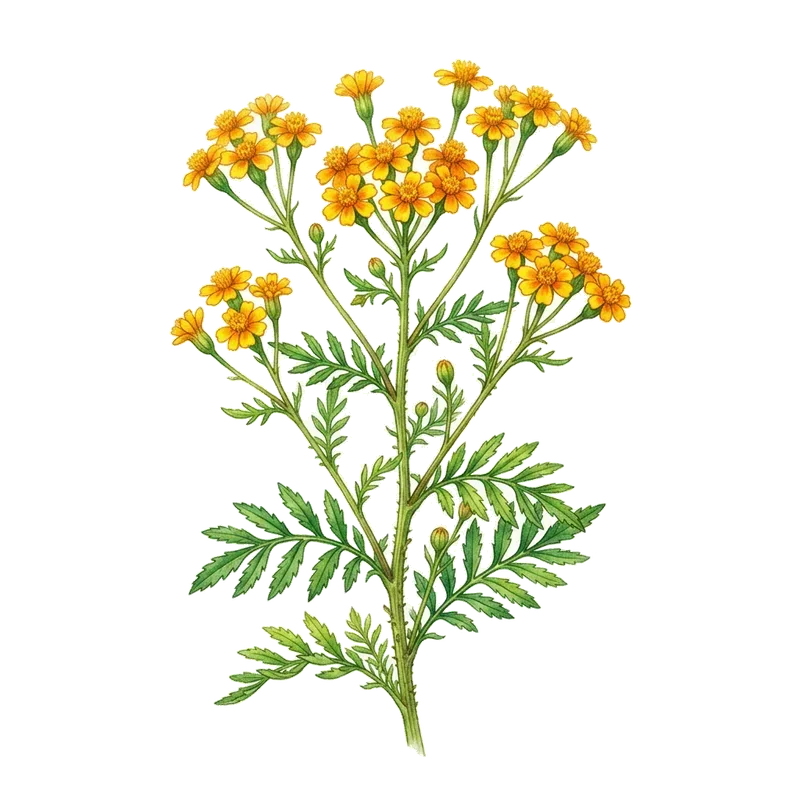
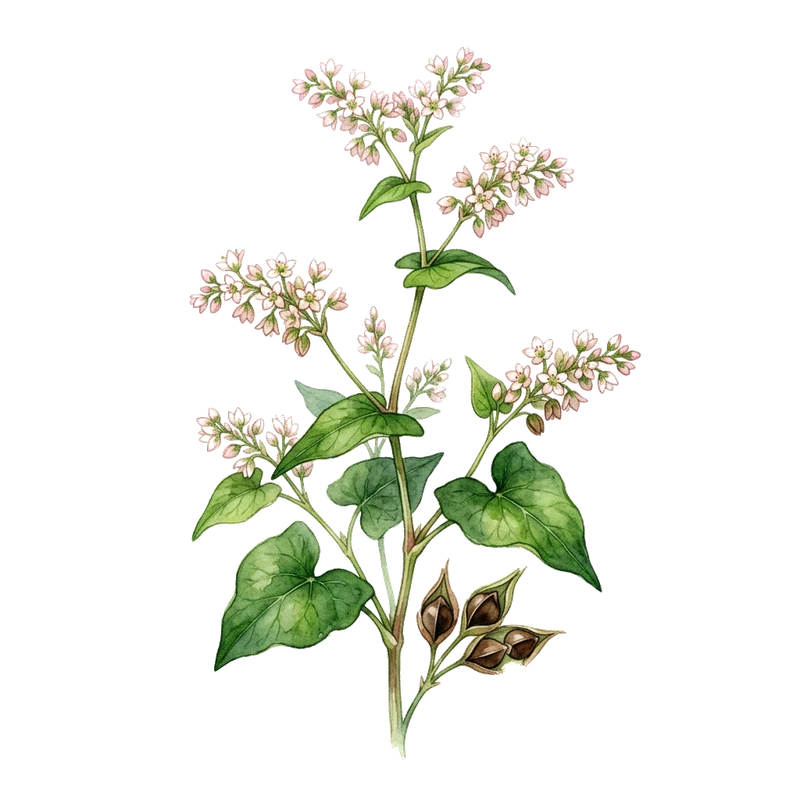
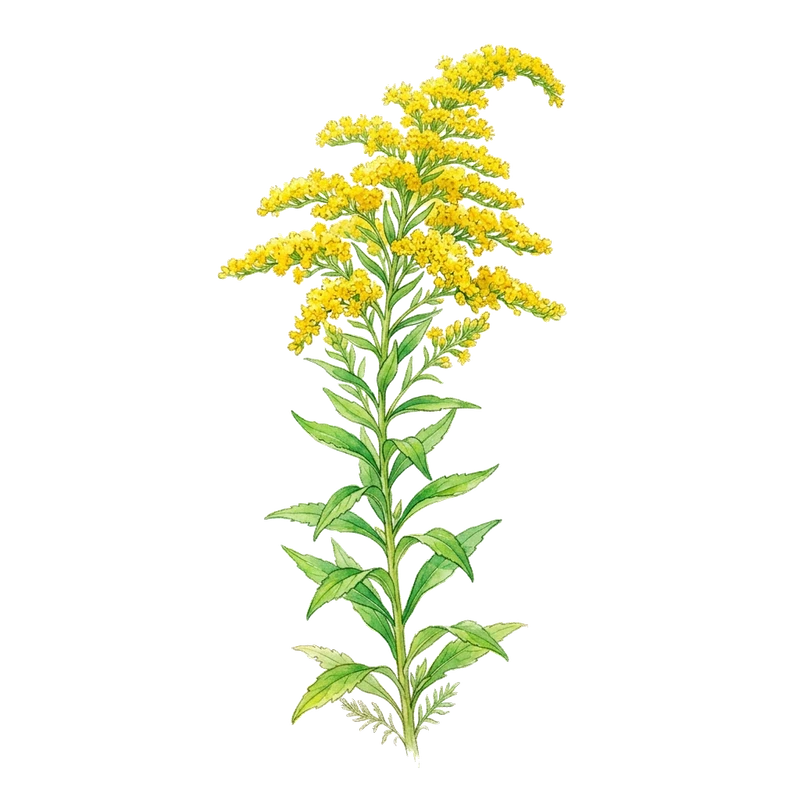
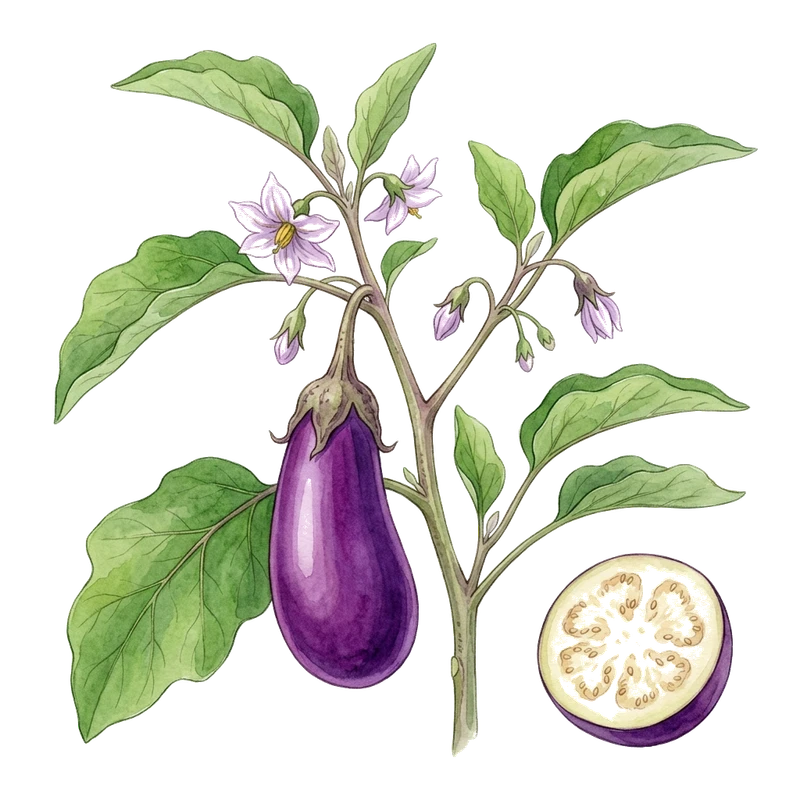
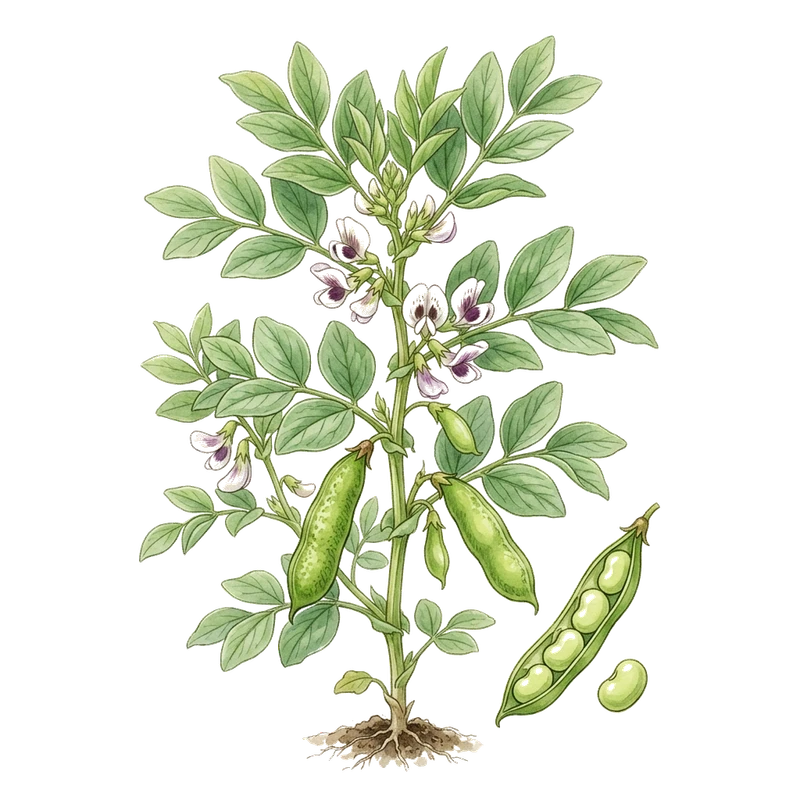
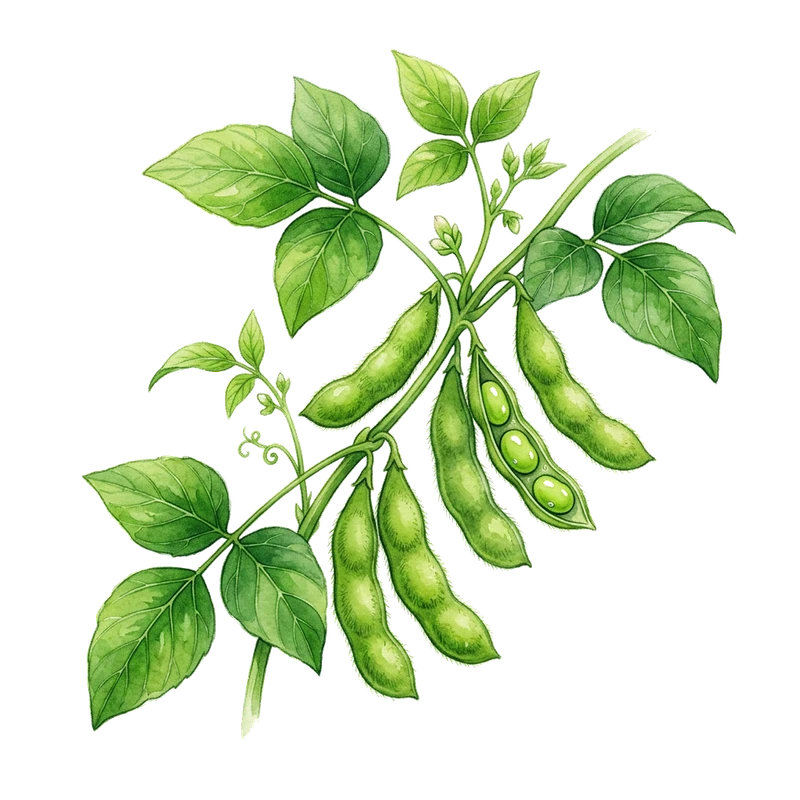
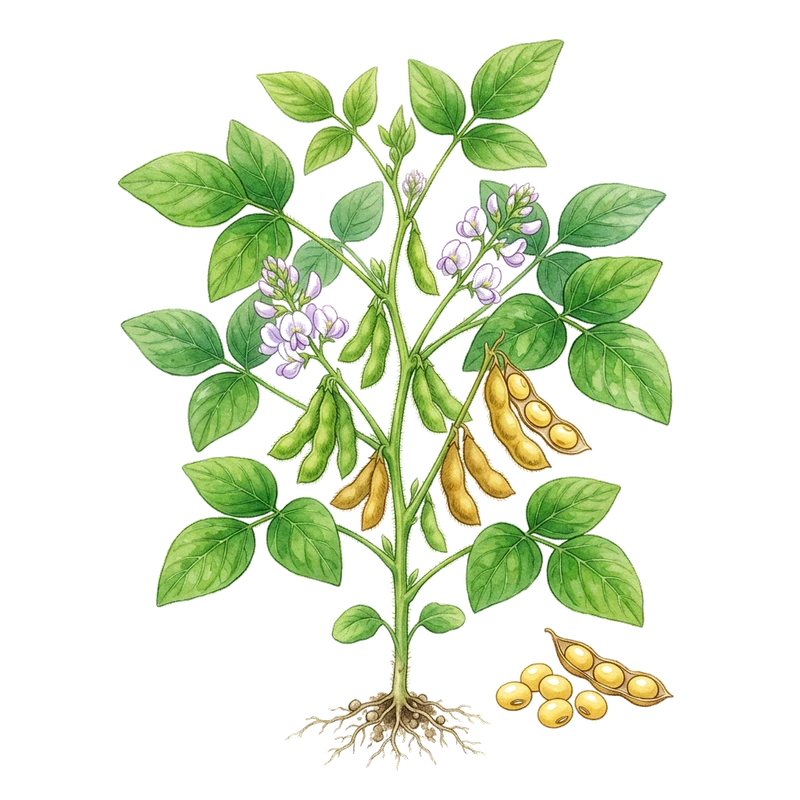
Plants that attract Minute pirate bugs
18 plants in our catalog draw Minute pirate bugs in. Grow a few of them near the crops you want protected.


How not to kill them
Systemic insecticides are the specific trap here. Cornell notes that soil-applied systemics cut Orius numbers precisely because the bugs feed on plant juices — a product that never touches the insect still reaches it through the plant. Neonicotinoids, organophosphates and pyrethroids greatly reduce populations as well.
Two products are worth naming because they have a gentle reputation. Maryland Extension’s review found abamectin the most noxious and persistent, classified as harmful up to 14 days after treatment and causing almost 100% mortality, and spinosad very toxic with relatively high persistence. Neither is a safe choice around this predator.
Control ants and dust. Those are UC IPM’s two enhancement measures for the group, the same pair as for predatory mites — and then grow flowering plants that supply nectar and pollen for the adults. With an omnivore that is not decoration: pollen is what keeps a population on the plot before the thrips arrive.
Getting them through the winter
Adults are the overwintering stage, and day length is the trigger rather than cold. Maryland Extension puts diapause in late summer, once daylight drops below 13 hours a day; Cornell gives the threshold as under 14 hours for a quiescent resting state. Either way the decision is made well before the first frost.
Where they go is the actionable half: cracks in tree bark and residual leaf litter, particularly in semi-natural areas, and they emerge from those places in early spring. So leave the litter under trees and along the edges, and resist scrubbing or wrapping trunks. The adults that come out in spring are the ones already in place when the first thrips appear.