
Slugs
Gastropoda
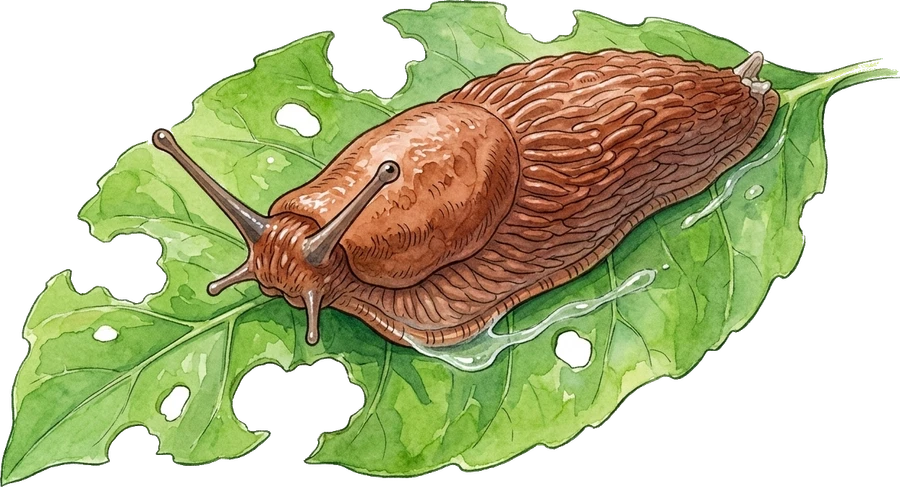
Ragged, smooth-edged holes and slime trails, all of it done overnight.

How to spot them
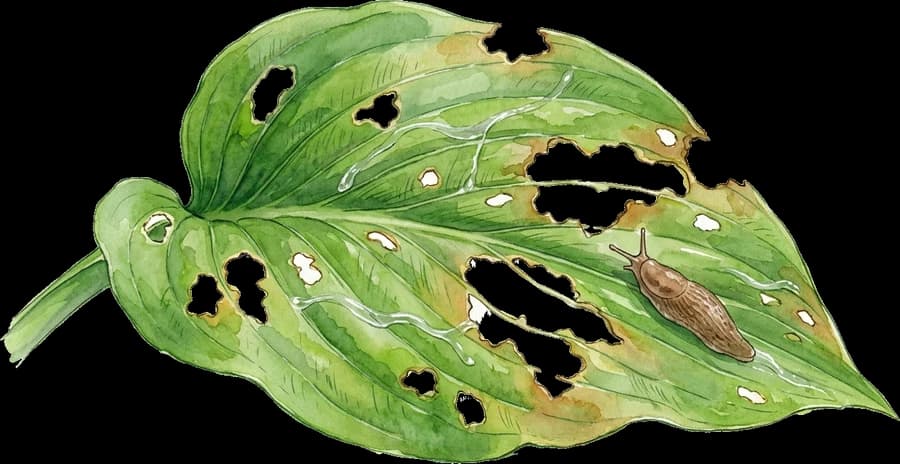
The damage is irregular holes with smooth edges in leaves and flowers, rasped out rather than chewed, together with the shiny slime trails they leave behind. Often the holes and the trails are the only evidence you get.
They are most active at night and on cloudy or damp days, which is why the culprit is rarely present when you look. Slugs simply lack the external spiral shell a snail has.
Worth keeping in proportion: the RHS notes that only very few slug and snail species feed on live plants at all. Most are working on decaying material.
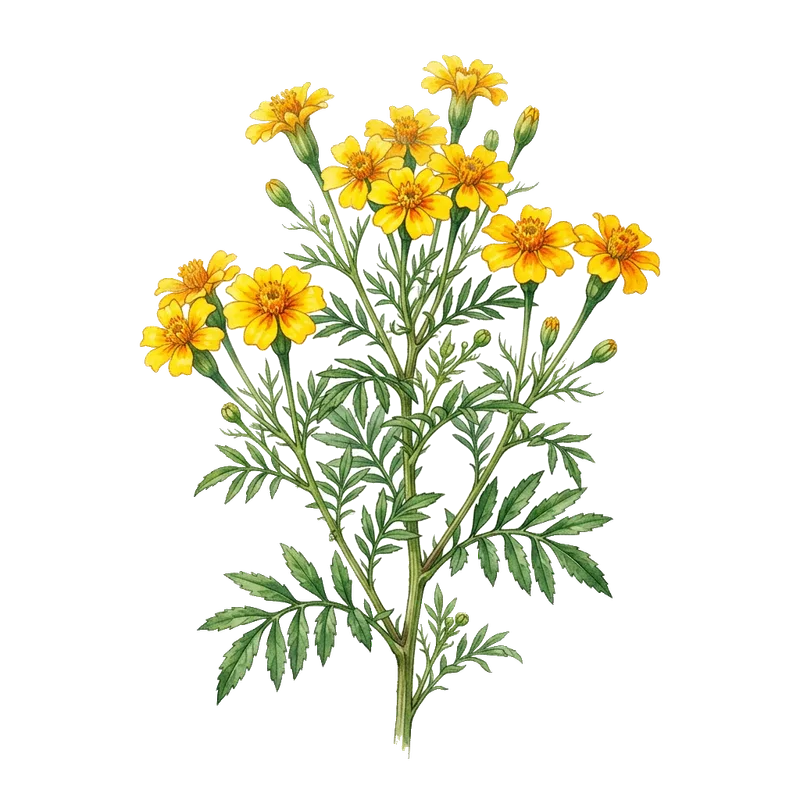
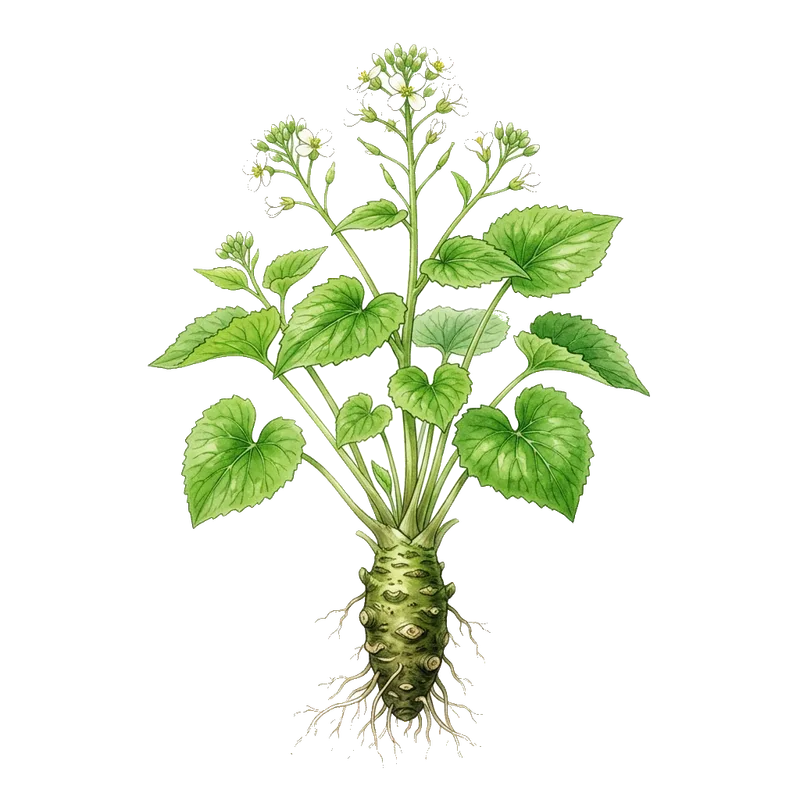
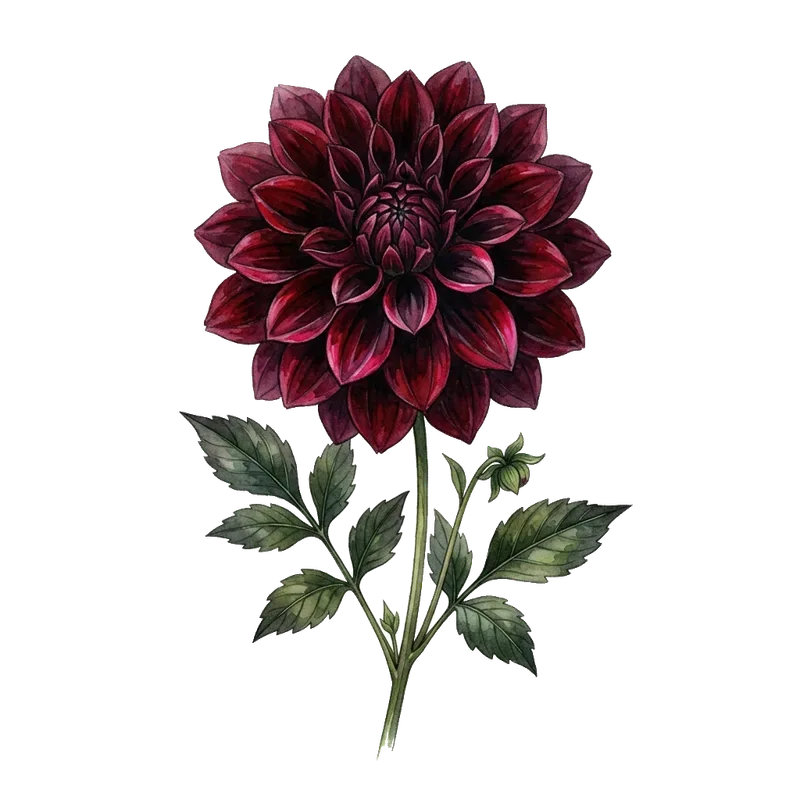
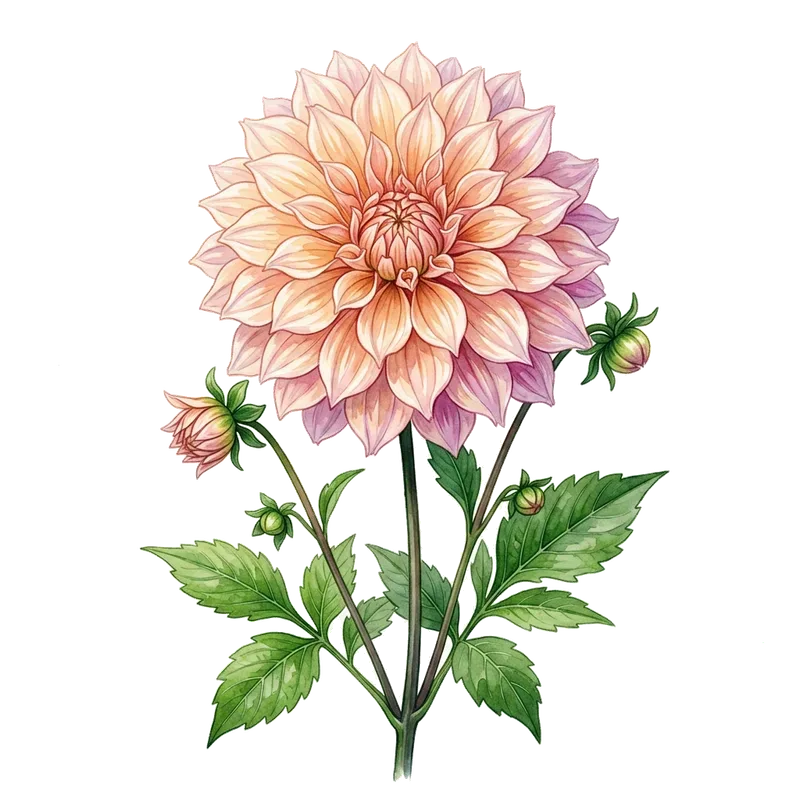
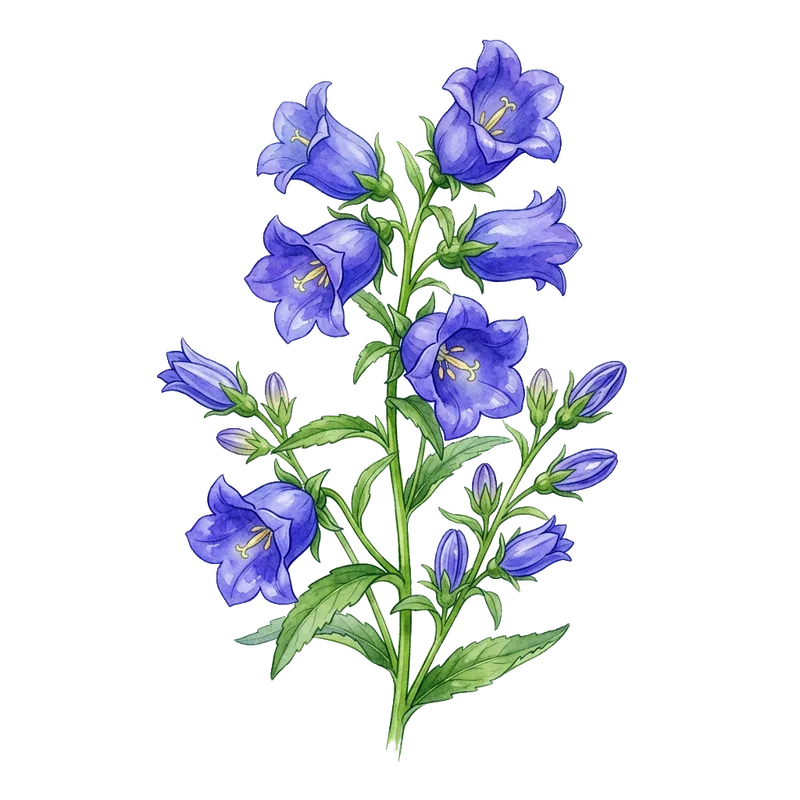
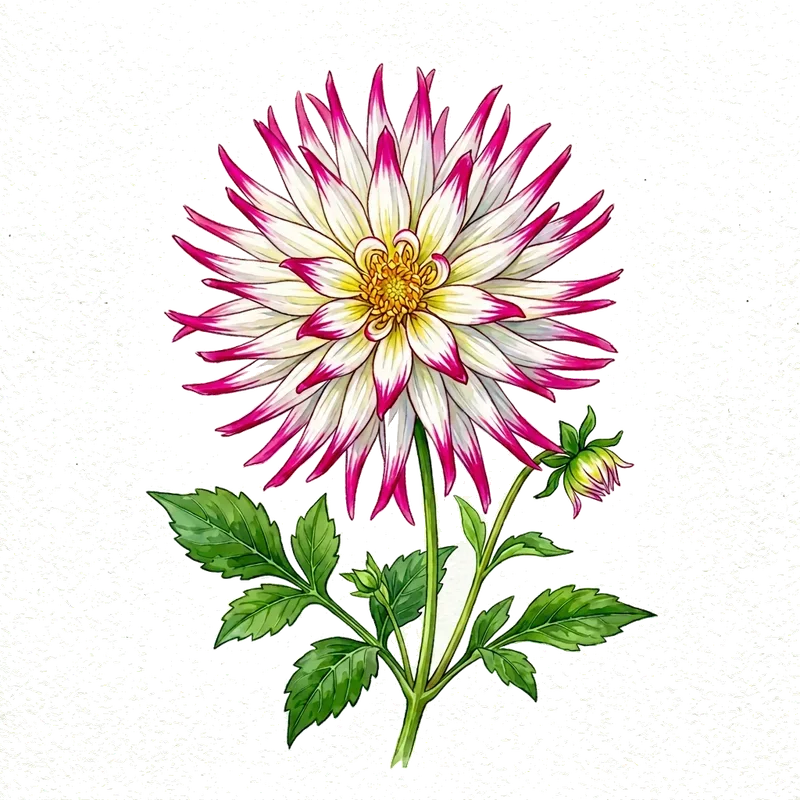
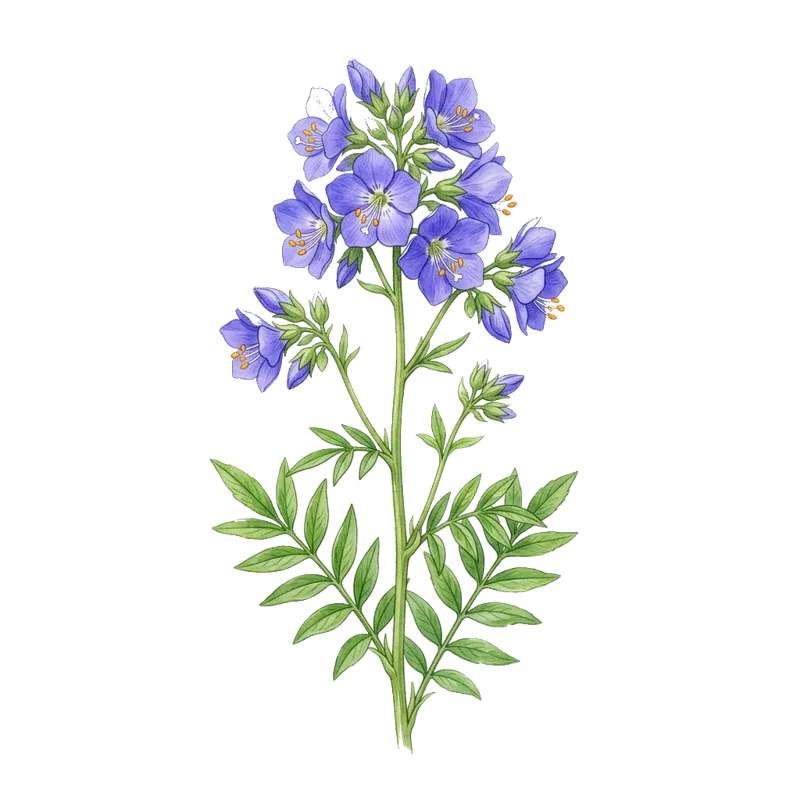
They favour basil, beans, cabbage, lettuce, dahlia, delphinium, hosta, marigolds and strawberries, and tend to leave lavender, rosemary, sage, ferns and cyclamen alone.
Plants they attack
27 plants in our catalog are recorded as prone to Slugs. Click any of them to see what else it draws in.
Vegetables
What eats them
These are the predators that go after Slugs. Grow the plants that bring them in and they do the work for you.
Plan a garden that defends itself
Put the host crop and its predator plants in one plan and see when each one flowers.
Organic control
Start by removing daytime shelter — boards, stones, debris and weedy patches around stems and trunks. This is UC IPM's first step and it is more effective than anything you can sprinkle.
Torchlight searches and hand-picking after dark genuinely work, because that is when the animals are out.
Set board traps raised about an inch off the ground and scrape off what accumulates underneath daily.
Water in the early morning rather than the evening. Evening watering leaves exactly the damp conditions they need to move around at night, so the timing of your watering can is a control measure.
Choose less palatable plants where you can, and set out sturdy pot-grown plantlets rather than vulnerable seedlings. Encourage ground beetles, and ducks, geese or chickens where that suits the garden.
On barriers the sources genuinely disagree, so treat them as unsettled. A recent RHS garden-realistic trial found no reduction in slug damage from copper tape, bark mulch, eggshells, sharp grit or wool pellets. UC IPM still recommends a copper barrier at least two inches tall, and notes diatomaceous earth stops working once damp. Given the RHS result is the newer direct test, do not rely on a barrier as your main defence.
Beer traps do catch slugs, but only within a radius of a few feet and the bait needs replacing every few days — a supplement, not a solution. Crushed eggshells and coffee grounds have specifically not been shown to work. Never use salt, which damages the soil.