
Vine weevil
Curculionidae
Notched leaf edges are only the warning. What kills the plant is underground.

How to spot them
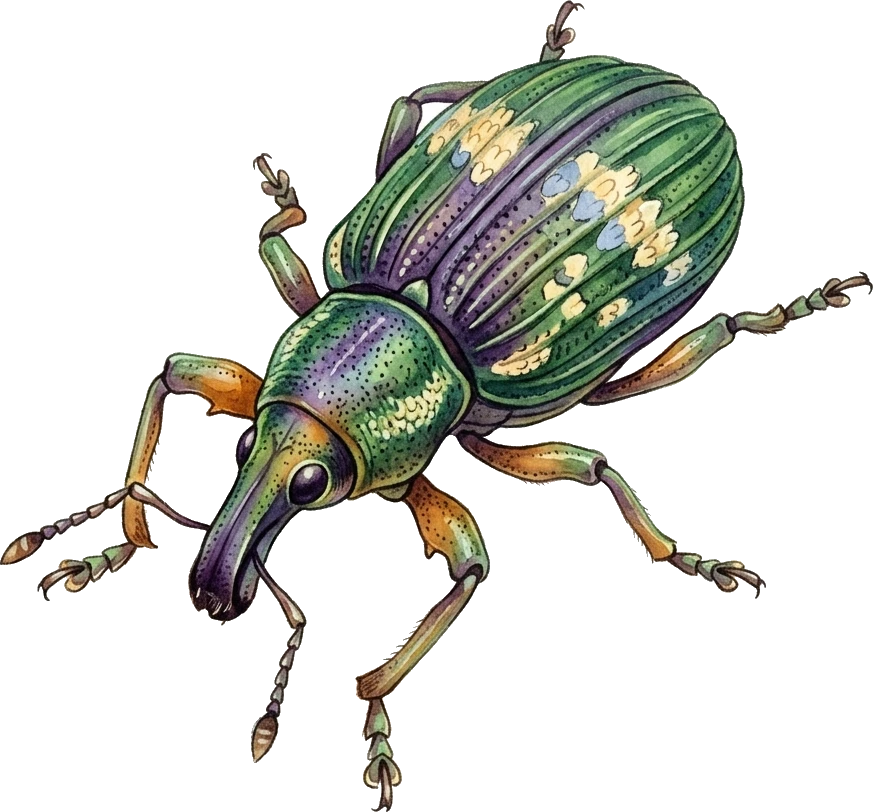
The adult is about 9mm long, dull black with dirty-yellow flecks on the wing cases, a broad snout and a pear-shaped outline from above. It cannot fly, but it is an excellent crawler and climber, which is how it gets into a raised pot. It feeds at night and hides by day.
Adult damage is unmistakable and mostly harmless: irregular notches bitten out of the leaf margins, never holes in the middle of the leaf. The RHS is blunt that this rarely does enough damage to affect a plant's vigour. Read the notches as a signal, not as the problem.
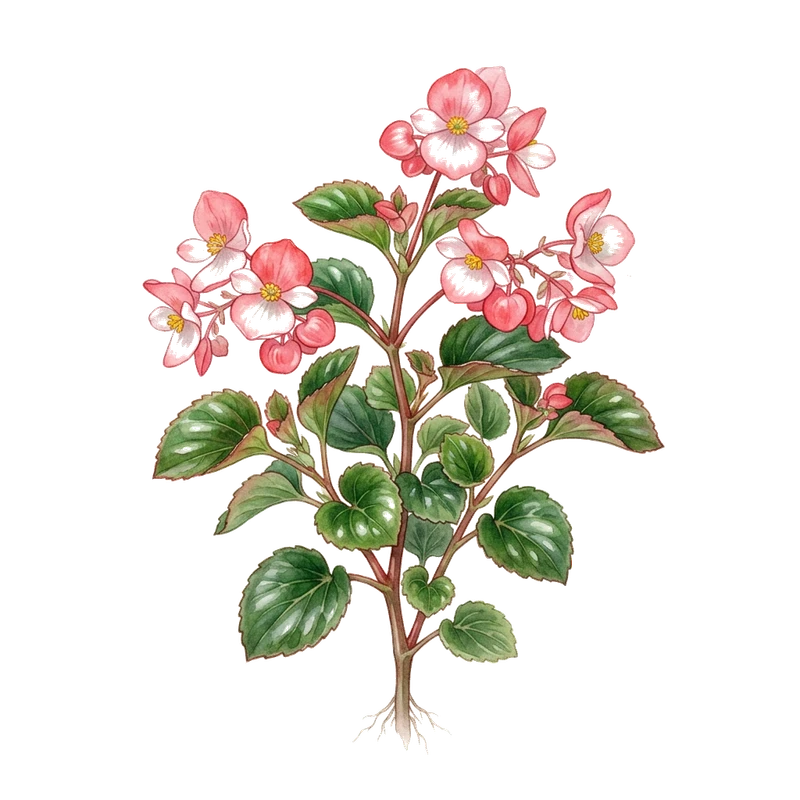
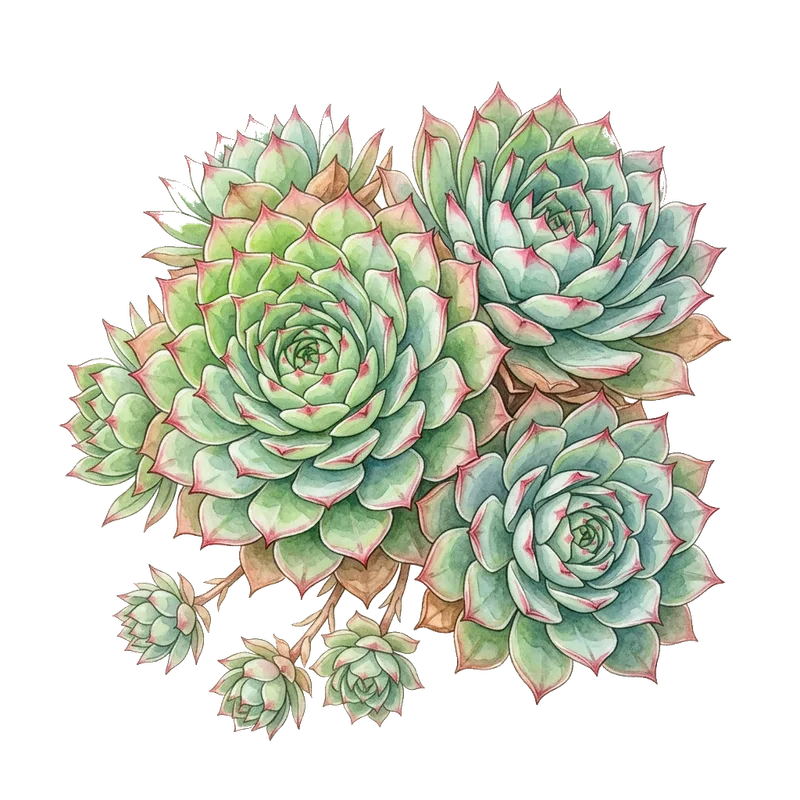
The grubs are the problem. They are plump, white, legless and C-shaped, up to 10mm long with pale brown heads, and they live in the root ball. From autumn through spring they eat roots, gnaw the outer tissue off larger roots and stem bases, and bore into cyclamen and begonia tubers and the stem bases of cacti and succulents.
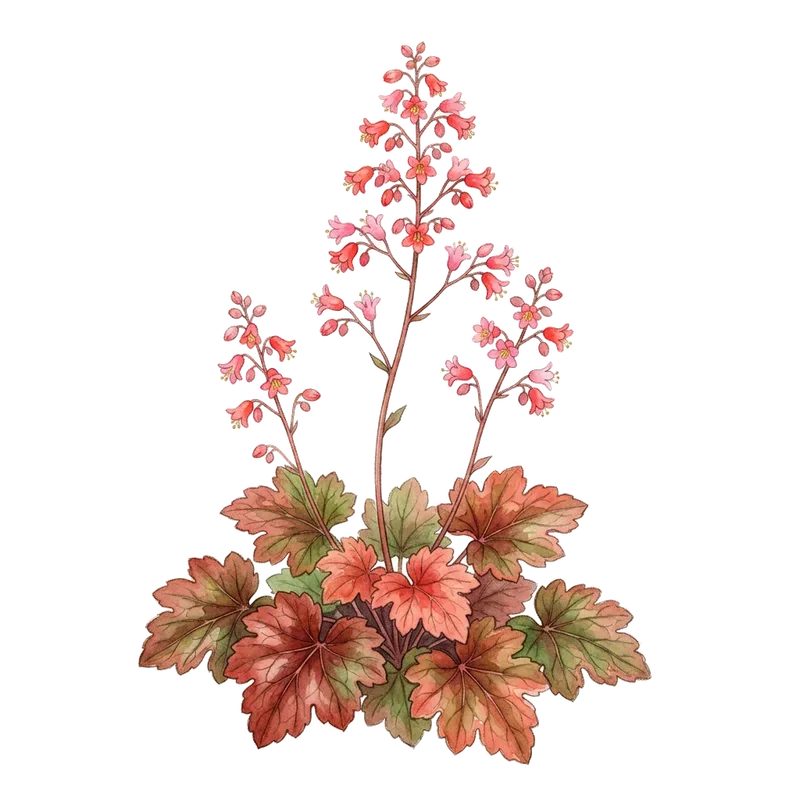
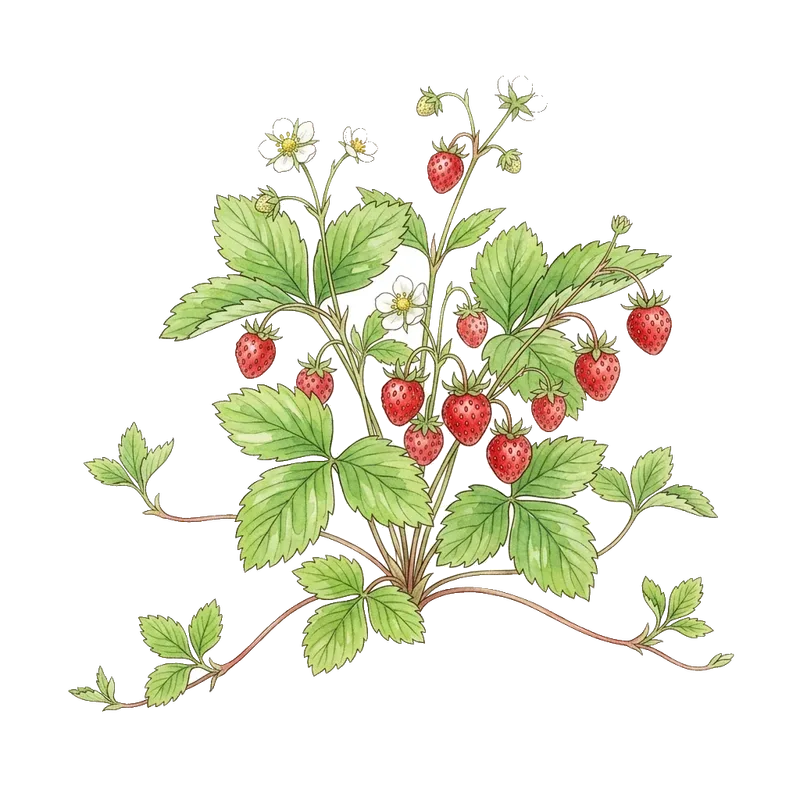
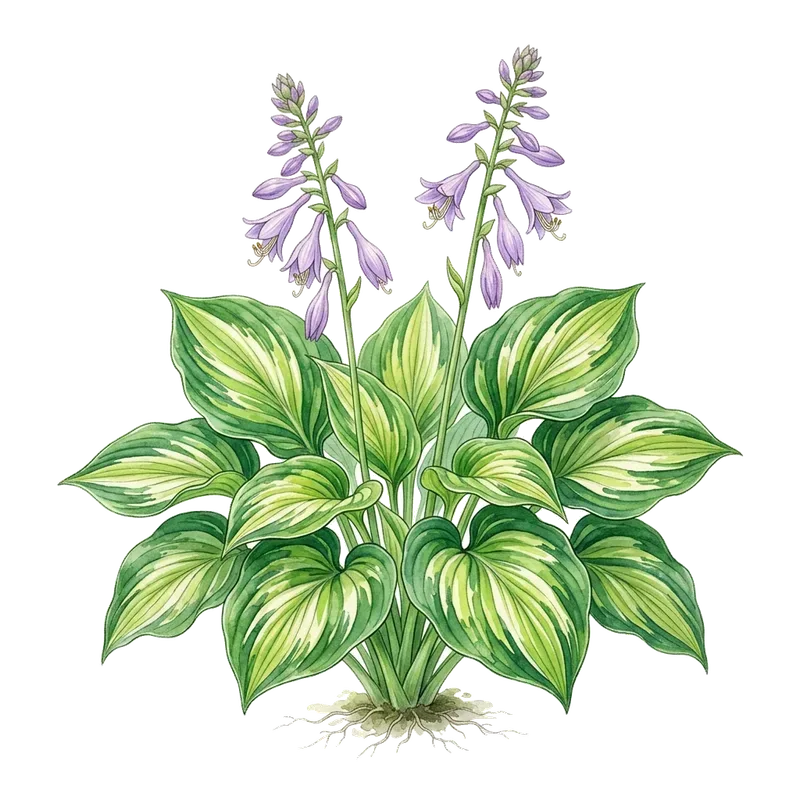
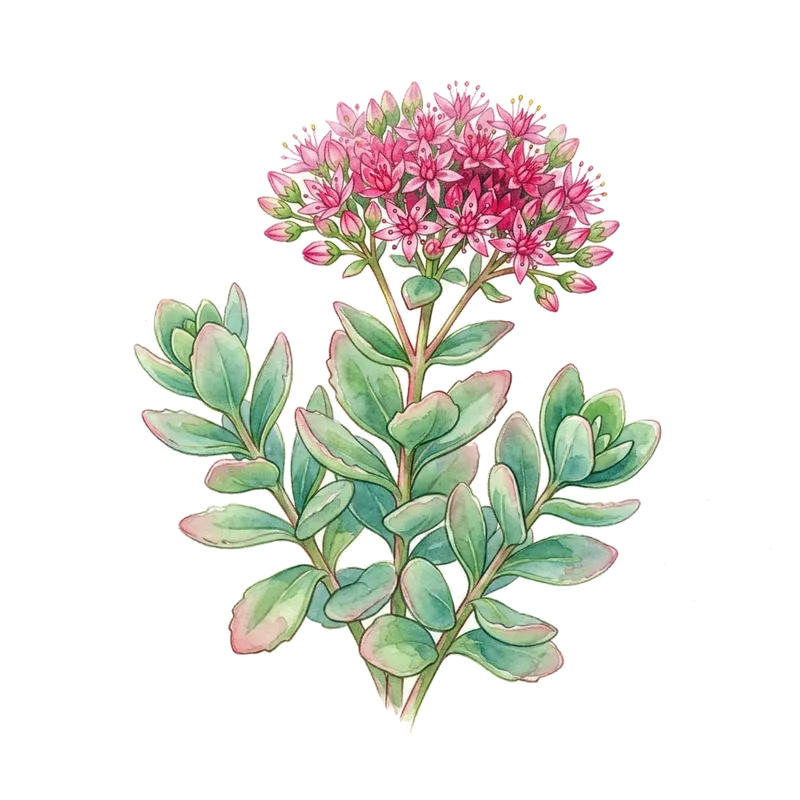
So the symptom that matters is a plant that wilts and dies for no visible reason, often over winter or in early spring, and then lifts out of its pot with nothing holding it. Containers are worst, indoors or out. Plants in open ground usually escape, though heavy grub numbers do build on strawberries, Primula, polyanthus, Sedum, Heuchera and young yew.
Plants they attack
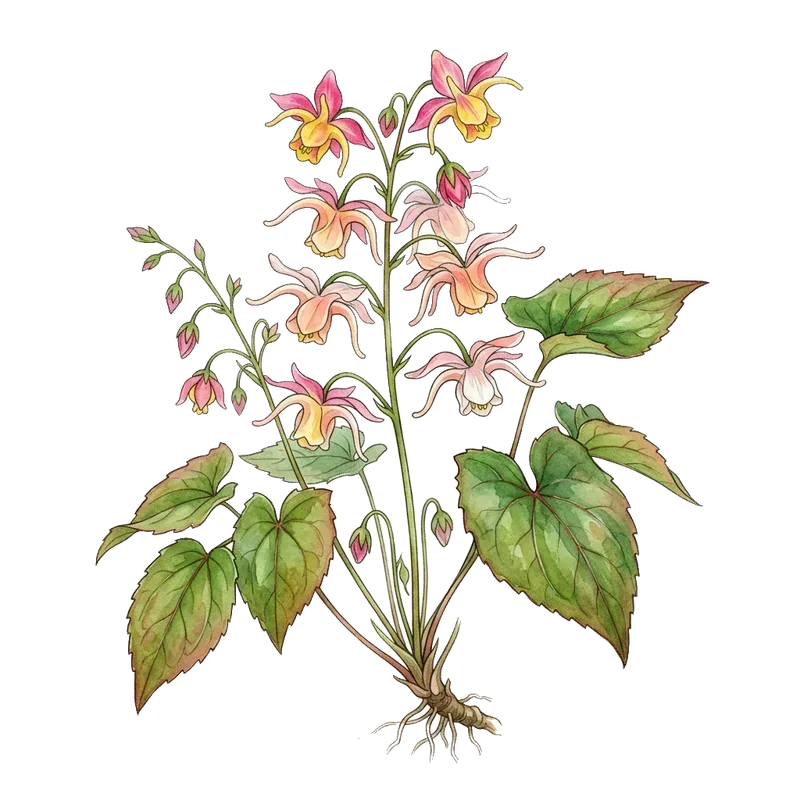
32 plants in our catalog are recorded as prone to Vine weevil. Click any of them to see what else it draws in.
Herbs
What eats them
These are the predators that go after Vine weevil. Grow the plants that bring them in and they do the work for you.
Plan a garden that defends itself
Put the host crop and its predator plants in one plan and see when each one flowers.
Organic control
Pathogenic nematodes are the control that works, and the timing is the whole trick. The RHS window is August to early September — before the grubs are big enough to do serious root damage. Soil temperature picks the species for you: Steinernema works from 5°C, Heterorhabditis needs 12°C. In a cool autumn only the Steinernema products are still doing anything, which is why S. kraussei is the one sold for late applications.
Go out on mild spring and summer evenings with a torch. The adults are on the foliage and on walls after dark; pick them off. Shake shrubs over an upturned umbrella or a sheet of newspaper to dislodge the rest — they cannot fly away.
UC IPM makes the case for doing that from spring onwards rather than later: every adult removed before it lays is a batch of grubs that never happens, and a single female can lay up to 500 eggs.
Repot anything you suspect. Knock the compost off the root ball, pick out the grubs by hand, and repot into fresh compost. On a plant already wilting this is often the only thing left that helps.
Ground beetles take both adults and grubs at soil level, along with birds, frogs and hedgehogs, and it is worth keeping the cover and litter that hold them. Be honest about the limit, though: a sealed container is out of a ground beetle's reach, so habitat helps in open ground and will not save a pot.
Do not wait for the leaf notching to tell you when to act. Adults notch through the summer, the grubs that actually kill are already feeding by autumn, and by the time the plant wilts the roots are gone. Treat on the calendar, not on symptoms.