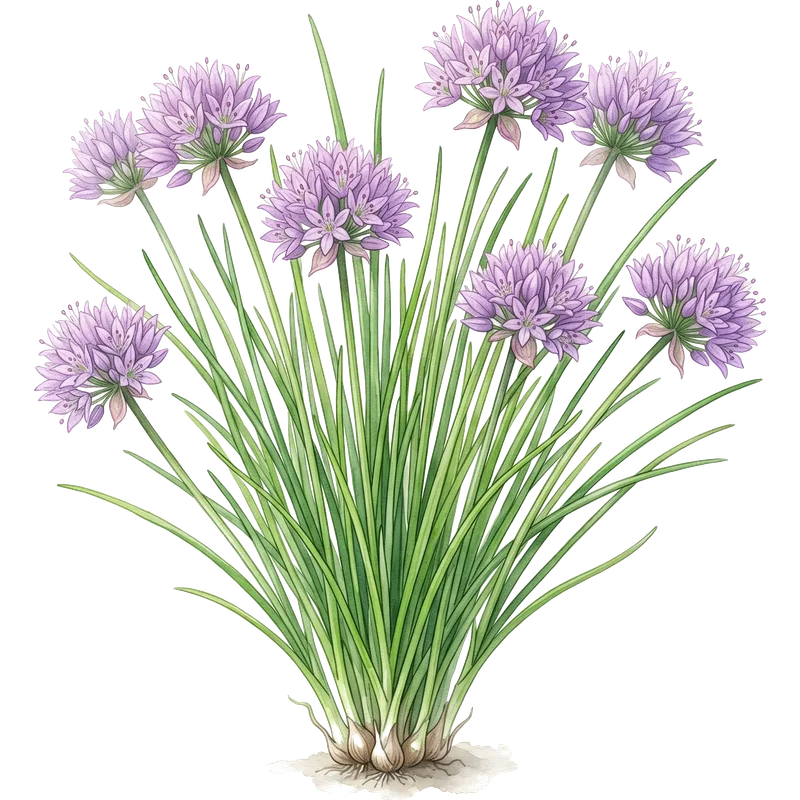
Companion plants for Chives
32 partners scored across pest control, nitrogen, root depth, shade and spacing.

Best partners
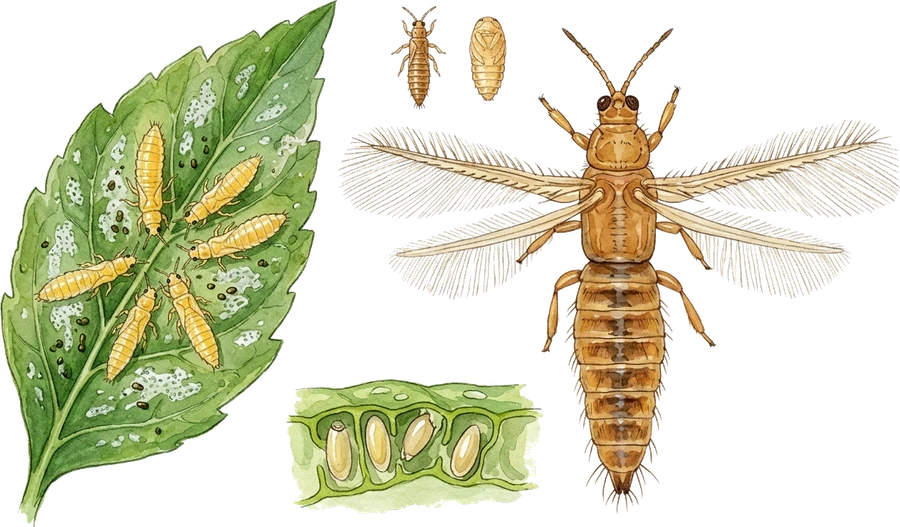
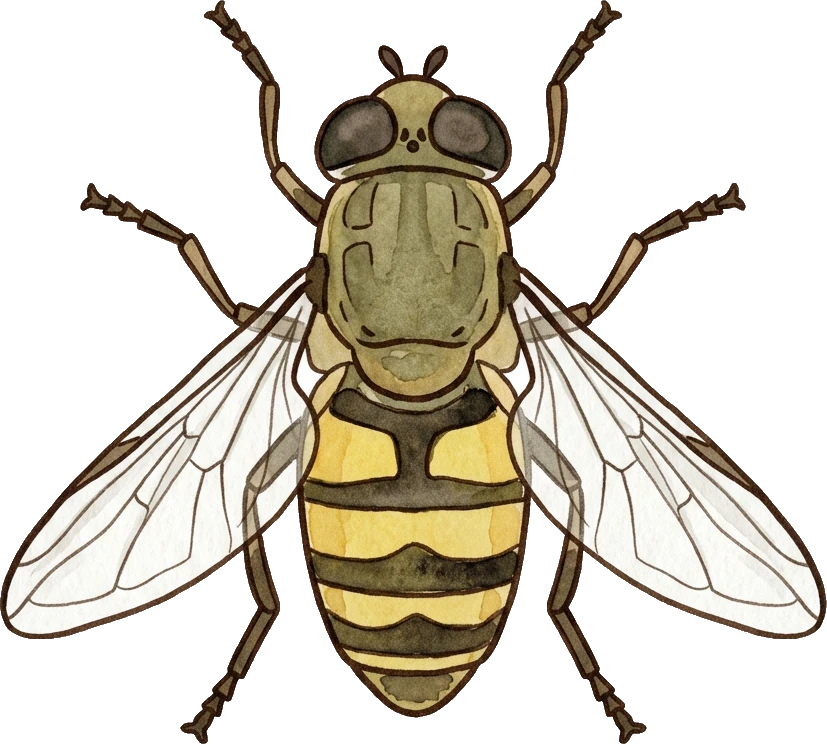
Baby's BreathGreat pair- Baby's Breath attracts Hoverflies, which prey on the Thrips that attack Chives
- Baby's Breath roots deep while Chives feeds near the surface — no competition
- Chives acts as living mulch, keeping soil moist and weeds down around Baby's Breath
- Great pair
- Chaytor's Lavender attracts Hoverflies, which prey on the Thrips that attack Chives
- Chives draws Bees and Bumblebees and more that improve pollination for both
- Chaytor's Lavender roots deep while Chives feeds near the surface — no competition
- Great pair
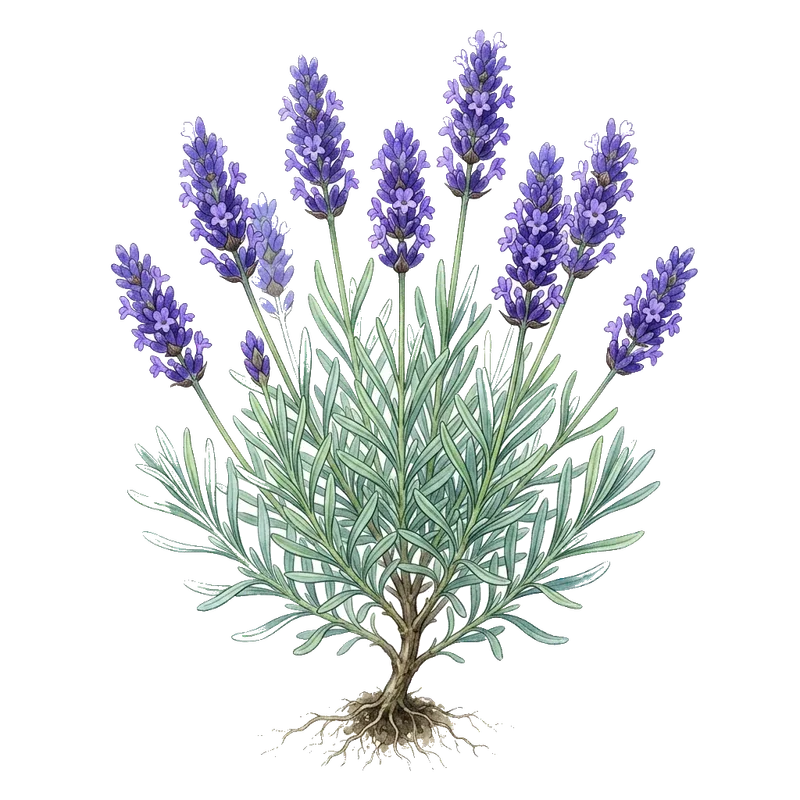
- English Lavender suppresses pests that trouble Chives
- Chives draws Bees and Bumblebees and more that improve pollination for both
- English Lavender roots deep while Chives feeds near the surface — no competition
- Great pair
- Chives draws Bees and Bumblebees and more that improve pollination for both
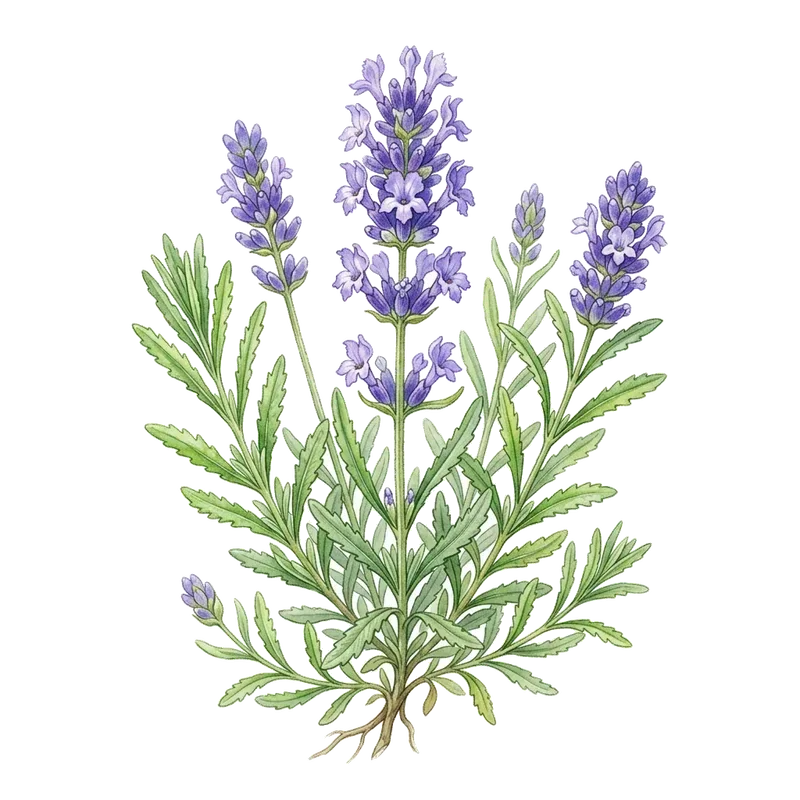
- round leaf lavender roots deep while Chives feeds near the surface — no competition
- Chives acts as living mulch, keeping soil moist and weeds down around round leaf lavender
- Great pair
- Chives draws Bees and Bumblebees and more that improve pollination for both
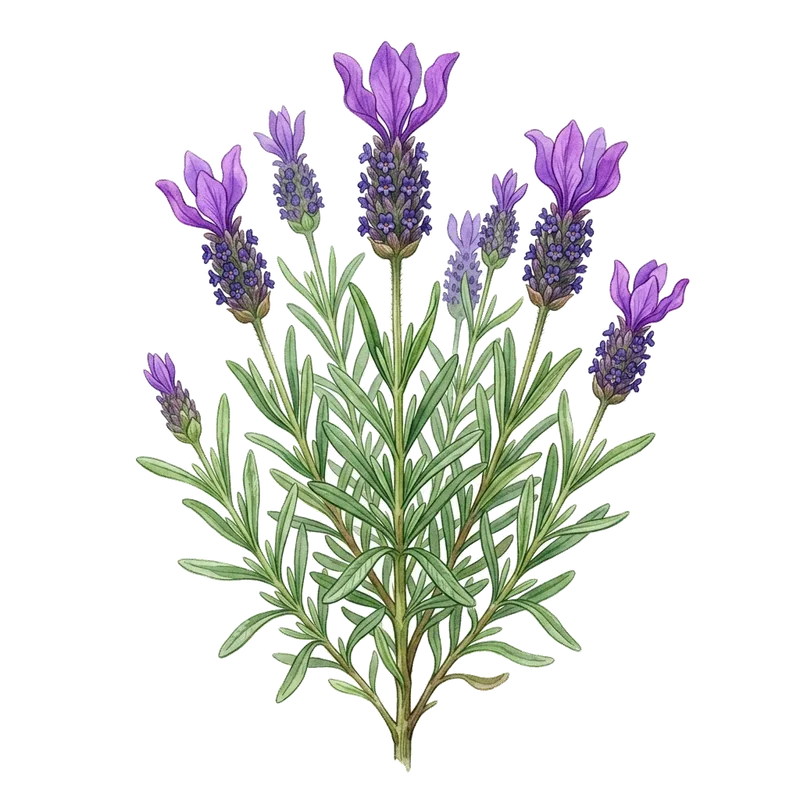
- Spanish lavender roots deep while Chives feeds near the surface — no competition

- Chives acts as living mulch, keeping soil moist and weeds down around Spanish lavender
- Great pair
- Mustard Greens attracts Hoverflies, which prey on the Thrips that attack Chives
- Mustard Greens suppresses pests that trouble Chives
- Chives draws Bees and Bumblebees and more that improve pollination for both
- Great pair
- Red Mustard attracts Hoverflies, which prey on the Thrips that attack Chives
- Red Mustard suppresses pests that trouble Chives
- Chives draws Bees and Bumblebees and more that improve pollination for both
- Great pair
- Wasabina attracts Hoverflies, which prey on the Thrips that attack Chives
- Wasabina suppresses pests that trouble Chives
- Chives draws Bees and Bumblebees and more that improve pollination for both
Also works well
Keep apart

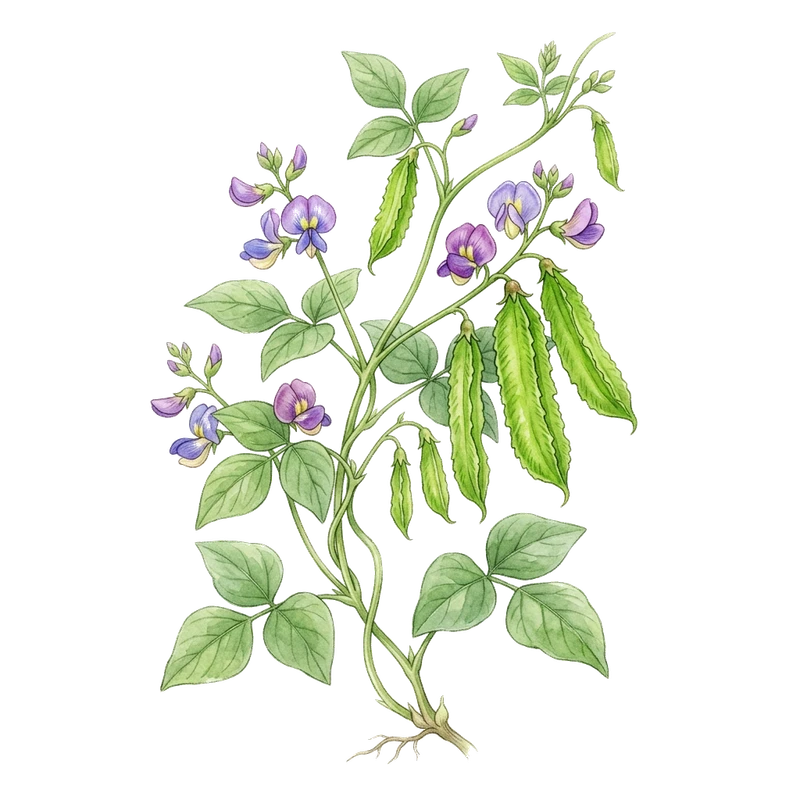
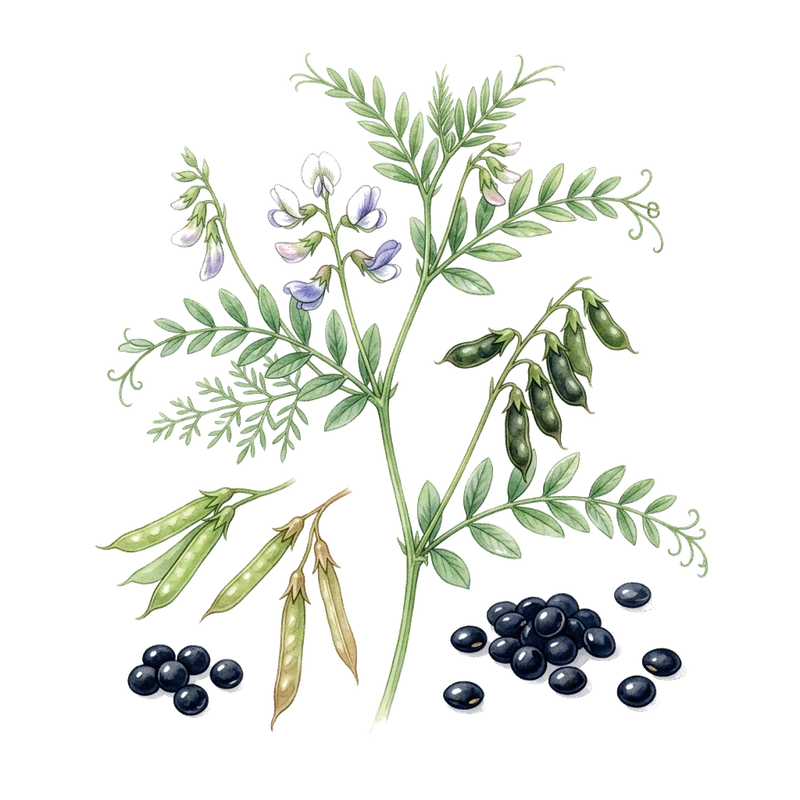
Amaryllidaceae and Fabaceae are known to grow poorly together

Amaryllidaceae and Fabaceae are known to grow poorly together

Amaryllidaceae and Fabaceae are known to grow poorly together
Planning a whole bed?
Kindred Core scores every plant in your garden against every other — free.