
Cutworms
Noctuidae
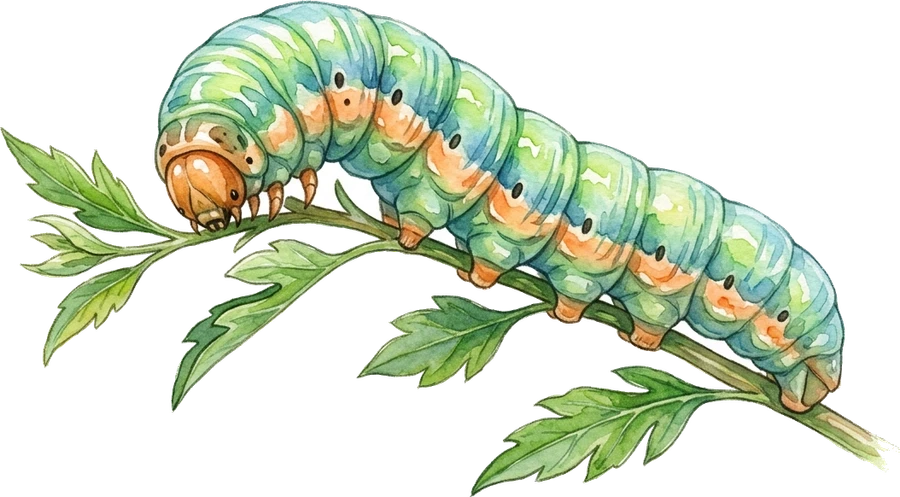
A seedling lying beside its own stump in the morning, cut clean through at soil level.

How to spot them
The damage is the identification. Seedling stems are clipped off near or just below soil level overnight and the plant is lying beside the hole in the morning. On older plants the same caterpillars chew holes in leaves, bore into lettuce and cabbage heads and into young fruit, and leave fruiting stems to wilt and fall.
The caterpillars are dull brown and smooth-skinned, marked to match soil, and 2.5 to 5cm long when fully grown. The tell is what they do when you touch one: they curl into a tight C. The species you meet in a garden are the turnip moth (Agrotis segetum), the large yellow underwing (Noctua pronuba) and the heart and dart (Agrotis exclamationis), and the RHS notes they can also be pale green or creamy-white rather than grey-brown.
They feed at night. By day they sit on or just below the soil surface, or low down on the plant. This is why the RHS advice is so practical: when a plant suddenly wilts, the cutworm is usually easy to find right beneath it — dig around the stem base and you have it.
They are mainly a spring problem, and they are worst on transplants and on ground that was recently grass or weeds, because that is where the moths laid.
Plants they attack
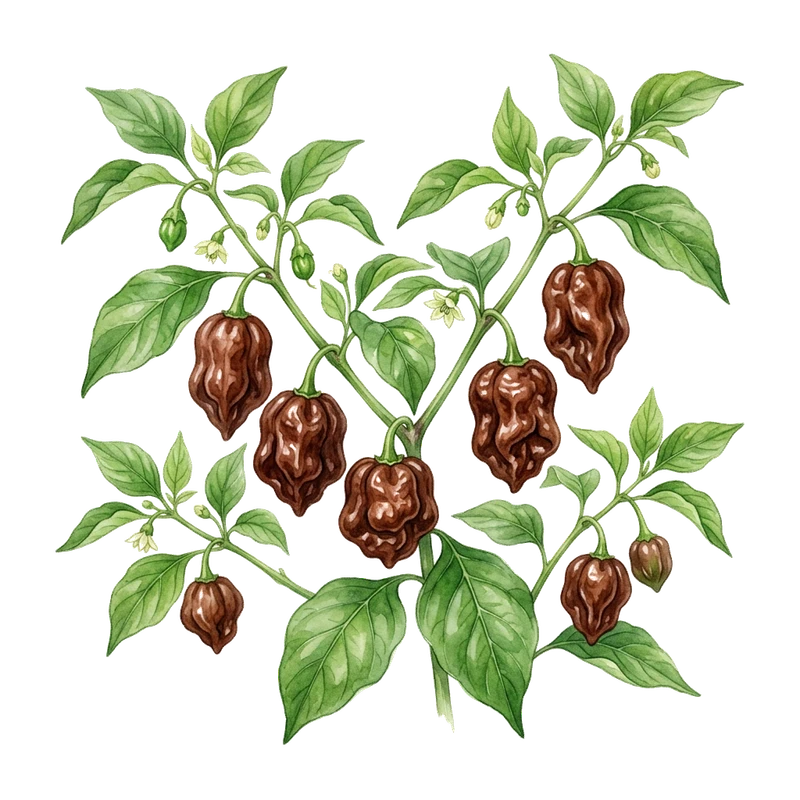
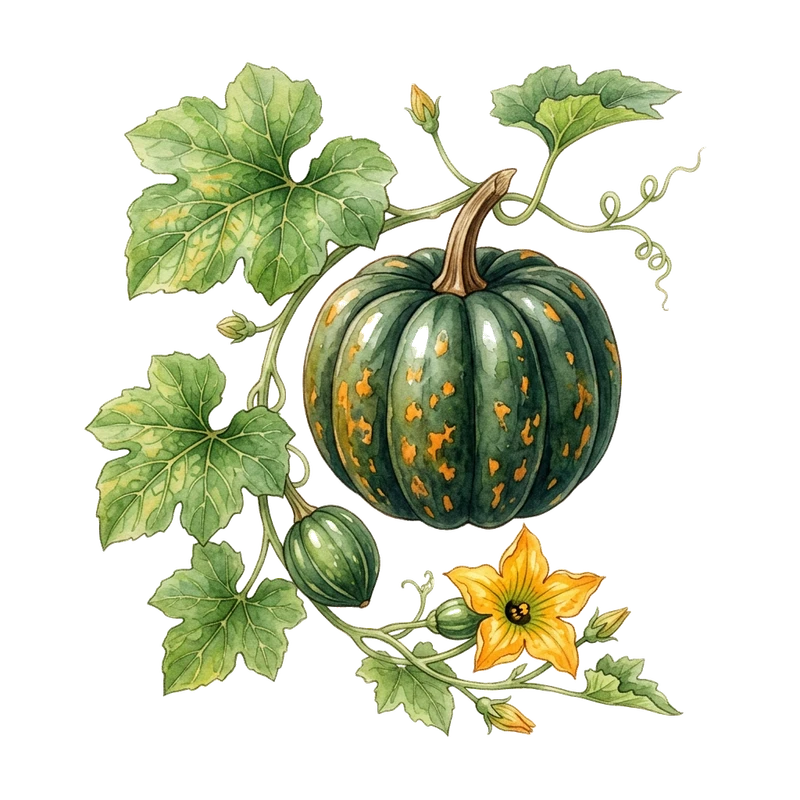
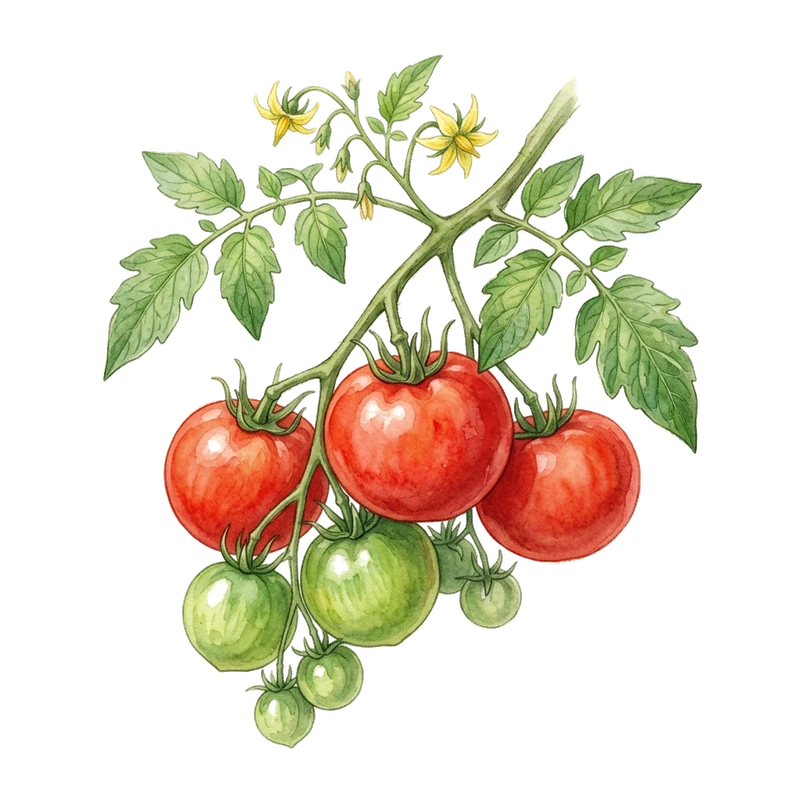
224 plants in our catalog are recorded as prone to Cutworms. Click any of them to see what else it draws in.


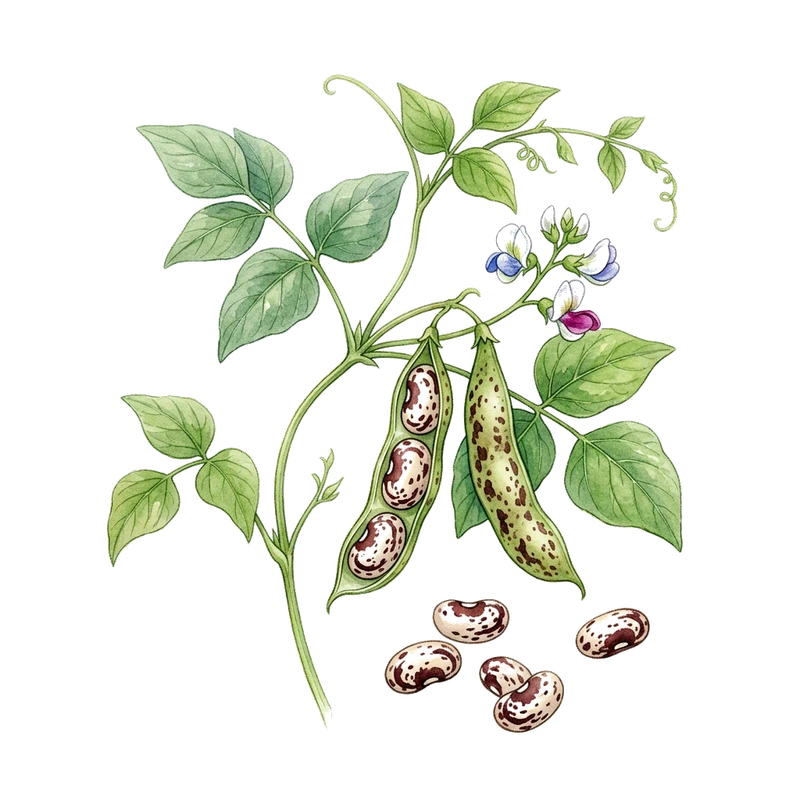
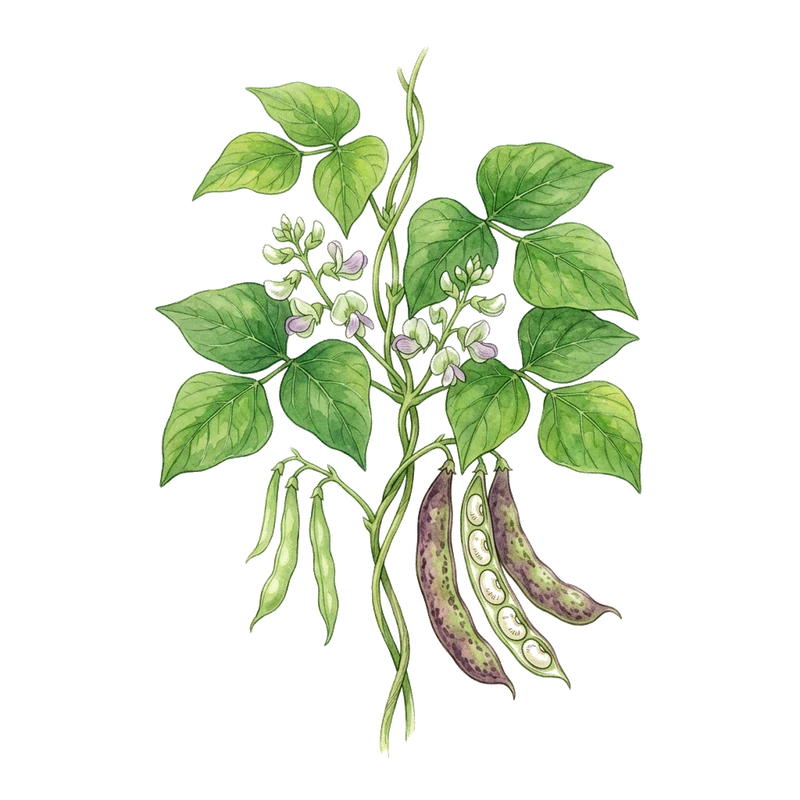
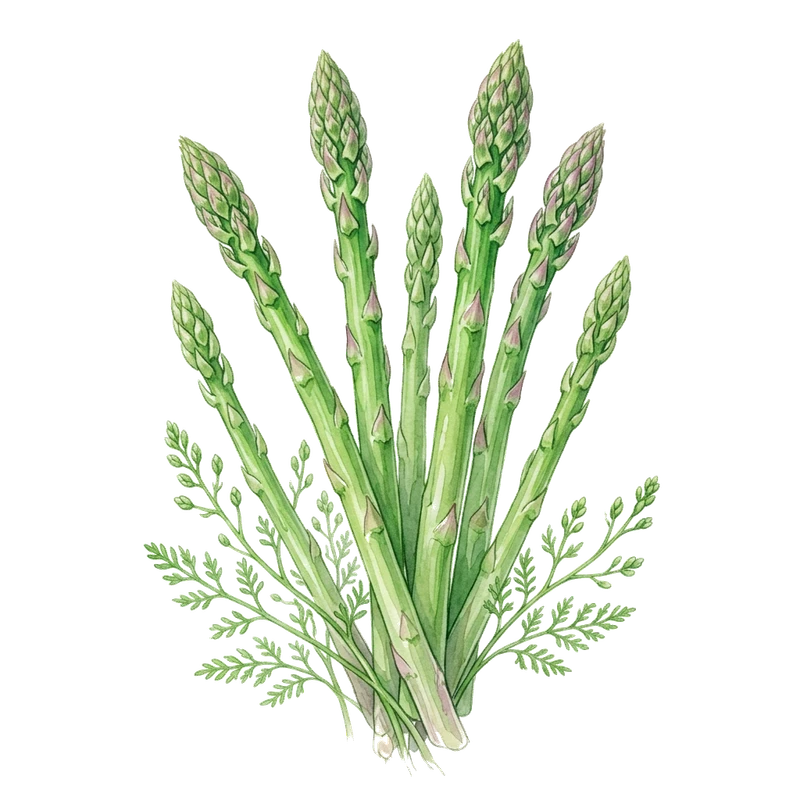
What eats them
These are the predators that go after Cutworms. Grow the plants that bring them in and they do the work for you.
Plan a garden that defends itself
Put the host crop and its predator plants in one plan and see when each one flowers.
Organic control
Collars around the stems of transplants — cardboard, screen or protective cloth, pushed into the soil. It is the cheapest thing on this list and it beats everything else at the seedling stage, because it is a physical barrier against an animal that has to reach the stem to do anything.
Water the plot. The RHS finding is specific and easy to act on: young cutworms are very vulnerable to rain or irrigation, and well-watered vegetable beds are often free of damage. Here the watering can is a control measure, not just maintenance.
Hand-pick at night with a torch — UC IPM calls this very effective. In the morning, dig around any plant that was cut overnight; the caterpillar is within a few centimetres of it.
Clear crop residues and keep the ground weed-free before you plant. You are removing the rough, weedy surface the moths prefer to lay on, which is a far better use of effort than treating after the fact.
Insect-proof mesh over the bed keeps the egg-laying moths off in the first place.
Set out sturdy transplants rather than tender seedlings, and sow a few more than you need. Unglamorous, but it is what UC IPM recommends and it works.
Nematodes exist for this, but they are fussier than the vine weevil treatment: the mixed-species caterpillar product needs watering into moist soil at a soil temperature of 12–20°C. Below that it does nothing, so check the soil before you spend the money.