Companion plants for Lemon Balm
36 partners scored across pest control, nitrogen, root depth, shade and spacing.

Best partners
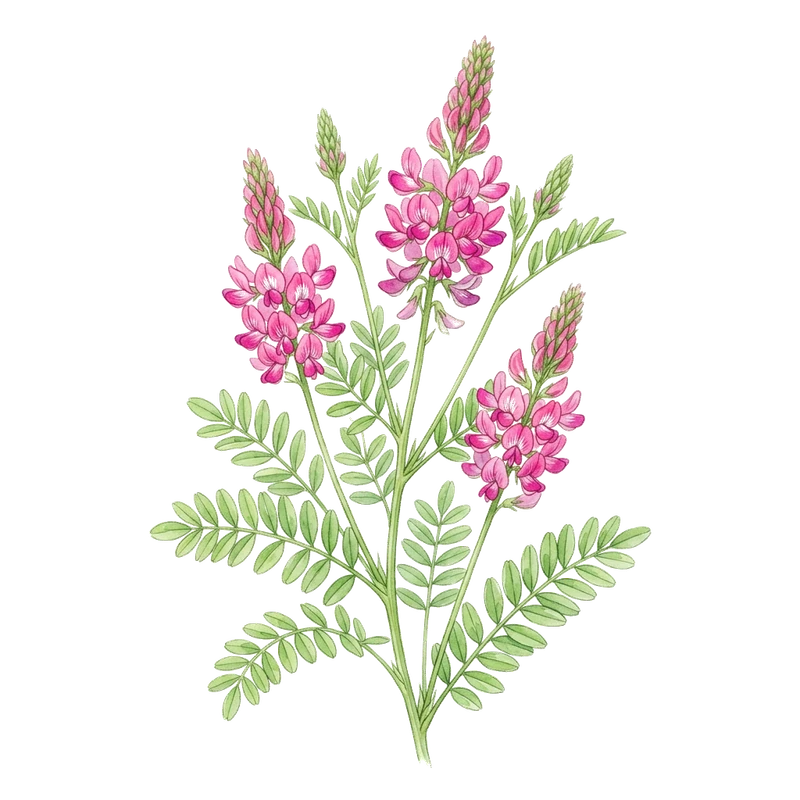
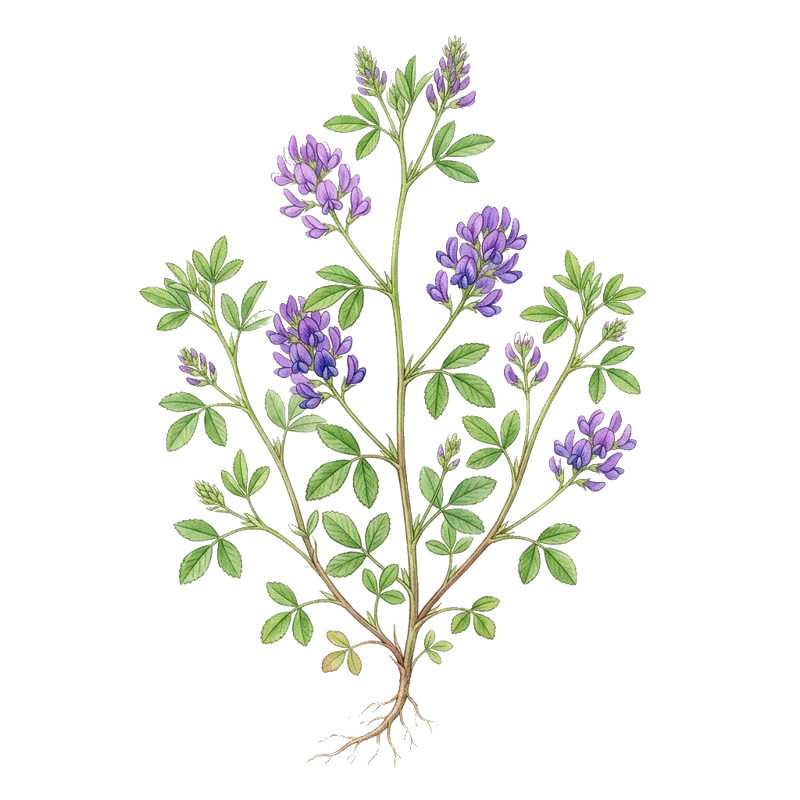
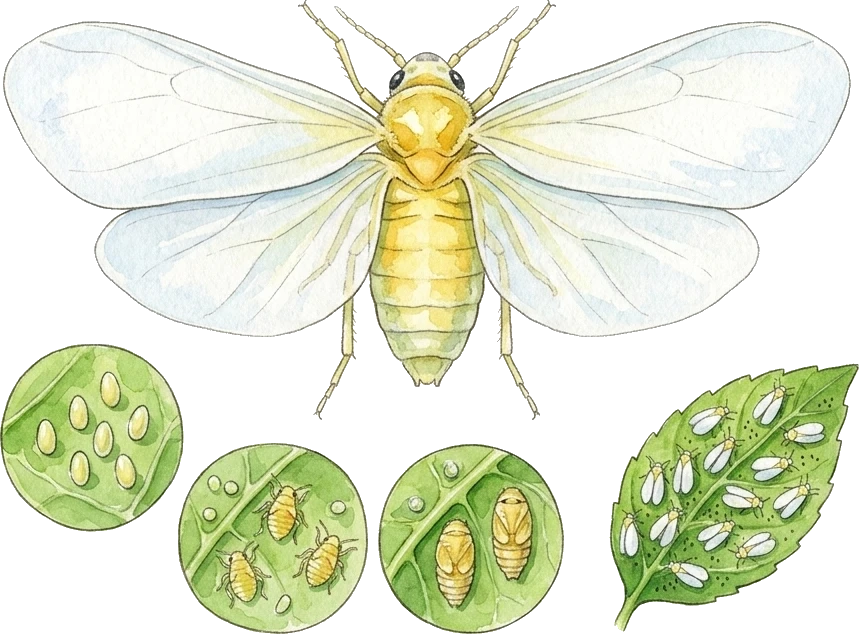
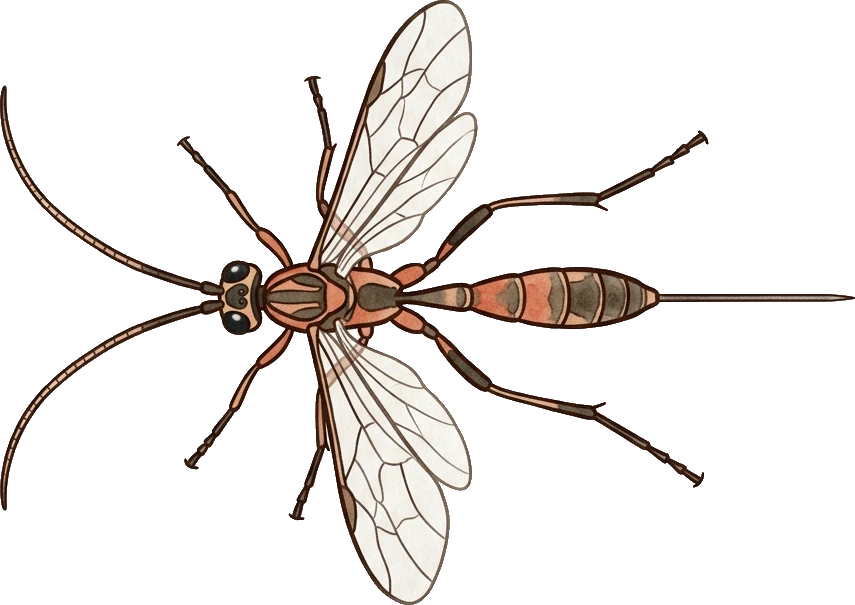
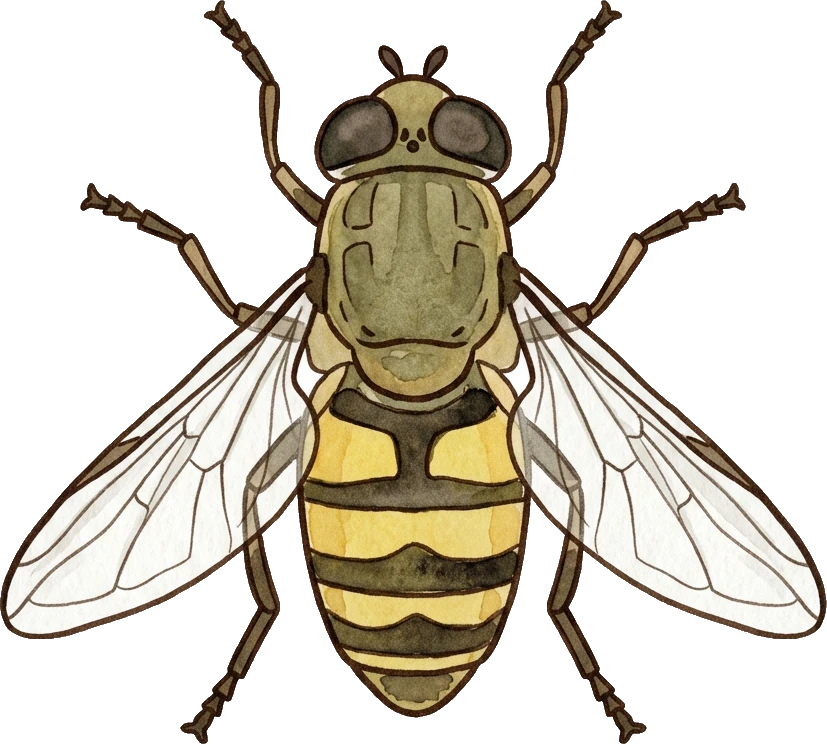
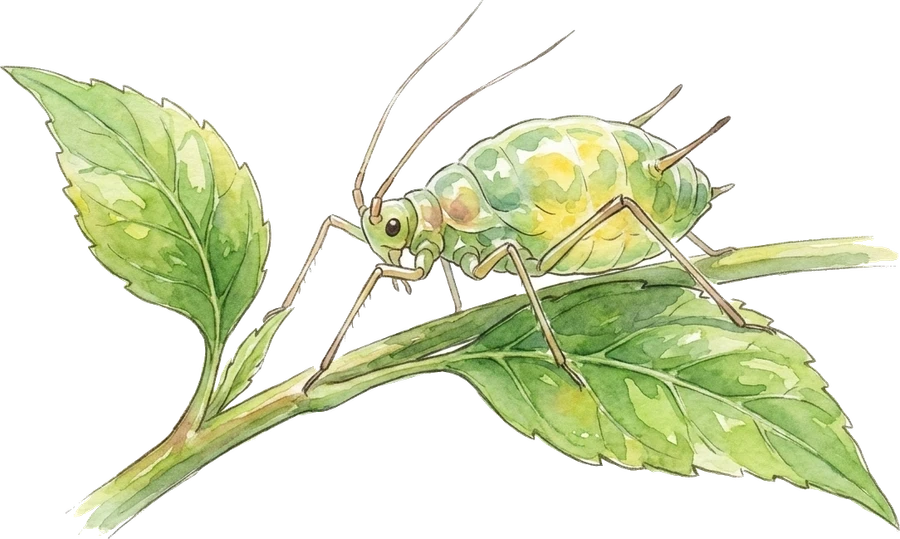
SainfoinExcellent pair- Sainfoin attracts Parasitic wasps and Hoverflies, which prey on the Whitefly and Aphids that attack Lemon Balm
- Sainfoin fixes nitrogen in the soil that Lemon Balm feeds on
- Sainfoin roots deep while Lemon Balm feeds near the surface — no competition
- Excellent pair
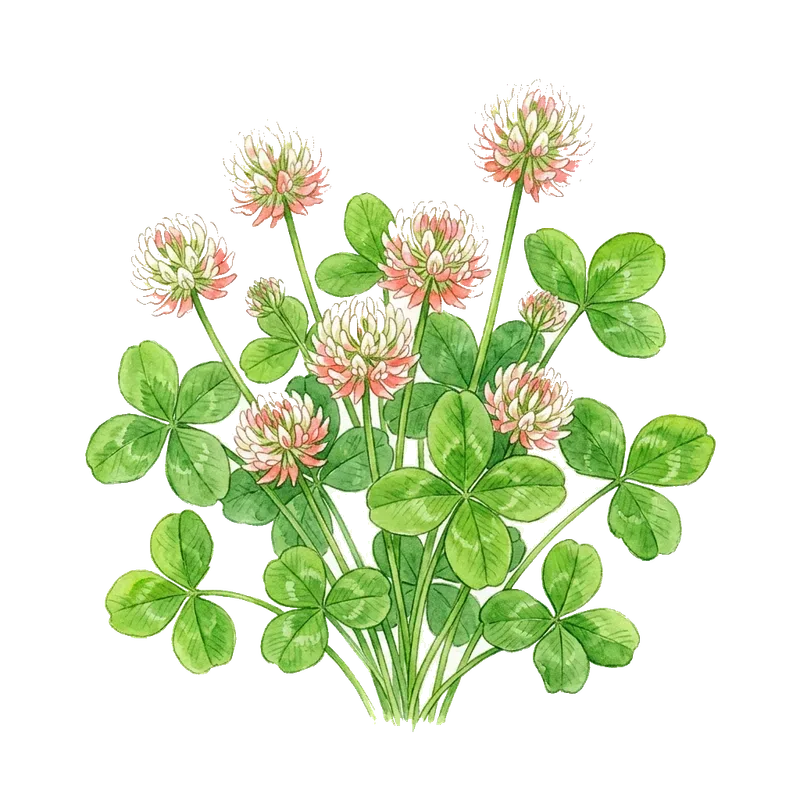
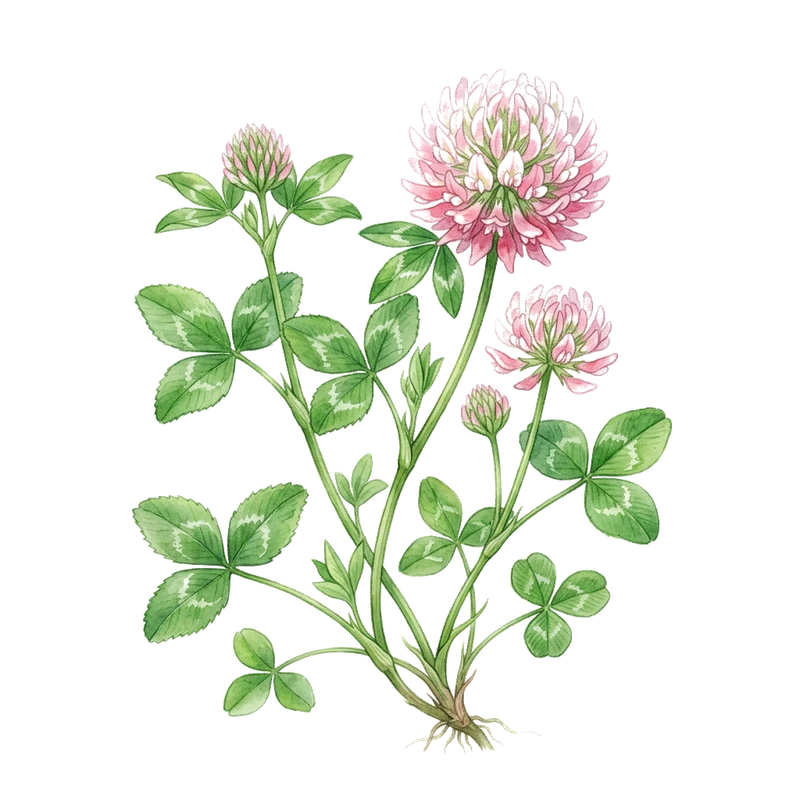
- Alsike Clover attracts Parasitic wasps and Hoverflies, which prey on the Whitefly and Aphids that attack Lemon Balm
- Alsike Clover fixes nitrogen in the soil that Lemon Balm feeds on
- Lemon Balm draws Bees and Bumblebees and more that improve pollination for both

- Excellent pair
- Berseem Clover attracts Parasitic wasps and Hoverflies, which prey on the Whitefly and Aphids that attack Lemon Balm
- Berseem Clover fixes nitrogen in the soil that Lemon Balm feeds on
- Lemon Balm draws Bees and Bumblebees and more that improve pollination for both
- Excellent pair
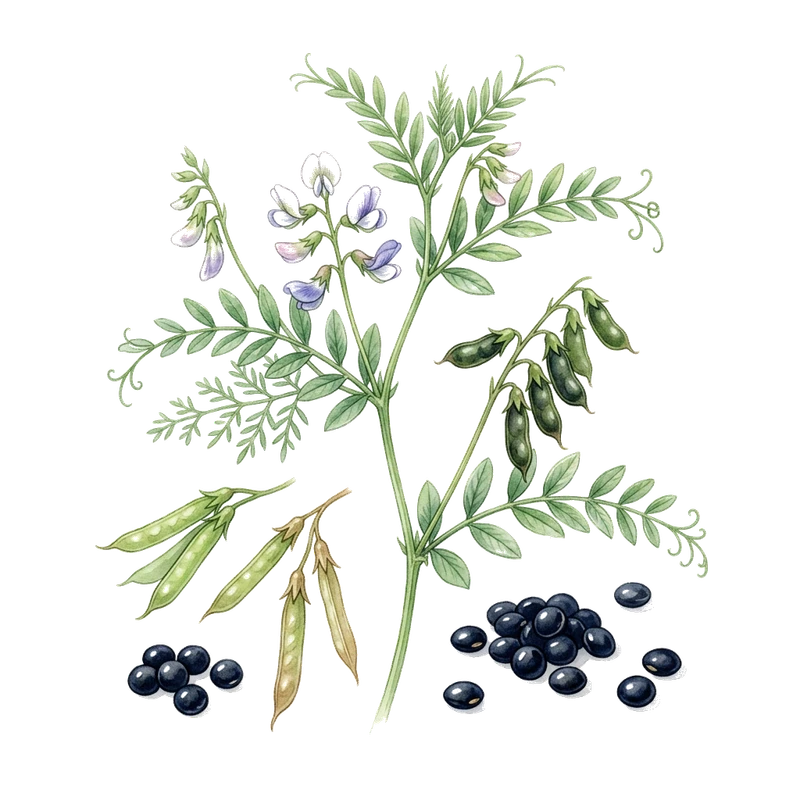
- Common Vetch attracts Parasitic wasps and Hoverflies, which prey on the Whitefly and Aphids that attack Lemon Balm
- Common Vetch fixes nitrogen in the soil that Lemon Balm feeds on
- Lemon Balm draws Bees and Bumblebees and more that improve pollination for both
- Excellent pair
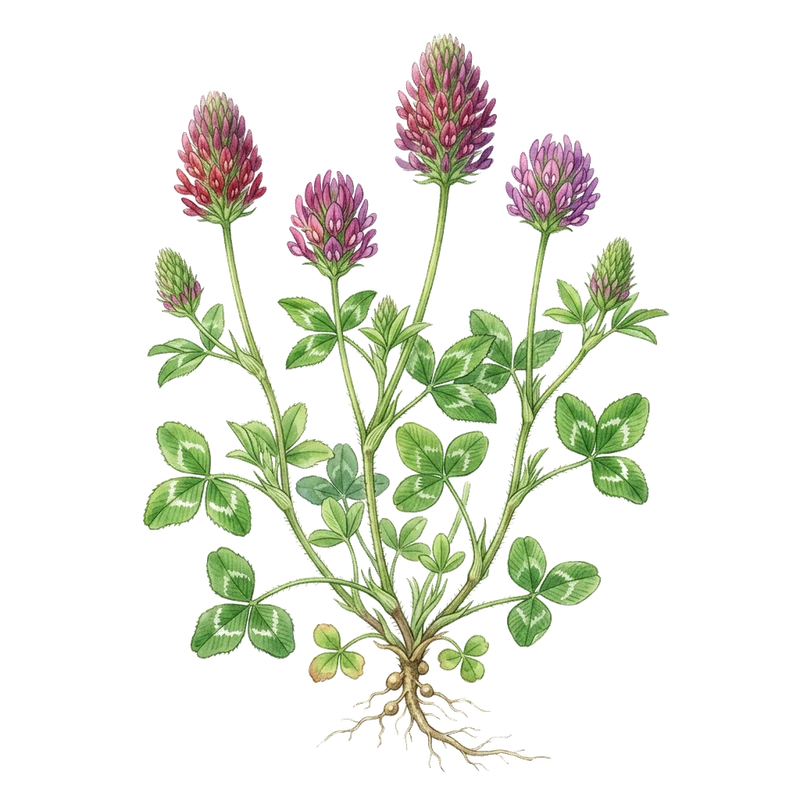
- Crimson Clover attracts Parasitic wasps and Hoverflies, which prey on the Whitefly and Aphids that attack Lemon Balm
- Crimson Clover fixes nitrogen in the soil that Lemon Balm feeds on
- Lemon Balm draws Bees and Bumblebees and more that improve pollination for both
- Excellent pair
- Hairy Vetch attracts Parasitic wasps and Hoverflies, which prey on the Whitefly and Aphids that attack Lemon Balm
- Hairy Vetch fixes nitrogen in the soil that Lemon Balm feeds on
- Lemon Balm draws Bees and Bumblebees and more that improve pollination for both
- Excellent pair
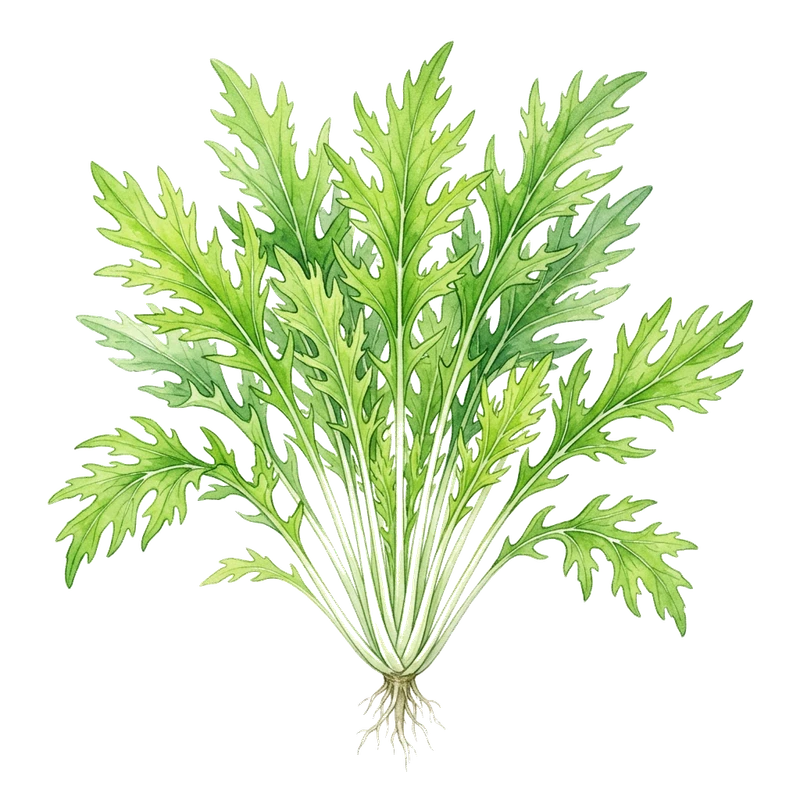
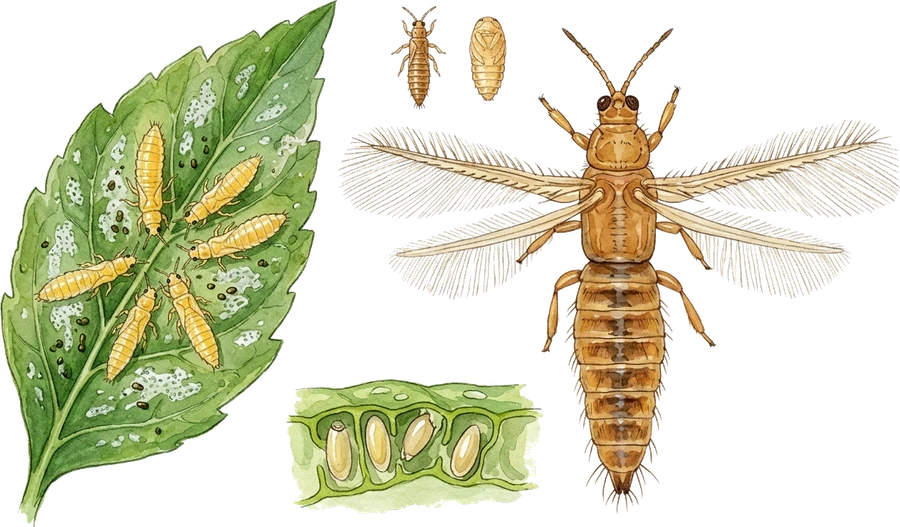
- Mustard Greens attracts Parasitic wasps and Hoverflies, which prey on the Whitefly and Flea beetles and more that attack Lemon Balm
- Mustard Greens suppresses pests that trouble Lemon Balm
- Lemon Balm draws Bees and Bumblebees and more that improve pollination for both
- Excellent pair
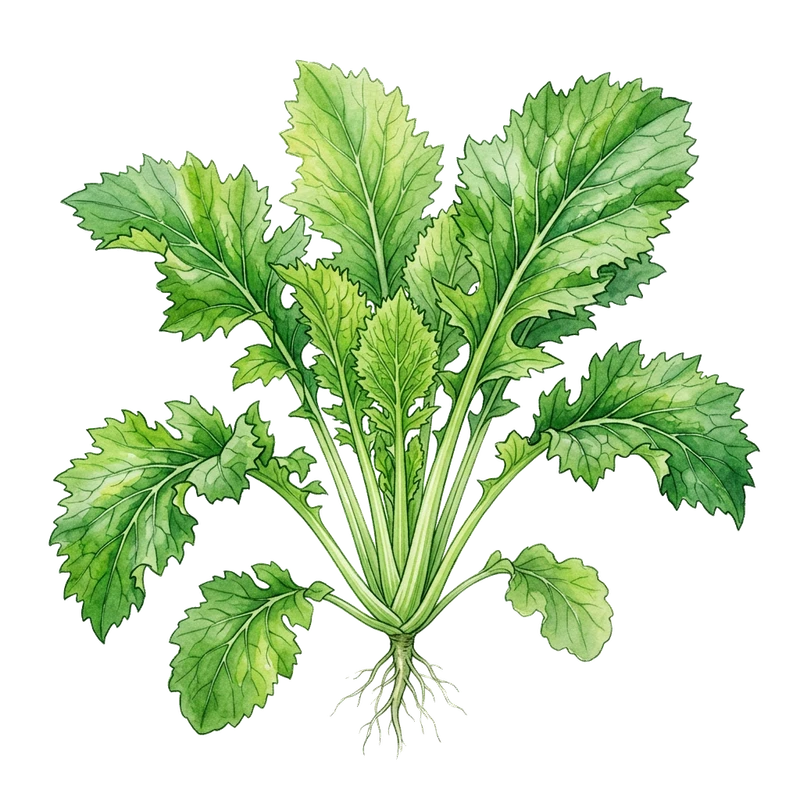
- Red Mustard attracts Parasitic wasps and Hoverflies, which prey on the Whitefly and Flea beetles and more that attack Lemon Balm
- Red Mustard suppresses pests that trouble Lemon Balm
- Lemon Balm draws Bees and Bumblebees and more that improve pollination for both
- Excellent pair
- Wasabina attracts Parasitic wasps and Hoverflies, which prey on the Whitefly and Flea beetles and more that attack Lemon Balm
- Wasabina suppresses pests that trouble Lemon Balm
- Lemon Balm draws Bees and Bumblebees and more that improve pollination for both
- Excellent pair
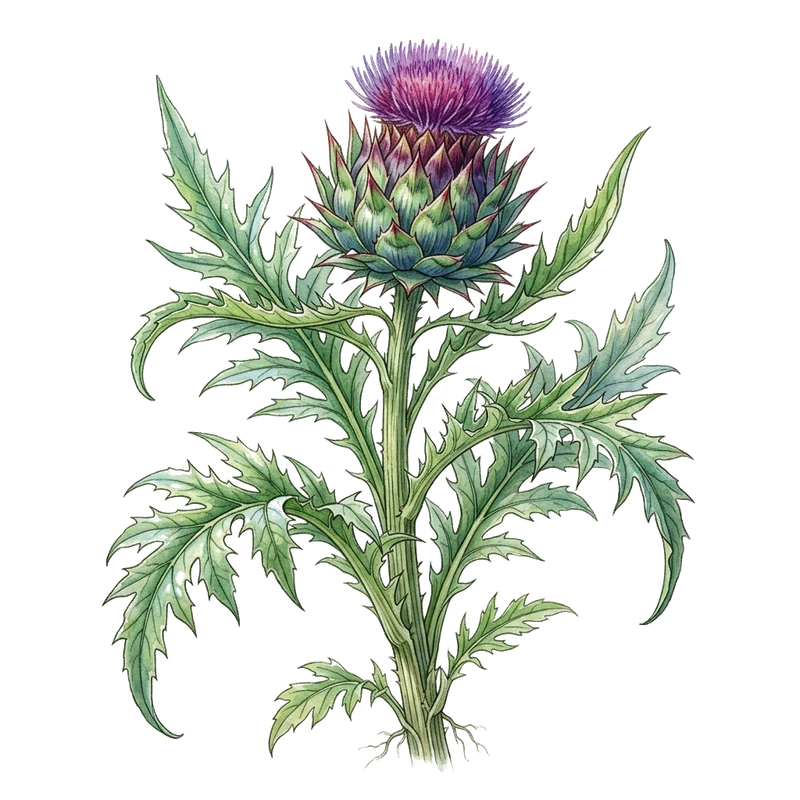
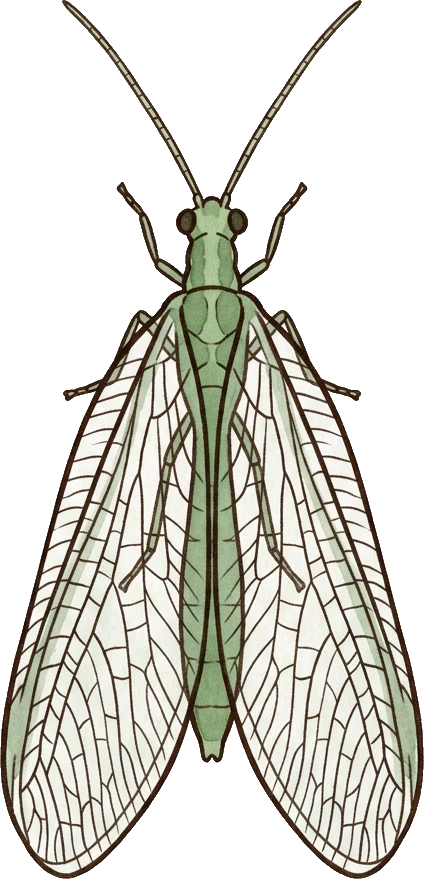
- Belgian Endive attracts Lacewings and Hoverflies and more, which prey on the Whitefly and Aphids that attack Lemon Balm
- Belgian Endive roots deep while Lemon Balm feeds near the surface — no competition
- Lemon Balm draws Bees and Bumblebees and more that improve pollination for both
- Excellent pair
- Carrot attracts Parasitic wasps and Lacewings and more, which prey on the Whitefly and Aphids that attack Lemon Balm
- Carrot roots deep while Lemon Balm feeds near the surface — no competition
- Lemon Balm draws Bees and Bumblebees and more that improve pollination for both
- Excellent pair
- Catalogna Chicory attracts Lacewings and Hoverflies and more, which prey on the Whitefly and Aphids that attack Lemon Balm
- Catalogna Chicory roots deep while Lemon Balm feeds near the surface — no competition
- Lemon Balm draws Bees and Bumblebees and more that improve pollination for both
Also works well
Keep apart

Black Sage releases compounds that inhibit Lemon Balm
Black Walnut releases compounds that inhibit Lemon Balm
Fennel releases compounds that inhibit Lemon Balm

Planning a whole bed?
Kindred Core scores every plant in your garden against every other — free.