Companion plants for Mibuna
36 partners scored across pest control, nitrogen, root depth, shade and spacing.

Best partners
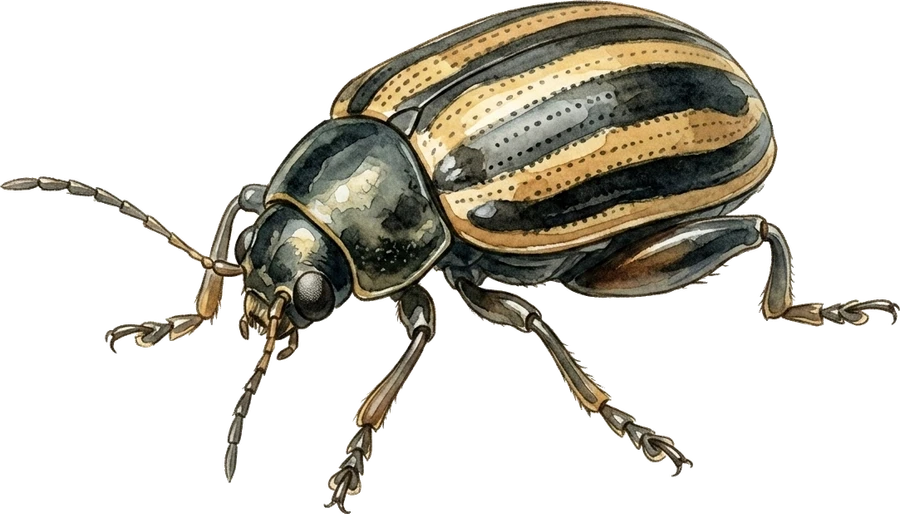
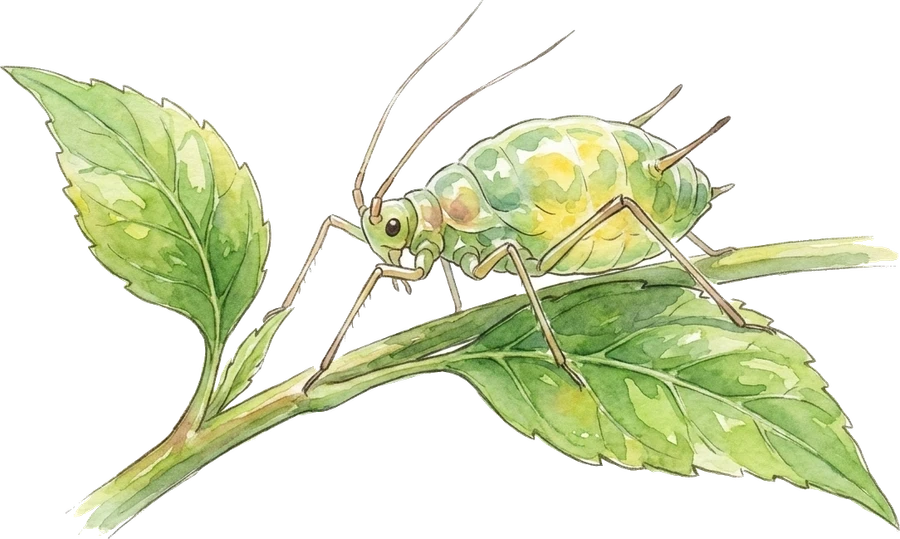
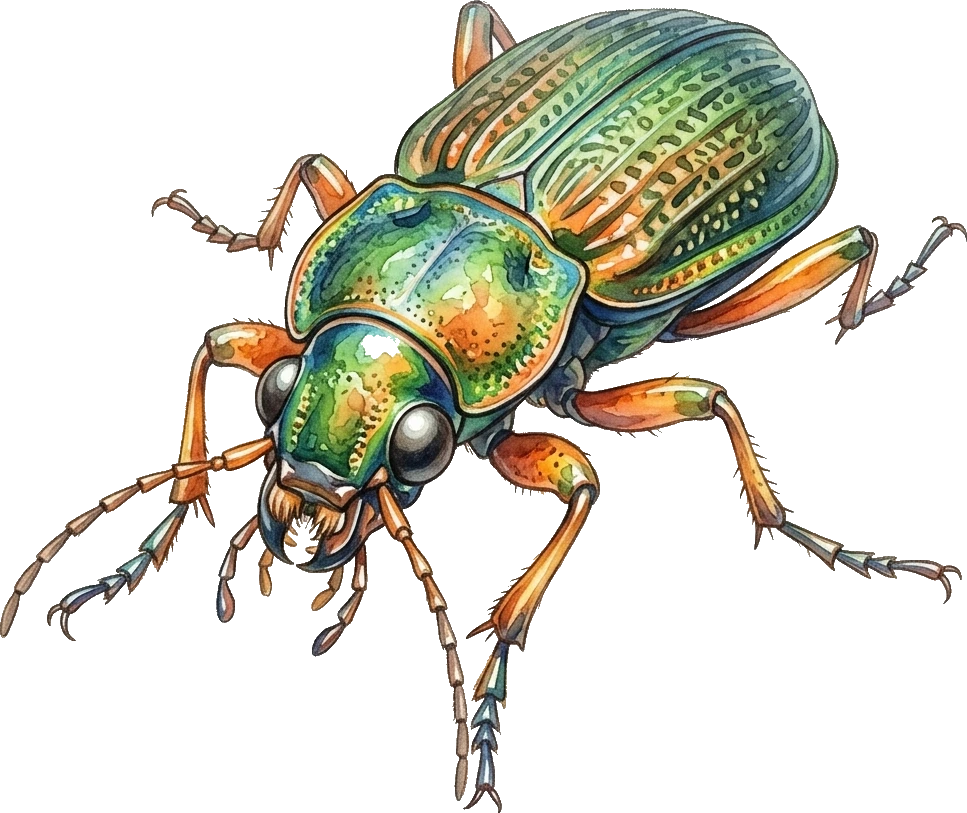
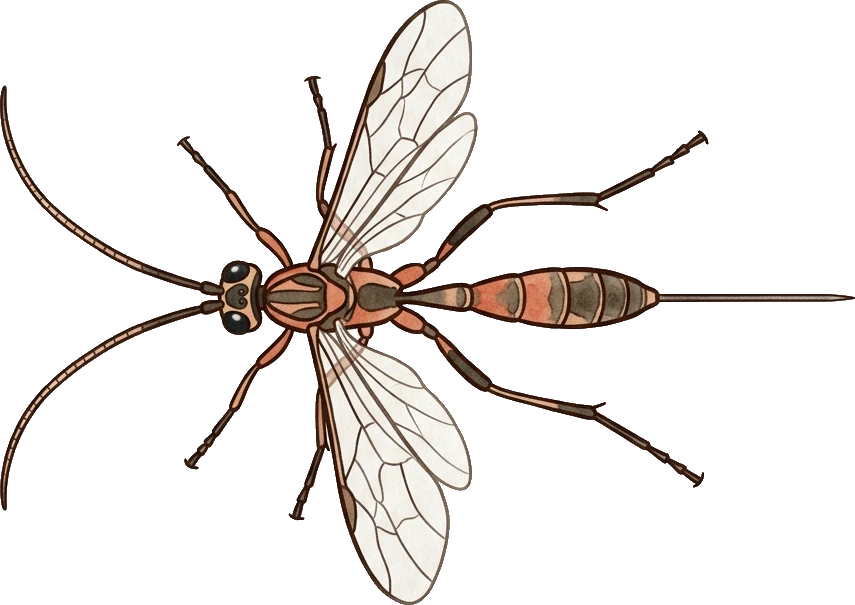
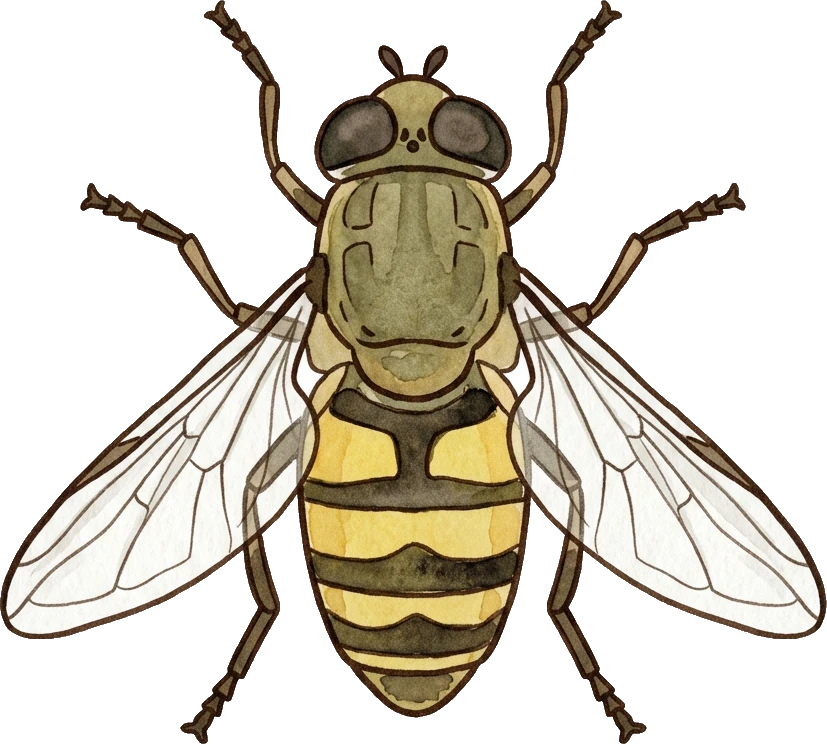
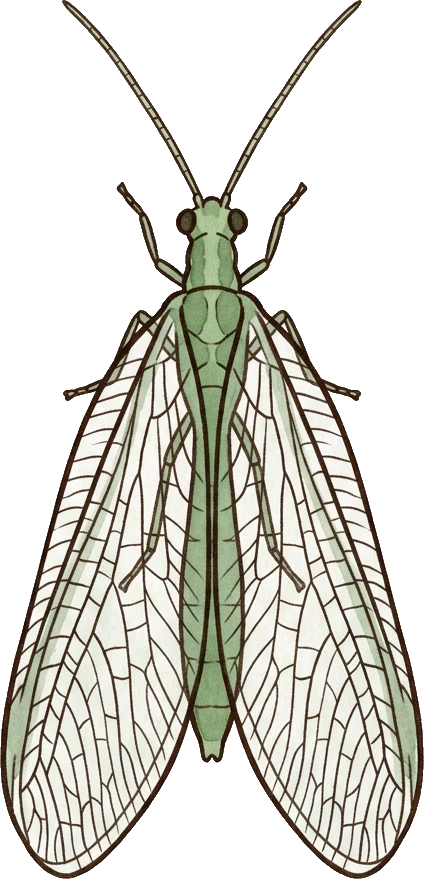
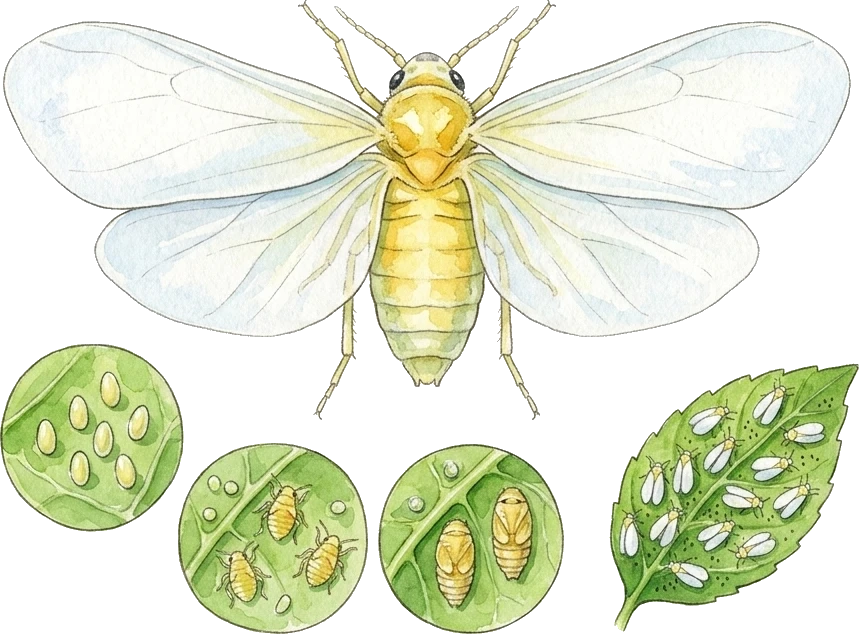
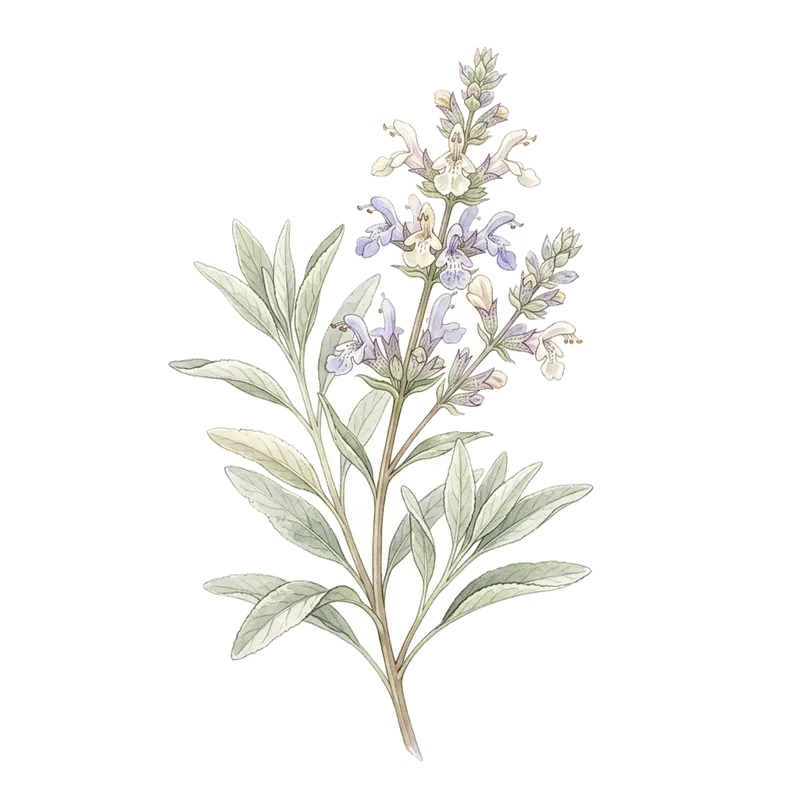
Blue SageExcellent pair- Blue Sage attracts Parasitic wasps and Hoverflies, which prey on the Flea beetles and Aphids and more that attack Mibuna
- Blue Sage roots deep while Mibuna feeds near the surface — no competition
- Mibuna acts as living mulch, keeping soil moist and weeds down around Blue Sage
- Excellent pair
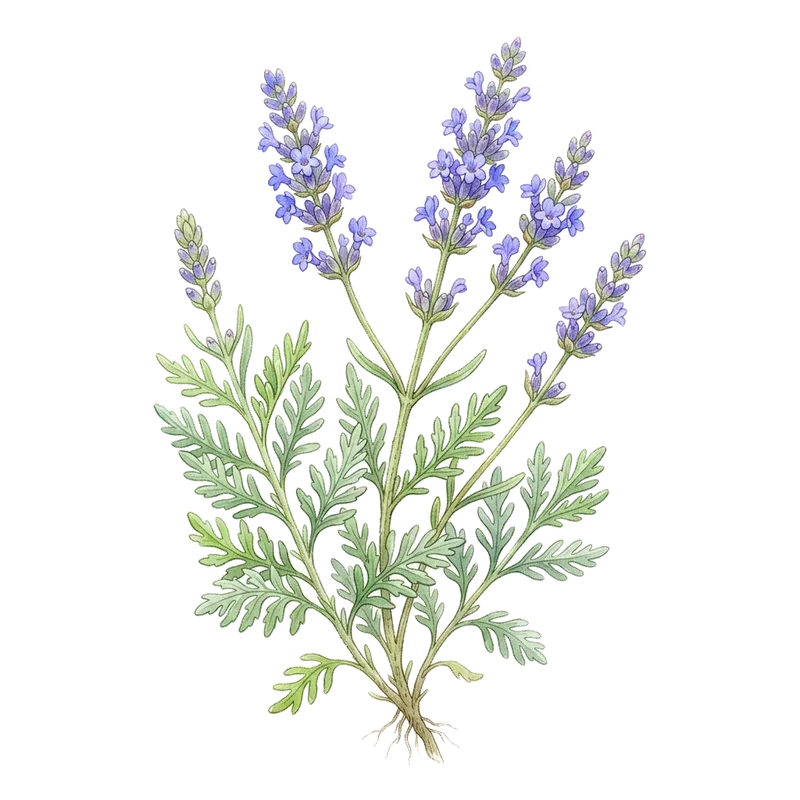
- Chaytor's Lavender attracts Parasitic wasps and Hoverflies, which prey on the Flea beetles and Aphids and more that attack Mibuna
- Mibuna draws Bees and Butterflies that improve pollination for both
- Chaytor's Lavender roots deep while Mibuna feeds near the surface — no competition

- Excellent pair
- Cleveland Sage attracts Parasitic wasps and Hoverflies, which prey on the Flea beetles and Aphids and more that attack Mibuna
- Cleveland Sage roots deep while Mibuna feeds near the surface — no competition
- Mibuna acts as living mulch, keeping soil moist and weeds down around Cleveland Sage
- Excellent pair
- Lovage attracts Parasitic wasps and Hoverflies and more, which prey on the Flea beetles and Aphids and more that attack Mibuna
- Lovage roots deep while Mibuna feeds near the surface — no competition
- Mibuna acts as living mulch, keeping soil moist and weeds down around Lovage
- Excellent pair
- meadowsweet attracts Parasitic wasps and Hoverflies, which prey on the Flea beetles and Aphids and more that attack Mibuna
- Mibuna draws Bees and Butterflies that improve pollination for both
- Mibuna acts as living mulch, keeping soil moist and weeds down around meadowsweet
- Excellent pair
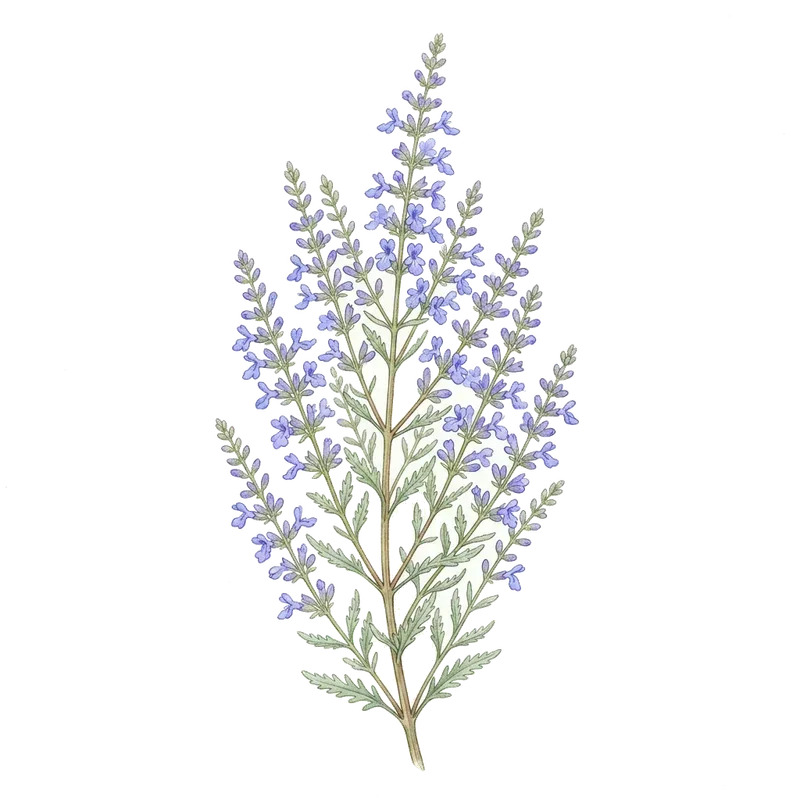
- Russian Sage attracts Parasitic wasps and Hoverflies, which prey on the Flea beetles and Aphids and more that attack Mibuna
- Russian Sage roots deep while Mibuna feeds near the surface — no competition
- Mibuna acts as living mulch, keeping soil moist and weeds down around Russian Sage
- Excellent pair
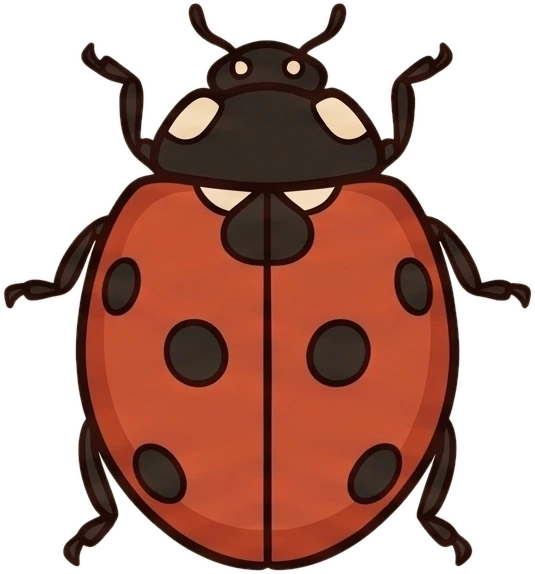
- Common Vetch attracts Parasitic wasps and Ladybirds and more, which prey on the Flea beetles and Aphids and more that attack Mibuna
- Common Vetch fixes nitrogen in the soil that Mibuna feeds on
- Mibuna acts as living mulch, keeping soil moist and weeds down around Common Vetch
- Excellent pair
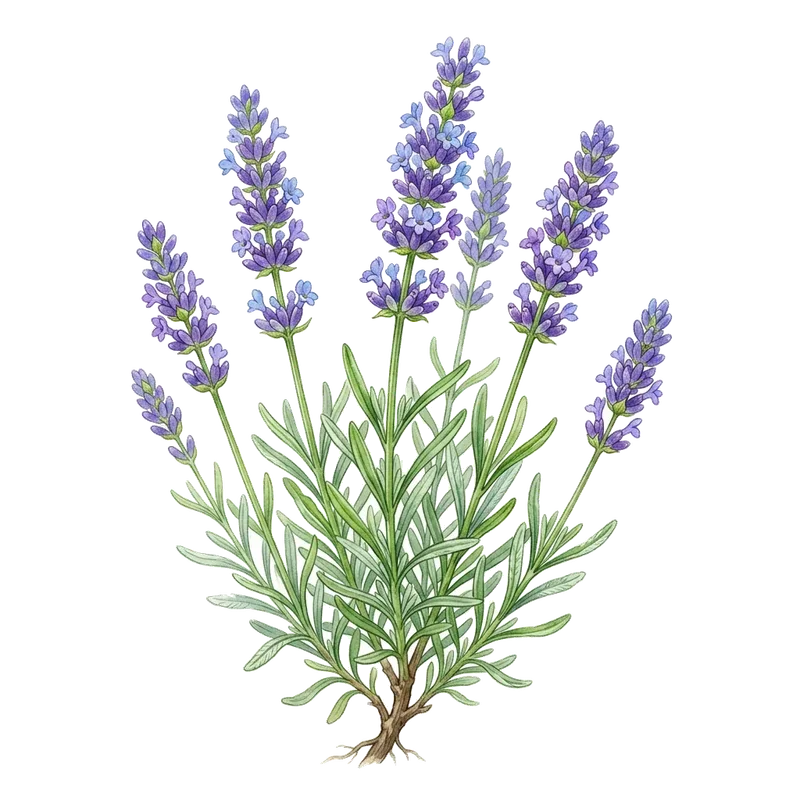
- English Lavender suppresses pests that trouble Mibuna
- Mibuna draws Bees and Butterflies that improve pollination for both
- English Lavender roots deep while Mibuna feeds near the surface — no competition
- Excellent pair
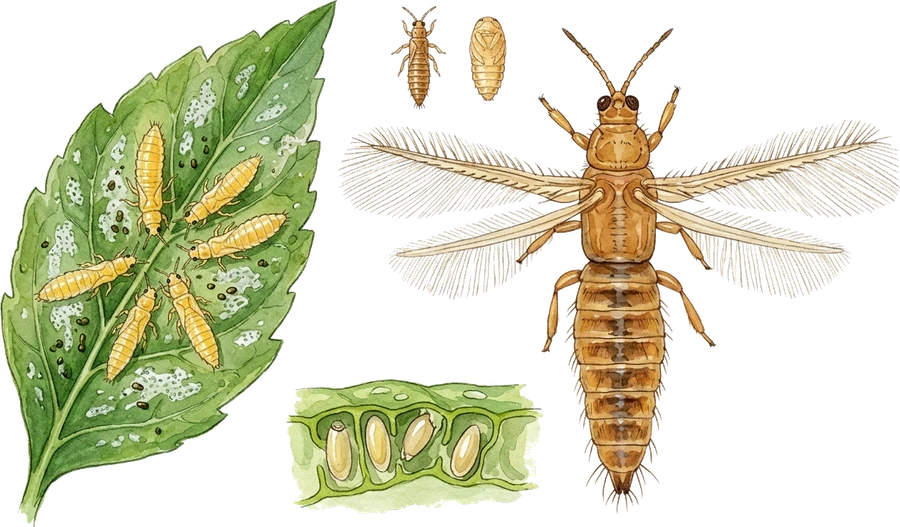
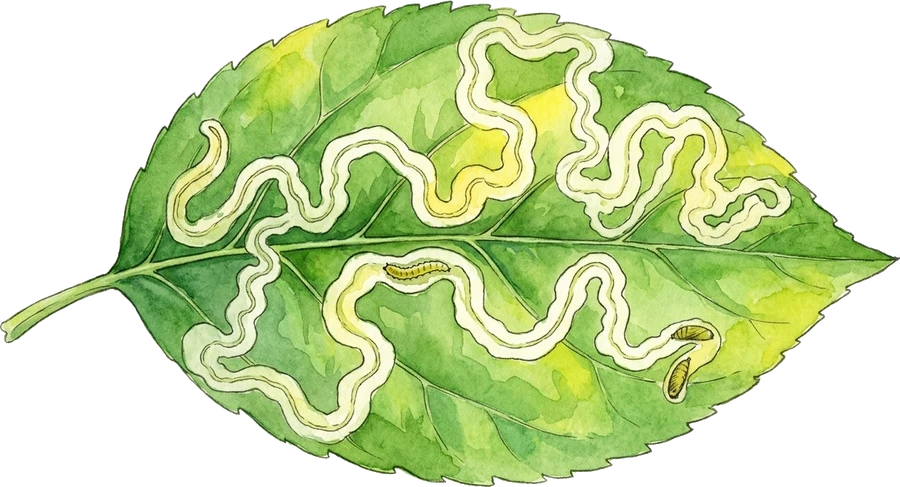
- Mibuna attracts Hoverflies and Parasitic wasps, which prey on the Thrips and Leaf miners that attack Grape
- Mibuna draws Bees and Butterflies that improve pollination for both
- Grape roots deep while Mibuna feeds near the surface — no competition
- Excellent pair
- Hairy Vetch attracts Parasitic wasps and Ladybirds and more, which prey on the Flea beetles and Aphids and more that attack Mibuna
- Hairy Vetch fixes nitrogen in the soil that Mibuna feeds on
- Mibuna acts as living mulch, keeping soil moist and weeds down around Hairy Vetch
- Excellent pair
- Mibuna attracts Hoverflies, which prey on the Thrips that attack Olive
- Mibuna draws Bees and Butterflies that improve pollination for both
- Olive roots deep while Mibuna feeds near the surface — no competition
- Excellent pair
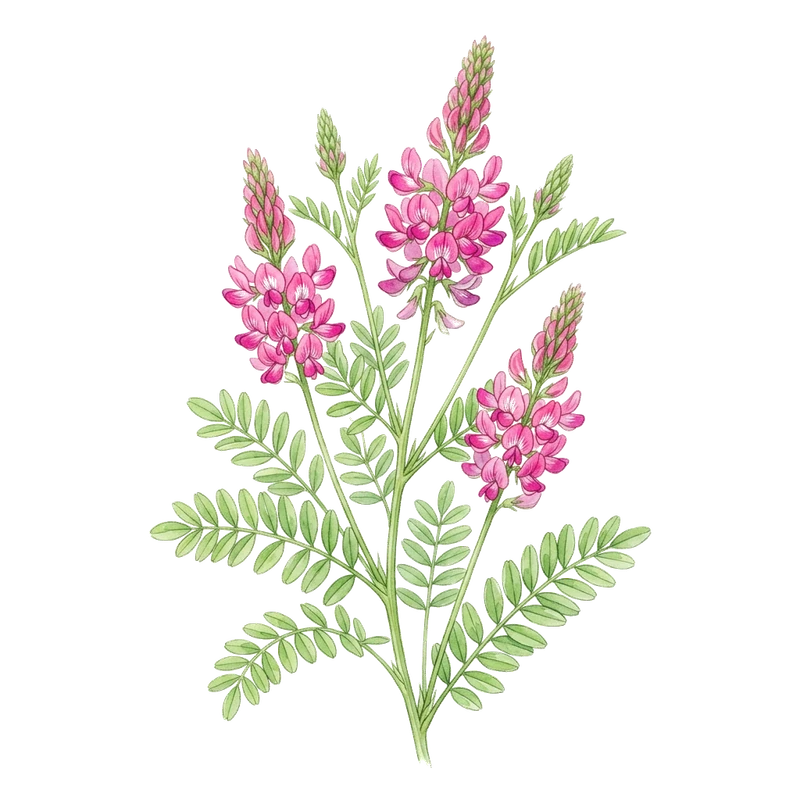
- Sainfoin attracts Parasitic wasps and Ladybirds and more, which prey on the Flea beetles and Aphids and more that attack Mibuna
- Sainfoin fixes nitrogen in the soil that Mibuna feeds on
- Sainfoin roots deep while Mibuna feeds near the surface — no competition
Also works well
Keep apart

Black Sage releases compounds that inhibit Mibuna
Black Walnut releases compounds that inhibit Mibuna

Fennel releases compounds that inhibit Mibuna
Planning a whole bed?
Kindred Core scores every plant in your garden against every other — free.